
How to Heal Scars, Stretch Marks, and Damaged Skin with DIY Repair Oil
When it comes to healing scars, stretch marks, and damaged or compromised skin, finding the right treatment can be overwhelming. Scarring and skin damage occur due to various factors such as injuries, surgeries, pregnancy, or skin conditions like acne. These issues often make the skin more sensitive and in need of extra nourishment. This is where a repair oil comes in—a luxurious, nourishing treatment that helps restore skin health and fade scars while keeping your skin moisturized and protected.
In this blog, we’ll dive into what causes these skin issues, why a repair oil is a great solution, and how you can make an all-natural repair oil at home to help your skin recover.
What Causes Scarring, Stretch Marks, and Damaged Skin?
Scarring occurs when the skin’s deeper layers (the dermis) are injured. As your body heals, it produces collagen to repair the damage, which often leads to the formation of a scar. These scars can be raised, sunken, or flat, depending on how your skin heals.
Stretch marks happen when the skin is stretched rapidly, often during periods of growth or weight changes, such as pregnancy or puberty. The dermis tears, and stretch marks form as a result.
Damaged or compromised skin can be the result of environmental factors, acne, inflammation, or harsh skincare products that disrupt the skin barrier, making it vulnerable to irritation, dryness, and further damage.
Why Use a Repair Oil?
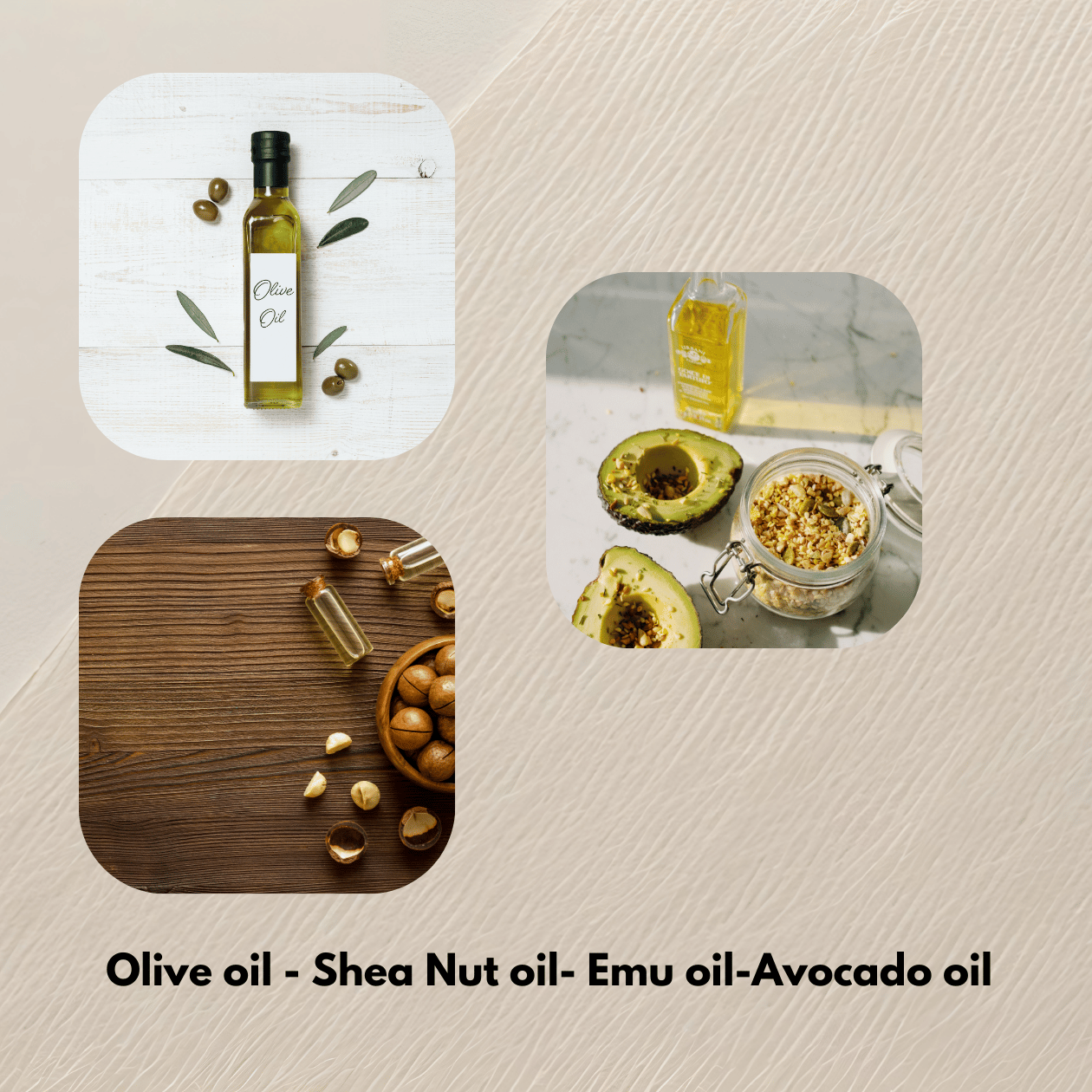
A repair oil is an excellent treatment option for damaged skin because it can provide intense hydration, improve skin elasticity, and promote faster healing. The rich blend of oils and actives in repair oils helps nourish the skin, reduce inflammation, and support the skin’s natural repair process. Unlike creams, which are water-based, oils are more effective at sealing in moisture and ensuring the skin stays hydrated for longer periods.
What is Repair Oil?
Repair oil is a potent mix of plant-based oils, essential nutrients, and antioxidants designed to heal and strengthen the skin’s natural barrier. Repair oils are rich in fatty acids and vitamins, which help fade scars, reduce stretch marks, and restore skin health. The specific ingredients you use in a repair oil make all the difference, and you can tailor your oil blend to your skin’s needs.
What Will This Repair Oil Do?
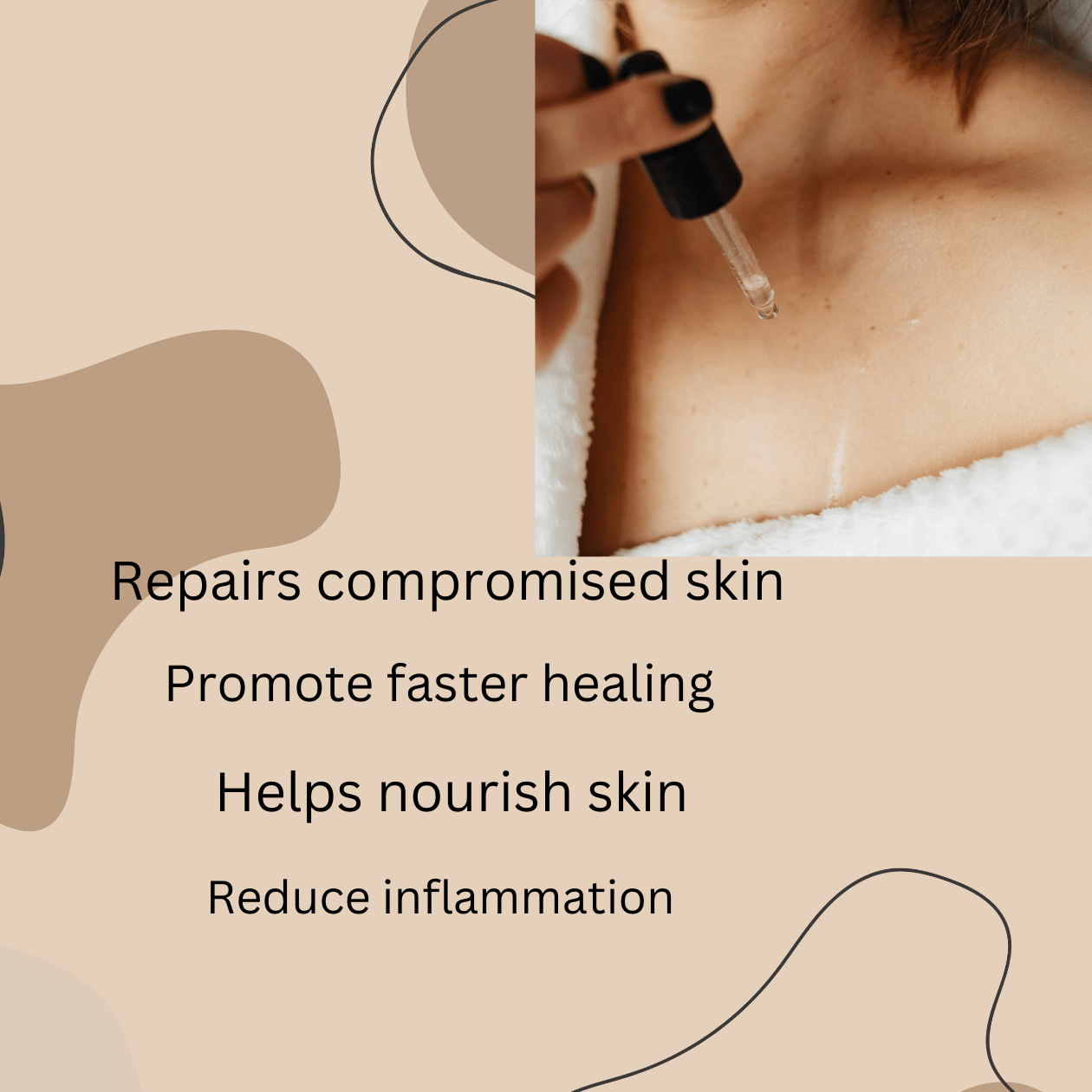
This DIY repair oil recipe is packed with ingredients that help fade scars, reduce the appearance of stretch marks, and heal damaged skin. The combination of oils and actives provides anti-inflammatory, moisturizing, and healing properties that are essential for skin recovery. It’s suitable for all skin types, but if you have oily or acne-prone skin, you may want to use a smaller amount to avoid clogging your pores.
Repair Oil Formula (Total: 150g)
1. Olive Oil → 45g
2. Shea Nut Oil → 37.5g
3. Emu Oil → 22.5g
4. Astaxanthin → 0.15g
5. Coenzyme Q10 → 1.5g
6. Vitamin E Oil → 1.5g
7. Avocado Oil → 15g
8. Helichrysum Essential Oil → 0.75g
9. Frankincense Essential Oil → 0.75g
10. Marula Oil → 20.1g
11. Sea Buckthorn Oil → 5.25g
Benefits of Each Ingredient
• Olive Oil: Helps restore the skin’s moisture barrier, packed with antioxidants that protect and repair the skin.
• Shea nut oil: Deeply nourishing, improves skin elasticity, and soothes damaged or irritated skin.
• Emu oil: Known for reducing inflammation and supporting faster healing due to its ability to penetrate deeply into the skin.
• Astaxanthin: A potent antioxidant that helps combat the effects of aging and environmental damage on the skin.
• Coenzyme Q10: Supports the skin’s natural healing process and improves the appearance of scars by boosting collagen production.
• Vitamin E Oil: Protects the skin from damage and promotes healing, while also acting as a natural preservative for the formula.
• Avocado Oil: Rich in vitamins A, D, and E, deeply moisturizes the skin and promotes wound healing.
• Helichrysum Essential Oil: Known for its ability to promote skin regeneration, reduce scars, and soothe inflamed skin.
• Frankincense Essential Oil: Supports skin healing by promoting cell turnover and reducing the appearance of scars and stretch marks.
• Marula Oil: A lightweight oil that hydrates the skin while providing antioxidants to protect against environmental stressors.
• Sea Buckthorn Oil: Rich in omega fatty acids, this oil helps regenerate skin cells and improve skin tone and texture.
How to Make Your Repair Oil
Instructions:
1. Prepare your workspace: Start by sterilizing your equipment and containers. This ensures that your product remains clean and safe for use.
2. Combine oils: In a clean mixing bowl, add the olive oil, shea nut oil, emu oil, avocado oil, marula oil, and sea buckthorn oil. Stir gently to combine.
3. Add actives: Once the base oils are mixed, carefully add in the astaxanthin, coenzyme Q10, and vitamin E oil. Stir thoroughly until all the ingredients are evenly distributed.
4. Essential oils: Add the helichrysum essential oil and frankincense essential oil to the mixture. These will provide additional healing benefits and a pleasant aroma.
5. Mix well: Ensure everything is mixed well, and the active ingredients and essential oils are fully integrated into the base oils.
6. Transfer to bottles: Pour your repair oil into amber or dark glass bottles to protect it from light and extend its shelf life. Make sure to label the bottle with the date.
7. Storage: Store the oil in a cool, dry place away from sunlight. The oil should last for several months if stored properly.
How to Use Your Repair Oil
• Apply twice daily: After cleansing your skin, apply a small amount of the repair oil to the affected areas, such as scars, stretch marks, or damaged skin. Massage gently until the oil is absorbed.
• For oily or acne-prone skin: If you have oily or acne-prone skin, use a smaller amount and focus on areas that need healing without over-applying to the face or other acne-prone areas.
• Consistency is key: Use the oil regularly for best results. Over time, you should notice improvements in skin texture, tone, and the overall appearance of scars and stretch marks.
Why This Repair Oil Works
This repair oil works because of its carefully selected ingredients that target scar tissue, inflammation, and compromised skin barriers. The combination of potent oils, antioxidants, and essential nutrients not only helps in reducing the appearance of scars and stretch marks but also helps your skin regenerate and recover from damage.
The rich antioxidants found in sea buckthorn oil, astaxanthin, and coenzyme Q10 work to protect your skin from further environmental stress, while oils like emu oil and shea nut oil penetrate deep into the skin, promoting intense healing and hydration. Helichrysum and frankincense essential oils offer added skin regeneration benefits, making this a powerful, all-in-one repair oil.
Final Thoughts
Whether you’re struggling with scars, stretch marks, or just want to give your skin some extra love and care, this DIY repair oil is a fantastic, all-natural way to support your skin’s healing process. It’s packed with ingredients that deliver lasting moisture and potent nutrients to help fade scars, soothe inflammation, and rejuvenate your skin.
If you’re looking for more ways to create effective skincare products or want to understand how ingredients work together, don’t forget to check out my eBook! It’s full of tips on creating your own products and formulas that can target specific skin concerns like this one. 🌿https://payhip.com/b/yH7Ad
Let me know how this formula works for you, and I’d love to hear your feedback!