
Glow Naturally: Easy DIY Body Oil Formula for Radiant Skin
Luxury Hydration Made Simple, Right at Home!
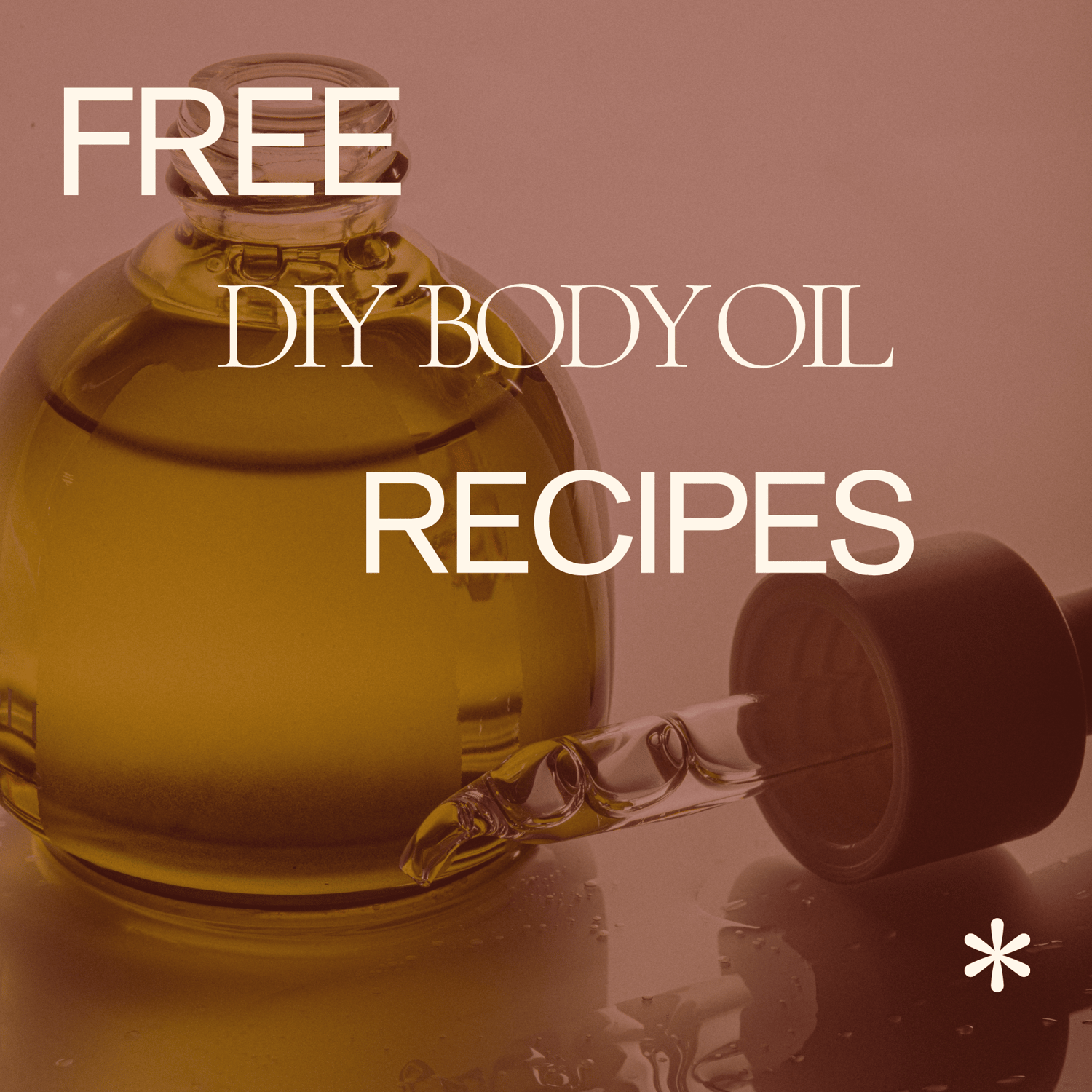
Are you ready to treat your skin to a luxurious glow with ingredients you can trust? This DIY body oil recipe is packed with skin-loving oils that hydrate, nourish, and soften—all while being super easy to make! Whether your skin is dry, oily, or sensitive, this blend is perfect for you.
The Impact of Body Oil on Our Skin:
Body oils offer deep hydration, helping to lock in moisture and nourish the skin at a deeper level. Unlike lotions, which often contain water, oils form a protective barrier on the skin, preventing moisture loss. They’re rich in essential fatty acids, vitamins, and antioxidants, which promote skin elasticity, smoothness, and a radiant glow. Regular use of body oil can improve skin texture, balance oil production, and provide long-lasting softness. Additionally, body oils enhance the skin’s natural barrier, making it more resilient against environmental damage.
In short, body oils are a powerful way to keep skin healthy, hydrated, and glowing.
Why You’ll Love This Body Oil:
This body oil is designed to deeply moisturize without feeling greasy. We’ve handpicked each ingredient for its unique benefits, ensuring that your skin stays smooth, glowing, and healthy. And the best part? You can make it yourself, with simple ingredients that are great for all skin types.
The Ingredients Benefits:
Here’s what makes this recipe amazing:
1. Sweet Almond Oil
• Benefits: Lightweight and hydrating, it’s easily absorbed and helps soften the skin.
• Skin Types: Suitable for dry, oily, and combination skin due to its non-comedogenic properties.
2. Jojoba Oil
• Benefits: Mimics the skin’s natural oils, making it an excellent choice for balance.
• Skin Types: Works well for all skin types, including oily and acne-prone skin, as it doesn’t clog pores.
3. Carrot Oil
• Benefits: Rich in beta-carotene and vitamins A and E, it promotes a healthy glow and brightens the skin.
• Skin Types: Beneficial for dry and mature skin but also helps improve overall skin tone.
4. Pomegranate Oil
• Benefits: Contains antioxidants and fatty acids that enhance elasticity and hydrate the skin.
• Skin Types: Great for all skin types, especially mature or dry skin, as it promotes elasticity.
5. Isopropyl Myristate
• Benefits: Acts as a penetration enhancer, allowing other oils to absorb better into the skin.
• Skin Types: Generally well-tolerated, but those with very sensitive skin may want to use it cautiously.
6. Rosehip Seed Oil
• Benefits: Known for its rejuvenating properties, rich in vitamins A and C, it helps to brighten and repair skin.
• Skin Types: Excellent for dry, mature, and sensitive skin; beneficial for acne-prone skin as well.
7. Vitamin E Oil
• Benefits: Nourishes and protects the skin, acting as an antioxidant and natural preservative.
• Skin Types: Suitable for all skin types, particularly beneficial for dry and damaged skin.
8. Lemon Essential Oil
• Benefits: Brightens the skin and has antibacterial properties. However, it can cause photosensitivity.
• Skin Types: Generally good for all skin types but should be used cautiously on sensitive skin, especially before sun exposure.
9. Frankincense Essential Oil (Optional)
• Benefits: Known for its anti-aging and skin-rejuvenating properties.
• Skin Types: Suitable for all skin types, particularly beneficial for mature and dry skin.
The Ingredients Breakdown:
- Sweet Almond Oil: 33.6g (33.6 ml)
- Jojoba Oil: 25g (25 ml)
- Carrot Oil: 15g (15 ml)
- Pomegranate Oil: 15g (15 ml)
- Isopropyl Myristate: 5g (5 ml)
- Rosehip Seed Oil: 5g (5 ml)
- Vitamin E Oil: 1g (1 ml)
- Lemon Essential Oil: 0.2g (0.2 ml) (~4 drops)
- Frankincense Essential Oil (Optional): 0.2g (0.2 ml) (~4 drops)
Instructions:
What You’ll Need:
• A clean, sterilized glass bottle (preferably amber or cobalt to protect from light)
• A small funnel (optional, but helpful)
• A dropper for essential oils
Steps:
1. Prepare Your Workspace: Start by cleaning your workspace and ensuring all utensils and containers are sterilized. Cleanliness is key to creating a safe, effective product!
2. Mix the Oils: Using a small funnel, carefully pour the Sweet Almond Oil and Jojoba Oil into the glass bottle.
3. Add the Specialty Oils: Next, add the Carrot Oil, Pomegranate Oil, Isopropyl Myristate, Rosehip Seed Oil, and Vitamin E Oil.
4. Incorporate Essential Oils: Using a dropper, add the Lemon Essential Oil and Frankincense Essential Oil (if using).
5. Blend It Up: Secure the lid on your bottle and give it a gentle shake to combine all the oils thoroughly.
6. Let It Rest: For best results, allow the blend to sit for a few hours or overnight to let the scents meld.
7. Enjoy! Now, your luxurious body oil is ready to use! Apply it generously after your shower for maximum absorption, or use it anytime your skin needs a hydration boost.
Considerations for Use
While the recipe is designed for all skin types, individual reactions may vary. Here are a few tips to ensure it works for everyone:
• Patch Test: Always conduct a patch test before full application, especially for sensitive skin. Apply a small amount of the oil on a discreet area (like the inner forearm) and wait 24 hours to check for any reactions.
• Dilution: If using essential oils, consider diluting them further if you have sensitive skin.
• Sun Sensitivity: Be cautious with lemon essential oil, as it can make the skin more sensitive to sunlight. It’s best to apply the oil at night or use sunscreen during the day.
Final Thoughts
Estimated Shelf Life of Your DIY Body Oil:
• 6 to 12 months is a reasonable estimate for your body oil formula.
The most sensitive oils in your blend are Rosehip Seed Oil and Carrot Oil, which tend to oxidize and degrade faster (6 to 12 months). However, the presence of Vitamin E Oil in the formula acts as a natural antioxidant and can help extend the shelf life slightly.
How to Extend Shelf Life:
1. Store in a Cool, Dark Place: Keep the body oil away from direct sunlight and heat.
2. Use Dark Glass Bottles: Amber or dark-colored bottles help protect oils from light exposure.
3. Refrigeration: While not always necessary, refrigerating the product can slow down the oxidation process for more fragile oils.
4. Tightly Seal the Bottle: Prevent air exposure by keeping the bottle tightly closed when not in use.
If you follow these storage guidelines, your body oil should maintain its effectiveness for the estimated shelf life period. Always check for changes in smell, color, or texture, which could indicate the oil has gone rancid.
Making your own body oil is not just a fun DIY project; it’s also a way to know exactly what you’re putting on your skin. With this easy-to-follow recipe, you’ll have a nourishing blend that leaves your skin feeling soft, hydrated, and radiant.
Ready to give your skin the TLC it deserves? Try out this DIY Body Oil recipe today, and don’t forget to share your experience with us! For more tips, tricks, and recipes, be sure to check out our blog and follow along for all things skincare. Happy crafting!