
Ingredients That Should Not Be Paired Together in Skincare
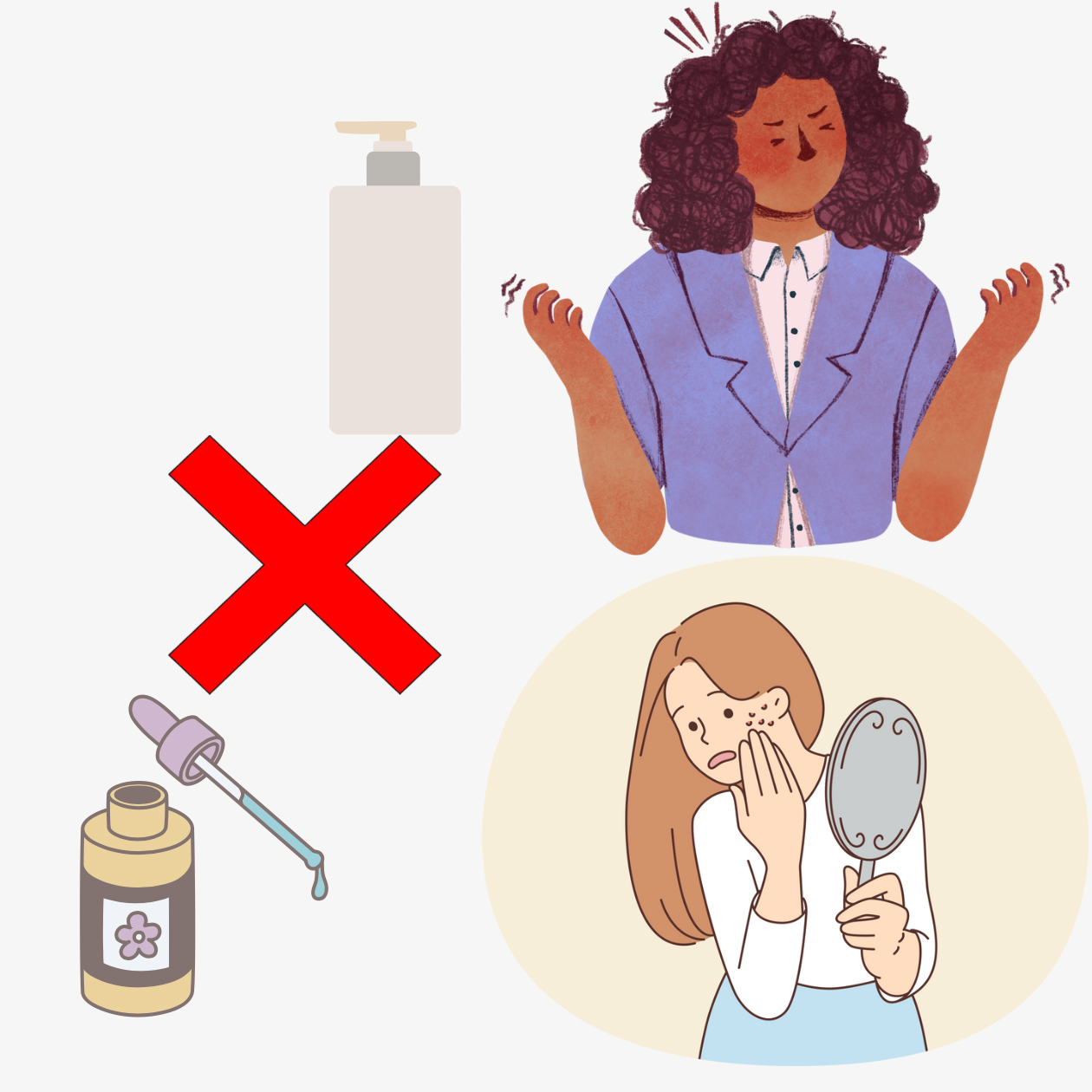
When it comes to crafting effective skincare routines or DIY products, understanding ingredient compatibility is essential. Certain ingredients can enhance each other’s benefits, while others can lead to irritation, breakouts, or reduced efficacy. In this post, we’ll explore common skincare ingredients that should not be paired together and explain why. Additionally, we’ll cover how to create a balanced skincare routine and identify your skin's needs. By the end, you’ll have a better understanding of how to create safe and effective skincare formulations.

1. Ingredients That Should Not Be Paired Together
Acids and Retinoids
Why Avoid Mixing:
Both alpha hydroxy acids (AHAs) and beta hydroxy acids (BHAs) are excellent for exfoliating and brightening the skin. However, combining them with retinoids can increase irritation, redness, and peeling. Retinoids are powerful anti-aging ingredients that promote cell turnover, while acids work to dissolve dead skin cells. Using them together can overwhelm the skin.
Best Practice:
Use Separately: Consider using AHAs/BHAs in your morning routine and retinoids at night. This allows your skin to benefit from both without causing irritation.
Vitamin C and AHAs/BHAs
Why Avoid Mixing:
Vitamin C is a potent antioxidant that helps brighten the skin and protect it from environmental damage. However, when mixed with AHAs or BHAs, the acidity can destabilize Vitamin C, reducing its effectiveness. This combination can also lead to skin irritation.
Best Practice:
Layer with Care: If you want to use both, apply Vitamin C in the morning and your exfoliating acids in the evening. This separation allows each ingredient to perform optimally.
Niacinamide and Vitamin C
Why Avoid Mixing:
Niacinamide is a fantastic ingredient known for its ability to improve skin texture, reduce inflammation, and control oil. However, it has long been thought that using it with Vitamin C can lead to the formation of a compound that may reduce the effectiveness of both ingredients. Recent studies suggest this may not be as significant as once believed, but some individuals may still experience irritation.
Best Practice:
Layer Wisely: Use Niacinamide and Vitamin C at different times of the day or on alternate days to minimize the risk of irritation.
Benzoyl Peroxide and Retinol
Why Avoid Mixing:
Benzoyl peroxide is a common ingredient in acne treatment products known for its antibacterial properties. However, it can cause dryness and irritation, especially when used with retinol, which also promotes skin cell turnover. This combination can exacerbate sensitivity and lead to peeling.
Best Practice:
Alternate Days: If you’re using both, apply benzoyl peroxide in the morning and retinol at night. This allows your skin to benefit from both ingredients without overwhelming it.
Essential Oils and Alcohol
Why Avoid Mixing:
While essential oils can provide soothing and therapeutic benefits, they can also be irritating, especially when mixed with alcohol-based products. Alcohol can dry out the skin and cause irritation, which can be worsened by the use of certain essential oils.
Best Practice:
Choose Wisely: If you love using essential oils, opt for alcohol-free toners or products to avoid unnecessary irritation. Always dilute essential oils in a carrier oil or a suitable base before application.
Physical Exfoliants and Chemical Exfoliants
Why Avoid Mixing:
Using both physical exfoliants (like sugar, salt, or scrubs) and chemical exfoliants (like AHAs or BHAs) in the same application can be too harsh for the skin. This combination can lead to over-exfoliation, resulting in redness, irritation, and compromised skin barrier function.
Best Practice:
Choose One Exfoliation Method: Decide whether you want to use a physical scrub or a chemical exfoliant for a given application. Alternate them throughout the week for balanced exfoliation.
How to Create a Balanced Skincare Routine
Understanding how to pair ingredients effectively is essential for crafting a balanced skincare routine. Here are some tips:
Start Simple: Begin with a basic routine that includes a gentle cleanser, moisturizer, and sunscreen. As your skin adjusts, gradually introduce active ingredients based on your skin's needs.
Layering Order: Apply products in order from thinnest to thickest consistency. Start with serums, followed by moisturizers, and finish with sunscreen in the morning.
Listen to Your Skin: Pay attention to how your skin reacts to different products and adjust your routine accordingly. If you experience irritation, consider removing an ingredient and reintroducing it later.
Identifying Your Skin's Needs
Assessing your skin type and concerns is vital for selecting the right products and ingredients. Here’s how to identify your skin's needs:
Determine Your Skin Type: Is your skin oily, dry, combination, or sensitive? Understanding your skin type will guide you in choosing appropriate ingredients.
Identify Specific Concerns: Are you dealing with acne, dryness, fine lines, or redness? Tailor your ingredient choices to address these specific issues.
Consult a Professional: If you’re unsure about your skin’s needs, consider consulting with a dermatologist or skincare professional for personalized advice.
Conclusion
Understanding ingredient compatibility is crucial for crafting effective and safe skincare routines. By avoiding combinations that can lead to irritation or reduced efficacy, you can enhance your skincare experience and achieve healthier, glowing skin. Always listen to your skin and observe how it reacts to different combinations. If you ever feel uncertain about what to use together, don't hesitate to consult with a skincare professional for tailored advice.
As you explore your skincare journey, remember to keep it simple, enjoy the process, and choose products that make your skin feel good!🌸🌻
---——-