
Creating a skincare routine that caters to your specific skin type is essential for achieving and maintaining a healthy, glowing complexion. In this guide, we’ll break down effective morning and evening skincare routines tailored to oily, dry, and combination skin types, along with tips for adjusting your routine as the seasons change. Additionally, we’ll explore essential elements of skincare, including understanding your skin type, common mistakes, layering products, and the importance of consistency.
Understanding Your Skin Type
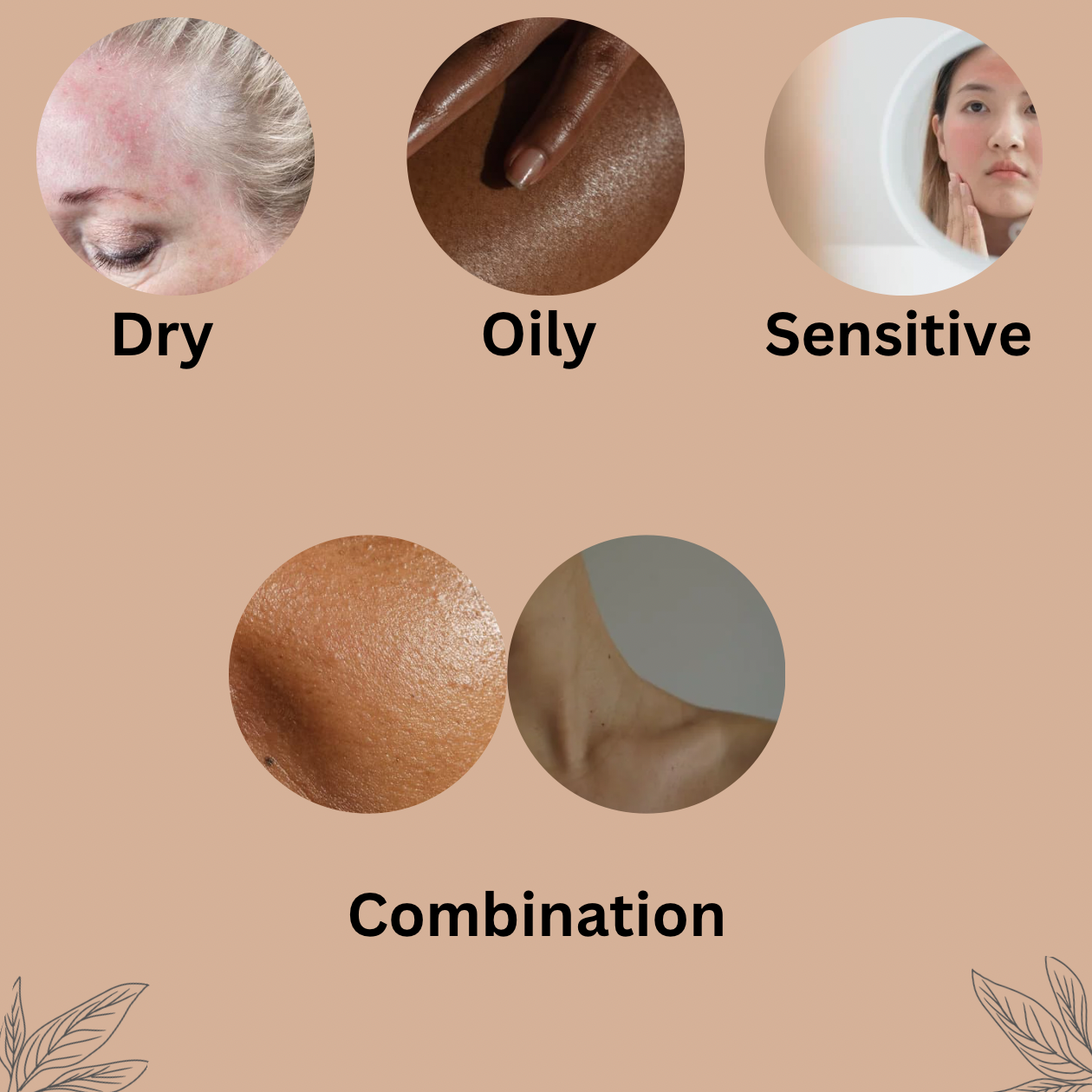
Before you can create an effective skincare routine, it’s crucial to identify your skin type. Here’s a brief overview of the different types:
• Oily Skin: Characterized by excess shine, enlarged pores, and prone to acne. Look for lightweight, oil-free products that help control sebum.
• Dry Skin: Often feels tight or flaky, showing signs of dryness and rough texture. Hydrating and rich products are essential for this skin type.
• Combination Skin: A mix of oily and dry areas, usually with an oily T-zone and dry cheeks. Balance is key, with products that hydrate without adding excess oil.
• Sensitive Skin: Prone to irritation, redness, and reactions to products. Gentle, fragrance-free formulations are ideal.
Daily Skincare Routine Templates
Your morning skincare routine should focus on hydration and protection, while your evening routine should target treatment and repair. Here are tailored templates based on your skin type:
Oily Skin:
• Cleanser: Gentle foaming or gel cleanser to remove excess oil.
• Toner: Alcohol-free toner with witch hazel or tea tree oil.
• Niacinamide Serum: Reduces oil and minimizes the appearance of pores.
• Lightweight Moisturizer: Oil-free moisturizer to hydrate without shine.
• Sunscreen: Broad-spectrum SPF of at least 30.
Dry Skin:
• Gentle Cleanser: Creamy cleanser that doesn’t strip natural oils.
• Hydrating Toner: Contains glycerin or rose water.
• Hyaluronic Acid Serum: Attracts moisture and keeps skin plump.
• Rich Moisturizer: Locks in hydration throughout the day.
• Sunscreen: Moisturizing sunscreen with SPF.
Combination Skin:
• Cleanser: Gentle cleanser for all skin types.
• Balancing Toner: Hydrates and regulates oil.
• Vitamin C Serum: Brightens and protects against environmental damage.
• Gel-Based Moisturizer: Lightweight hydration without heaviness.
• Sunscreen: Broad-spectrum SPF.
Evening Skincare Routines
Oily Skin:
• Cleanser: Remove makeup and impurities.
• Toner: Further cleanse and prepare skin for treatments.
• Salicylic Acid Serum: Exfoliates and unclogs pores.
• Lightweight Moisturizer: Keeps skin hydrated without excess oil.
Dry Skin:
• Gentle Cleanser: Hydrating cleanser to avoid stripping.
• Overnight Hydrating Mask: Deep moisture replenishment.
• Rich Night Cream: Contains ceramides for barrier repair.
Combination Skin:
• Cleanser: Gentle cleanser to remove impurities.
• Balancing Toner: Helps maintain moisture and oil balance.
• Retinol Serum: Boosts cell turnover for anti-aging benefits.
• Lightweight Oil: Provides moisture for drier areas.
Targeted Ingredients for Common Skin Concerns Based on Skin Types
Each skin type can face a variety of concerns, from acne to hyperpigmentation or sensitivity. It’s important to choose the right ingredients to target these specific issues while still addressing your overall skin type. Below is a breakdown of key ingredients for different skin concerns and how they work best for oily, dry, combination, or sensitive skin.
1. Acne-Prone Skin
• Oily Skin: Oily skin is often prone to acne due to excess sebum production, which can clog pores. Look for ingredients that regulate oil production and fight acne-causing bacteria.
• Salicylic Acid: A beta-hydroxy acid that penetrates the pores and exfoliates inside, helping to prevent clogged pores and breakouts.
• Benzoyl Peroxide: An antibacterial ingredient that kills acne-causing bacteria and dries out active breakouts.
• Niacinamide: Helps control oil production and reduce inflammation, making it great for acne-prone, oily skin.
• Dry Skin: While less common, dry skin can still experience acne. It’s important to treat acne without further drying the skin.
• Azelaic Acid: Gently fights acne and reduces redness without causing irritation, making it perfect for dry, sensitive skin.
• Tea Tree Oil: A natural antibacterial that fights acne-causing bacteria without stripping moisture.
• Combination Skin: Acne often affects the oily T-zone while the rest of the skin remains balanced or dry.
• Retinoids: Helps regulate cell turnover and unclogs pores while addressing fine lines and pigmentation.
• Salicylic Acid: Works to target oily areas without drying out combination skin.
2. Hyperpigmentation and Dark Spots
• Oily Skin: Oily skin can experience post-inflammatory hyperpigmentation after acne breakouts. You need ingredients that brighten skin while controlling oil.
• Vitamin C: An antioxidant that brightens dark spots and protects the skin from free radical damage. It’s lightweight, making it suitable for oily skin.
• Glycolic Acid: An AHA that exfoliates the surface of the skin, helping to fade dark spots and even out skin tone.
• Dry Skin: Dry skin benefits from ingredients that gently brighten while providing moisture.
• Licorice Extract: A gentle brightener that soothes irritation and fades hyperpigmentation.
• Kojic Acid: Derived from fungi, kojic acid helps lighten hyperpigmentation and is gentle enough for dry, sensitive skin.
• Combination Skin: Targeting hyperpigmentation requires a balance of brightening ingredients that won’t dry out or over-stimulate oily areas.
• Niacinamide: Helps fade dark spots while controlling oil production and providing hydration.
• Tranexamic Acid: A gentle brightener that helps reduce hyperpigmentation and dark spots without irritating combination skin.
3. Fine Lines and Wrinkles (Anti-Aging)
• Oily Skin: Anti-aging products for oily skin should be lightweight and oil-free.
• Retinol: A gold-standard anti-aging ingredient that promotes cell turnover and stimulates collagen production to reduce fine lines.
• Peptides: Small proteins that stimulate collagen and elastin production, keeping skin firm without clogging pores.
• Dry Skin: Dry skin is often more prone to early signs of aging due to lack of moisture.
• Hyaluronic Acid: Deeply hydrates and plumps the skin, reducing the appearance of fine lines caused by dryness.
• Squalane: A lightweight oil that mimics the skin’s natural oils and helps to lock in moisture, promoting a smoother, more youthful appearance.
• Combination Skin: Anti-aging products need to target both dry and oily areas without causing imbalance.
• Bakuchiol: A gentle, plant-based alternative to retinol, it offers anti-aging benefits without irritating sensitive or combination skin.
• Coenzyme Q10: An antioxidant that protects the skin from damage and promotes skin cell regeneration, suitable for all areas of combination skin.
4. Redness and Sensitivity
• Sensitive Skin: Sensitive skin types are prone to redness, irritation, and inflammation. These ingredients are soothing and anti-inflammatory.
• Aloe Vera: Soothes inflammation and hydrates the skin without causing irritation.
• Centella Asiatica (Cica): A powerful anti-inflammatory ingredient that calms redness and promotes healing.
• Colloidal Oatmeal: Provides deep hydration and calms irritated or inflamed skin.
• Oily Skin: Oily skin can sometimes become sensitive, especially with overuse of harsh products.
• Green Tea Extract: An anti-inflammatory ingredient that reduces redness while controlling excess oil.
• Niacinamide: Not only great for controlling oil, it also calms redness and soothes sensitive areas.
• Dry Skin: Dry skin often becomes red and irritated when it lacks moisture, so calming ingredients are essential.
• Chamomile Extract: Gently soothes and calms inflammation while hydrating the skin.
• Rosehip Oil: Rich in fatty acids and vitamins, it calms inflammation while deeply moisturizing dry skin.
5. Dullness and Lack of Radiance
• Oily Skin: When oily skin becomes dull, lightweight brightening ingredients are key.
• Niacinamide: Not only controls oil but helps brighten and improve overall skin tone.
• Lactic Acid: An AHA that exfoliates dead skin cells to reveal a brighter, smoother complexion.
• Dry Skin: Dullness in dry skin is often caused by a buildup of dead skin cells.
• Vitamin C: Brightens and revives dull skin while providing antioxidant protection.
• Glycolic Acid: Exfoliates dead skin and helps to smooth out the skin’s surface, restoring radiance.
• Combination Skin: Balance is important when addressing dullness in combination skin.
• Mandelic Acid: A gentle AHA that exfoliates without irritating sensitive or dry areas.
• Alpha Arbutin: A gentle brightener that reduces dullness and evens skin tone.
The Importance of Consistency in Skincare
Consistency is key when it comes to skincare. Results often take time, and using products regularly helps them work effectively. Establishing a routine you can stick to daily ensures that your skin receives the necessary care and attention, leading to healthier skin over time. Aim to follow your morning and evening routines diligently for the best results!
Common Skincare Mistakes to Avoid
Even with a good routine, many people fall into common skincare traps. Here are a few mistakes to watch out for:
1. Skipping Sunscreen: This is a crucial step in any morning routine, even on cloudy days.
2. Using Too Many Products: Layering too many products can irritate the skin and cause reactions.
3. Neglecting to Patch Test: Always patch test new products to avoid adverse reactions.
4. Inconsistent Use of Actives: Regular use of active ingredients like retinol and AHAs is necessary for effectiveness.
How to Layer Skincare Products
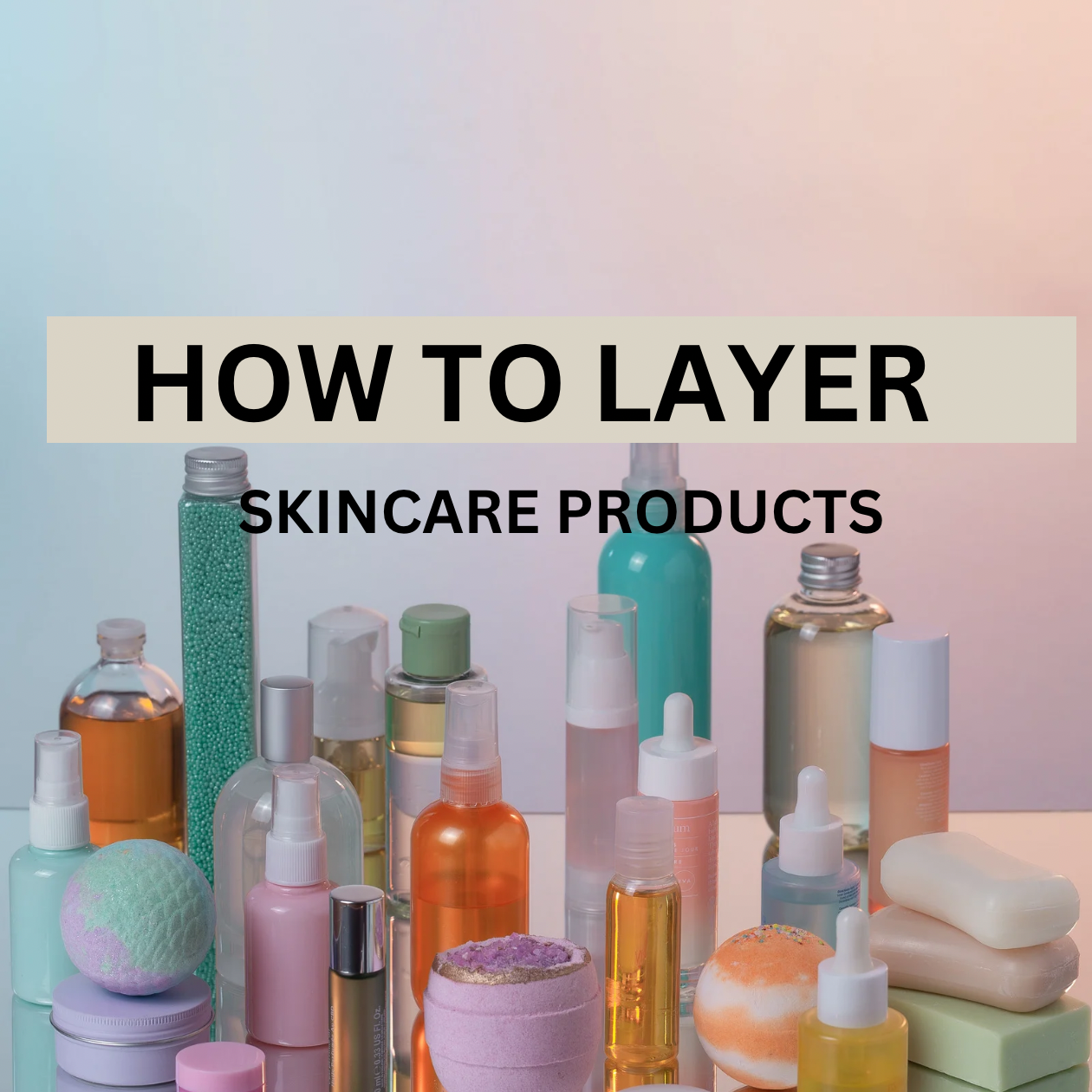
Properly layering your skincare products ensures they work effectively. Here’s a simple guide:
1. Cleanser: Always start with a clean slate.
2. Toner: Apply after cleansing to prep the skin for treatment.
3. Serums: Apply thinner, more liquid products (like serums) before thicker creams.
4. Moisturizers: Use creams or lotions to seal in hydration.
5. Sunscreen: In the morning, this is the final step.
Adjusting Your Routine for Skin Concerns
Your skin’s needs may change based on factors like stress, climate, or hormonal fluctuations. Here’s how to adjust:
• Acne Breakouts: Incorporate salicylic acid or benzoyl peroxide treatments into your routine.
• Dryness: Use richer moisturizers or hydrating masks, especially in winter.
• Anti-Aging: Consider adding retinol or peptides to your evening routine.
Ingredient Spotlight
Understanding key ingredients can help you choose the right products for your routine. Here are a few to consider:
• Niacinamide: Great for oily and combination skin; it helps to control oil and minimizes pores.
• Hyaluronic Acid: Essential for dry skin; it draws moisture into the skin and keeps it hydrated.
• Salicylic Acid: A must for acne-prone skin; it penetrates pores to clear them out.
• Retinol: Effective for anti-aging; it promotes cell turnover and reduces fine lines.
Sunscreen: The Most Important Step
Never underestimate the power of sunscreen. Applying a broad-spectrum SPF daily protects your skin from harmful UV rays, preventing premature aging and reducing the risk of skin cancer. Make sure to apply it generously every morning, even on cloudy days!
Quick Tips: FAQs
1. How long does it take to see results from skincare products?
• Answer: Results vary depending on the product and concern. For products like cleansers and moisturizers, you may see immediate effects such as smoother, hydrated skin. For treatments like retinol (anti-aging) or niacinamide (acne and oil control), it can take 4-12 weeks of consistent use to notice significant changes. Be patient—skincare is about long-term improvements!
2. Can I use multiple serums in one routine?
• Answer: Yes, but be mindful of the ingredients you’re combining. It’s best to layer serums with compatible ingredients:
• Morning: Focus on antioxidants like vitamin C to protect your skin.
• Evening: You can use retinol or acids (like salicylic acid) but avoid combining them in the same routine to prevent irritation. If you’re layering multiple serums, apply the thinnest first and follow with thicker serums or moisturizers.
3. How do I know if a product is irritating my skin?
• Answer: Signs of irritation include redness, burning, stinging, peeling, or the sudden appearance of breakouts (not purging). If you notice any of these symptoms, stop using the product and give your skin time to recover. Introduce new products slowly—one at a time—and patch test before applying them all over your face.
4. What’s the difference between a breakout and skin purging?
• Answer: Skin purging happens when a product (like retinol or acids) speeds up skin cell turnover, which can temporarily bring clogged pores to the surface. This usually clears up within 4-6 weeks. On the other hand, a breakout happens when your skin reacts poorly to an ingredient, leading to new pimples or irritation that don’t resolve quickly.
5. Can I use retinol and vitamin C in the same routine?
• Answer: It’s generally recommended to use retinol and vitamin C in separate routines because they function best in different conditions—vitamin C is ideal for daytime under sunscreen, while retinol is best suited for night to avoid sun sensitivity. Using them together can also increase the risk of irritation.
6. Should I exfoliate every day?
• Answer: No, daily exfoliation can over-exfoliate your skin, leading to irritation, redness, and damage to the skin barrier. Instead, exfoliate 2-3 times a week with gentle exfoliants, especially if you have sensitive or dry skin. For chemical exfoliants like AHAs/BHAs, use them according to your skin type and tolerance level—once or twice a week is a good starting point.
7. Do I need to reapply sunscreen throughout the day?
• Answer: Yes! If you’re spending time outdoors, reapply sunscreen every 2 hours to maintain protection. Even indoors, if you’re sitting near windows or using devices with blue light, you might still want to reapply once during the day. You can use a powder sunscreen or a sunscreen spray for easy reapplication over makeup.
8. What’s the best way to introduce new products into my routine?
• Answer: Introduce one new product at a time to observe how your skin reacts. Start with every other day for active ingredients like retinol, acids, or vitamin C to avoid irritation. After 1-2 weeks, if your skin tolerates the product well, you can increase the frequency of use. Always patch test before applying it to your face.
9. Can I skip moisturizer if I have oily skin?
• Answer: No! Even if you have oily skin, using a lightweight, oil-free or gel-based moisturizer helps keep your skin hydrated and prevents it from producing excess oil to compensate for dehydration. Skipping moisturizer can sometimes make oily skin even oilier.
10. How important is the pH of my skincare products?
• Answer: The pH of your products matters because it affects how well the ingredients work and how your skin responds. The skin’s natural pH is slightly acidic, around 4.5 to 5.5, so using products within this range helps maintain your skin barrier. Cleansers with a high pH (alkaline) can strip the skin, while acidic products like AHAs or BHAs are effective exfoliants, but should be balanced with soothing and hydrating ingredients.
Conclusion
Crafting a personalized skincare routine tailored to your skin type is essential for achieving healthy, glowing skin. By incorporating the right active ingredients and maintaining consistency, you can ensure your skin remains radiant and balanced throughout the year. Don’t forget to listen to your skin’s needs and adjust your routine as necessary to achieve the best results.