
Understanding Acne
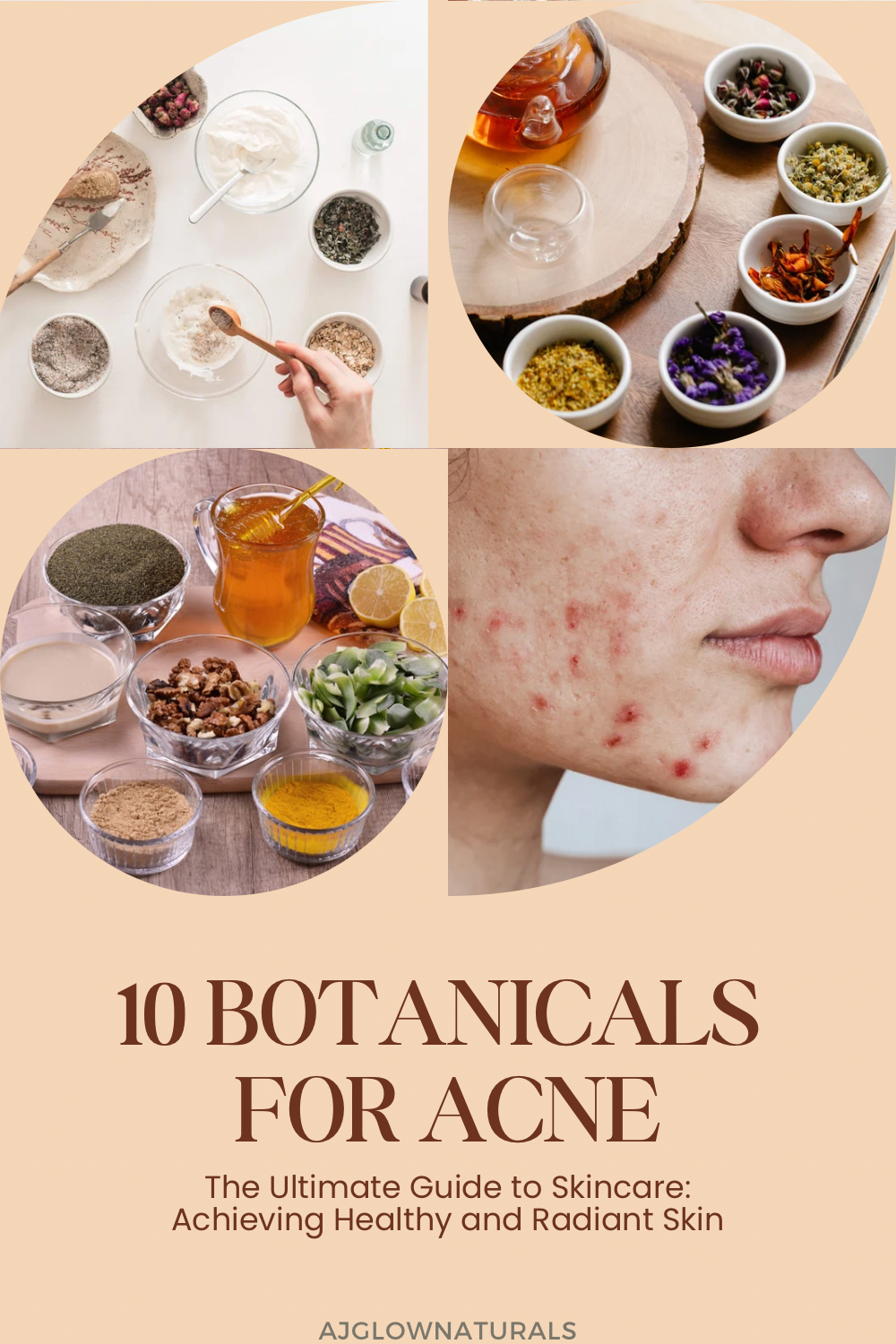
Acne—it’s one of the most common skin concerns, affecting people of all ages. But what exactly is it? Acne occurs when hair follicles become clogged with oil and dead skin cells, often resulting in whiteheads, blackheads, and inflamed pimples. Factors like excess oil production, bacteria, and inflammation can exacerbate the issue, making it a persistent problem for many.
Harnessing the Power of Botanical Ingredients in Skincare
Botanical ingredients have been celebrated for centuries for their natural skincare benefits. From soothing aloe vera to powerful antioxidants in green tea, using botanicals in your routine can enhance your skin’s health and radiance. However, many people wonder—do natural ingredients really work, and how do they compare to synthetic ingredients often found in mainstream skincare? Let’s explore this further while diving into the best botanical ingredients for each skin type.
Are Synthetic Ingredients Really Bad?
It’s a common belief that all synthetic ingredients are harmful, but that’s not entirely true. While some synthetic ingredients, such as parabens or sulfates, can be harsh on the skin, others, like retinol or hyaluronic acid, are incredibly effective and widely praised in the skincare world. In fact, many synthetic ingredients are designed to mimic the benefits of natural botanicals, offering stability and targeted results.
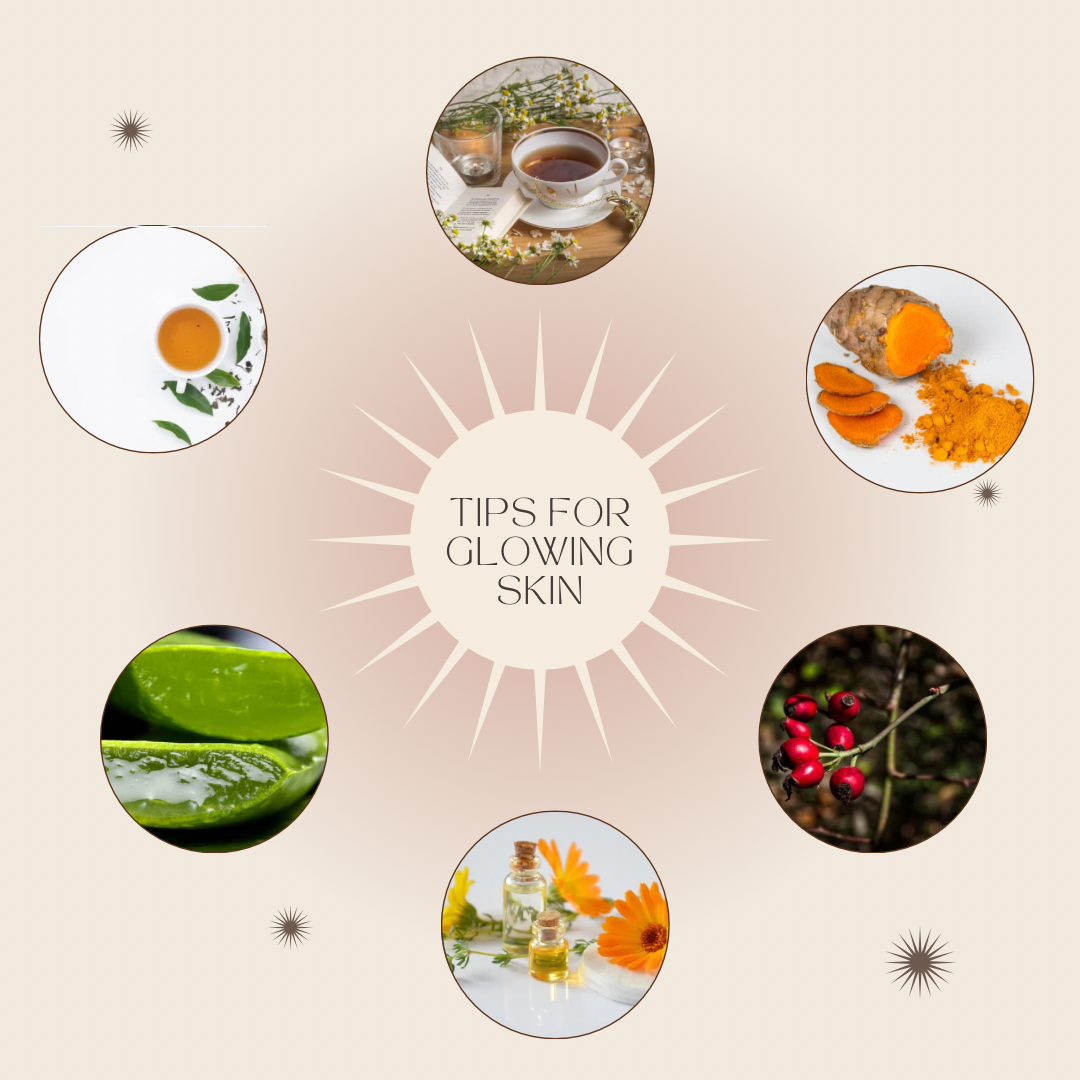
That being said, using natural ingredients like green tea extract, rosehip oil, and chamomile can often be just as effective—without some of the side effects synthetic versions may cause. The key is finding a balance between the two. Synthetic doesn’t automatically mean “bad,” but if you’re someone who loves a more natural, holistic approach to skincare, botanicals are the way to go.
Which Botanical Ingredients Should Your Skin Type Use?
Every skin type has different needs, so it’s essential to know which botanical ingredients will work best for your skin. Here’s a guide to match botanicals with your specific skin type:
1. Oily Skin
If you have oily skin, it’s crucial to choose botanicals that help balance sebum production without clogging your pores.
• Tea Tree Oil: Known for its antibacterial properties, tea tree oil can help reduce acne-causing bacteria while controlling excess oil.
• Witch Hazel: This natural astringent helps tighten pores and remove excess oil without over-drying.
• Green Tea Extract: Rich in antioxidants, green tea helps regulate oil production and soothe inflammation, making it a great choice for oily skin.
2. Dry Skin
For dry skin, you’ll want to focus on deeply hydrating and nourishing botanicals to restore moisture and repair the skin barrier.
• Rosehip Seed Oil: Packed with essential fatty acids, rosehip oil hydrates dry skin and improves texture without feeling greasy.
• Calendula: This soothing herb helps lock in moisture and promote healing, making it perfect for sensitive, dry skin.
• Aloe Vera: A hydrating, calming botanical that delivers moisture directly to your skin cells, aloe vera also helps repair and soothe dry patches.
3. Combination Skin
Combination skin requires a balance—treating oiliness in some areas while providing hydration where needed.
• Jojoba Oil: Jojoba oil is a lightweight oil that mimics your skin’s natural sebum, helping regulate both dry and oily areas.
• Lavender: With its soothing and balancing properties, lavender oil can calm irritation while keeping excess oil production under control.
• Chamomile: Perfect for calming inflammation in areas prone to breakouts, while also hydrating dry patches.
4. Sensitive Skin
Sensitive skin needs gentle, calming ingredients to reduce irritation and redness without causing further damage.
• Chamomile: Its anti-inflammatory properties soothe irritated skin, making it ideal for redness and sensitivity.
• Calendula: Calendula’s healing and anti-inflammatory properties help calm sensitive skin and prevent flare-ups.
• Aloe Vera: Aloe is incredibly gentle and helps cool and soothe sensitive skin, reducing irritation and redness.
5. Acne-Prone Skin
When dealing with acne-prone skin, you need botanicals that can fight bacteria, reduce inflammation, and prevent future breakouts.
• Turmeric: Known for its potent anti-inflammatory and antibacterial properties, turmeric is a powerhouse for treating acne and reducing redness.
• Tea Tree Oil: A go-to for acne, tea tree oil fights acne-causing bacteria and helps clear up breakouts without over-drying the skin.
• Green Tea Extract: Antioxidant-rich green tea helps calm inflamed acne, regulate sebum, and reduce the appearance of acne scars.
Botanicals Suitable for All Skin Types
If you’re unsure of your skin type or want a botanical that works across the board, there are several all-star ingredients that benefit everyone.
• Aloe Vera: Its hydrating, calming, and healing properties make aloe vera a must-have for any skincare routine.
• Calendula: Gentle enough for all skin types, calendula helps soothe, hydrate, and protect the skin.
• Green Tea Extract: Universally beneficial, green tea fights inflammation, calms redness, and provides antioxidant protection, making it suitable for all skin types.
10 Powerful Botanical Ingredients for Glowing, Healthy Skin
1. Aloe Vera
Benefits:
Aloe Vera is a superstar in skincare for its cooling, hydrating, and healing properties. It works wonders on sunburns, soothes irritation, and provides lightweight hydration without clogging pores—making it ideal for all skin types, particularly oily or sensitive skin.
How to Use:
• Aloe Vera Gel: Apply pure aloe vera gel directly to the skin as a daily moisturizer or spot treatment for sunburn or irritation.
• DIY Hydrating Mask: Mix 2 tablespoons of aloe vera gel with 1 tablespoon of honey and a teaspoon of lemon juice. Apply this soothing mask for 15-20 minutes to hydrate and brighten your skin.
Frequency: Use daily as a moisturizer or soothing treatment.
2. Green Tea Extract
Benefits:
Packed with antioxidants, green tea extract helps protect the skin from environmental damage, reduces redness, and soothes inflammation. It’s perfect for those dealing with sensitive or acne-prone skin.
How to Use:
• Green Tea Toner: Brew a cup of green tea, let it cool, and transfer it into a spray bottle to use as a refreshing toner post-cleansing.
• DIY Detox Mask: Combine 2 tablespoons of green tea with 1 tablespoon of bentonite clay to form a detoxifying mask. Apply for 10-15 minutes before rinsing off.
Frequency: Use 2-3 times a week for best results.
3. Chamomile
Benefits:
Chamomile isn’t just for tea—it’s a fantastic skin soother. Its calming and anti-inflammatory properties make it the perfect ingredient for anyone with sensitive, dry, or irritated skin.
How to Use:
• Chamomile Tea Rinse: Brew chamomile tea, let it cool, and use it as a final rinse after cleansing your face. It calms irritation and leaves your skin feeling refreshed.
• Soothing Compress: Soak a cloth in chamomile tea and apply it to inflamed skin for 10-15 minutes for instant relief.
Frequency: Use as needed for irritation or redness.
4. Turmeric
Benefits:
Turmeric is a potent anti-inflammatory agent that helps brighten the complexion, reduce acne, and fade scars. It’s particularly effective for treating uneven skin tone and pigmentation.
How to Use:
• DIY Brightening Mask: Mix 1 teaspoon of turmeric with 2 tablespoons of yogurt or honey for a brightening face mask. Apply for 10-15 minutes and rinse with warm water.
• Spot Treatment: For pesky pimples, mix a little turmeric with water and apply directly to the blemish.
Frequency: Use 1-2 times a week to brighten skin and treat pigmentation.
5. Rosehip Seed Oil
Benefits:
Rosehip seed oil is loaded with vitamins A and C, which help reduce the appearance of scars, even out skin tone, and deeply hydrate. It’s a must-have for anti-aging routines.
How to Use:
• Facial Moisturizer: Apply a few drops of rosehip oil to your face after cleansing, massaging it in to hydrate and repair the skin overnight.
• DIY Serum: Mix rosehip oil with jojoba oil for a nourishing serum that gives your skin a radiant glow.
Frequency: Use nightly to lock in moisture and promote skin regeneration.
6. Lavender
Benefits:
Lavender is known for its soothing, anti-acne, and calming properties. Its relaxing scent also makes it a go-to for unwinding after a stressful day.
How to Use:
• Calming Face Mask: Mix 2 tablespoons of dried lavender with bentonite clay and water to create a relaxing mask that helps reduce inflammation and acne.
• Lavender Essential Oil: Dilute a few drops of lavender oil with a carrier oil like sweet almond oil and apply to the skin for a calming effect, or use it in a diffuser to help you relax.
Frequency: Use lavender-based masks 1-2 times per week or as needed for stress relief.
7. Calendula
Benefits:
Calendula is a gentle, anti-inflammatory herb that soothes dry, cracked, or irritated skin. It’s particularly helpful for those with eczema, dermatitis, or minor wounds.
How to Use:
• Infused Oil: Infuse dried calendula flowers in a carrier oil like coconut or olive oil for a couple of weeks. Strain and use as a skin-soothing moisturizer or healing salve.
• Healing Salve: Combine calendula-infused oil with beeswax to make a rich salve perfect for treating cuts, scrapes, or dry patches.
Frequency: Use as needed to heal and protect dry or damaged skin.
8. Matcha Powder
Benefits:
Matcha powder, a concentrated form of green tea, is brimming with antioxidants. It helps protect against free radicals, reduces inflammation, and promotes a bright, youthful complexion.
How to Use:
• Matcha Face Mask: Combine 1 teaspoon of matcha powder with 2 tablespoons of honey for a hydrating, antioxidant-rich mask.
• Exfoliating Scrub: Mix matcha with sugar and coconut oil for a gentle body exfoliant that buffs away dead skin cells while deeply nourishing.
Frequency: Use 1-2 times a week to maintain a radiant glow.
9. Bamboo Powder
Benefits:
Bamboo powder is a natural exfoliant packed with silica, a mineral that boosts collagen production, improves skin elasticity, and leaves your skin feeling silky smooth.
How to Use:
• Exfoliating Scrub: Mix bamboo powder with water or yogurt to form a paste and gently massage onto your skin in circular motions. This will slough off dead skin cells and promote a smoother texture.
• Detoxifying Mask: Blend bamboo powder with clay for a detoxifying mask that leaves your skin refreshed and rejuvenated.
Frequency: Use 1-2 times a week for gentle exfoliation.
10. Hibiscus Powder
Benefits:
Known as the “botox plant,” hibiscus is rich in antioxidants that promote skin elasticity, reduce fine lines, and offer natural exfoliation for a glowing complexion.
How to Use:
• DIY Face Mask: Mix hibiscus powder with honey or yogurt and apply to your skin for 15 minutes. The natural acids in hibiscus gently exfoliate, revealing smoother, firmer skin.
• Hair Rinse: Brew hibiscus tea and use it as a final rinse for your hair after shampooing to add shine and hydrate your strands.
Frequency: Use 1-2 times a week for skin treatments and hair care.
Final Tips for Incorporating Botanicals into Your Skincare Routine
• Patch Test First: Always perform a patch test before introducing a new botanical ingredient into your routine to ensure your skin doesn’t react negatively.
• Freshness Matters: For DIY preparations, always store your creations in a cool, dark place to maintain their potency.
• Dilution for Essential Oils: When using essential oils like lavender, always dilute them in a carrier oil to prevent irritation.
Do Botanicals Really Work?
Yes! Natural botanicals are packed with bioactive compounds that can significantly improve skin health. Some botanicals help regulate oil production (like tea tree oil), others fight bacteria (like turmeric), while some provide soothing hydration (like aloe vera). By incorporating these into your skincare routine, you can target the root causes of acne while promoting overall skin balance.
However, patience is key! While synthetic products may show quick (and sometimes harsh) results, botanicals work in harmony with your skin’s natural processes. So, while you may not see overnight results, you’ll be nurturing your skin from the inside out. Typically, it can take anywhere from 4 to 8 weeks of consistent use to see significant improvements, but many users notice their skin looking calmer and healthier within the first couple of weeks.
Final Thoughts on Natural vs. Synthetic
Incorporating botanical ingredients into your skincare routine can deliver remarkable results while minimizing potential irritation. But don’t completely dismiss synthetic ingredients—many are designed to offer superior results and may be the key to solving tough skin issues. The best approach is often a balanced one, where you reap the calming and nourishing benefits of botanicals while integrating powerful synthetic actives like retinol or niacinamide.
Ready to dive deeper into botanical skincare? Don’t forget to check out my eBook for more DIY skincare tips, and stay tuned for more natural recipes and expert skincare advice! As always, I love hearing your feedback, so feel free to share your experiences and results with these powerful ingredients. And if you’re curious about how to balance natural and synthetic ingredients in your skincare, leave a comment below—I’d love to chat!