
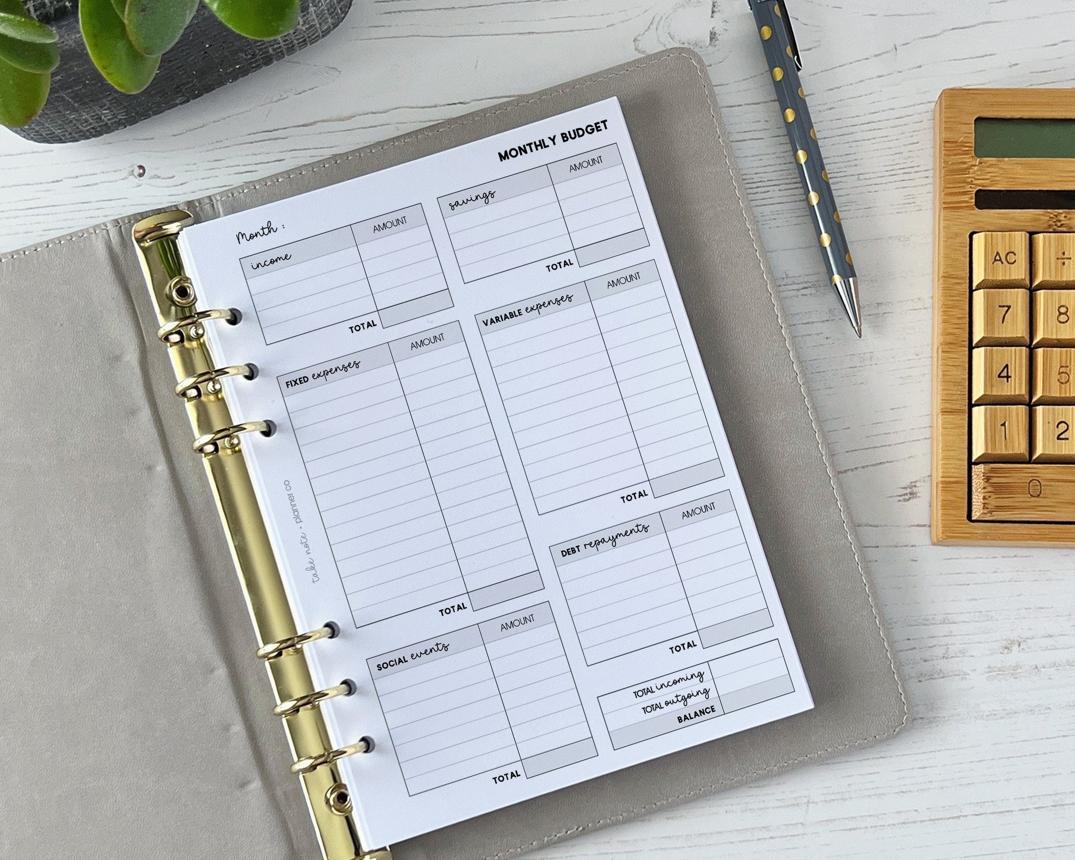
Managing money is not always easy. Between monthly bills, groceries, transportation, savings, and unexpected expenses, it can sometimes feel like your income disappears before the month ends. This is why having a monthly budget plan for 2027 can make a real difference.
A budget plan does not mean you have to stop enjoying life or avoid spending money on things you need. Instead, it helps you understand where your money goes and make better decisions about how to use it.
Whether you have a regular salary, run a small business, work as a freelancer, or have different sources of income, creating a monthly budget can help you stay financially organized.
What Is a Monthly Budget Plan?
A monthly budget plan is a financial guide that helps you organize your income, expenses, savings, and financial goals over a month.
It allows you to see how much money you receive, how much you spend, and how much you can save.
For example, if you receive $1,000 in a month, you can divide that money between essential expenses, personal spending, savings, and other financial responsibilities.
The purpose is to give every part of your income a clear direction rather than spending without a plan.
Why Is a Monthly Budget Important in 2027?
Financial responsibilities can change throughout the year. Prices, personal needs, and unexpected expenses can affect your monthly finances.
A budget helps you:
- Understand your spending: Identify where most of your money goes.
- Control unnecessary expenses: Recognize spending habits that affect your finances.
- Build savings: Set aside money regularly for future needs.
- Manage bills: Organize payment dates and avoid forgetting important expenses.
- Work toward financial goals: Plan for an emergency fund, debt payments, or future purchases.
How to Organize Your Monthly Budget
You do not need complicated financial software to create a useful budget. A simple worksheet or printable planner can help you get started.
1. Monthly Income
Write down all the money you expect to receive during the month. Include your salary, business income, freelance payments, or other sources.
2. Monthly Expenses
List your regular expenses, including rent, food, transportation, electricity, internet, and other bills.
3. Savings Goals
Decide how much money you want to save each month. Even a small amount can become meaningful when you make saving a regular habit.
4. Debt and Financial Responsibilities
If you have outstanding debts, include their payments in your monthly budget. This helps you understand your financial commitments.
Make 2027 a More Organized Financial Year
One useful habit is reviewing your budget at the end of every month. Look at what went well, where you spent more than expected, and what you could improve next month.
Remember, your first budget does not have to be perfect. Your financial situation may change, so allow yourself to adjust your plan when necessary.
Make Budget Planning Easier with a Printable Planner
Keeping your financial information in different notebooks or trying to remember every expense can become confusing.
A printable Monthly Budget Planner gives you a simple way to organize everything in one place.
My Monthly Budget Planner is designed to help you:
- Record your monthly income and expenses.
- Track your daily spending.
- Set and monitor savings goals.
- Follow a 30-day savings challenge.
- Review your monthly financial progress.
Get Your Monthly Budget Planner
Ready to organize your finances and develop better budgeting habits?
My printable Monthly Budget Planner can help you take the first step toward a more organized financial life.
Get your copy here:
Start planning today and make every month count!