
Think Your Braiding Hair Is Safe? Read This Before Your Next Install
The Hidden Dangers of Synthetic Braiding Hair That Could Be Costing You Clients—And Your Health
Introduction
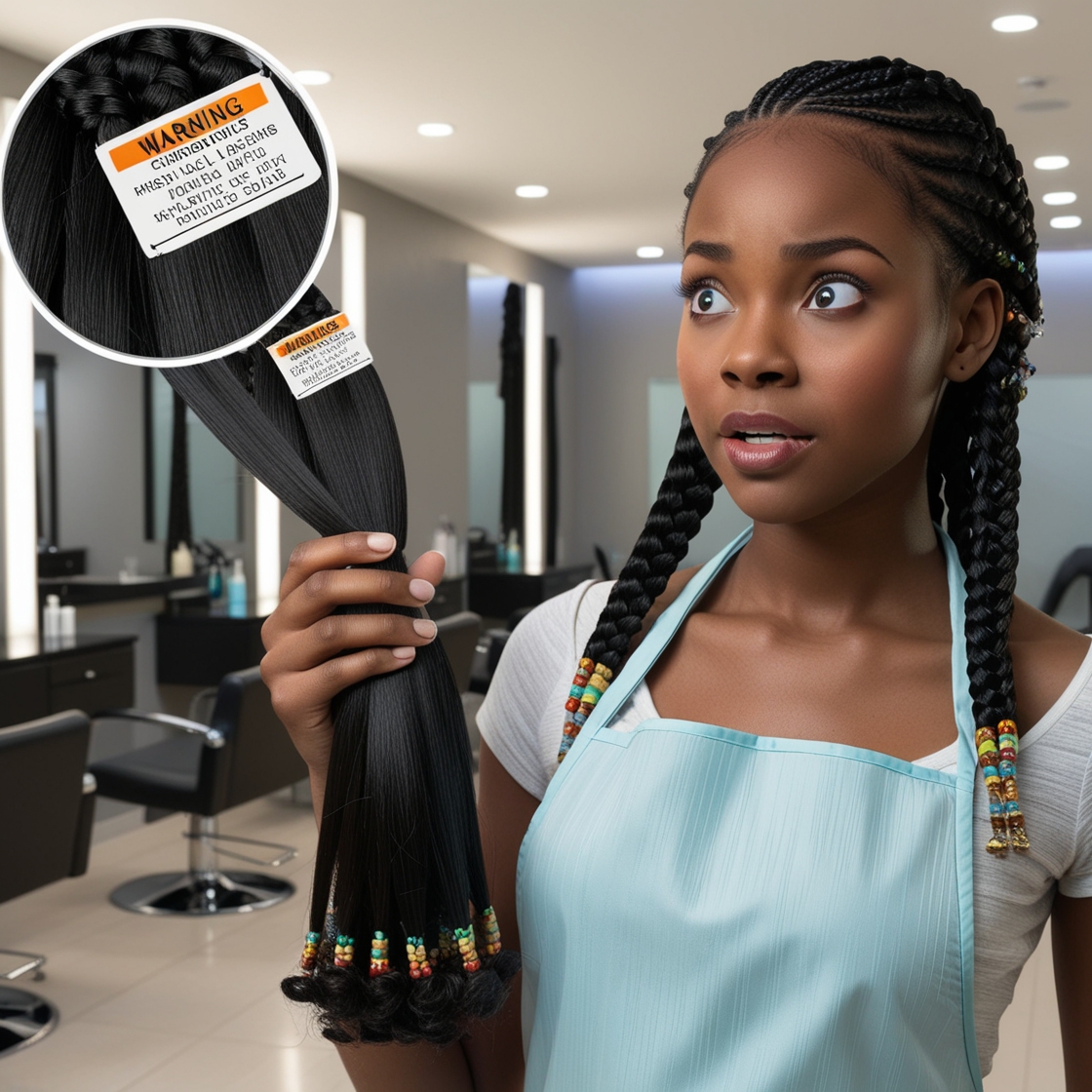
As a stylist, you take pride in giving your clients beautiful, long-lasting styles. You invest in quality hair, perfect your technique, and build relationships with customers who trust you with their crown. But what if the very hair you’re using is harming both you and your clients?
Recent studies and firsthand reports have exposed toxic chemicals in synthetic braiding hair—and the effects could be devastating. From scalp burns and allergic reactions to respiratory issues and long-term health risks, the dangers lurking in synthetic hair are real.
If you think your braiding hair is safe, it’s time to take a closer look before your next install.
What’s Really in Synthetic Braiding Hair?
Most synthetic braiding hair is made from Kanekalon, Toyokalon, or other plastic-based fibers that are chemically treated to achieve a natural hair-like texture. While these materials are designed to be durable and lightweight, many brands use harsh industrial-grade chemicals, flame retardants, and coatings that can wreak havoc on the scalp, skin, and even the lungs.
Common Chemicals Found in Synthetic Hair
1. Alkylphenols & Phthalates – Hormone disruptors linked to reproductive issues.
2. Formaldehyde – A known carcinogen that can cause scalp irritation, hair loss, and respiratory problems.
3. Toluene & Xylene – Toxic solvents that can lead to headaches, nausea, and neurological damage.
4. Flame Retardants – Chemicals added to synthetic hair that may trigger allergic reactions, respiratory distress, and long-term toxicity.
These chemicals don’t just sit on the hair—they leach into the skin, get inhaled during styling, and build up in the body over time.
The Health Risks Stylists & Clients Face
If you or your clients have ever experienced itchy, inflamed scalps, difficulty breathing, or excessive hair shedding after a braiding install, your braiding hair could be to blame.
Short-Term Symptoms of Toxic Hair Exposure
• Scalp burning, itching, or rashes
• Difficulty breathing or asthma flare-ups
• Headaches, dizziness, or nausea
• Eye irritation and watery eyes
Long-Term Health Risks
• Increased risk of alopecia due to scalp inflammation
• Hormonal imbalances linked to toxic chemical exposure
• Respiratory conditions from inhaling chemical fumes daily
• Chronic skin conditions and sensitivity
For stylists who handle synthetic hair every day, the risk is even greater. Your hands, lungs, and overall health could be suffering—without you even realizing it.
How to Protect Yourself and Your Clients
1. Switch to Non-Toxic Braiding Hair Brands
Many companies now offer chemical-free, hypoallergenic synthetic hair options. Look for brands that are free from formaldehyde, alkaline coatings, and other harmful additives.
2. Pre-Treat Braiding Hair Before Install
If switching brands isn’t an immediate option, try soaking synthetic hair in a mixture of:
• Apple cider vinegar (ACV) and water (1:3 ratio) to remove chemical coatings.
• Warm water and baking soda to neutralize irritants.
Let the hair soak for 15-30 minutes, rinse thoroughly, and allow it to air dry before use.
3. Wear Protective Gloves & Masks When Handling Synthetic Hair
Stylists should wear gloves when handling raw synthetic hair and a mask when braiding to reduce inhalation of chemical fumes.
4. Educate Your Clients on Safe Hair Choices
Your clients trust you. Make it a habit to educate them on the risks of low-quality braiding hair and offer safer alternatives. This will not only protect their health but also build your credibility and set you apart as a professional.
5. Invest in Insurance & Training
If a client experiences a severe reaction and takes legal action, liability insurance for stylists is crucial. Also, staying informed through training on non-toxic hair care can help protect both you and your clients from unnecessary risks.
The Bottom Line: Stop Ignoring the Risks
Braiding hair is an essential part of many stylists’ businesses, but not all hair is created equal. The dangerous chemicals in synthetic hair can lead to real health problems—for both stylists and clients.
As professionals, it’s our responsibility to make informed choices. By switching to safer alternatives, pre-treating hair, wearing protective gear, and educating clients, we can protect our health, our businesses, and our future.
Are You Ready to Make the Switch?
If you’re serious about protecting your health and your clients, consider switching to non-toxic braiding hair, getting insured, and staying educated on safe styling practices.
Your hands, your lungs, and your career depend on it.
Want to Learn More?
Join our free training on non-toxic braiding hair alternatives and get access to a list of the safest synthetic hair brands on the market!
➡ Click here to sign up now!
https://form.jotform.com/playmakersmarketingfirm/synthetic-hair-product-experience-a