

As an author navigating the digital world, it’s essential to understand the different tools available to connect with your readers and promote your work. Among these tools, landing pages, blogs, and web stores each serve unique purposes, and knowing how to use them effectively can elevate your online presence. Let’s break down what each one does and how you can leverage them to build your author brand.
1. The Landing Page: Your Digital First Impression
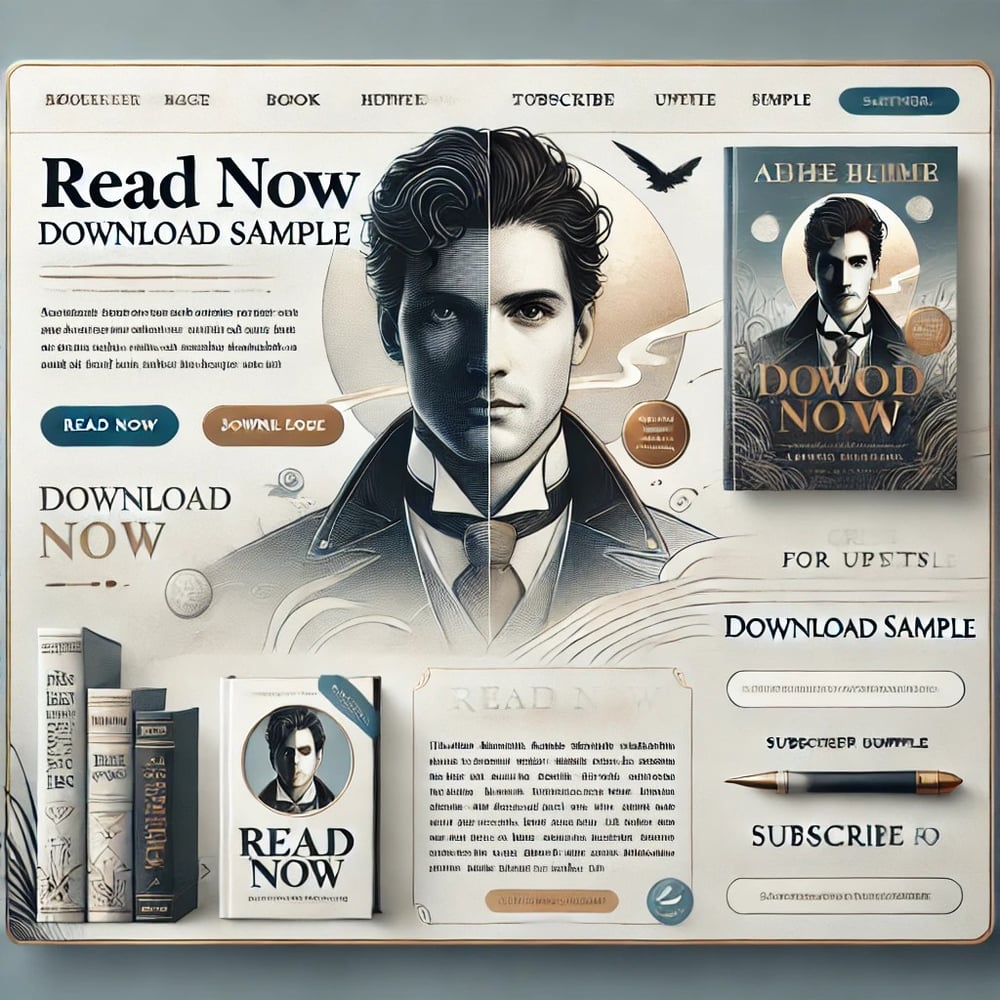
A landing page is often the first point of contact for readers discovering your work. Think of it as your virtual business card, specifically designed to capture attention and guide visitors toward a specific action.
Key Features:
- Focused Purpose: Typically centered on a single goal, such as signing up for your newsletter, downloading a free chapter, or promoting a new book release.
- Clean Design: Minimal distractions with a clear call-to-action (CTA).
- Targeted Messaging: Tailored to a specific audience or campaign.
Example for Authors:
Imagine you’ve just released a new novel. Your landing page could feature the book’s cover, a compelling synopsis, testimonials, and a CTA like, “Buy Now” or “Download the First Chapter Free.” It’s not a place for lengthy updates or other content—the focus is laser-sharp.
Platforms to Create Landing Pages:
- Wix: Intuitive drag-and-drop editor with customizable templates.
- Squarespace: Sleek designs and integrated marketing tools.
- SITE123: Quick and easy setup with pre-made templates.
- ConvertKit: Tailored for creators, with email marketing integration.
- Leadpages: Focused on high-converting landing pages with user-friendly templates.
2. The Blog: Sharing Your Voice and Building Connections
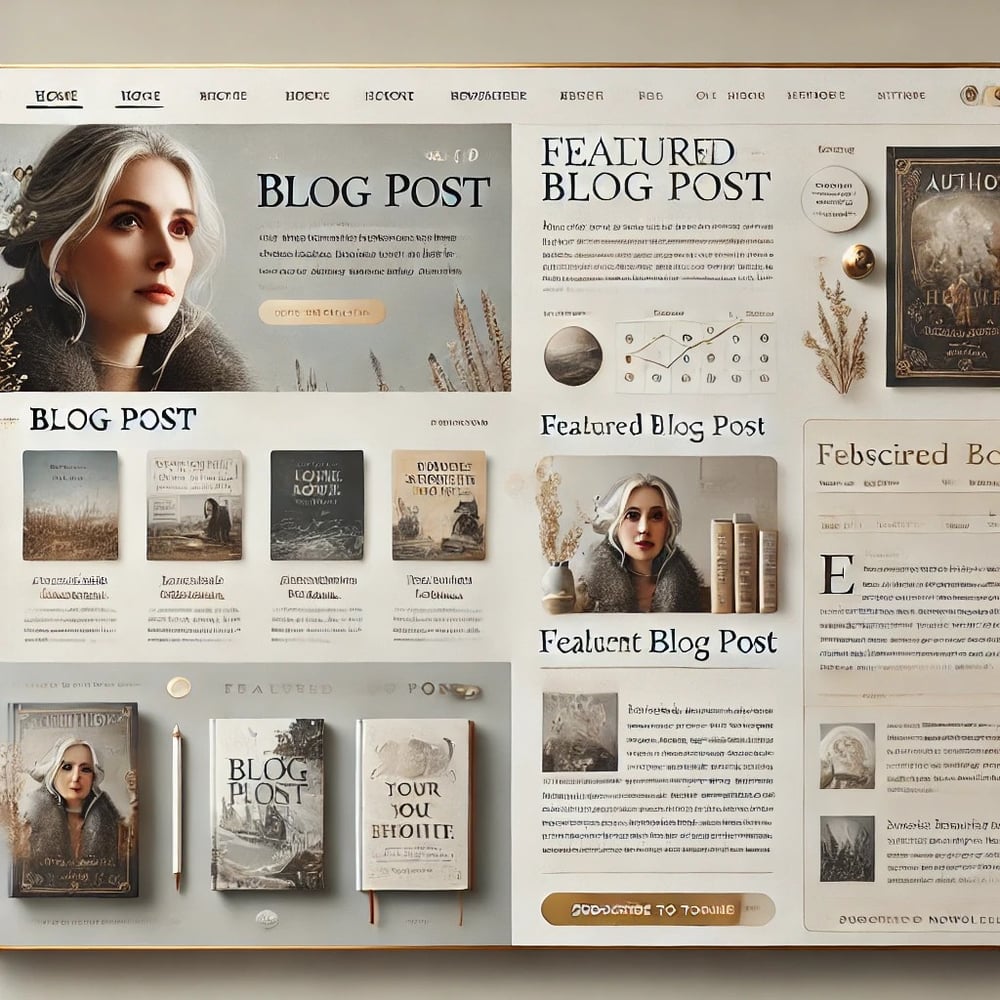
A blog is your creative space to share thoughts, stories, and updates. It’s where you can foster a deeper connection with your audience by letting them into your world.
Key Features:
- Dynamic Content: Regularly updated with posts about your writing process, character insights, book recommendations, or personal reflections.
- SEO Benefits: Helps your website rank higher on search engines, making it easier for new readers to discover you.
- Engagement Opportunities: Encourages comments and discussions, fostering a sense of community.
Example for Authors:
You could write a blog post about your inspiration for a character in your latest novel or share tips for aspiring writers. Over time, your blog becomes a treasure trove of content that keeps readers returning for more.
Platforms to Start a Blog:
- WordPress: The most popular blogging platform, offering both free and paid options with extensive customization.
- Medium: A user-friendly platform for writers to share content and reach a built-in audience.
- Blogger: A simple, free platform by Google, ideal for beginners.
- Squarespace: Combines blogging with beautiful templates and integrated tools.
- Substack: A platform designed for writers who want to monetize their blogs through newsletters.
3. The Web Store: Turning Browsers Into Buyers
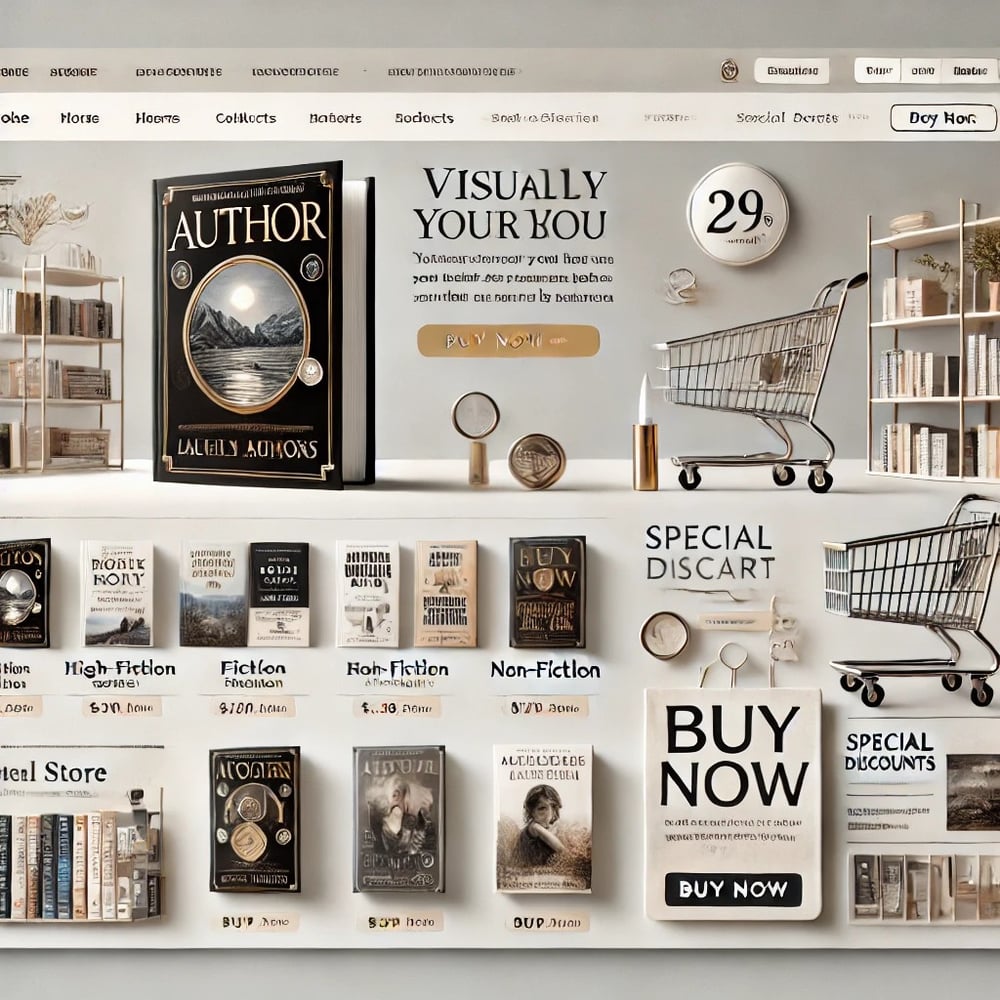
A web store is your virtual shopfront, where readers can purchase your books, merchandise, or services directly.
Key Features:
- E-Commerce Functionality: Includes product listings, pricing, shopping carts, and payment processing.
- Clear Organization: Categories for different products (e.g., paperback, eBooks, audiobooks, merchandise).
- Promotional Opportunities: Offers discounts, bundles, or exclusive signed editions.
Example for Authors:
Your web store might feature all your books, divided by series or format, alongside limited-edition bookmarks or signed copies. Integrating a store allows you to maintain control over sales and build direct relationships with your readers.
Platforms to Create a Web Store:
- Shopify: A popular e-commerce platform with tools for authors to sell books and merchandise.
- BigCommerce: Offers robust e-commerce features and scalability.
- Etsy: Ideal for selling handmade or unique items like signed copies or custom bookmarks.
- Squarespace: Includes integrated e-commerce functionality with beautifully designed templates.
- Payhip: A simple platform for selling digital and physical products directly.
Note: I am currently using Payhip to host my site, which includes my blog and web store. It provides a user-friendly way to manage and integrate all aspects of my author platform in one place.
How They Work Together
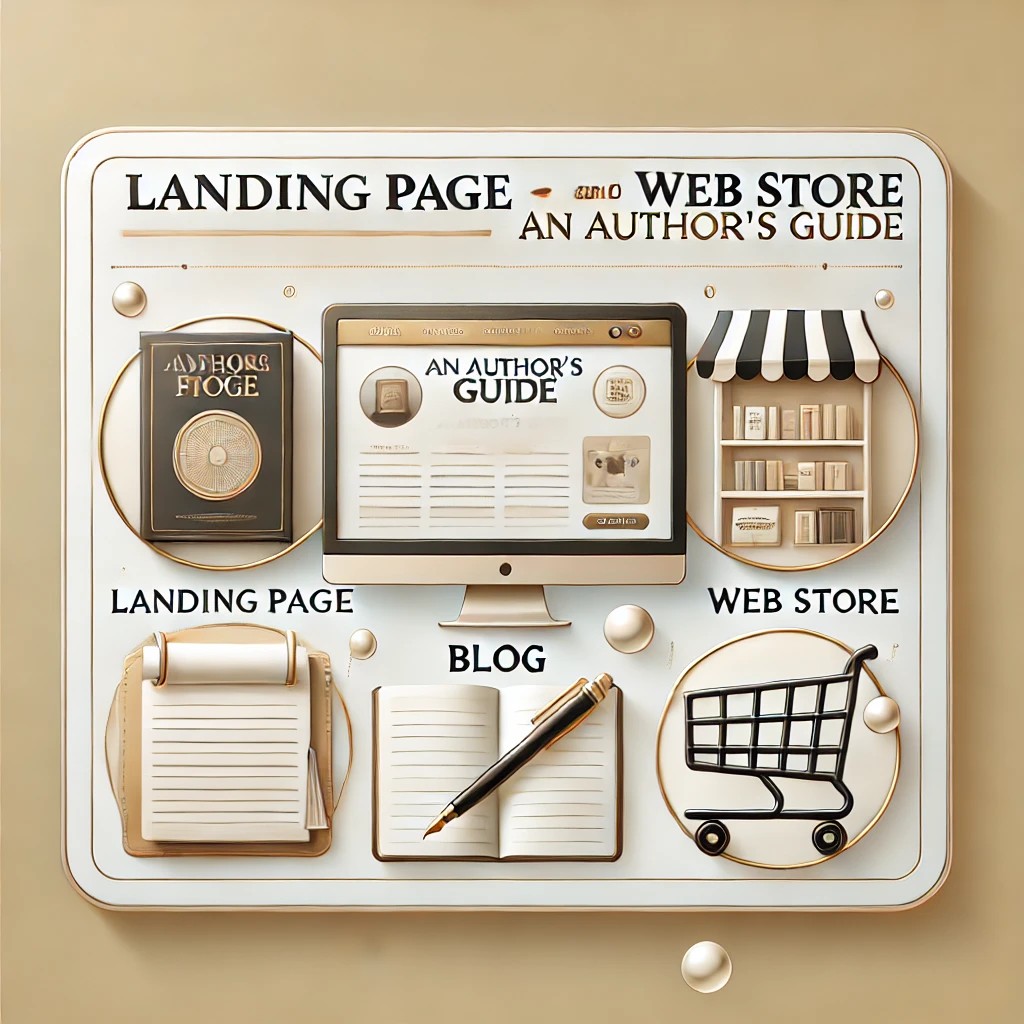
Each of these tools plays a vital role in your online strategy:
- Use landing pages to promote specific campaigns (like a new book launch).
- Maintain a blog to engage your audience and build long-term relationships.
- Set up a web store to monetize your efforts and offer exclusive items to your fans.
When combined, these elements create a cohesive online presence that supports your goals as an author—whether that’s growing your audience, sharing your journey, or boosting sales. By understanding the unique purposes of each, you can use them to their fullest potential and thrive in the digital landscape.
Are you ready to take the next step in building your author platform? Start by defining your goals and deciding which tool fits your current needs. And remember, the most successful authors are those who blend creativity with strategy, making every page—digital or printed—count.
Comments ()