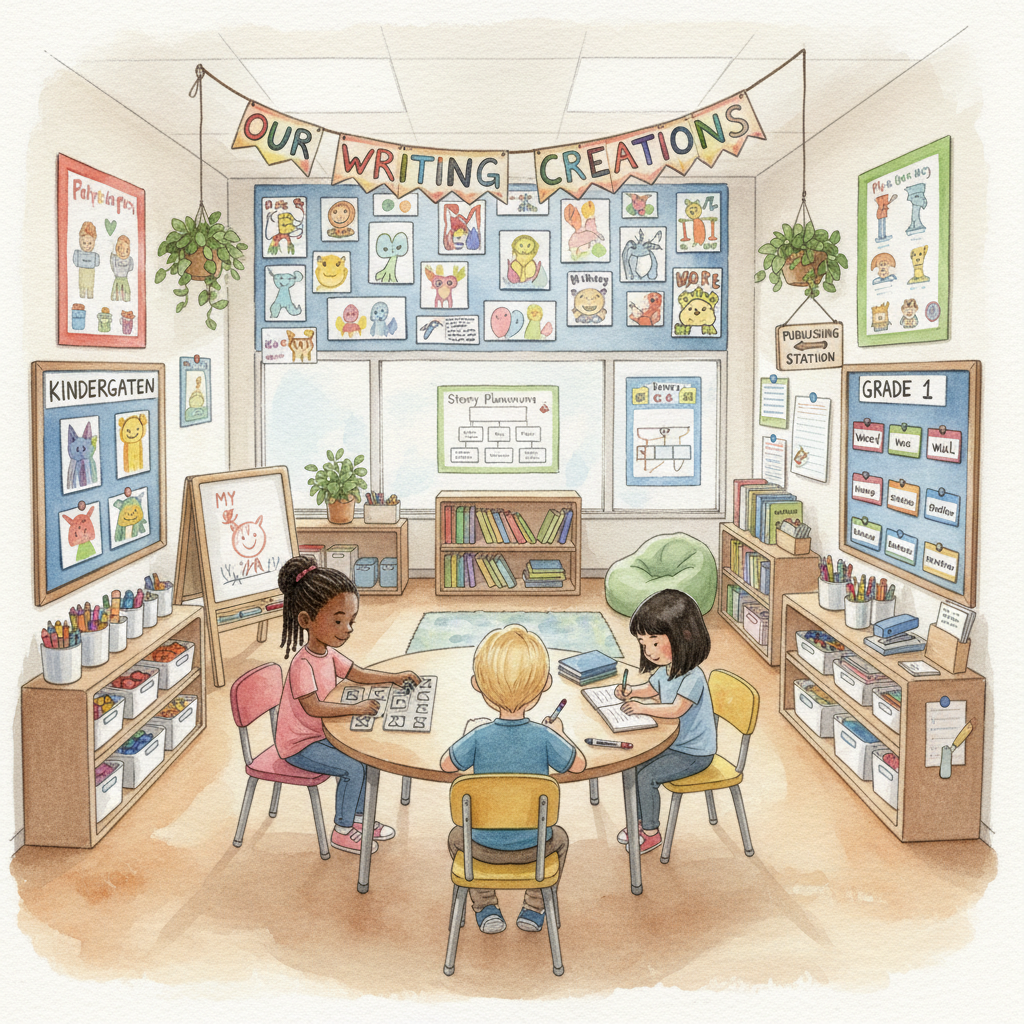
Writing centers are not just quiet corners with paper and pencils.
When thoughtfully designed, they become powerful learning spaces that help children build confidence, develop language skills, and form a positive relationship with writing step by step.
In Kindergarten, Grade 1, and Grade 2, writing looks quite different at each stage.
Therefore, a successful writing center is one that takes developmental progression into account while maintaining student engagement and independence in the classroom.
Why Are Writing Centers Important in Early Grades?
Well-designed writing centers play a crucial role in supporting student learning. They help with:
- Developing fine motor skills and handwriting, through activities like cutting, pasting, and proper pencil control, which lay the foundation for smoother writing.
- Enhancing phonics and spelling skills by repeatedly connecting sounds to letters in a structured and purposeful way.
- Encouraging creativity and self-expression, providing students with a safe space to express their ideas, drawings, and words.
- Providing opportunities for individual work and small-group collaboration, allowing for independent learning or targeted support as needed.
- Aligning naturally with the Science of Reading, through organized, explicit, and systematic activities.
When writing activities are clear and structured, students do not feel overwhelmed or confused—they feel capable and successful.
Writing Center Ideas for Kindergarten
Focus: Writing Readiness and Phonemic Awareness
At this stage, writing is closely linked to drawing, oral language, and phonics activities. Children begin to understand that written symbols represent sounds and meaning.
Highly effective activities include:
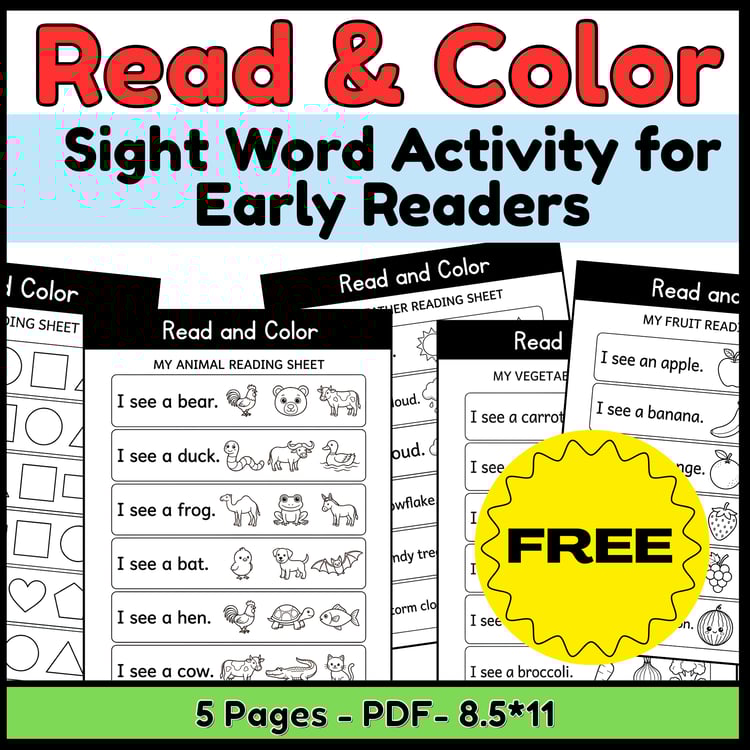
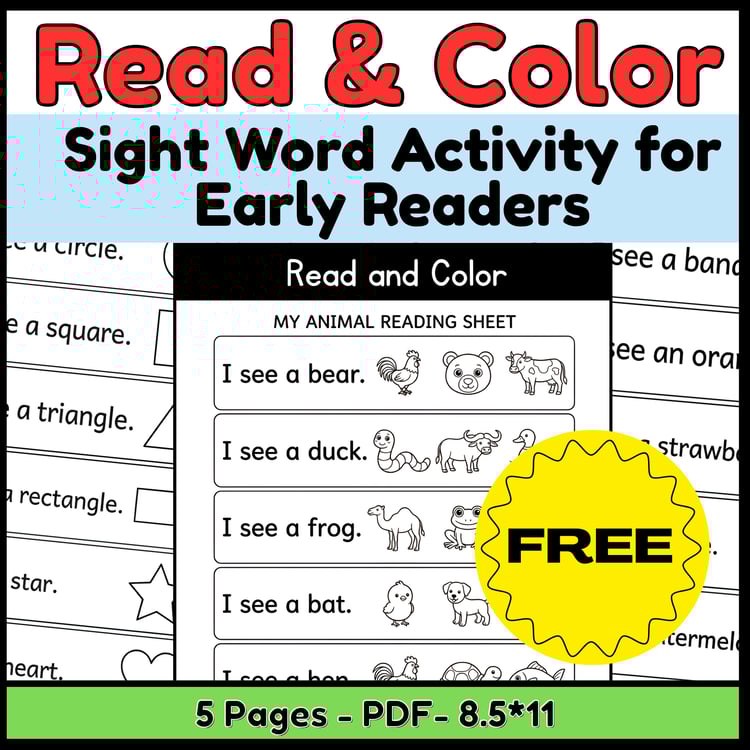
- Labeling pictures to help children connect images with written words.
- Building words using letter cards and then writing them, which strengthens letter recognition and practical application.
- Using simple sentence frames such as “I see a ___” to support guided writing and build confidence.
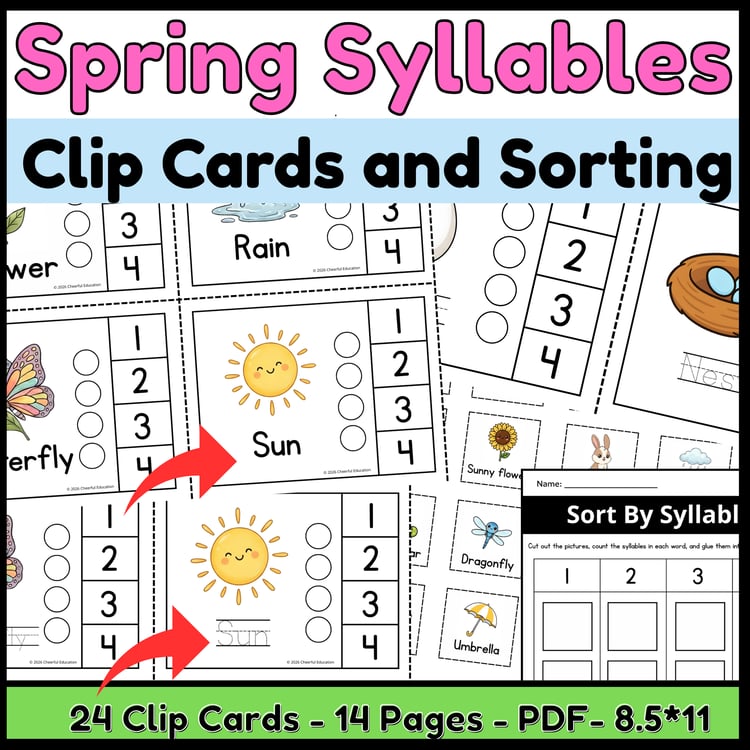
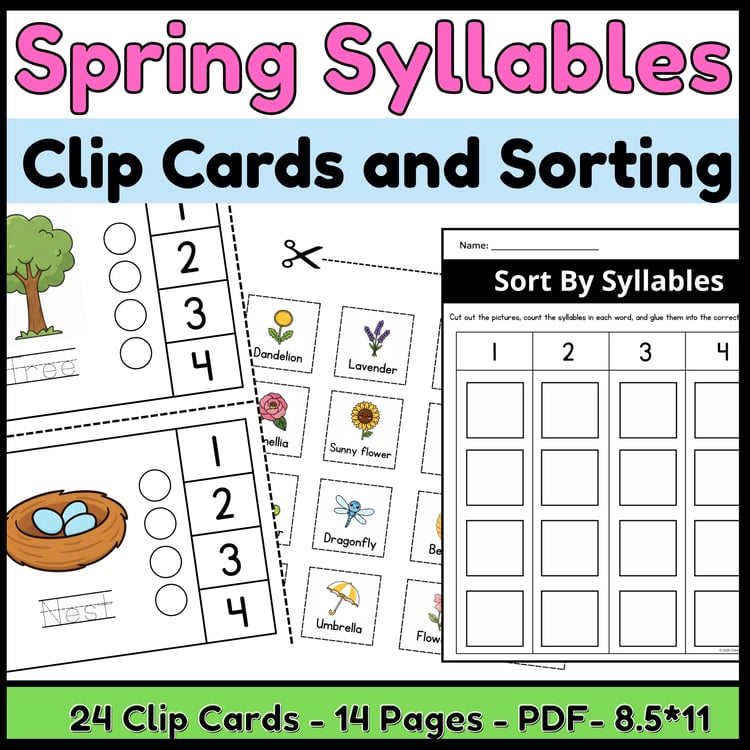
- Sound-stretch boxes for writing letters according to sounds, an essential step in developing phonemic awareness.
- Drawing a picture and writing a single matching word to naturally link drawing with writing.
These activities help children realize that writing is not complicated—it is simply a way to turn thoughts and sounds into written words.
Writing Center Ideas for Grade 1
Focus: Phonics-Based Spelling and Sentence Building
First graders gradually move from writing single words to forming full, clear sentences while increasing their awareness of basic writing conventions.
Effective activities include:
- Writing words according to studied phonics patterns, such as CVC words, consonant blends, and digraphs, to improve reading accuracy.
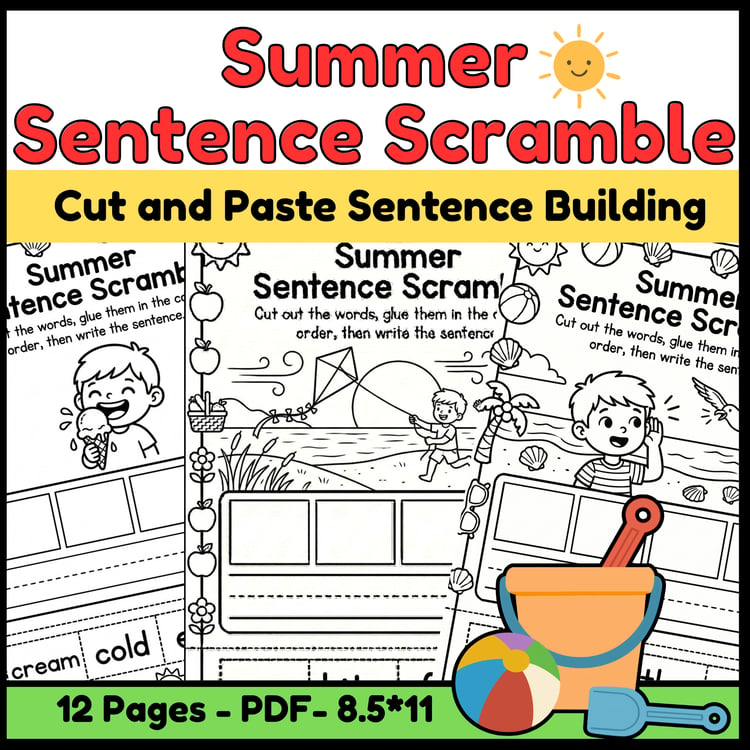
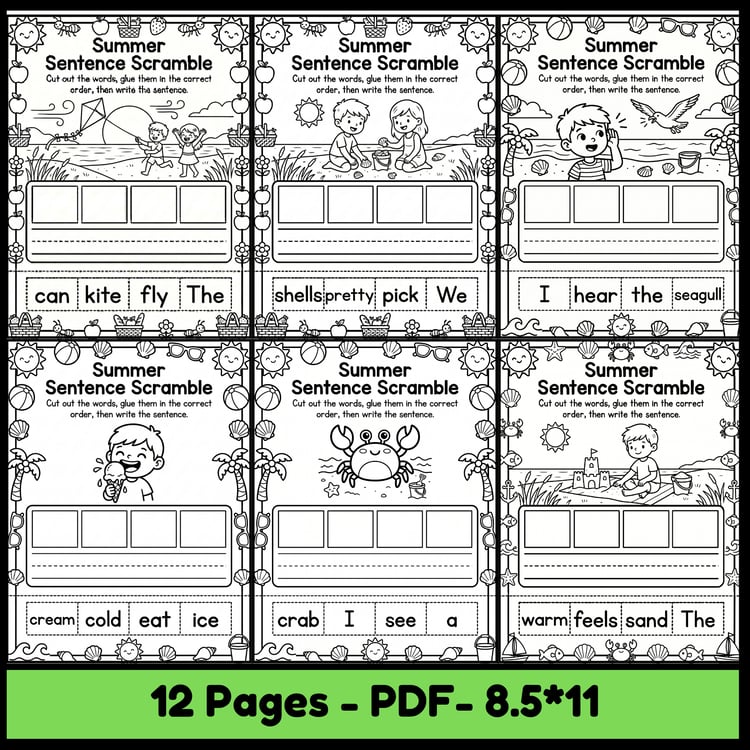
- Reordering scrambled sentences to help students understand sentence structure and word order.
- Writing responses to pictures using one or two sentences, supporting organized written expression.
- Mapping sounds and then writing the word, an activity that directly links reading and writing.
- Correcting sentences for capitalization, spacing, and punctuation to build proper writing foundations.
- Expanding sentences by adding elements such as Who? What? Where? to make writing clearer and more detailed.
These activities strengthen the connection between reading and writing while developing students’ accuracy.
Writing Center Ideas for Grade 2
Focus: Details, Clarity, and Organization
Second graders can focus for longer periods and are more aware of the quality of what they write.
Engaging activities include:
- Writing in response to visual prompts to help students generate ideas and organize them.
- Combining short sentences into one stronger sentence to develop writing style.
- Opinion writing using simple sentence starters to practice expressing personal viewpoints.
- Story starters completed by the student to encourage imagination and narrative development.
- Detail enrichment cards (adjectives, actions) to expand vocabulary and description.
- Editing and revising stations to review mistakes and improve writing.
At this stage, students learn that good writing can always be refined and improved.
Science of Reading-Aligned Writing Centers
Across all grades, writing activities should be explicitly and systematically linked to phonics instruction.
Best practices include:
- Dictation stations: writing words into sentences to support sound-based spelling.
- Word banks that only include previously taught skills to prevent guessing.
- Listen-and-write activities that reinforce auditory and writing skills.
- Writing sentences using decodable words only, ensuring student success and confidence.
This approach ensures students write what they have been explicitly taught, boosting confidence and reducing errors.
Tips for a Successful Writing Center
To achieve the best outcomes:
- Focus on one skill per center to prevent student distraction.
- Use clear visual instructions to promote independence.
- Implement color coding by grade or skill for easy organization.
- Provide self-checking activities whenever possible to reduce reliance on the teacher.
- Set short rotation times (10–15 minutes) to maintain focus.
Simplicity in organization always leads to stronger and more sustainable results.
Conclusion
A well-designed writing center grows with its students. As their writing skills develop from Kindergarten to Grade 2, the activities and expectations evolve naturally.
When writing is broken into meaningful, manageable steps, students do not just learn to write—they gain confidence and enjoy the learning process.