

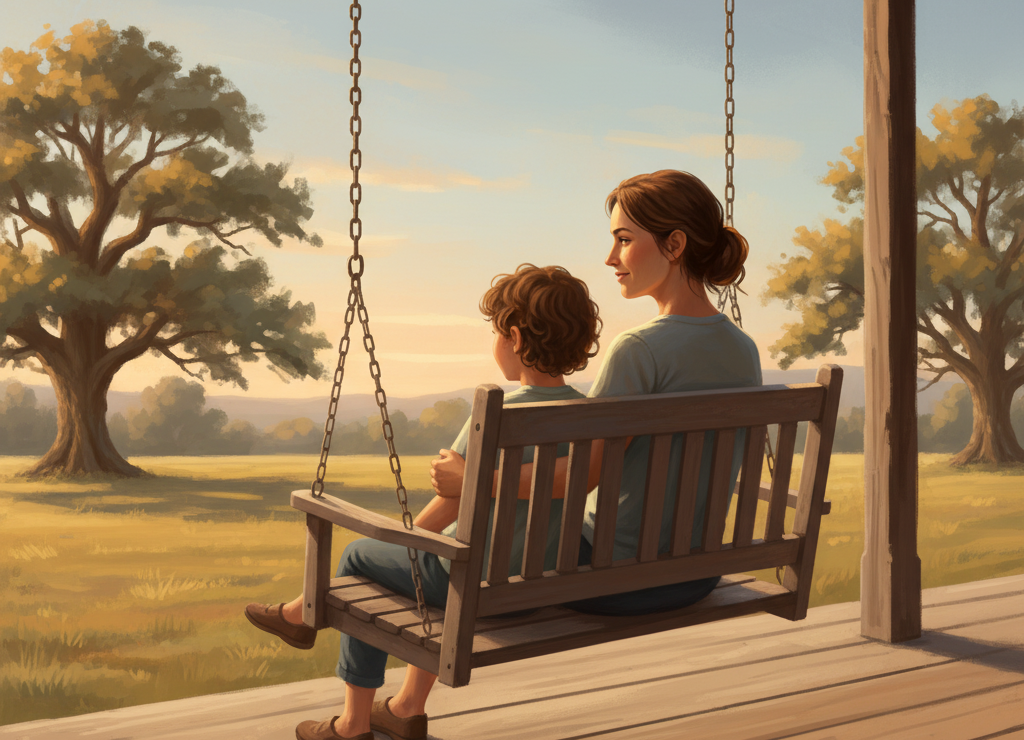
A child’s world moves faster than ever — alarms, schedules, lessons, screens, and the constant hum of stimulation. But between all those moments of activity, there’s something quietly missing: stillness. In the rush to keep them learning and entertained, we often forget that calm is not the absence of progress — it’s the space where growth truly happens.
Psychologists have long recognized the role of rest and mindfulness in healthy development. When children experience stillness — whether through quiet play, daydreaming, or simply being alone with their thoughts — their brains shift from “doing” to “processing.” Research from Harvard University’s Center on the Developing Child shows that moments of calm allow the prefrontal cortex to integrate new information and regulate emotions. In other words, stillness doesn’t slow learning down; it makes it deeper.
Yet calm is increasingly rare. Many children today live in environments filled with background noise and visual clutter. Even rest time is often replaced by passive screen use, which keeps the brain alert instead of relaxed. Over time, this constant low-level activation can lead to emotional fatigue — a state where a child appears fine on the surface but struggles to manage stress or attention.
Creating stillness doesn’t mean forcing silence or eliminating all excitement. It means designing spaces and routines that let children breathe. Parents can begin with simple rituals: a quiet morning breakfast without devices, five minutes of gentle breathing before bed, or letting children spend time outdoors without structured play. These small pauses signal safety to the nervous system, helping children feel grounded and secure.
Calm is also contagious. When parents slow down, children follow. A parent who models patience during chaos teaches emotional regulation more effectively than any lesson could. Family calm time — reading together, gardening, drawing, or simply listening to nature — becomes a shared language of peace. It’s a way of saying, “You don’t have to rush. You are enough, right now.”
The beauty of stillness lies in its simplicity. There are no tools, no screens, no programs to buy — only presence and intention. In that space, children rediscover their curiosity and emotional balance. Stillness gives them permission to just be, without needing to perform or achieve. And in a world that moves so fast, that might be the greatest gift we can offer.
Children who grow up with calm hearts often become adults who create calm around them. So the next time life feels too loud, remember: slowing down is not falling behind. It’s finding the rhythm that truly matters.
Pause together. Light a candle at dinner, sit quietly for a minute before bedtime, or listen to the rain with no music in the background. Give your child the stillness they crave — because calm is not a luxury, it’s a form of love.
Comments ()