
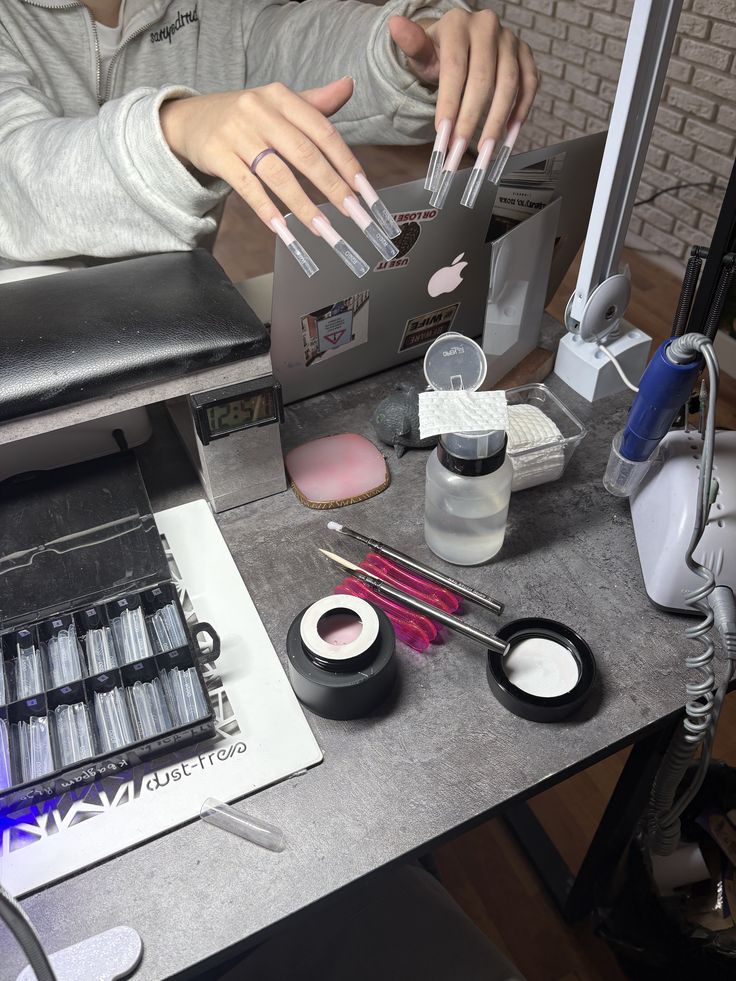
Every nail technician encounters challenging clients at some point. Handling difficult situations professionally is essential to grow your nail business, protect your reputation, and maintain a positive salon environment. Strong nail tech client communication and conflict-resolution skills ensure clients feel respected while safeguarding your business and mental well-being.
1. Stay Calm and Professional
Control your emotions first.
- Take a deep breath and respond calmly instead of reacting emotionally.
- Maintain polite language and a professional tone at all times.
- A composed response sets the stage for resolution.
2. Listen Actively
Understand the client’s concerns fully.
- Let the client speak without interruption.
- Use reflective listening: “I understand that you’re concerned about…”
- Validating their feelings helps de-escalate tension.
3. Set Boundaries Respectfully
Protect yourself and your salon.
- Politely explain acceptable behavior and salon policies.
- Example: “I’m happy to address your concerns, but we need to maintain a respectful conversation.”
- Clear boundaries prevent escalation while preserving professionalism.
4. Clarify the Issue
Identify the root cause of the conflict.
- Ask open-ended questions to understand exactly what the client wants.
- Restate their concerns to ensure mutual understanding.
- Accurate clarification prevents misunderstandings and unnecessary stress.
5. Offer Solutions or Alternatives
Focus on resolution rather than blame.
- Suggest actionable ways to address concerns, such as adjustments, refunds, or follow-up appointments.
- Present options politely and allow the client to choose.
- Solutions demonstrate care and professionalism.
6. Document Incidents
Maintain a record for future reference.
- Note the client, date, and issue, along with how it was handled.
- Documentation is helpful if patterns emerge or further action is needed.
- Records protect your business legally and professionally.
7. Know When to Say No
Not all demands should be met.
- Politely decline requests that are unsafe, unreasonable, or against salon policy.
- Offer alternative solutions if possible.
- Saying no respectfully maintains standards and protects your reputation.
8. Follow Up After Resolution
Show commitment to client satisfaction.
- Check in with the client to ensure they are satisfied with the resolution.
- Reinforce professionalism and care, even after difficult situations.
- Follow-ups can turn a negative experience into a positive impression.
9. Train Your Staff
Prepare your team for challenges.
- Role-play difficult scenarios to build confidence and consistency.
- Ensure all staff know policies and escalation procedures.
- A trained team supports smooth client interactions and maintains salon calm.
For guidance on improving client consultations and communication, visit: https://payhip.com/Comfyzone
10. Reflect and Learn
Use experiences to improve business practices.
- Analyze patterns to identify recurring issues or common triggers.
- Adjust communication strategies, policies, or service offerings accordingly.
- Continuous improvement reduces future conflicts and strengthens professionalism.
Summary and Key Takeaways
Handling difficult clients professionally protects your reputation, maintains calm, and ensures positive outcomes. Key strategies include:
- Staying calm, listening actively, and setting boundaries
- Clarifying issues and offering actionable solutions
- Documenting incidents, knowing when to say no, and following up
- Training staff and reflecting on experiences to improve
By implementing these tips, your nail studio can grow your nail business, strengthen nail tech client communication, and maintain a safe, professional, and welcoming environment for all clients.