
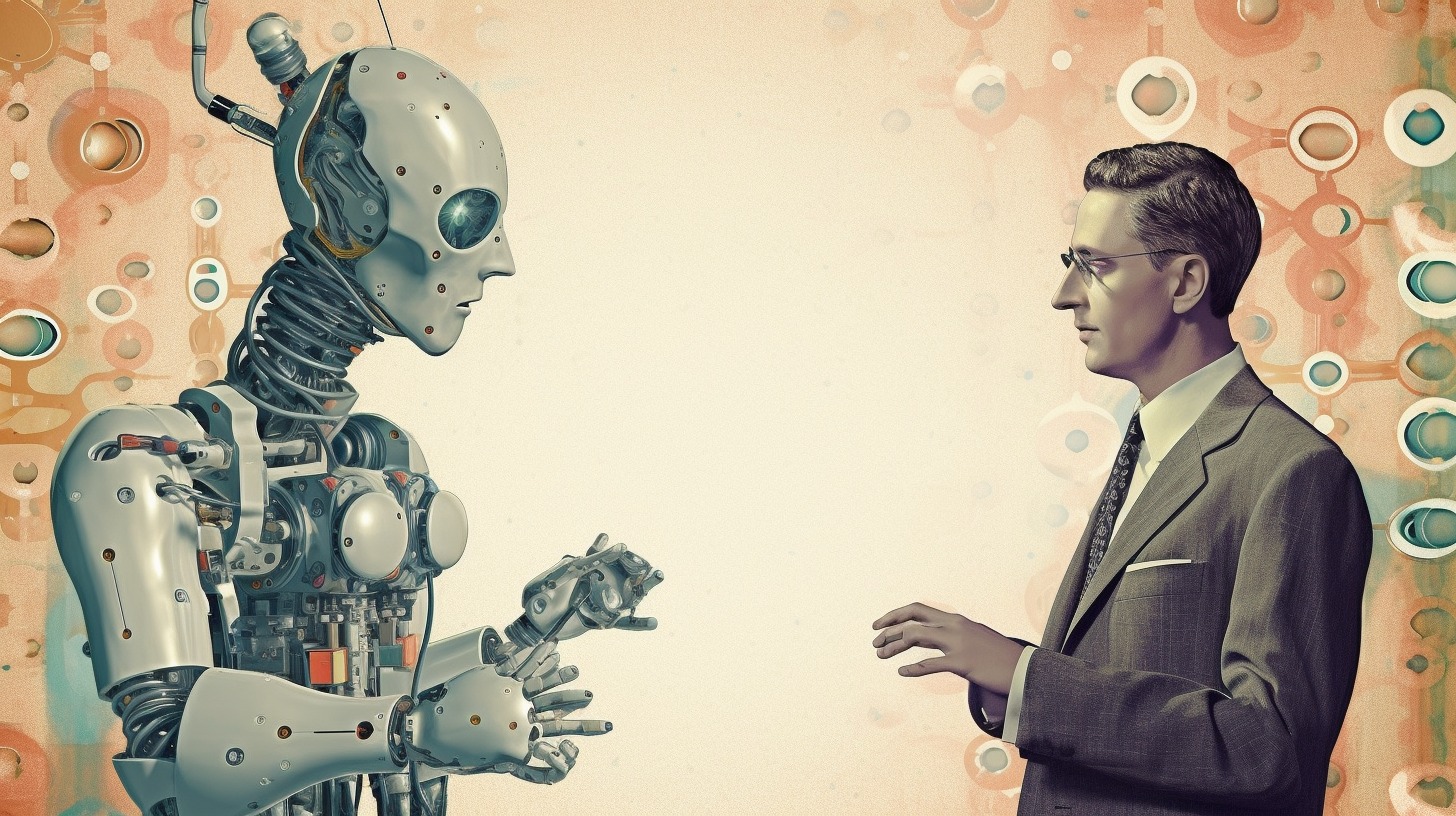
In recent years, the world has witnessed a remarkable advancement in artificial intelligence (AI), particularly in the realm of generative AI-art software programs. These programs have the ability to autonomously create stunning works of art, raising intriguing questions about the nature of creativity and the role of AI in artistic endeavors. Today, we delve into the arguments for and against generative AI-art software programs, shedding light on both sides of the debate.
The Argument for Generative AI-Art Software Programs:
- Expanding Creativity Boundaries:
- Generative AI-art software programs have the potential to push the boundaries of creativity. By incorporating vast amounts of existing art and learning from patterns and styles, these programs can produce innovative and unique artistic expressions that humans may not have conceived otherwise. They enable artists to explore uncharted territories, introducing fresh perspectives and disrupting traditional artistic norms.
- Collaboration and Inspiration:
- Generative AI-art software programs can act as valuable tools for collaboration and inspiration. Artists can use these programs as creative partners, leveraging their computational power to generate initial ideas or experiment with different artistic styles. The interplay between human creativity and AI algorithms can foster a mutually beneficial relationship, where artists draw inspiration from the software, leading to new and exciting artistic directions.
- Democratisation of Art:
- AI-art software programs have the potential to democratize art by lowering barriers to entry. Traditionally, artistic creation required extensive training, skill, and resources. Generative AI-art software programs can provide access to artistic expression for individuals who may not possess formal training in art. This inclusivity opens up new avenues for self-expression, enabling a more diverse range of artists to participate in the creative process.
The Argument Against Generative AI-Art Software Programs:
- Lack of Authenticity and Emotional Depth:
- Critics argue that generative AI-art software programs lack the authentic emotional depth and personal experiences that human artists bring to their work. While these programs can generate aesthetically pleasing images, they often lack the genuine emotional connection and narrative depth found in human-created art. This absence of subjective experiences may result in a shallow artistic expression that fails to resonate with viewers on a profound level.
- Reproduction and Copyright Concerns:
- Generative AI-art software programs raise complex questions surrounding originality and copyright. When software generates artwork, there is a risk of reproducing existing works without appropriate attribution or permission. This can lead to legal disputes and ethical concerns. Furthermore, the ease of replication offered by these programs may undermine the value and uniqueness associated with traditional art forms.
- Impact on Traditional Artistic Professions:
- The rise of generative AI-art software programs has raised concerns about their potential impact on traditional artistic professions. Some fear that these programs could replace human artists, leading to a devaluation of their skills and labor. While AI algorithms may offer new possibilities, it is important to strike a balance between human creativity and the role of technology to ensure the preservation of artistic craftsmanship and expertise.
Conclusion:
The argument for and against generative AI-art software programs reveals a complex and multifaceted debate surrounding the intersection of AI and artistic expression. While these programs have the potential to expand creativity, democratize art, and foster collaboration, they also raise concerns about authenticity, copyright, and the future of traditional artistic professions. As we continue to explore the boundaries of AI in art, it is crucial to approach these advancements with a critical lens, embracing the benefits while carefully navigating the ethical and societal implications they pose.
Comments ()