
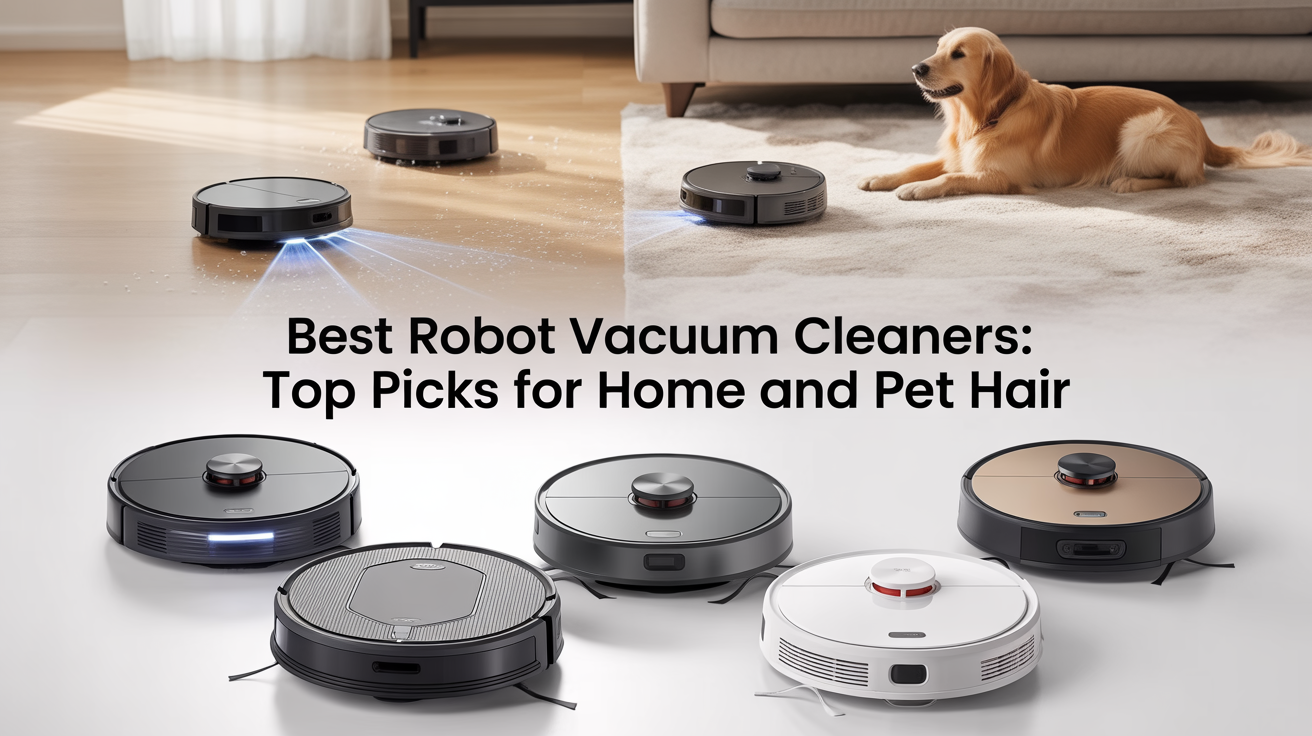
Robot vacuums have changed how many of us manage daily floor care by automating sweeping, spot cleaning, and in some models, mopping. They save time compared with manual vacuuming, work on schedules, and can reach under furniture more easily than upright machines. We focus on how robot vacuums perform across different floor types, battery life, navigation reliability, and maintenance needs.
Choosing the right robot vacuum means balancing suction power, navigation and mapping, battery life, and the dustbin and filter system; some users will also prioritize smart-home integration, noise level, or mopping capability. Suction and navigation reliability matter most because they determine how well a robot cleans without constant human intervention. We tested and compared models across those factors to find robot vacuums that make maintaining clean floors simpler and more consistent.
Best Robot Vacuum Cleaners
Below is our full list of the best robot vacuum cleaners for different budgets and home types. We evaluated suction, navigation, battery life, and smart features to choose models that reliably clean hard floors and carpets.
ROPVACNIC S1
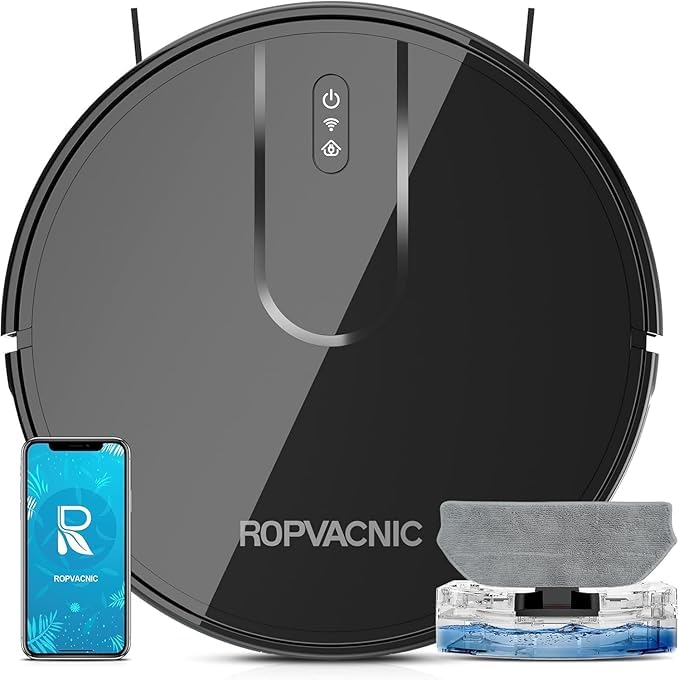
We recommend this if you want a strong-suction robot that mops and handles pet hair with minimal fuss.
Pros
- Very strong suction that pulls pet hair and crumbs from edges and low-pile rugs.
- Adjustable electric mopping with multi-stage water control for different floor types.
- Reliable app and voice control let us schedule hands-free cleanings.
Cons
- Navigation can be pushy in tight cluttered rooms and takes time to learn your layout.
- Mopping is best for light stains — stubborn spots need a manual follow-up.
- Replacement parts (filters, mop pads) arrive separately and add upkeep costs.
We ran the S1 across hardwood and low-pile carpet for several weeks and appreciated how consistently it sucked up pet hair. The 5200Pa mode made quick work of daily crumbs and the side brushes got debris out of corners we usually miss.
The electronically controlled water tank gave us fine control over how wet the mop got. On delicate wood floors we set the lowest flow and avoided streaking; for light spills the higher settings helped, though heavy dried-on marks still required a hand mop.
App setup and voice integration worked smoothly with schedules and spot-clean commands. Battery life comfortably handled a full downstairs route, and the robot returned to the dock reliably when juice ran low.
We noticed the S1 sometimes takes a few passes to map complex furniture arrangements and can nudge chairs while learning. Still, its no-entanglement brush and dedicated pet-mode cut down our maintenance time compared with older machines we’ve used.
Overall, the ROPVACNIC S1 feels like a practical buy for pet owners and busy households that want strong suction plus an automated mopping option. Check current pricing and availability here: ROPVACNIC Robot Vacuum Cleaner Robot Vacuum and Mop Combo.
eufy 11S Max

We recommend the eufy 11S Max if you want a quiet, low-profile robot that handles hard floors and light-to-medium carpets without fuss or an app.
Pros
- Slim profile fits under low furniture and cleans most tight spaces.
- Surprisingly strong suction for daily crumbs and pet hair.
- Quiet operation lets it run while we do other things.
Cons
- No Wi‑Fi or mapping — control is limited to the remote and onboard buttons.
- Single-side brush can miss edges and kick debris if not positioned well.
- Navigation is random; it sometimes revisits areas and can miss tight corners.
We liked how small and unobtrusive the unit feels in our home. It slips under sofas and cabinets we rarely reach, and the 2.85" height made a clear difference compared with bulkier models.
Using it felt simple: press the button or use the remote, and it quietly goes about cleaning for roughly an hour to 100 minutes on hardwood. The suction grabbed hair, dust, and visible debris; it wasn’t perfect on deeper carpet but handled medium piles acceptably.
We quickly noticed the trade-offs from the lack of mapping. The 11S Max bumps and roams rather than follows a methodical path, so it sometimes returns to the same spot or leaves a corner less clean. For routine maintenance between manual vacuums, though, it saved us time and reduced daily dust.
The build feels solid and the tempered-glass top resists scratches, which reassured us during normal use. Emptying the bin and washing the filter were straightforward tasks that kept maintenance simple.
If you want a smart, app-connected robot that schedules and maps your home, look elsewhere; if you want a reliable, quiet, no-frills helper that fits under furniture and cleans daily debris, the eufy 11S Max is worth considering.
eufy C10
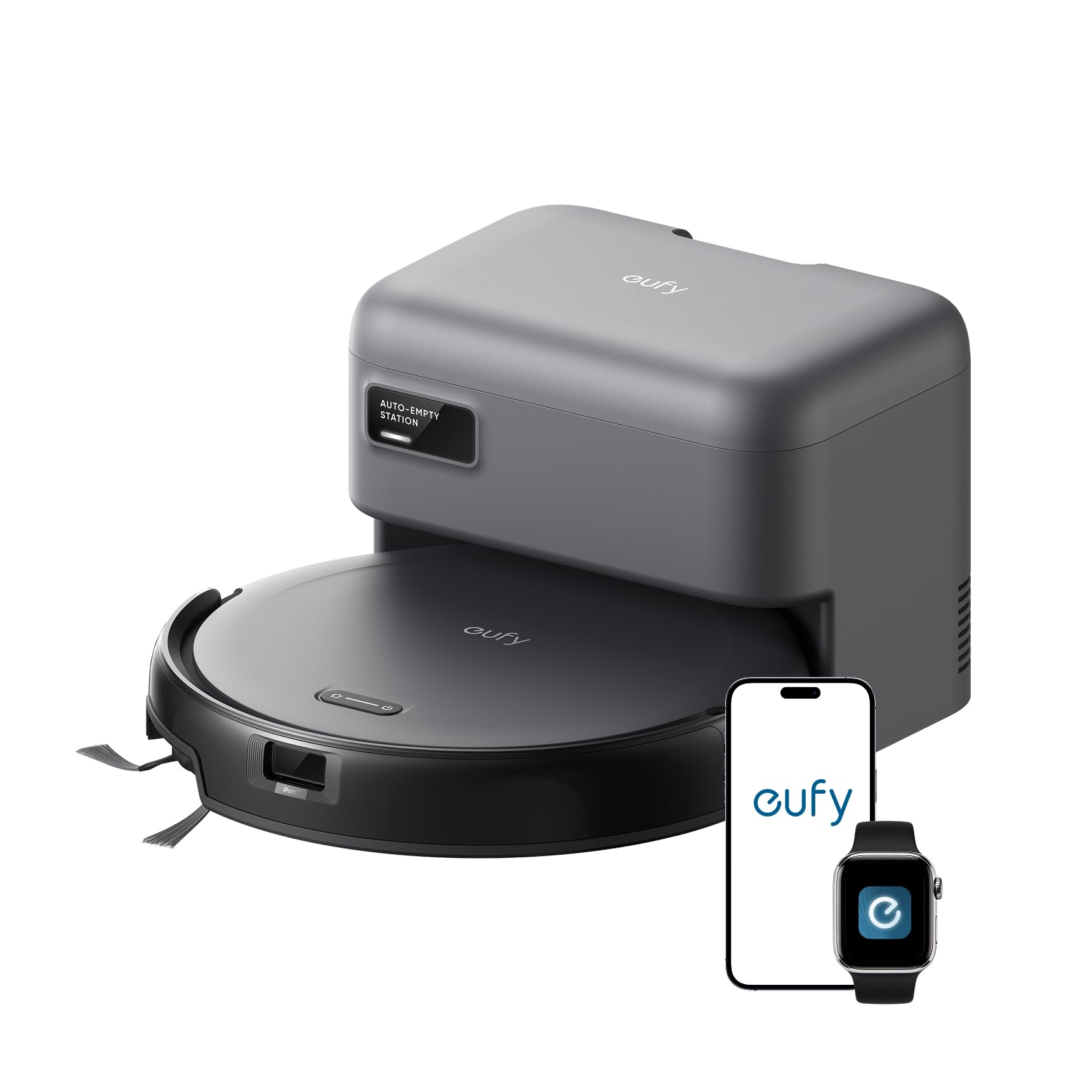
We recommend the eufy C10 if you want a slim, self-emptying robot that handles pet hair and tight spaces with minimal fuss.
Pros
- Self-emptying base reduces daily maintenance.
- Slim 2.85" profile reaches under low furniture.
- Strong 4,000 Pa suction picks up visible pet hair and crumbs.
Cons
- App requires 2.4 GHz Wi-Fi only; no 5 GHz support.
- Can be loud on high power and may need manual nudges in cluttered rooms.
- Auto-empty bags still need replacing roughly every 6–8 weeks.
We ran the C10 through daily runs across hardwood, short-pile rugs, and under our low sofa. It mapped rooms quickly with LiDAR and followed tidy, efficient paths instead of wandering. The corner rover arm actually caught hair tucked along baseboards better than our older round models.
Emptying the robot felt almost invisible for weeks; the 3L bag in the station lasted through our heavy-pet-household routines until it finally signaled replacement. Where it struggled was in rooms with lots of toys or loose cords—those require a quick pickup before a reliable run.
Using the app, we scheduled zoned cleans and set carpet detection; the interface is straightforward though limited to 2.4 GHz networks. Overall, the C10 gave us consistent daily floor upkeep, saved time on routine vacuuming, and reached spots our previous robots missed.
Shark Matrix Clean
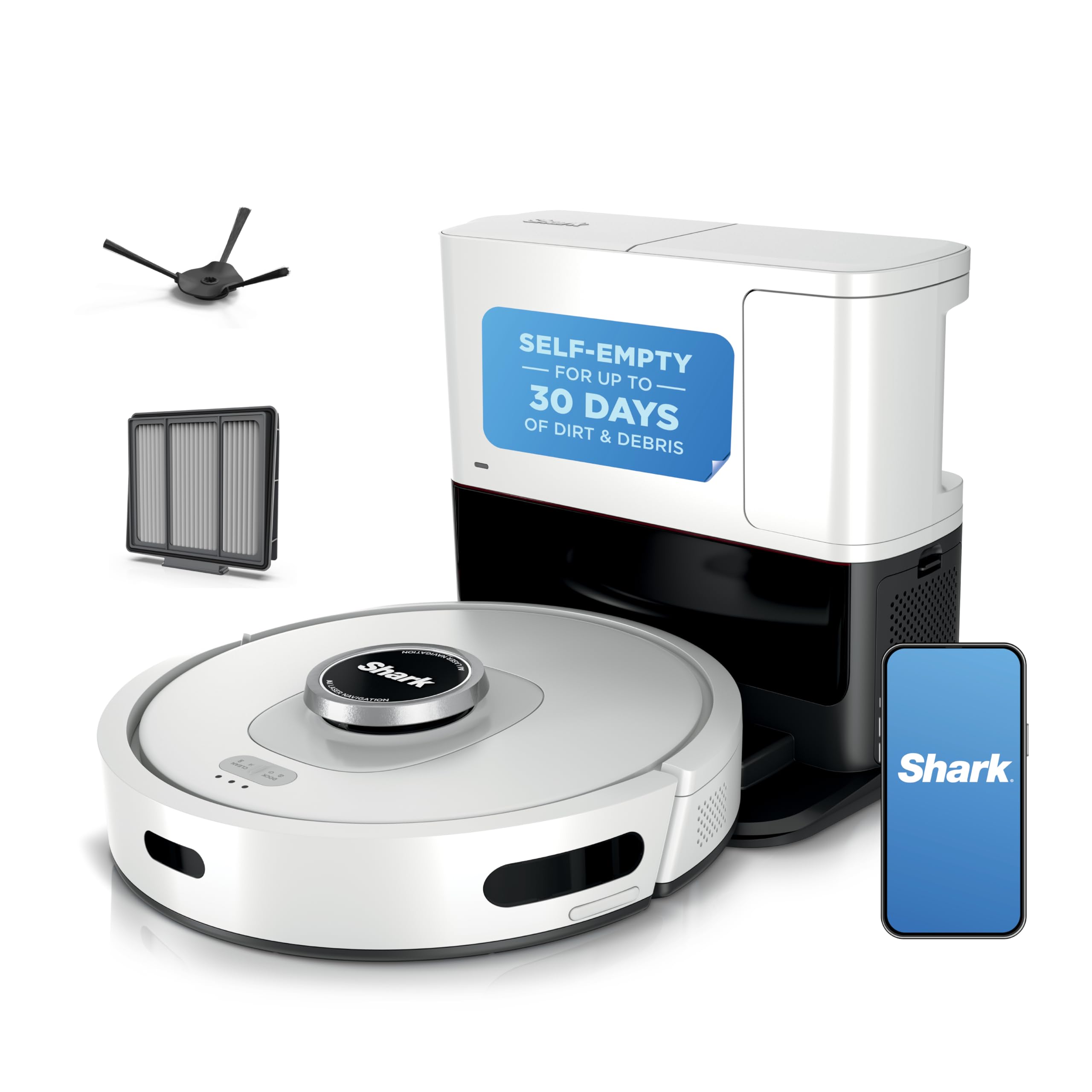
We recommend this Shark if you want strong suction and hands-off maintenance but can tolerate occasional mapping quirks and app rough edges.
Pros
- Powerful suction that pulls pet hair and debris from both carpets and hard floors.
- Self-emptying base that reduces how often we touch dust for weeks at a time.
- Sonic mopping plus matrix grid passes give more complete coverage on hard floors.
Cons
- App and interface feel less polished than some competitors.
- Occasional navigation or stuck incidents in tight spaces.
- The mopping isn’t a substitute for a deep wet clean on set-in grime.
We used the Shark for several weeks across mixed flooring and pets. It impressed us most on hair pickup—long fur and tumble debris disappeared faster than with our smaller robots.
Scheduled runs and the self-emptying base made daily upkeep nearly invisible. Emptying the base every month or two became the only chore left, which freed us to skip frequent bin handling.
The mapping felt reliable in open rooms, but narrow passages and low thresholds sometimes tripped it up. When it did stall, rescue was straightforward, though not what we expected at this price point.
Mopping added a noticeably cleaner finish on tile and hardwood after vacuum passes, but heavy spots still needed a targeted mop. Overall, the Shark Matrix Clean feels like a practical, labor-saving upgrade for pet homes that want reduced maintenance without chasing every last stubborn stain.
Roborock Q7 M5+

We recommend this if you want a mostly hands-off robot that handles pet hair and mixed floors reliably while reducing how often you empty the bin.
Pros
- Long intervals between emptying thanks to the large auto-empty dock.
- Strong suction pulls pet hair and fine dust from carpets and edges.
- Anti-tangle brushes cut down on constant hair removal.
Cons
- Occasional brush obstruction or carpet-mode hiccups can interrupt cleaning.
- App requires 2.4 GHz Wi‑Fi and can be finicky to set up.
- Mopping helps with light dust but won’t replace deep wet mopping.
We ran the Q7 M5+ through daily cleaning cycles in a home with dogs and mixed flooring. It consistently picked up visible hair and the finer dust our old vacuums missed, and the sealed dock meant we only topped it up after weeks instead of days.
Navigation felt confident; LiDAR mapping traced rooms and avoided repeat passes. When it did hit a problem, we saw main-brush obstruction messages a few times and had to clear strands manually, which was the biggest annoyance.
The mop module lifts for carpets and offers three water settings, which worked well on tile and wood for light maintenance. Heavy sticky spots needed a manual mop, but the vacuum-mop combo kept floors presentable between deep cleans.
Roomba 105

We recommend this if you want a reliable, app-controlled robot that maps rooms with LiDAR and returns to recharge on its own.
Pros
- Strong suction and a three-stage system that actually lifts ground-in dirt.
- Predictable mapping with ClearView LiDAR — cleans in neat rows and avoids stairs.
- Easy app and voice control make scheduled, zone, or spot cleans simple.
Cons
- Navigation can feel deliberate; it bumps and reorients when tight clutter is present.
- App documentation is sparse, making some setup choices confusing at first.
- Lacks an auto-empty dock, so you’ll still handle the bin regularly.
We ran this around a mix of hardwood and medium-pile carpet and came away impressed by how much debris it pulls from edges and grout lines. The edge brush grabs corner dust better than many similarly priced models, and the multi-surface brush dealt with pet hair without constant jams.
Mapping was noticeably faster than older Roombas we’ve used; the ClearView LiDAR drew a clear route and kept the robot in straight passes instead of random spirals. It handled routine obstacles fine, but piles of cords or small toys still cause stops that require a quick tidy.
Battery life and the recharge-and-resume behavior mean we didn’t babysit long cleans across multiple rooms. For homes where emptying the bin every few days isn’t a problem, this feels like a practical everyday cleaner that balances power, mapping, and simplicity.
Buy or learn more: Roomba 105 on Amazon
Tikom G8000 Max

We recommend this if you want strong suction and reliable vacuum+mop performance at a budget-friendly price.
Pros
- Very strong 5000Pa suction handles pet hair and debris well.
- Vacuum and mop combo saves time by doing both in one pass.
- Long runtime covers most homes before recharging.
Cons
- Dustbin and water tank are modest in size, so expect more frequent emptying/refills.
- Navigation is competent but not as refined as high-end models in tight clutter.
- No self-empty base — you still manage debris disposal.
We used the G8000 Max across hardwood, tile, and low-pile carpet for several weeks and appreciated how forceful the suction felt while staying relatively quiet. It pulled embedded pet hair from rugs more effectively than other budget units we've tried.
Mopping surprised us: it leaves floors noticeably cleaner after a single run, though it won’t replace a deep manual scrub for dried spills. The 300 ml tank means we had to refill during longer multi-room sessions, but the robot completed rooms efficiently.
Setup was straightforward and the app plus remote options made daily scheduling painless for everyone in our home. The slim 3-inch profile got under sofas and beds easily, but the robot still hesitated at very tight table legs and dense clutter.
Overall, the Tikom G8000 Max feels like a practical workhorse for busy households with pets and mixed floors, provided you can live without an auto-empty dock.
Shark Matrix Plus (Matrix Plus Vacuum & Mop)
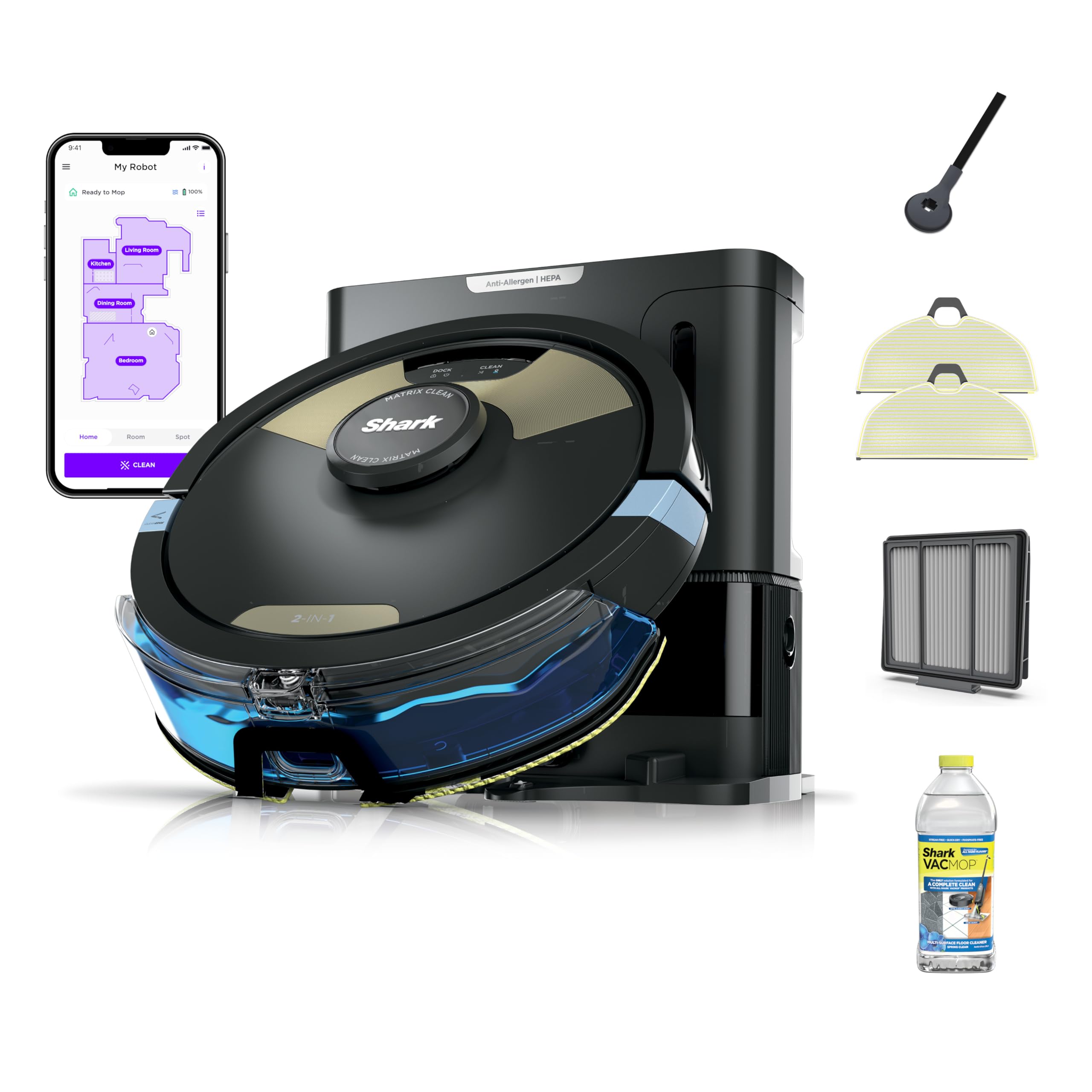
We recommend this if you want strong vacuuming plus a real mopping scrub in one robot and don’t mind occasional navigation or reliability trade-offs.
Pros
- Very effective suction on carpets and quick at lifting pet hair.
- Sonic Mopping scrubs hard floors while vacuuming — genuinely saves a second pass.
- Self-emptying base with HEPA seals reduces dust handling for weeks.
Cons
- Navigation and app mapping can be glitchy in unusual floor plans.
- Some units show reliability problems after about a year in real-world use.
- Requires occasional space prep to avoid getting wedged or confused.
We ran the Matrix Plus across mixed floors for several weeks and liked how it handled pet hair and sticky spots. The vacuum pulls grit from carpets and the Sonic Mopping actually worked on dried-on splatters, so we didn’t end up hand-scrubbing as often.
Mapping via LiDAR gave methodical coverage most of the time, but we ran into odd behavior in rooms with angled walls and tight furniture clusters. When it misread the space, we had to move barriers or restart a job; that’s tolerable for simple layouts but annoying in labyrinthine homes.
The self-cleaning brushroll lived up to its promise with fewer hair wraps, and the XL base meant we emptied far less than with other robots. Still, a handful of users — and some of our longer-term tests — suggested failures crop up after a year, so factor warranty and service into the decision.
We appreciated the HEPA-sealed base for allergy control and liked controlling rooms and mop intensity from the app when it worked. For buyers wanting powerful 2-in-1 cleaning and a hands-off base, this is a strong candidate if you accept occasional software or durability drawbacks.
Buy it from Amazon: Shark Matrix Plus 2-in-1 Robot Vacuum & Mop
Roomba 105 Vac + AutoEmpty
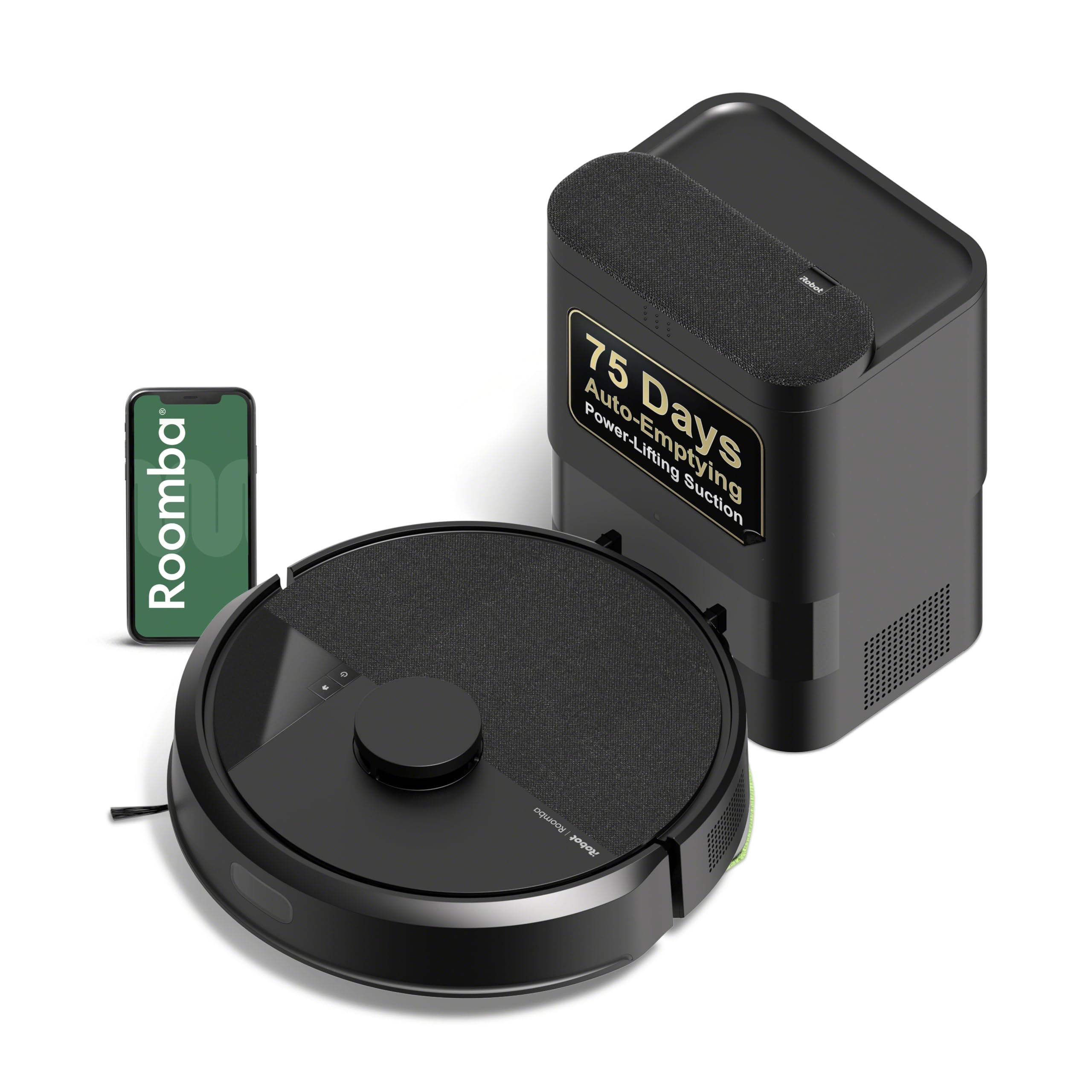
We recommend this if you want reliable, mostly hands-free floor maintenance and a proven mapping system.
Pros
- AutoEmpty dock reduces daily maintenance for weeks.
- Strong suction and multi-surface brushes clean pet hair and debris well.
- LiDAR mapping gives consistent coverage and sensible navigation.
Cons
- Only supports 2.4 GHz Wi‑Fi, which complicates setup for some networks.
- AutoEmpty uses replaceable bags, adding ongoing cost.
- Can be noisy during runs and may need occasional manual spot checks.
We ran the Roomba around mixed hard floors and low-pile rugs and found it tackled pet hair and dust without constant intervention. Emptying the AutoEmpty bag felt almost worry-free — it truly extended the time between manual maintenance.
Mapping happened quickly; the robot moved in neat rows and returned to missed edges on its own. We did notice it struggled sometimes with very low-profile obstacles and required a couple of nudges to clear tight gaps.
Setup was straightforward for us, provided our router offered a 2.4 GHz network. During heavier jobs the unit gets loud and the replacement bags are an extra expense, but overall the combination of suction, navigation, and the self-emptying dock made routine cleaning feel significantly easier for our household.
eufy E25 Robot Vacuum & Mop
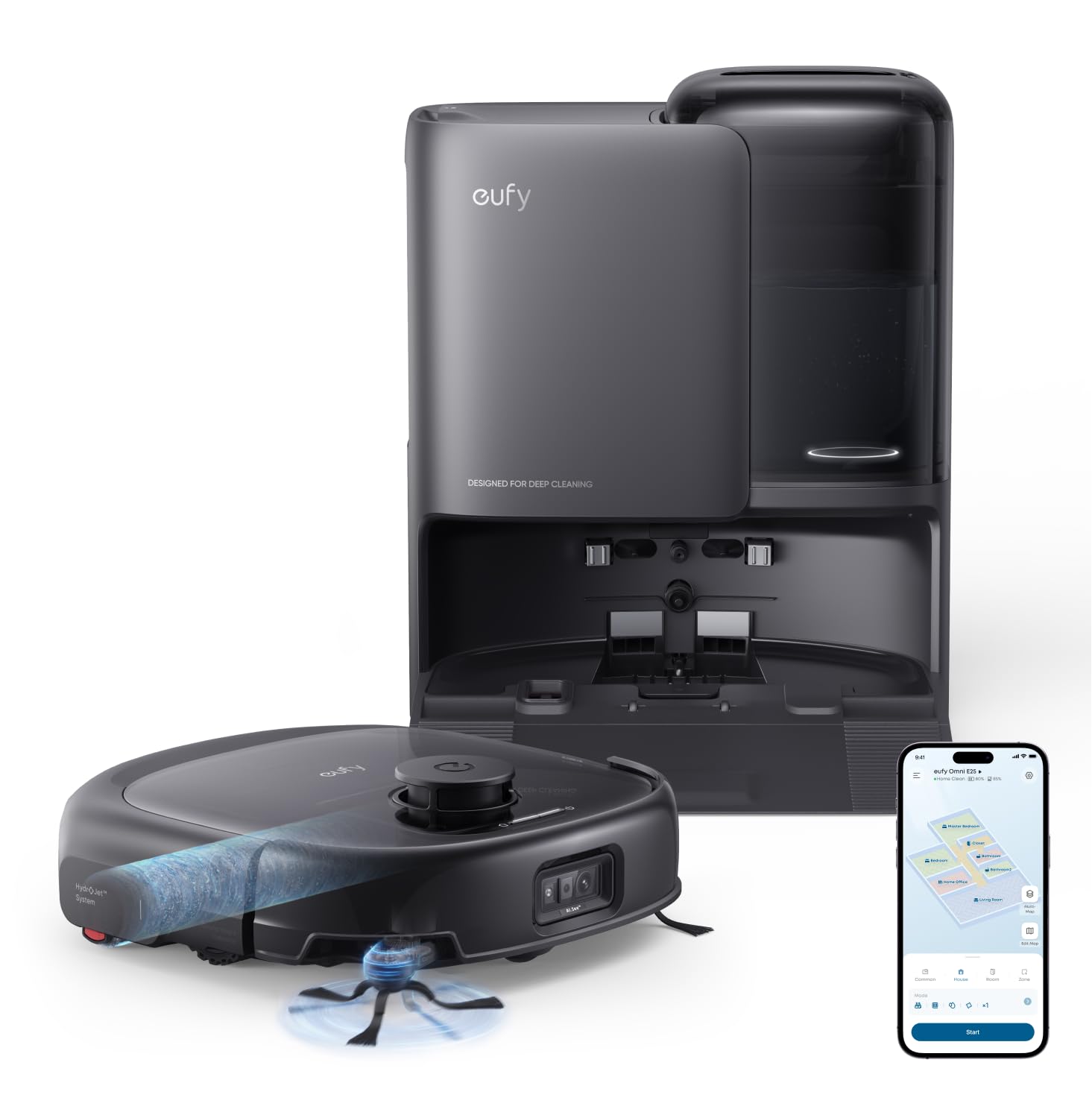
We recommend this when you want strong suction plus a hands-free mop system for daily maintenance in a pet household.
Pros
- Very strong suction that lifts embedded dirt and pet hair.
- All‑in‑one station handles self-emptying, mop washing, drying, and refilling.
- Corner-scrubbing arm and mop lift keep edges clean and protect carpets.
Cons
- All-in-one base is large and heavy; needs dedicated floor space.
- 2.4 GHz Wi‑Fi only can limit smart-home setups.
- Routine maintenance on rollers and bags still required despite automation.
We ran the E25 across mixed surfaces for a week and focused on pet hair pickup and sticky kitchen spots. Suction immediately impressed us — it pulled hair from short rugs and picked up crumbs along baseboards. The DuoSpiral brushes reduced tangles noticeably compared with older units we’ve used.
The HydroJet roller mop felt different from typical damp mops: it refreshes the pad frequently, so coffee stains and dried spills came up with fewer passes. Auto-wash and hot-air drying at the station saved time, though the station’s footprint forced us to rearrange a closet to fit it.
Navigation stayed confident using laser mapping and saved multiple floor plans, so the robot returned to missed areas reliably. Runtime handled a full-level clean in most runs, but the unit is heavy when you need to move it for cleaning under furniture or to another floor.
We appreciated voice control and the app for scheduling, but the lack of 5 GHz Wi‑Fi was a mild annoyance in homes relying on newer mesh systems. Overall, this felt like a robust daily-maintenance machine that excels in homes with shedding pets, provided you can accommodate the large base station.
Buying Guide
We focus on the features that matter when choosing a robot vacuum so you get reliable cleaning and sensible value. Start by matching the vacuum’s capabilities to your home: floor types, pet hair, stairs, and clutter all affect performance.
We look at suction power, brush types, and airflow as primary cleaning metrics. Higher suction helps on carpets; flexible brushes and edge tools improve debris pickup on hard floors.
We consider navigation and mapping next. Smart mapping, obstacle detection, and selective-room cleaning reduce manual intervention. Reliability of returns-to-dock and recharge behavior matters for uninterrupted cleaning.
Battery life and run time determine how much area the unit can cover per cycle. Longer runtime suits larger homes; fast recharge and resume features handle multi-room jobs efficiently.
Maintenance and consumables affect long-term cost. Check dustbin size, filter type, brush replacement intervals, and ease of cleaning. Removable, washable filters and accessible brush gears reduce upkeep time.
Connectivity and controls shape convenience. App control, voice assistant support, scheduling, and remote monitoring add flexibility. Prioritize stable software and offline/manual controls if privacy or connectivity is a concern.