The world is changing, and so are the opportunities to grow your wealth. As we head into 2025, investors are facing a mix of challenges—economic uncertainty, shifting markets, and rapid innovation—but with that comes massive potential for those who know where to look.
From breakthroughs in artificial intelligence to the rise of clean energy and healthcare innovation, the coming year offers opportunities that could shape the next decade. Whether you’re just starting out or looking to refine your strategy, knowing where to put your money now can mean the difference between chasing trends and actually building wealth.
In this guide, we’ll break down 5 key investing trends for 2025. You’ll discover the sectors and strategies poised for growth, learn how to navigate volatility, and find out how small investors can take advantage of these trends without needing a fortune to get started.
The future doesn’t wait—let’s dive into where the smart money is headed.
Trend 1: The Rise of Artificial Intelligence (AI)
Artificial Intelligence isn’t coming—it’s already here, and it’s reshaping industries at an unprecedented pace. From streamlining operations to revolutionizing healthcare and finance, AI is a driving force behind some of the most significant opportunities in 2025. For investors, this trend is too big to ignore.
Why AI Matters in 2025:
- Explosive Growth: Global spending on AI is projected to hit $300 billion by 2026, with businesses pouring resources into AI tools to boost efficiency and drive innovation.
- Widespread Adoption: AI is expanding beyond tech giants—it’s being implemented in manufacturing, retail, healthcare, and logistics, creating new winners across industries.
- Transformational Potential: AI-powered tools like machine learning, automation, and robotics are solving real-world problems, from improving diagnostics to enhancing supply chain management.
Where the Opportunities Are:
- AI Infrastructure ProvidersCompanies like NVIDIA and Microsoft are at the core of AI’s growth, providing the hardware, cloud services, and platforms that power AI applications.
- AI-Driven InnovatorsBusinesses in healthcare, logistics, and retail are using AI to gain a competitive edge. Think of AI-driven diagnostics in medicine or AI optimizing inventory management for e-commerce.
- AI-Focused ETFsFor investors looking for broader exposure, AI-focused ETFs bundle leading AI companies, reducing the risk of picking individual stocks.
Example:
Take NVIDIA, whose GPUs (graphics processing units) are essential for AI computing. Over the past few years, NVIDIA’s stock has surged thanks to the soaring demand for AI tools. Its dominance in AI infrastructure positions it to keep benefiting as adoption grows.
How to Take Advantage:
- Focus on companies building AI infrastructure or solving real-world problems with AI.
- Keep an eye on emerging leaders in industries adopting AI to improve efficiency and reduce costs.
- Explore AI-focused ETFs to gain diversified exposure if you’re not ready to bet on individual stocks.
Takeaway:
AI is one of the most significant growth engines of the decade. For investors in 2025, understanding this trend—and investing in the right companies—could mean being part of the next technological revolution.
Trend 2: Clean Energy and the Green Revolution
The transition to clean energy is no longer optional—it’s inevitable. Governments, businesses, and consumers are aligning to reduce carbon emissions, driving massive investments into renewable energy, electric vehicles (EVs), and battery technology. As we move into 2025, these shifts are opening opportunities for investors ready to ride the green wave.
Why Clean Energy Is Taking Off:
- Global Policy Push: Initiatives like the U.S. Inflation Reduction Act and the EU’s Green Deal are pumping billions into renewable energy projects.
- Falling Costs: Advances in solar, wind, and battery storage have made clean energy more cost-effective than ever.
- Corporate Adoption: Companies worldwide are adopting clean energy solutions to meet environmental goals and consumer demand.
Where the Opportunities Are:
- Solar and Wind Energy ProvidersCompanies specializing in large-scale solar farms and wind projects are poised for significant growth as nations push to decarbonize their energy grids.
- Electric Vehicle and Battery TechnologyThe EV market is set to expand further in 2025, with demand for electric cars and the infrastructure to support them—like charging stations and energy storage—expected to soar.
- Clean Energy ETFsIf picking individual stocks feels overwhelming, clean energy ETFs offer diversified exposure to the sector. Funds like the iShares Global Clean Energy ETF (ICLN) provide access to the companies leading the charge in renewable energy.
Example:
Take NextEra Energy, one of the largest renewable energy companies in the world. With a focus on solar and wind energy, it’s become a leader in clean power generation while delivering steady growth to investors. As energy grids transition away from fossil fuels, companies like NextEra are positioned to benefit for years to come.
How to Take Advantage:
- Look for companies with proven clean energy projects and strong revenue growth.
- For a more diversified approach, consider renewable energy ETFs, which spread risk across multiple companies.
- Focus on businesses solving real-world energy challenges—not just those riding the trend.
The clean energy revolution is reshaping the global economy. For investors, 2025 presents an opportunity to invest in companies building the future of energy—while benefiting from strong growth potential.
Trend 3: Healthcare Innovation and Biotechnology
The healthcare industry is undergoing a transformation, driven by advances in biotechnology, precision medicine, and AI-powered diagnostics. As global healthcare needs rise, innovative companies are creating solutions that not only save lives but also unlock significant growth potential for investors.
Why Healthcare Innovation Matters in 2025:
- Aging Populations: By 2030, over 1 in 6 people globally will be over 60, fueling demand for advanced treatments and healthcare services.
- Breakthrough Technologies: Innovations like gene editing, AI diagnostics, and personalized medicine are solving complex medical challenges faster and more efficiently.
- Resilience: Healthcare is a defensive sector, meaning it remains steady during economic downturns—a critical factor for long-term investors.
Where the Opportunities Are:
- Biotechnology CompaniesBiotech firms working on groundbreaking therapies for diseases like cancer, Alzheimer's, and rare genetic disorders are at the forefront of healthcare innovation.
- Advances in gene-editing technologies like CRISPR are transforming how diseases are treated and managed.
- AI-Powered Healthcare SolutionsArtificial Intelligence is revolutionizing healthcare by improving diagnostics, drug discovery, and operational efficiency. For example, AI tools are helping doctors detect conditions like cancer earlier and with greater accuracy.
- Healthcare ETFsIf picking individual biotech or healthcare stocks feels risky, ETFs offer diversified exposure to the sector’s innovators. Funds like the Health Care Select Sector SPDR Fund (XLV) include a mix of established healthcare leaders and rising biotech companies.
Example
Consider the rise of CRISPR Therapeutics, a pioneer in gene-editing technology. By targeting genetic conditions like sickle cell disease, CRISPR has unlocked treatments that were once unimaginable. As these technologies progress, early investors in biotech leaders could see significant rewards.
How to Take Advantage:
- Look for companies with FDA approvals, strong pipelines, and proven success in advancing treatments or technologies.
- Pay attention to firms leveraging AI for diagnostics, patient care, and operational improvements.
- For broader exposure, healthcare ETFs allow you to benefit from the sector’s overall growth while reducing single-stock risk.
Healthcare innovation is saving lives and transforming the industry. For investors, 2025 offers a unique chance to capitalize on breakthroughs in biotech and healthcare technologies—sectors with the potential for both growth and resilience.
Trend 4: Inflation-Resistant Investments
Inflation isn’t just a buzzword—it’s a reality that investors have to navigate. While rising prices erode cash value, they also present opportunities for those who know where to look. In 2025, dividend-paying stocks, real estate, and commodities will remain essential tools to safeguard and grow wealth during inflationary periods.
Why Inflation-Resistant Investments Matter in 2025:
- Preserving Purchasing Power: Cash sitting in a bank loses value during inflation. Smart investments ensure your money keeps up with rising costs.
- Steady Income: Dividend-paying stocks and real estate provide reliable income streams, helping investors weather volatile markets.
- Hedging Against Inflation: Commodities like gold and oil tend to perform well when inflation rises, making them key components of a balanced portfolio.
Where the Opportunities Are:
- Dividend-Paying Stocks:Companies with a history of increasing dividends, even during tough economic periods, are inflation-resistant by nature. Think of businesses in sectors like consumer staples, utilities, and energy.
- Example: Companies like Coca-Cola have maintained and grown dividends for decades, making them a safe bet for investors seeking income and stability.
- Real Estate Investment Trusts (REITs):Real estate typically keeps pace with inflation, as rents and property values tend to rise over time. REITs offer an affordable way to invest in commercial real estate, apartments, and infrastructure without buying property outright.
- Commodities and Precious Metals:Assets like gold, silver, and even industrial commodities (like copper) tend to hold their value or rise during inflationary periods. These investments act as a hedge when markets become unpredictable.
Example:
During previous periods of inflation, companies in the consumer staples sector—think Procter & Gamble or Coca-Cola—outperformed the broader market because their products remain essential regardless of economic conditions. Investors who focused on dividend growth stocks during those times enjoyed both steady income and stability.
How to Take Advantage:
- Look for companies with consistent dividend growth and strong cash flows.
- Diversify into REITs for exposure to real estate without the hassle of property ownership.
- Consider commodities like gold or broad-based commodity ETFs as a hedge against inflation.
Inflation doesn’t have to erode your wealth. By focusing on dividend-paying stocks, real estate, and commodities, you can build a portfolio that protects your purchasing power while delivering steady, reliable growth.
Trend 5: Emerging Global Markets
While U.S. markets remain strong, the real growth opportunities in 2025 could lie beyond American borders. Emerging global markets in Asia, Latin America, and Africa are experiencing rapid economic expansion, fueled by rising middle-class populations, infrastructure development, and technological adoption. For investors willing to look globally, these markets offer a chance to tap into higher growth potential.
Why Emerging Markets Are Important in 2025:
- Rising Economic Power: Countries like India, Vietnam, and Brazil are seeing massive economic growth, driven by technology, manufacturing, and consumer demand.
- Young, Growing Populations: Unlike developed markets with aging demographics, emerging markets boast younger workforces and expanding middle-class spending power.
- Global Diversification: Investing in emerging markets reduces dependence on U.S.-centric portfolios, spreading risk and opening doors to new opportunities.
Where the Opportunities Are:
- Emerging Market ETFs:For diversified exposure, funds like the Vanguard FTSE Emerging Markets ETF (VWO) or iShares MSCI Emerging Markets ETF (EEM) provide access to high-growth companies across multiple countries.
- Technology and Infrastructure Growth:Nations like India and Vietnam are becoming global manufacturing hubs and investing heavily in infrastructure, creating opportunities for investors in construction, transportation, and energy.
- Consumer-Focused Businesses:Rising incomes in emerging economies are driving demand for consumer goods, e-commerce, and financial services. Companies expanding into these regions are poised to benefit.
Example:
India’s stock market has consistently outperformed global averages over the past decade, driven by growth in sectors like technology, manufacturing, and finance. Companies like Tata Consultancy Services and Reliance Industries are capitalizing on this momentum, delivering strong returns to investors who recognized the potential early.
How to Take Advantage:
- Start with emerging market ETFs to diversify risk while gaining exposure to growth in multiple regions.
- Research sectors like technology, manufacturing, and consumer goods in fast-growing economies.
- Pay attention to countries with political stability and clear infrastructure investment plans.
Emerging markets are the engines of global growth. In 2025, small investors have the opportunity to benefit from these expanding economies by focusing on diversified funds and companies leading the charge in technology, infrastructure, and consumer growth.
Invest in the Future With Confidence
The opportunities in 2025 are clear: from the rise of AI and clean energy to breakthroughs in healthcare and emerging global markets, this year is shaping up to be one of growth and transformation. The challenge? Knowing where to focus your money and taking action—confidently and consistently.
Investing doesn’t have to be complicated. By aligning with these trends, staying disciplined, and thinking long term, you can position yourself to grow your wealth, no matter where you’re starting from.
Ready to Take the Next Step?
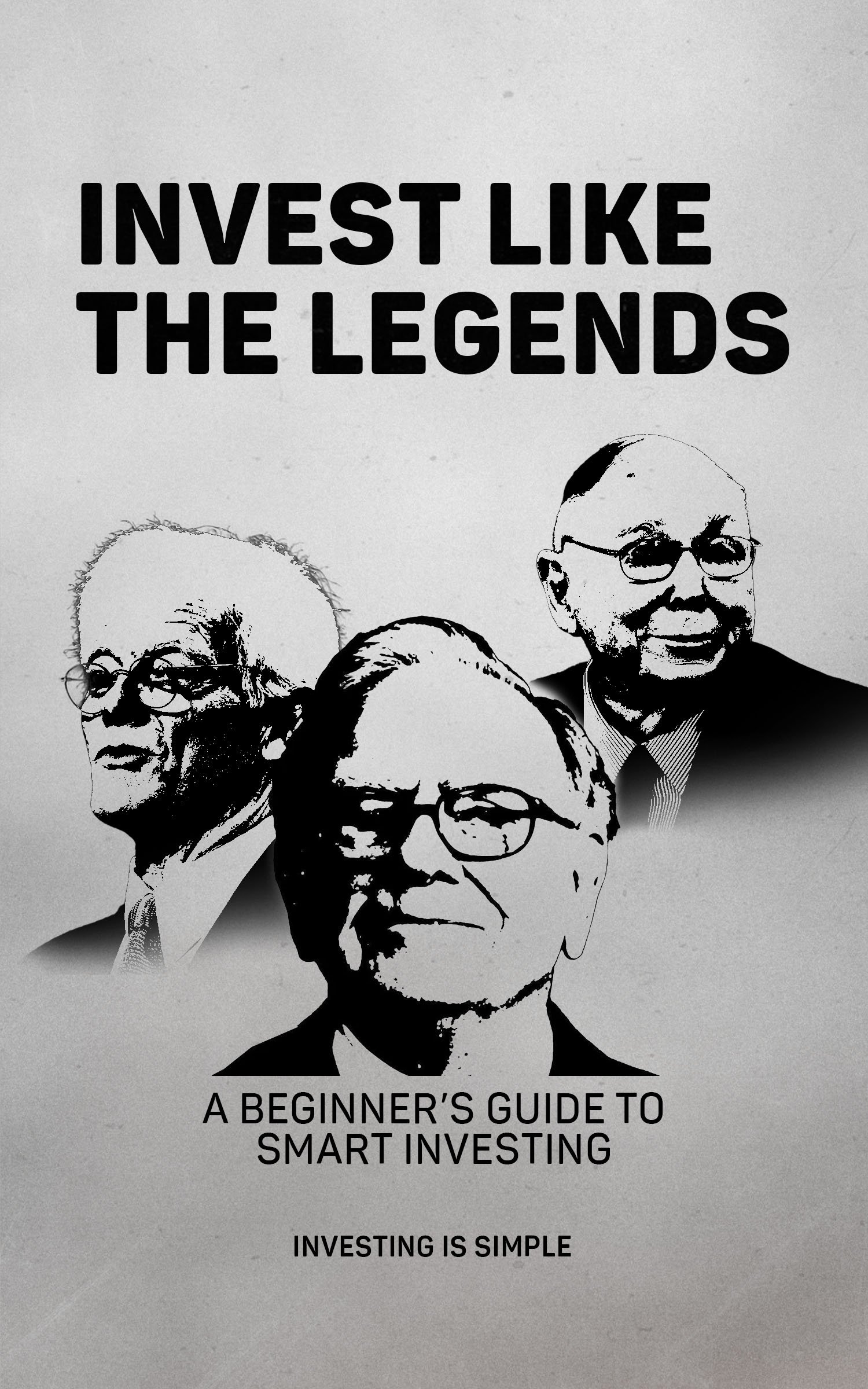
If you’re serious about investing smarter in 2025, our Investing Is Simple Bundle gives you the tools, strategies, and step-by-step guidance to help you evaluate opportunities like these with confidence. From checklists to case studies of legendary investors, you’ll get everything you need to simplify your investing process and make decisions you can trust.