Building a winning investment portfolio might seem overwhelming—especially if you’re just starting out—but it doesn’t have to be. With the right approach, you can create a portfolio that grows your wealth steadily, protects you during market swings, and positions you for success in 2026 and beyond.
The key? Simplicity and strategy.
As economic uncertainty, technological innovation, and global opportunities continue to shape the markets, having a clear, structured plan for where and how to invest is more important than ever. Whether you’re starting with $100 or $10,000, the principles of smart portfolio building are the same: diversify, focus on quality, and stay consistent.
In this guide, we’ll walk you through the exact steps to build a portfolio that works for you. You’ll learn how to set clear goals, choose the right mix of investments—like stocks, ETFs, bonds, and alternative assets—and avoid the emotional mistakes that derail so many beginners.
Ready to get started? Let’s build your portfolio for 2026.
Start With Your Investing Goals
Before you build a portfolio, you need to know what you’re building it for. Your investing goals will dictate what types of assets you include, how much risk you take, and how long you plan to stay invested. Without clear goals, you’re just throwing money into the market and hoping for the best—and hope is not a strategy.
Why Goals Matter:
Think of your portfolio as a road trip. Your goals are the destination, and the investments you choose are the vehicle to get you there. If you don’t know where you’re going, how can you decide what kind of car to drive or which route to take?
How to Set Investing Goals:
- Short-Term vs. Long-Term:Short-Term Goals (1–3 years): Saving for a vacation, buying a car, or building an emergency fund.
- Portfolio focus: Low-risk assets like bonds, cash equivalents, or dividend-paying stocks.
- Long-Term Goals (5+ years): Retirement, buying a home, or funding a child’s education.
- Portfolio focus: Growth-focused investments like stocks, ETFs, and real estate.
- Know Your Risk Tolerance:Ask yourself: “How much volatility can I handle without panicking?”If you can’t stomach seeing your portfolio drop 10–20% in the short term, a conservative approach with bonds and defensive stocks may be a better fit.
- If you’re young with time on your side, you can afford to take more risks for higher potential returns.
Example:
Let’s say you’re saving for retirement in 20 years. In this case:
- You’d focus on growth investments like stocks and ETFs that can compound over time.
- A temporary market dip wouldn’t derail you because you have decades for your portfolio to recover.
On the other hand, if you’re saving for a down payment on a house in two years:
- You’d prioritize stability, opting for assets like bonds, high-yield savings accounts, or dividend stocks to protect your money while earning a modest return.
Actionable Tip:
Write down your goals—both the amount of money you need and the timeline to achieve them. Having this clarity will guide every investment decision you make.
Every winning portfolio starts with a clear purpose. By defining your goals and understanding your risk tolerance, you’re laying the foundation for a portfolio that aligns with your needs—whether you’re building wealth for decades or planning for the next few years.
The Core Building Blocks of a Winning Portfolio
Once you’ve defined your goals, it’s time to build your portfolio using the essential building blocks: stocks, ETFs, bonds, and alternative assets. Each of these plays a specific role—some drive growth, others provide stability, and together they form a balanced, resilient portfolio.
1. Stocks – The Growth Engine
Why They Matter:
Stocks represent ownership in companies, and over the long term, they’ve historically delivered the highest returns of any asset class. For beginners, stocks are the primary driver of portfolio growth.
Where to Focus:
- Blue-Chip Stocks: Established companies with proven track records, like Apple, Microsoft, or Coca-Cola, offer stability and steady growth.
- Growth Stocks: Companies in fast-growing industries like technology or healthcare have higher upside potential but can also be more volatile.
- Dividend Stocks: Companies that pay regular dividends provide reliable income and can cushion losses during market downturns.
Example:
Imagine you invest in a company like Coca-Cola—a blue-chip stock that consistently grows earnings and pays dividends. Over time, you benefit from both capital appreciation and the income stream, building wealth steadily.
2. ETFs (Exchange-Traded Funds) – Diversification Made Easy
Why They Matter:
ETFs allow you to invest in a basket of stocks, bonds, or other assets all at once. They’re perfect for beginners because they reduce the risk of relying on individual stocks and offer instant diversification.
Where to Focus:
- Index Funds: ETFs that track major indices like the S&P 500 are a great starting point. They spread your money across hundreds of companies and historically deliver strong returns over time.
- Sector-Specific ETFs: If you want to target industries like clean energy, AI, or healthcare, sector ETFs allow you to focus your investments while staying diversified.
Example:
If you invest in an S&P 500 ETF like Vanguard’s VOO, you’re effectively investing in the 500 largest U.S. companies. Even if one company struggles, others in the index can offset the loss, providing steady long-term growth.
3. Bonds – Stability and Protection
Why They Matter:
Bonds provide balance to your portfolio, offering predictable income and protection during market downturns. While stocks drive growth, bonds keep your portfolio steady when volatility strikes.
Where to Focus:
- U.S. Treasury Bonds: Backed by the government, these are the safest option and offer reliable returns.
- Corporate Bonds: Bonds issued by financially strong companies provide higher yields with slightly more risk.
- Bond ETFs: If individual bonds feel too complex, bond ETFs offer diversified exposure to multiple bonds in a single investment.
Example:
During a market downturn, stocks may lose value, but your bond investments continue paying steady interest, stabilizing your overall portfolio.
4. Alternative Assets – Diversify Beyond Stocks and Bonds
Why They Matter:
Alternative assets like real estate, REITs (Real Estate Investment Trusts), and commodities like gold add another layer of diversification. They perform differently than stocks and bonds, helping to protect your portfolio during market uncertainty.
Where to Focus:
- REITs: Real Estate Investment Trusts allow you to invest in commercial real estate (like offices, apartments, and warehouses) without needing to buy property directly.
- Commodities: Assets like gold and silver tend to hold value or increase during inflation, making them a solid hedge against rising prices.
Example:
A REIT like Prologis, which focuses on logistics real estate, benefits from the rise in e-commerce demand. Investors gain exposure to real estate growth without the hassle of property ownership.
Sample Portfolio Breakdown for Beginners
For someone starting out with a balanced, long-term focus:
- 60% Stocks and ETFs (growth-focused)
- 25% Bonds (stability and income)
- 15% Alternative Assets (REITs, gold, etc.)
This mix provides both growth potential and downside protection, ensuring your portfolio can weather market ups and downs.
A winning portfolio isn’t about picking the perfect stock—it’s about building a balanced, diversified mix of assets that work together. By combining stocks, ETFs, bonds, and alternative assets, you create a strong foundation for growth, stability, and long-term success.
Diversification – Your Key to Reducing Risk
If there’s one thing that separates smart investors from gamblers, it’s diversification. Diversification means spreading your investments across different asset classes, sectors, and regions so that no single setback can derail your portfolio. It’s a critical strategy for building a portfolio that not only grows but also survives market volatility.
Why Diversification Matters
Imagine your portfolio as a table. A table with one leg (like holding only tech stocks) will topple the moment that leg weakens. But a table with multiple legs—stocks, bonds, real estate, and other assets—stays steady even if one leg wobbles.
Diversification reduces risk by ensuring that when one part of your portfolio struggles, another part can hold strong or even thrive.
Example:
During the dot-com crash of the early 2000s, investors who held only tech stocks saw their portfolios plummet. However, those who had diversified into bonds, utilities, or consumer staples weathered the storm far better because those sectors remained stable.
How to Diversify Your Portfolio in 2026
- Across Asset Classes:
- Stocks for Growth: Include a mix of blue-chip, growth, and dividend-paying stocks.
- Bonds for Stability: Treasury bonds, corporate bonds, or bond ETFs cushion your portfolio during downturns.
- Alternative Assets: REITs, gold, and commodities provide protection during inflation and economic uncertainty.
- Across Sectors:
- Avoid concentrating too heavily on one sector (like tech). Diversify into areas like:
- Healthcare (biotech and innovation)
- Energy (renewables and utilities)
- Consumer Staples (essential goods like food and beverages)
- Example: If tech stocks fall, your investments in healthcare and consumer staples can balance out the losses.
- Across Geographies:
- Don’t limit yourself to one country. Emerging markets in Asia, Latin America, and beyond are experiencing rapid growth and offer new opportunities.
- Developed markets outside the U.S., like Europe or Japan, also provide stability and diversification.
- Example: If the U.S. market slows, investments in countries like India or Vietnam—where economies are expanding—can keep your portfolio moving forward.
- Across Investment Styles:
- Mix different approaches:
- Growth Investing: Focuses on companies with high potential for future earnings.
- Value Investing: Targets undervalued companies with strong fundamentals.
- Income Investing: Prioritizes assets like dividend stocks or REITs that generate steady income.
Sample Diversified Portfolio for 2026
For a beginner looking for balance:
- 50% Stocks and ETFs:S&P 500 ETF for broad U.S. exposure.
- A healthcare ETF and some emerging market stocks.
- 25% Bonds:U.S. Treasury bonds or investment-grade corporate bonds.
- 15% Alternative Assets:Real Estate Investment Trusts (REITs) for real estate exposure.
- Gold or a commodity ETF as an inflation hedge.
- 10% Cash:A buffer to take advantage of new opportunities or unexpected market dips.
Tip:
Review your current investments. Are they spread across different asset classes, sectors, and regions? If not, consider adjusting to reduce risk and strengthen your portfolio’s foundation.
Evaluating Your Investments – How to Choose Wisely
Picking the right investments is where many beginners stumble. With so much noise in the market—hot tips, viral stocks, and endless opinions—it’s easy to get overwhelmed or make impulsive decisions. The solution? Focus on the fundamentals and evaluate every investment through a clear, logical lens.
1. Focus on Strong Fundamentals
Behind every stock ticker is a real company with real financials. Smart investors look at the quality of a business before investing, not just the hype around it.
Key Fundamentals to Check:
- Revenue and Profit Growth: Is the company consistently growing its sales and profits over time?
- Debt Levels: Too much debt can cripple a company during downturns. Look for strong balance sheets.
- Competitive Advantage: What makes the company stand out? A strong brand, cost efficiency, or unique technology are all signs of a durable business.
- Management Quality: Great leadership makes a big difference. Look for companies with visionary, responsible leadership teams.
Example:
Think of Apple—beyond being a well-known brand, its fundamentals tell the real story. Strong revenue growth, innovative products, and high customer loyalty give it a competitive edge that makes it a solid long-term investment.
2. Avoid Emotional Decisions
Investing is as much about controlling your emotions as it is about choosing the right stocks. Fear, greed, and impatience often lead to poor decisions: buying into hype or panic-selling during market drops.
How to Stay Disciplined:
- Ignore the Noise: Just because everyone is talking about a stock (like meme stocks or crypto) doesn’t mean it’s a good investment.
- Think Long-Term: Short-term market swings don’t matter if the company’s fundamentals are strong.
- Don’t Panic: Markets rise and fall—it’s normal. Reacting emotionally to every dip will only derail your progress.
Example:
During the 2008 financial crisis, many investors sold their stocks out of fear. But those who stayed invested in quality businesses saw their portfolios recover and thrive over the following decade.
3. Know What You’re Investing In
Legendary investor Warren Buffett’s golden rule is simple: “Never invest in a business you don’t understand.” If you don’t know how a company makes money, it’s impossible to judge its value or potential risks.
How to Apply This:
- Before buying a stock, ask yourself:
- What does this company do?
- How does it make money?
- Why do I believe it will succeed in the future?
- If you can’t answer these questions, move on. It’s better to miss out on an opportunity than invest blindly.
Example:
During the dot-com bubble, Buffett and Munger avoided tech stocks because they didn’t understand the businesses well enough. Their discipline saved Berkshire Hathaway from massive losses when the bubble burst.
4. Compare Opportunities – Is It Worth It?
Every investment you make has an opportunity cost—what you give up by choosing one option over another. If you’re deciding between two stocks, weigh the potential risks and rewards of each.
How to Compare:
- Risk vs. Reward: Does the potential return justify the risks?
- Valuation: Is the company fairly priced, or is it overvalued? Avoid paying too much for “hot” stocks.
- Growth Potential: Does this investment align with your long-term goals?
Example:
Imagine you’re choosing between a growth tech stock with high volatility and a stable consumer goods company like Procter & Gamble. The tech stock might offer higher upside but comes with bigger risks. The consumer goods stock, on the other hand, provides steady growth and dividends—aligning with a more conservative strategy.
Tip:
Before buying any investment, do your research. Spend time understanding the company, its financial health, and its competitive edge. The better your homework, the fewer regrets you’ll have down the road.
Choosing the right investments isn’t about luck—it’s about discipline, research, and focusing on fundamentals. By evaluating opportunities logically and avoiding emotional decisions, you’ll build a portfolio that stands the test of time.
Keep It Simple With Dollar-Cost Averaging
One of the biggest myths about investing is that you need to "time the market"—buying low and selling high. In reality, even professional investors struggle with perfect timing. For beginners, a far simpler and more effective strategy is dollar-cost averaging (DCA).
What Is Dollar-Cost Averaging?
Dollar-cost averaging is the practice of investing a fixed amount of money regularly—whether weekly, monthly, or quarterly—regardless of market conditions.
How It Works:
- When prices are low, your fixed investment buys more shares.
- When prices are high, it buys fewer shares.
- Over time, the cost of your investments averages out, reducing the risk of buying at the wrong time.
Why Dollar-Cost Averaging Works
- Removes Emotion: By investing consistently, you avoid the temptation to time the market, panic during dips, or get greedy when prices rise.
- Builds Discipline: It turns investing into a habit, helping you stay on track toward your financial goals.
- Reduces Risk: DCA smooths out market volatility. You’re less likely to suffer from buying at a market peak because your investments are spread over time.
Example:
Imagine you decide to invest $200 every month into an S&P 500 ETF:
- Month 1: The price is $40 per share → you buy 5 shares.
- Month 2: The price drops to $20 → you buy 10 shares.
- Month 3: The price rises to $50 → you buy 4 shares.
After three months, you’ve invested $600, bought 19 shares, and your average cost per share is $31.58—lower than the highest price of $50.
This is the magic of dollar-cost averaging: you automatically buy more when prices are low and less when they’re high, without trying to predict the market.
How to Start Dollar-Cost Averaging
- Set a Fixed Amount: Decide how much you can consistently invest each month. Even $50 or $100 is enough to start.
- Choose Your Investments: Focus on assets with long-term growth potential, like index funds (e.g., S&P 500 ETFs) or diversified sector funds.
- Automate the Process: Set up automatic contributions to your investment account so you don’t have to think about it.
- Stay Consistent: Stick with your plan through market highs and lows. Remember, short-term dips are opportunities, not reasons to panic.
Historically, investors who used dollar-cost averaging during market downturns (like the 2008 financial crisis) benefited as markets recovered. By continuing to invest while prices were low, they built strong portfolios that grew significantly when the market rebounded.
Takeaway:
Dollar-cost averaging is the perfect strategy for beginners: simple, effective, and proven to work over time. By investing regularly, you take the guesswork out of market timing and build wealth steadily, no matter what the market is doing.
Monitor, Adjust, and Stay Disciplined
Building a portfolio is only the beginning. To ensure it grows and aligns with your goals over time, you need to review, adjust, and—most importantly—stay disciplined. Markets will fluctuate, life will change, and opportunities will evolve, but staying on course is what separates successful investors from those who quit too soon.
1. Review Your Portfolio Regularly
At least once or twice a year, take a step back and evaluate how your investments are performing. Ask yourself:
- Are my investments still aligned with my goals?If your goals have changed (like saving for a home instead of retirement), your portfolio may need adjustments.
- Is my asset allocation on track?Over time, stock gains can cause your portfolio to become too stock-heavy, increasing risk. Rebalancing brings it back in line.
- What’s underperforming?Look at underperforming assets. Is it a temporary dip, or have the company’s fundamentals changed?
2. Rebalance Your Portfolio
Over time, your portfolio can drift from its original allocation. Rebalancing means selling a portion of overperforming assets and reinvesting in underperforming ones to maintain your desired balance.
Example:
Let’s say your target allocation was:
- 60% stocks
- 25% bonds
- 15% alternative assets
After a year of strong stock market gains, your portfolio is now:
- 75% stocks
- 15% bonds
- 10% alternative assets
To rebalance, you’d sell some stocks and reinvest in bonds or alternative assets to bring your allocation back in line. This not only reduces risk but also encourages you to sell high and buy low—exactly what smart investors aim to do.
3. Stay Focused on Long-Term Goals
Market volatility can trigger panic. When stocks drop, the temptation to sell and “stop the bleeding” is strong. But short-term dips are part of investing, and staying invested is critical for long-term success.
How to Stay Disciplined:
- Remember Your Why: Go back to your goals. If you’re saving for retirement 20 years away, a 5% market drop today is irrelevant.
- Ignore the Noise: Headlines will scream about market crashes, but markets historically recover. Long-term investors who stay the course come out ahead.
- Think Like Buffett: Warren Buffett famously says, “The stock market is a device for transferring money from the impatient to the patient.” Stay patient, and let compounding work in your favor.
4. Adapt to Life Changes
Your financial situation and goals will evolve over time—whether you get a new job, start a family, or approach retirement. Adjust your portfolio as needed:
- If your risk tolerance decreases, shift toward more stable assets like bonds.
- If you receive a raise, consider increasing your monthly investments to accelerate your progress.
- If a major life event occurs, revisit your goals to make sure your portfolio still supports them.
Actionable Tip:
Schedule a “portfolio check-up” on your calendar—twice a year is enough. Treat it like a health check: a quick review to see if everything is on track and make small adjustments if necessary.
Monitoring and adjusting your portfolio isn’t about chasing performance—it’s about staying balanced, aligned with your goals, and disciplined during market highs and lows. By keeping a long-term perspective and rebalancing when needed, you’ll set yourself up for consistent growth and financial success.
Build Your Winning Portfolio With Confidence
Building a portfolio might seem daunting at first, but as you’ve seen, it’s a process that anyone can master with the right approach. By setting clear goals, focusing on diversification, choosing quality investments, and staying disciplined, you can create a portfolio that grows your wealth steadily—no matter what 2026 brings.
Key Takeaways:
- Start with your investing goals: Define what you’re investing for and how much risk you can handle.
- Use the core building blocks—stocks, ETFs, bonds, and alternative assets—to build a balanced, resilient portfolio.
- Diversify wisely across sectors, geographies, and investment types to reduce risk.
- Invest consistently with dollar-cost averaging, and stay committed to your long-term strategy.
- Monitor your portfolio regularly, rebalance when needed, and ignore the noise of short-term market swings.
Ready to Take the Next Step?
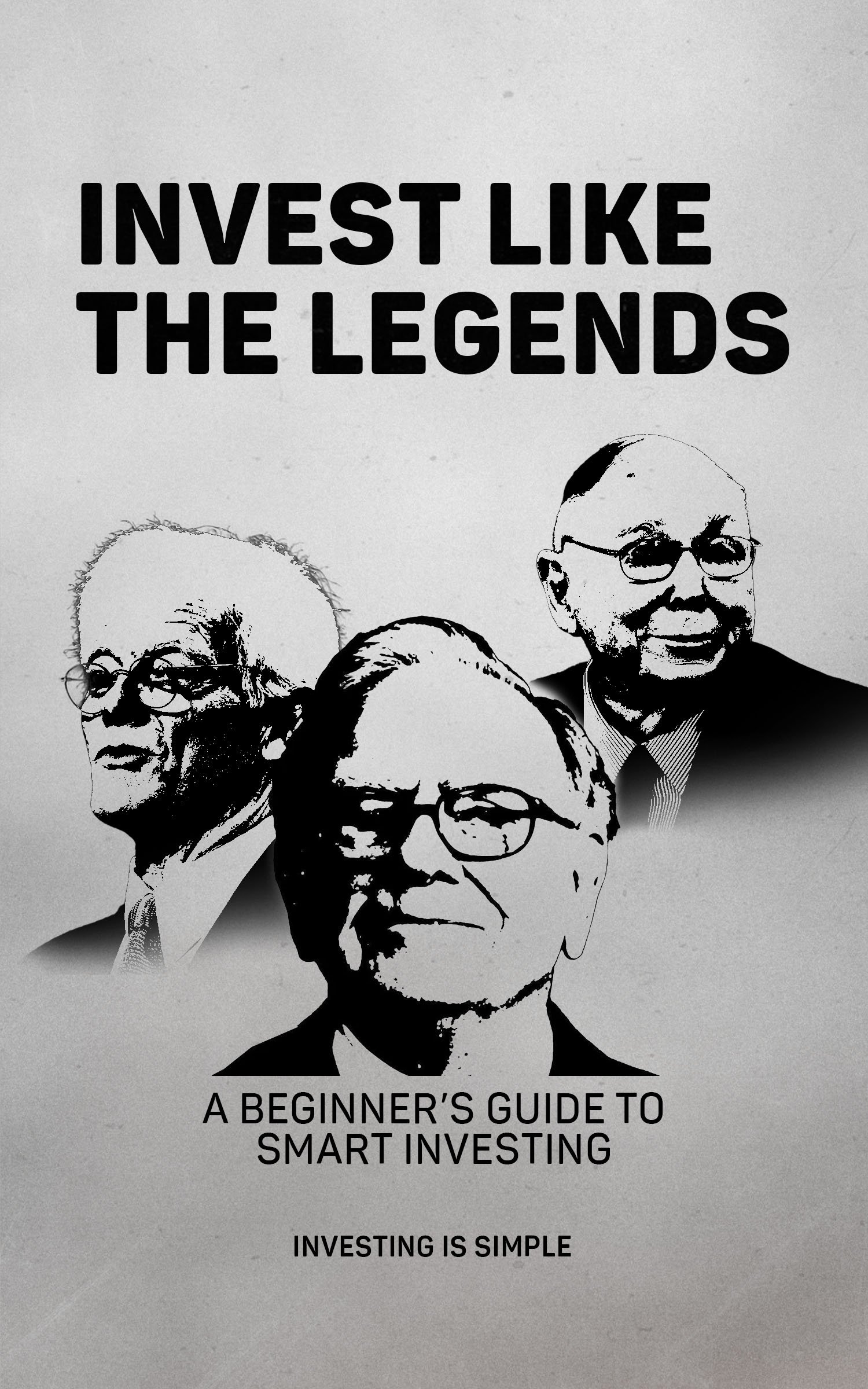
If you’re serious about building a winning portfolio but want a proven system to simplify the process, check out the Investing Is Simple Bundle. It’s a complete toolkit designed to help you:
- Evaluate investments step-by-step using proven strategies from legendary investors.
- Stay disciplined and avoid emotional mistakes.
- Build confidence in your portfolio decisions—whether you’re just starting out or looking to improve.