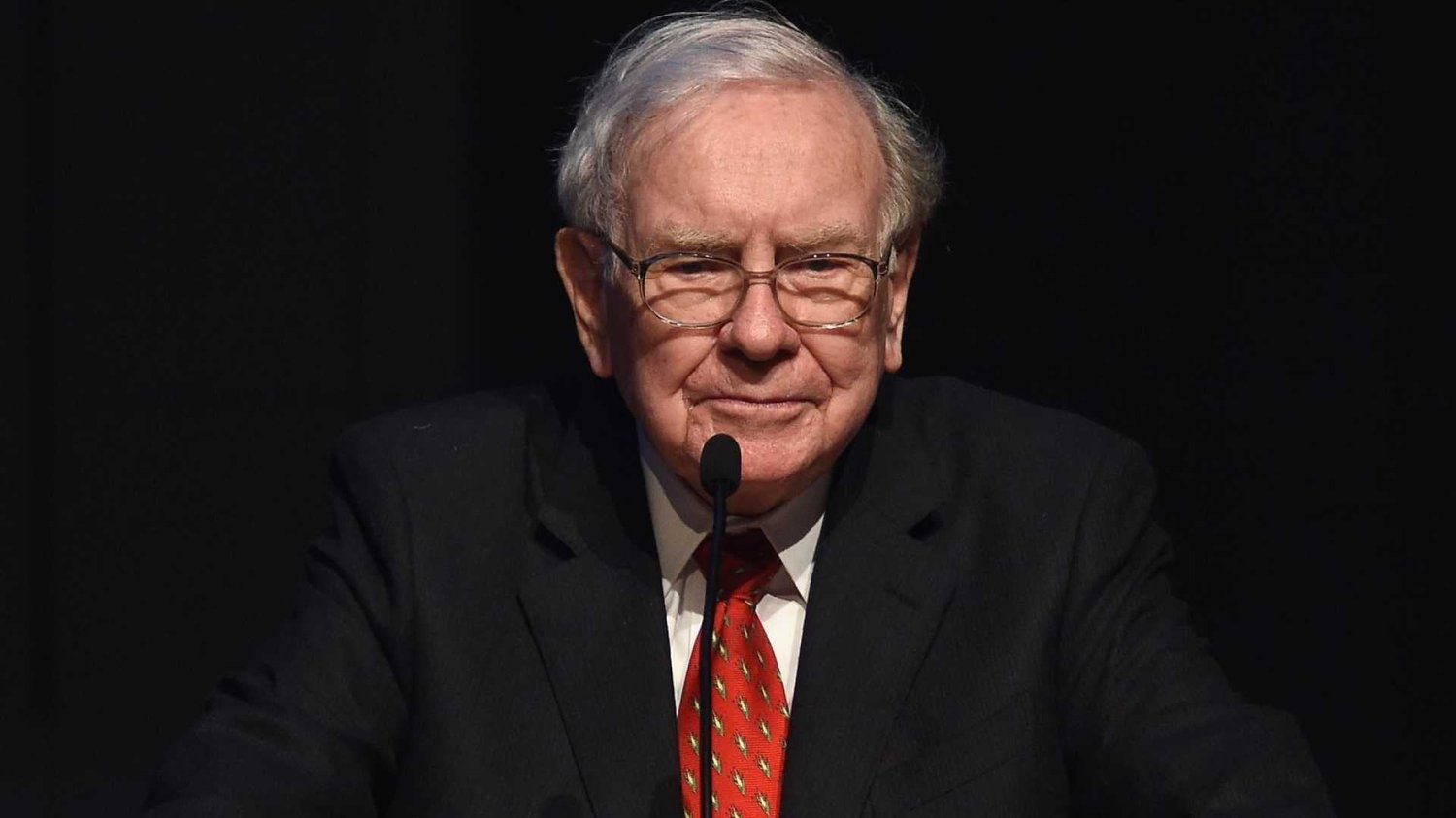
Buffett’s Core Investing Principles
Warren Buffett didn’t become one of the world’s richest investors by chasing trends or speculating on risky bets. Instead, he followed a set of timeless principles that anyone—whether you’re a complete beginner or experienced investor—can use to pick winning stocks.
Here are the three key principles that form the foundation of Buffett’s investing strategy:
1. The Circle of Competence
Buffett’s first rule is simple: only invest in what you understand. Your circle of competence includes industries, businesses, or companies you truly “get”—where you can explain how the business makes money and what drives its success.
- Why It Matters:
- Investing outside your circle of competence means you’re guessing. Without understanding a company, it’s hard to judge whether it’s a good investment.
- Buffett’s Example:
- In the 1990s, during the tech boom, Buffett famously avoided internet stocks. While others rushed to buy into tech companies they didn’t understand, Buffett stuck to businesses like Coca-Cola—a company with a clear product, a proven business model, and predictable growth. When the tech bubble burst, Buffett’s discipline saved him billions.
- How You Can Apply It:
- Look for companies in industries you know well, like consumer goods, retail, or technology (if you work in or use tech regularly).
- Ask yourself: “Can I explain what this company does and how it makes money to a 12-year-old?” If not, it’s likely outside your circle of competence.
2. The Margin of Safety
The second principle is all about protecting yourself from mistakes. Buffett believes in buying stocks for less than their true value, creating a margin of safety in case things don’t go as planned.
- Why It Matters:
- Even the best investors make mistakes. Buying a stock at a discounted price minimizes your downside risk while leaving room for significant upside.
- Buffett’s Example:
- When Buffett invested in American Express in the 1960s, the company was undervalued because of short-term challenges. Buffett recognized its strong fundamentals and brand power, buying shares at a “bargain price.” Over time, the stock rebounded, and his investment paid off handsomely.
- How You Can Apply It:
- Use valuation tools like the P/E ratio (price-to-earnings) and look for stocks trading below their historical averages.
- Wait for opportunities during market dips or when quality companies face temporary setbacks.
3. A Long-Term Focus
Buffett’s final principle is to think long term. He doesn’t worry about short-term market fluctuations. Instead, he invests in companies that can grow and thrive for decades.
- Why It Matters:
- The stock market can swing wildly in the short term, but over time, quality companies tend to grow steadily. Long-term thinking helps you avoid panic-selling during market dips and instead focus on the big picture.
- Buffett’s Mindset:
- Buffett often says, “If you aren’t willing to own a stock for 10 years, don’t even think about owning it for 10 minutes.”
- His approach is simple: buy great companies, hold them through market ups and downs, and let compounding work its magic.
- How You Can Apply It:
- Ask yourself: “Will this company still be relevant and profitable in 10 years?”
- Ignore short-term market noise—focus on the company’s long-term potential and competitive advantage.
Takeaway:
By focusing on your circle of competence, ensuring a margin of safety, and maintaining a long-term mindset, you’re following in Buffett’s footsteps. These principles take the guesswork out of investing and set you up to pick quality stocks that stand the test of time.
How to Evaluate a Company’s Fundamentals
Warren Buffett’s stock-picking strategy isn’t about chasing the hottest trends or guessing what the market will do next. Instead, he digs deep into a company’s fundamentals to ensure it’s a sound investment. Here’s how you can do the same:
1. Earnings: Look for Consistent Profitability
A company’s earnings are its lifeblood. Buffett looks for businesses with a proven track record of consistent profits over the years.
- What to Check:
- Earnings Per Share (EPS): Is it steadily increasing year over year?
- Operating Margin: A higher margin indicates the company runs efficiently and can withstand challenges.
- Buffett’s Tip:
- Avoid companies that rely on “one-hit wonders” for profitability. Instead, seek businesses with stable and predictable earnings.
2. Moats: The Competitive Advantage
Buffett loves companies with a strong economic moat—a unique edge that protects them from competitors.
- What to Look For:
- Brand Power: Companies like Coca-Cola and Apple have loyal customers who keep coming back.
- Cost Advantages: Businesses that can produce goods or services cheaper than competitors.
- Network Effects: Companies like Visa benefit from being widely adopted, making them hard to replace.
- Why It Matters:
- A strong moat means a company can maintain its market position and profitability over time, even in competitive industries.
3. Management: Trust the Leaders
Buffett famously says, “When a good management team tackles a bad business, the business keeps its reputation.” In other words, management matters.
- What to Research:
- Track Record: Have the CEO and executives led the company successfully for years?
- Transparency: Do they communicate openly about challenges and strategies?
- Alignment: Are executives invested in the company’s success (e.g., through significant stock ownership)?
- Buffett’s Rule of Thumb:
- Choose companies led by managers who think like owners—focused on long-term growth, not short-term stock price bumps.
4. Debt Levels: A Red Flag or a Sign of Strength?
Too much debt can sink even the best business. Buffett prefers companies with manageable debt levels and the ability to weather economic downturns.
- Key Metric:
- Debt-to-Equity Ratio: A lower ratio typically indicates financial stability.
- Buffett’s Caution:
- Avoid companies that rely heavily on borrowing to finance growth—it’s often a sign of trouble in tough times.
How to Get Started:
When analyzing a company, keep these fundamentals in mind. Look for businesses with a clear track record, strong advantages, trustworthy leadership, and healthy finances. By following these steps, you’ll be investing with the same focus and discipline that Buffett uses.
The Power of Long-Term Focus
One of Warren Buffett’s greatest strengths is his patience. He famously says, “The stock market is a device for transferring money from the impatient to the patient.” While many investors chase quick profits, Buffett takes the long view—and it’s a strategy you can adopt, too.
1. Think in Decades, Not Days
Buffett doesn’t buy stocks expecting to sell them in a year or two. Instead, he invests in businesses he believes will thrive for decades.
- Why This Matters:
- Long-term thinking reduces the pressure to time the market—a notoriously tricky endeavor.
- It allows the power of compounding to work its magic.
- Real-World Example:
- Buffett bought Coca-Cola shares in 1988. Over the decades, he’s seen his initial investment multiply many times, all while collecting dividends.
2. Ignore Market Noise
The stock market is unpredictable in the short term. Headlines about crashes, rallies, or the latest “hot stock” can create unnecessary stress for investors.
- Buffett’s Advice: Tune out the noise and focus on the fundamentals of the companies you own.
- Remember that stock prices often reflect emotions in the short term, but fundamentals win in the long run.
3. Stick to Your Strategy
Buffett doesn’t waver from his investment principles, even during market downturns. His ability to stay the course has been key to his success.
- How to Apply This:
- Set clear goals for your investments (e.g., retirement savings, wealth building).
- Avoid selling during market dips unless your original thesis for buying the stock has changed.
- Buffett’s Perspective:
- “The best holding period is forever.” While forever may not always be realistic, keeping a long-term horizon can prevent costly emotional decisions.
4. Harness Dividends for Steady Growth
Many of Buffett’s investments are in companies that pay regular dividends. Dividends provide a reliable income stream while you hold your investments.
- Why They Matter:
- They can cushion portfolio returns during market downturns.
- Reinvesting dividends accelerates the compounding process.
- Tip for Beginners:
- Look for companies with a history of consistent dividend payments and a reputation for increasing payouts over time.
A Buffett Mindset for Long-Term Success
By focusing on long-term growth and ignoring short-term distractions, you’ll be better equipped to build wealth steadily. Remember: Investing isn’t about quick wins—it’s about choosing solid businesses and letting time do the heavy lifting.
Evaluating a Company’s Fundamentals
Buffett’s success stems from his meticulous attention to a company’s fundamentals. He doesn’t just buy stocks—he invests in businesses he deeply understands. This section breaks down the key metrics and traits Buffett examines before making an investment.
1. Earnings and Profitability
Buffett prioritizes companies with a track record of strong, consistent earnings growth.
- Why It Matters: Consistent profitability indicates a healthy, well-managed business.
- Earnings growth suggests the company is on the right path to long-term success.
- How to Check: Review financial statements, focusing on net income and operating margin trends.
- Look for businesses that reinvest profits wisely for further growth.
2. Economic Moat
Buffett is famous for seeking companies with a durable competitive advantage—or what he calls an “economic moat.”
- What Is It? A moat is what sets a company apart from competitors, protecting its market share and profitability.
- Examples include strong brand loyalty (like Apple), cost advantages (like Walmart), or high switching costs (like Adobe).
- How to Evaluate: Research whether the company dominates its industry.
- Assess its pricing power and ability to fend off new competitors.
3. Quality of Management
Buffett places immense value on trustworthy and capable leadership. He often says, “I look for people I’d be happy to work for.”
- Traits to Look For: Transparent communication with shareholders.
- A proven ability to allocate capital wisely.
- A focus on long-term growth rather than short-term gains.
- Where to Learn This: Read the company’s annual shareholder letters.
- Analyze management’s track record in previous market cycles.
4. Debt Levels and Financial Health
Buffett avoids companies burdened with excessive debt, as it limits their ability to weather economic downturns.
- Key Metrics:
- Debt-to-equity ratio: Lower ratios are generally better.
- Free cash flow: Companies with steady cash flow are better positioned to manage debt and invest in growth.
- Pro Tip:
- Stick to companies with manageable debt levels and a history of strong cash flow generation.
5. Predictable Business Models
Buffett prefers businesses that are simple to understand and have predictable operations.
- Examples of Buffett’s Investments: Coca-Cola: A global beverage leader with steady demand.
- American Express: A financial services giant with a clear business model.
- What This Means for You: If you can’t explain how a company makes money, think twice before investing.
- Focus on industries and businesses you understand well.
Buffett’s Checklist for Smart Investing
Before investing, ask yourself:
- Is the company consistently profitable?
- Does it have a durable competitive advantage?
- Is management trustworthy and competent?
- Are its finances solid, with manageable debt?
- Do I fully understand its business model?
By applying these principles, you’ll gain the confidence to choose stocks like Warren Buffett—methodically and wisely.
Why Buffett Invested in Coca-Cola (And What You Can Learn)
One of Warren Buffett’s most iconic investments is Coca-Cola. Purchased in the late 1980s, it remains a cornerstone of Berkshire Hathaway’s portfolio today. Understanding the rationale behind this decision reveals valuable insights into Buffett’s approach to investing.
1. A Simple and Timeless Business
Coca-Cola’s business model is easy to grasp: selling beverages that millions of people consume daily.
- Why Buffett Liked It: Predictable demand ensures consistent revenue streams.
- The product is affordable, universally appealing, and deeply embedded in consumer habits.
- Lesson for Beginners: Look for companies that offer straightforward products or services you can explain in one sentence.
2. A Powerful Economic Moat
Coca-Cola’s competitive edge lies in its global brand recognition, extensive distribution network, and customer loyalty.
- What Buffett Saw:
- Few brands rival Coca-Cola’s market presence.
- Its moat makes it challenging for competitors to erode its dominance.
- Takeaway:
- Seek businesses with strong, durable advantages that set them apart in their industry.
3. Consistent and Growing Earnings
At the time of Buffett’s investment, Coca-Cola was generating stable profits and had a proven ability to grow.
- Buffett’s Perspective: A business that steadily grows its earnings is less risky in the long run.
- Coca-Cola’s global expansion created opportunities for sustained growth.
- What You Can Do: Focus on companies with a track record of growing revenues and profits.
4. Management He Could Trust
Buffett has often emphasized the importance of investing in companies with competent, shareholder-focused leadership.
- Coca-Cola’s Management: Focused on building long-term value.
- Demonstrated a clear vision for global growth.
- Your Lesson: Research a company’s leadership team to ensure they prioritize sustainable success over short-term gains.
5. A Fair Price for a Great Business
Buffett bought Coca-Cola shares when they were attractively priced, ensuring a strong return on investment.
- Buffett’s Quote:
- “It’s far better to buy a wonderful company at a fair price than a fair company at a wonderful price.”
- Actionable Tip:
- Don’t overpay for stocks, even if the company is excellent. Use valuation metrics like the P/E ratio or discounted cash flow analysis to assess whether the price is reasonable.
Your Coca-Cola Strategy
While you might not have millions to invest, the principles behind Buffett’s Coca-Cola investment are universally applicable:
- Focus on simple, reliable businesses.
- Prioritize companies with strong moats and steady earnings.
- Look for trustworthy management and avoid overpaying.
By following these steps, you can build a portfolio that mirrors Buffett’s disciplined and thoughtful approach.
Start Your Buffett-Inspired Investing Journey
Warren Buffett’s success isn’t built on complicated strategies or high-risk moves—it’s rooted in simple, disciplined principles anyone can follow. Whether you’re investing in iconic brands like Coca-Cola or exploring new opportunities, the key lies in focusing on businesses you understand, assessing their long-term potential, and remaining patient.
If you’re ready to apply these principles but need a clear roadmap, our Investing Is Simple Bundle is here to guide you. With tools, insights, and actionable steps inspired by legends like Buffett, it’s designed to help beginners like you invest with confidence.