

What Is Unit 8200?
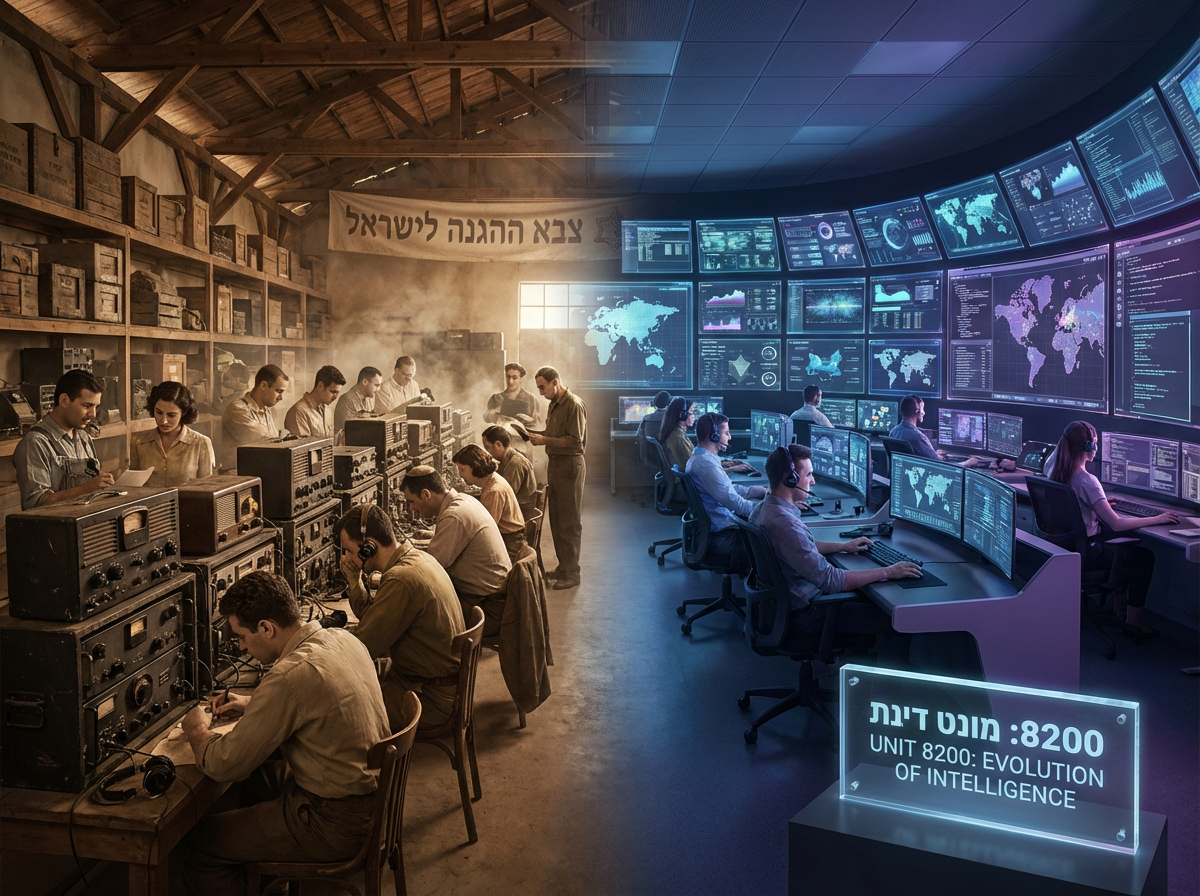
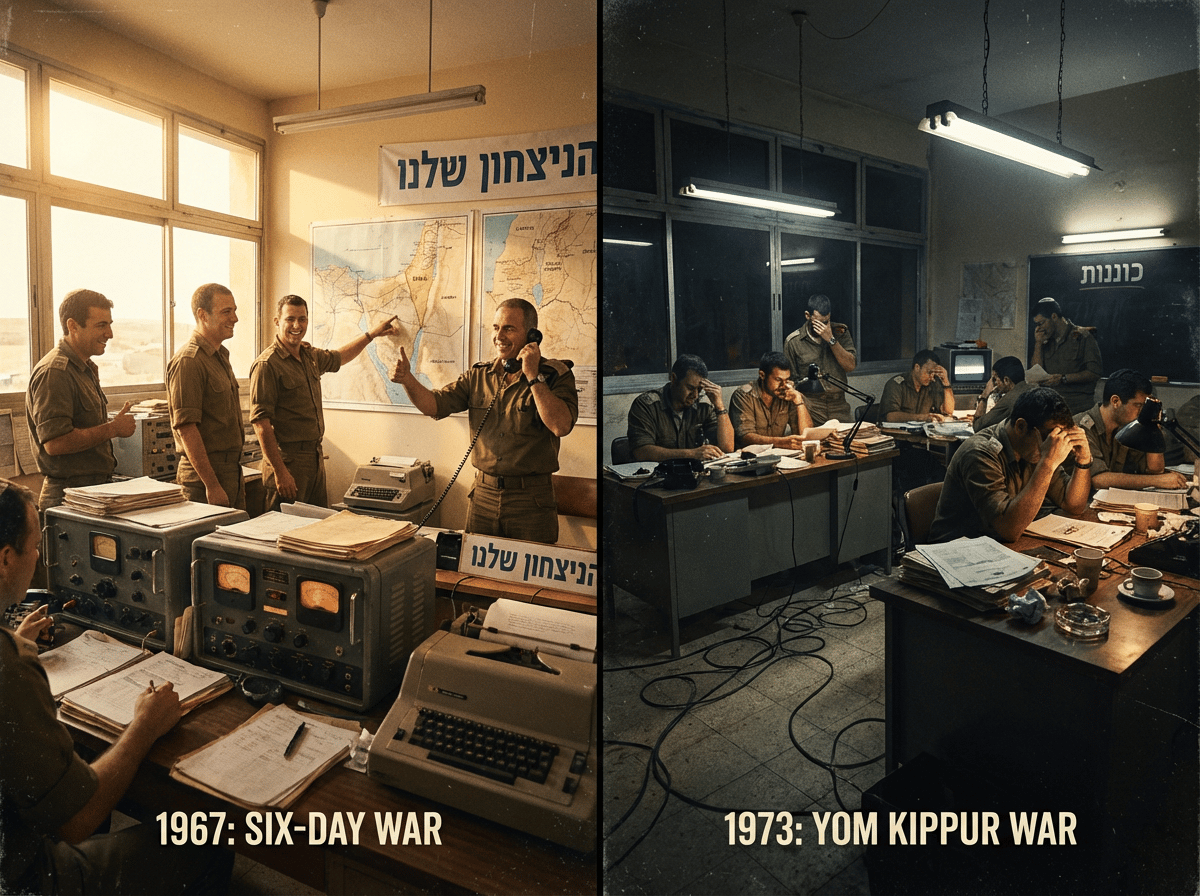
Unit 8200 is the signals intelligence (SIGINT) and cyber warfare unit of the Israel Défense Forces (IDF), widely considered the Israeli equivalent of the U.S. National Security Agency (NSA) or Britain's GCHQ. Responsible for collecting electronic intelligence, conducting cyber operations, and developing advanced surveillance technologies, Unit 8200 has evolved from a small group of radio operators in 1952 into one of the most sophisticated intelligence organizations in the world.
But Unit 8200's influence extends far beyond military intelligence. The unit has become the single most important incubator for Israel's technology sector, with alumni founding companies including Check Point, Waze, Palo Alto Networks, CyberArk, Imperva, and dozens of other cybersecurity giants worth hundreds of billions of dollars combined.
Understanding Unit 8200 is essential for anyone seeking to comprehend modern cyber warfare, the global cybersecurity industry, or the complex relationship between military intelligence and commercial technology.
The Origins: How Israel Built a Signals Intelligence Capability from Nothing (1948-1967)
The story begins in the chaotic early years of Israeli statehood. Surrounded by hostile neighbours with larger populations and military forces, Israel's founders recognized that the young nation could never match Arab strength—but might exceed Arab knowledge.
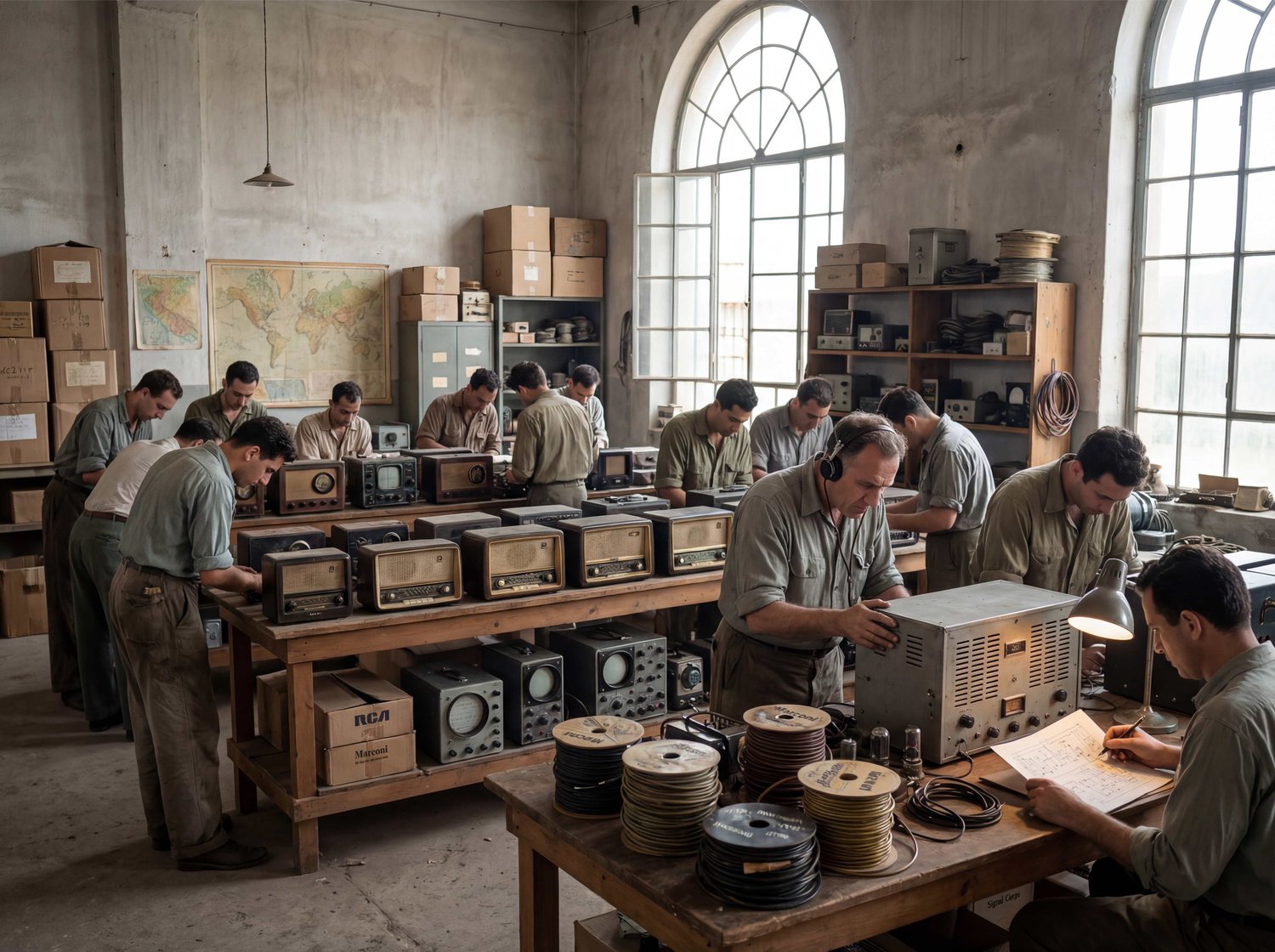
In 1952, what would become Unit 8200 consisted of approximately twelve technicians working with surplus equipment salvaged from departing British forces and American military stocks. Operating from facilities that resembled warehouses more than intelligence centres, these pioneers laid the foundations for what would become a cyber superpower.
The early unit focused on basic signals intelligence: intercepting radio communications, breaking codes, and monitoring enemy military traffic. Resources were desperately limited, with monthly budgets measured in thousands of dollars rather than the billions the organization would eventually command.
Yet this period of improvisation established core principles that would define the unit's culture for decades: technological innovation as force multiplier, recruitment of exceptional talent regardless of conventional credentials, and a willingness to attempt operations that larger, better-funded agencies considered impossible.
The Six-Day War and Yom Kippur: Triumph and Catastrophe
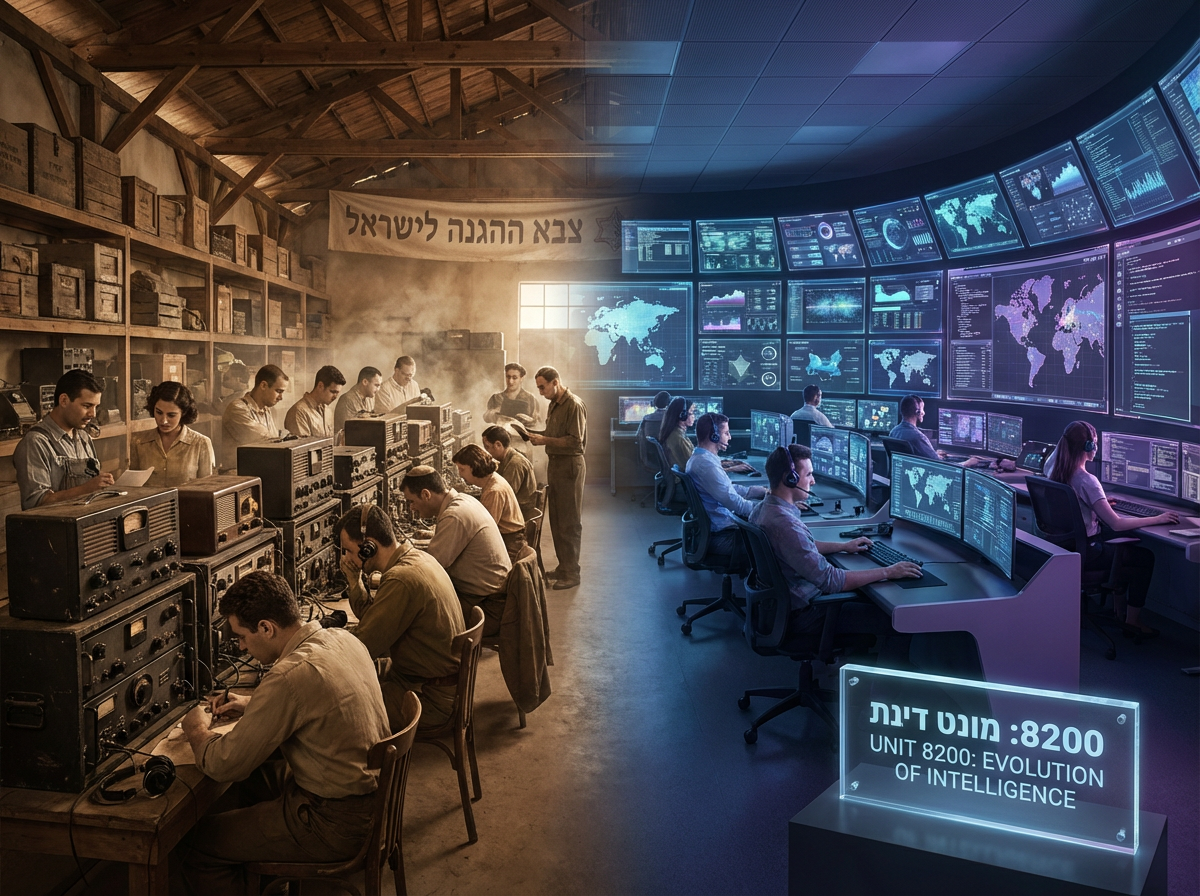
The 1967 Six-Day War validated Israel's investment in signals intelligence. The unit's contributions to the lightning victory demonstrated that accurate, timely intelligence could offset material disadvantages and enable military operations of unprecedented precision.
The success brought expanded budgets, new recruitment priorities, and growing influence within Israel's security establishment. Unit 8200 began attracting the nation's top technical talent, establishing the pattern that would eventually feed the technology sector.
Then came 1973.
The Yom Kippur War represented a catastrophic intelligence failure. Despite possessing the technical capability to detect Egyptian and Syrian preparations for the surprise attack, institutional failures prevented warnings from reaching decision-makers in time. Israel suffered its most serious military setback since independence, with casualties that traumatized the nation.
For Unit 8200, the disaster forced fundamental institutional reform. The lessons learned—about groupthink, about the dangers of confirmation bias, about the critical importance of speaking truth to power—shaped the organizational culture that would define the unit's future success.
The Cyber Revolution: Stuxnet and the Dawn of Digital Warfare
The most consequential chapter in Unit 8200's history began in the early 2000s, as intelligence agencies worldwide grappled with a new challenge: Iran's nuclear program.
Operation Olympic Games, conducted jointly with the United States, produced Stuxnet—widely recognized as the world's first true cyber weapon. Unlike previous digital attacks focused on espionage or disruption, Stuxnet caused physical destruction, damaging centrifuges at Iran's Natanz nuclear facility and setting back the Iranian program by years.
The operation crossed a threshold that could never be uncrossed. Stuxnet demonstrated that code could destroy physical infrastructure, that cyber attacks could achieve strategic objectives previously requiring military strikes, and that the age of digital warfare had arrived.
Unit 8200's role in Stuxnet established the organization as a global leader in offensive cyber capabilities. But it also inaugurated an era of escalating cyber conflict, with nation-states worldwide racing to develop similar capabilities—including adversaries who would eventually turn such tools against Israel and its allies.
The Startup Empire: How Military Service Built a Technology Sector
Perhaps no military unit in history has produced more successful entrepreneurs than Unit 8200.
The list of companies founded by veterans reads like a who's who of cybersecurity and technology innovation. Check Point, founded by Unit 8200 veteran Gil Shwed in 1993, pioneered firewall technology and remains one of the world's largest cybersecurity companies. Waze, the navigation app acquired by Google for over $1 billion, was co-founded by Unit 8200 alumni. Palo Alto Networks, CyberArk, Imperva, and dozens of other major companies trace their origins to the unit.
The 8200 Alumni Association has become one of the most influential networks in global technology, connecting veterans with funding, mentorship, and commercial opportunities. Israeli startups continue raising billions in venture capital, with Unit 8200 service functioning as a credential that opens doors worldwide.
This phenomenon reflects several factors: the technical training veterans receive, the security clearances that enable work on sensitive projects, the problem-solving culture instilled during service, and the network effects of an alumni community that actively supports its members' commercial ventures.
The Pegasus Controversy: When Capability Becomes Crisis
Unit 8200's influence extends beyond companies founded by veterans to the commercial surveillance industry that emerged from Israeli intelligence capabilities.
NSO Group, founded by Unit 8200 alumni, developed Pegasus—perhaps the most sophisticated commercial spyware ever created. Capable of completely compromising smartphones with zero user interaction, Pegasus was sold to governments worldwide for ostensibly legitimate law enforcement and counterterrorism purposes.
The Pegasus revelations that began in 2021 exposed how the technology had been used against journalists, human rights activists, political dissidents, and even heads of state. The scandal raised fundamental questions about the relationship between military intelligence capabilities and commercial technology, the adequacy of export controls, and the ethical responsibilities of those who develop surveillance tools.
For Unit 8200 and Israel's broader technology sector, Pegasus represented a reckoning. The same capabilities that had protected the nation and generated enormous wealth had also enabled abuses that damaged Israel's international reputation and raised questions about the entire model of commercializing intelligence-derived technology.
Unit 8200 Today: AI, Quantum Computing, and the Future of Cyber Warfare
Unit 8200 continues evolving to address emerging technological challenges.
Artificial intelligence has become central to the unit's operations, with machine learning systems processing vast quantities of signals intelligence that would overwhelm human analysts. The integration of AI into military intelligence raises new questions about autonomous decision-making, algorithmic bias, and the future of human judgment in warfare.
Quantum computing presents both threat and opportunity. The eventual development of practical quantum computers could render current encryption methods obsolete, threatening communications security worldwide while potentially enabling new intelligence capabilities.
Recent years have seen Unit 8200's work increasingly integrated with Israel's broader defence-tech ecosystem, with technologies moving rapidly between military and commercial applications. The unit's influence continues growing, even as scrutiny intensifies.
Why the Unit 8200 Story Matters Beyond Israel
The history of Unit 8200 illuminates challenges every democratic society must confront in the digital age.
The tension between security and privacy, between the capabilities technology enables and the values democratic societies seek to protect, between innovation and ethical responsibility—these are not uniquely Israeli dilemmas. Every nation developing cyber capabilities, every company commercializing surveillance technology, every citizen whose data flows through systems that could be monitored faces versions of the same questions.
Understanding how Unit 8200 navigated these challenges—its successes and failures, its innovations and controversies—offers lessons for policymakers, technologists, and citizens worldwide.
About the Book: Unit 8200: Israel's Cyber Warriors
For those seeking the complete story of Unit 8200—from the 1952 warehouse to the present day—Unit 8200: Israel's Cyber Warriors provides the definitive account.
Based on years of research including declassified documents, veteran interviews, and analysis of leaked materials, the book traces the unit's evolution through its greatest triumphs and most troubling controversies. It examines the individuals who built these capabilities, the operations that demonstrated their potential, and the commercial empires that emerged from military service.
Most importantly, it grapples with the ethical questions that accompany extraordinary technological power—questions that will only become more urgent as cyber capabilities continue advancing.