
As parents and teachers, we all want children to succeed. We want them to learn their letters, recognize numbers, and develop the skills they need for school. But one of the most powerful learning tools for young children might surprise you: Play.
In Pre-K and Kindergarten, play is not a break from learning—it is learning.
Learning Through Play
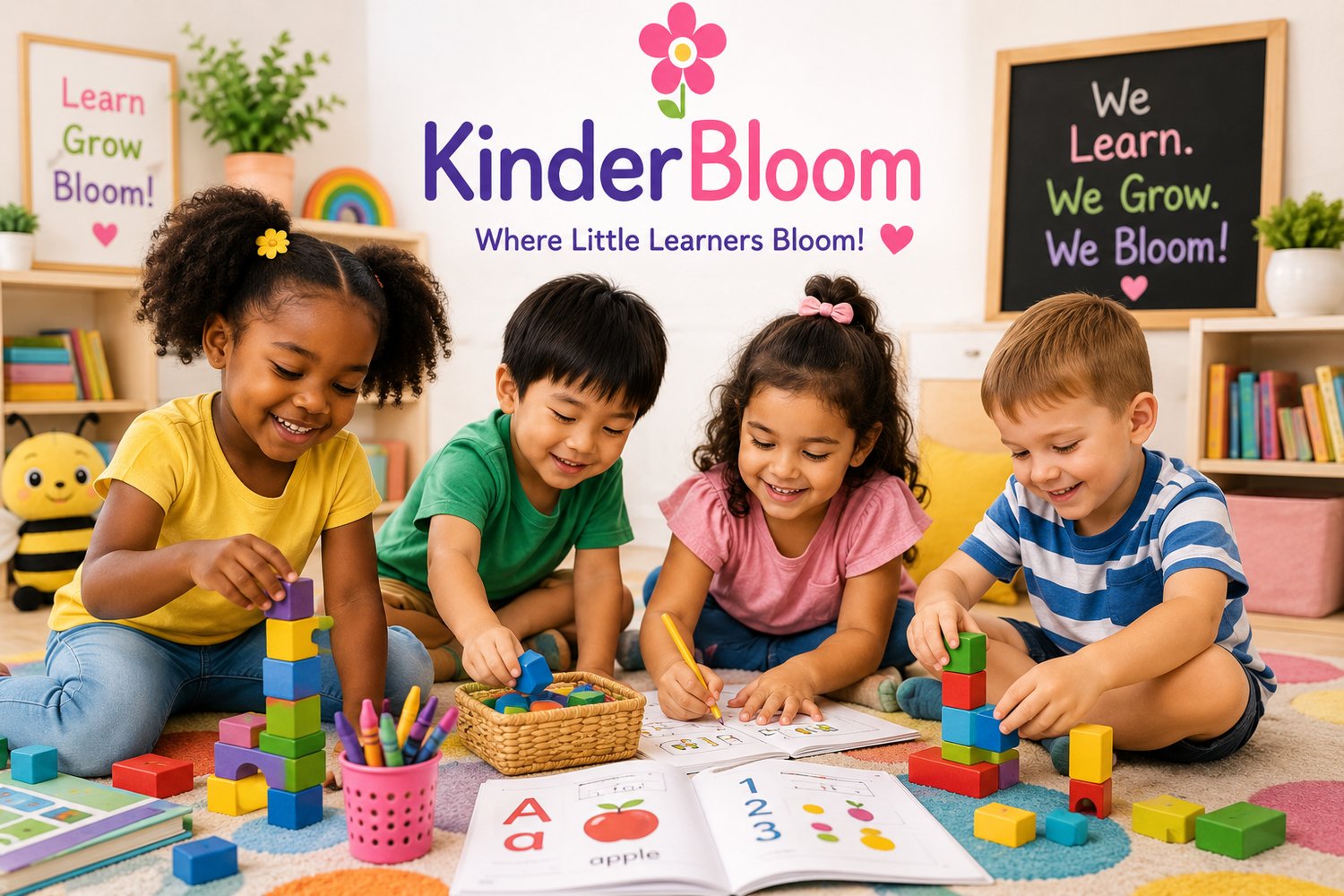
When children build with blocks, create pretend restaurants, sort colorful objects, or play outside with friends, they are developing important academic and life skills.
Research shows that play-based learning helps children develop language, problem-solving abilities, creativity, self-regulation, and social-emotional skills. These skills create the foundation for future success in reading, writing, math, and beyond.
Through play, children learn how to:
- Solve problems independently
- Work cooperatively with others
- Express their thoughts and ideas
- Practice communication skills
- Build confidence and resilience
- Develop creativity and imagination
Play Supports Early Literacy
Many parents are surprised to learn that play helps children become better readers and writers.
When children engage in dramatic play, they naturally use language, tell stories, recognize environmental print, and practice communication skills. Activities such as pretending to write menus, creating signs, and retelling stories help develop early literacy skills in meaningful ways.
Reading aloud remains one of the most powerful things adults can do. Listening to stories builds vocabulary, comprehension, attention, and a love of books long before children are reading independently.
What Does Play Look Like in a Classroom?
A play-based classroom is full of purposeful learning opportunities.
You might see children:
- Building towers and measuring height with blocks
- Exploring letters and sounds in a literacy center
- Sorting objects by color, shape, or size
- Acting out stories with puppets
- Playing store and counting pretend money
- Creating artwork with scissors, crayons, and paint
- Working together to solve challenges
To an adult, it may look like fun and games. To a child, it is meaningful learning.
Skills That Matter Most
While learning letters and numbers is important, social-emotional skills are equally critical for school success.
Young children benefit from learning how to:
- Follow directions
- Take turns
- Share materials
- Manage emotions
- Build friendships
- Persevere through challenges
These skills help children become confident learners and successful classmates.
Simple Ways Families Can Support Learning at Home
You do not need expensive materials or complicated lessons to help your child learn.
Try these simple activities:
- Read together every day
- Sing songs and nursery rhymes
- Build with blocks or household items
- Play board games
- Encourage pretend play
- Take nature walks
- Ask open-ended questions
- Let children draw, create, and explore
These everyday experiences build language, thinking, and problem-solving skills that support lifelong learning.
Final Thoughts
At KinderBloom Co., we believe children learn best when they are engaged, curious, and having fun. Play gives children opportunities to explore the world around them, develop essential skills, and build a love for learning that can last a lifetime.
So the next time you see a child building a block tower, pretending to be a chef, or creating a masterpiece with crayons, remember:
They are not just playing. They are growing, learning, and blooming.
🌸 Watch our little learners bloom.