


For a long time, I thought I was “bad at studying.” I would sit for hours, reread my notes, highlight everything, and still feel overwhelmed and behind.
What actually changed everything wasn’t studying longer—it was changing how I studied.
These are the 10 study habits I actually use, based on psychology and learning science, that helped me focus better, remember more, and stop feeling constantly exhausted.
1. I Test Myself Instead of Just Rereading
This was a big one for me. Rereading felt productive, but it never really worked.
Now, I try to pull information out of my brain first—through practice questions, flashcards, or writing everything I remember before checking my notes.
Why it works: Actively recalling information strengthens memory much more than passive review.
2. I Study a Little Bit Over Several Days
I used to cram everything the night before. It only made me anxious and forgetful.
Now, I break my studying into smaller sessions across a few days—even if it’s just 20 minutes at a time.
Why it works: Your brain remembers information better when it has time to rest and revisit it.

3. I Use Short, Focused Study Sessions
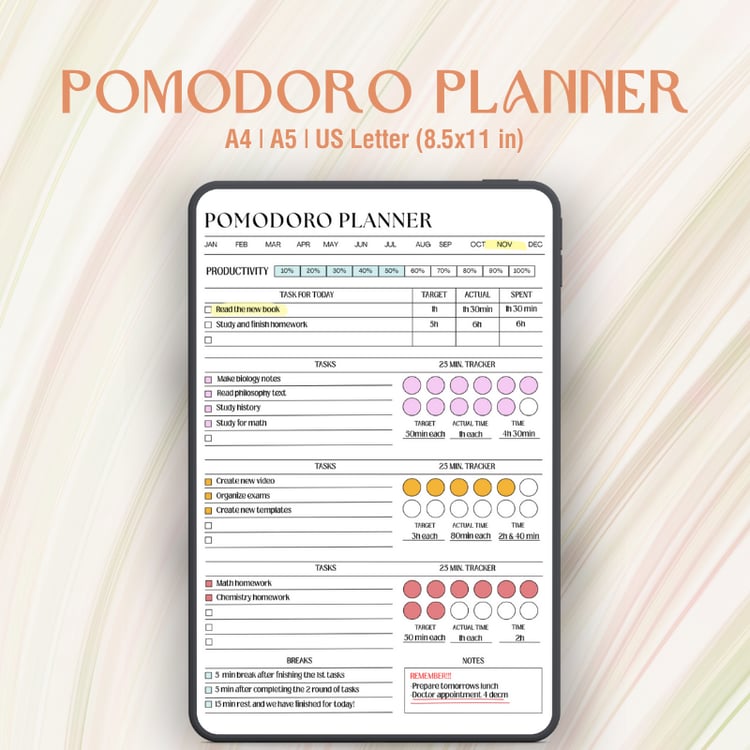
I don’t force myself to sit for hours anymore. I usually study for 25–30 minutes, then take a short break.
It helps me stay focused without feeling mentally drained. For instance, I use the Pomodoro Method, you work for X minutes and then have Y minutes for a break. For example, you work for 45 min and then have a 5 min break.
Why it works: Our attention naturally drops when we study too long without breaks.
Here I leave some tools that make it easier for me:
YouTube Timer: @PomoFocusStudy

4. I Explain Concepts Out Loud
If I can’t explain something in simple words, I know I don’t understand it yet.
Sometimes I explain it to a friend, and other times I literally talk to myself or record a voice note.
Why it works: Teaching forces your brain to organize and clarify information.
5. I Study in the Same Spot Most of the Time
I have one main place where I study, and I try not to mix it with scrolling or relaxing.
My brain now associates that space with focus.
Why it works: Consistent environments help with concentration and memory recall.

6. I Choose Sleep Over Late-Night Studying
This was hard to accept, but studying when I’m exhausted doesn’t help me.
I stop studying earlier and make sleep a priority, especially before exams.
Why it works: Sleep helps your brain store what you learned.
7. I Write Notes by Hand (When I Can)
I don’t write everything down—just the main ideas in my own words.
Writing by hand helps me slow down and actually process the information.
Why it works: Handwriting encourages deeper learning than copying notes digitally.

8. I Put My Phone Away While Studying
Even checking notifications “quickly” used to completely break my focus.
Now, I silence notifications or put my phone in another room during study sessions.
Why it works: Multitasking makes it harder for your brain to stay focused and remember information.
9. I Use Color and Visuals
My notes are not perfectly aesthetic, but I do use colors, diagrams, and simple charts.
It makes studying feel less overwhelming and easier to review.
Why it works: Combining words with visuals improves memory.
10. I Stick to a Simple, Realistic Study Routine
Instead of waiting for motivation, I study at roughly the same time most days—even if it’s just a little.
Consistency helped me more than forcing “perfect” study days.
Why it works: Habits reduce stress and decision fatigue.

Final Thoughts
You don’t need a perfect routine or extreme discipline to study well. Small, realistic habits—done consistently—make a bigger difference than long, exhausting study sessions.
These are the study habits I actually use, and they helped me study smarter without burning out.
If you’re looking for realistic study tips, routines, and motivation, feel free to explore more on this site or save related ideas on Pinterest.