

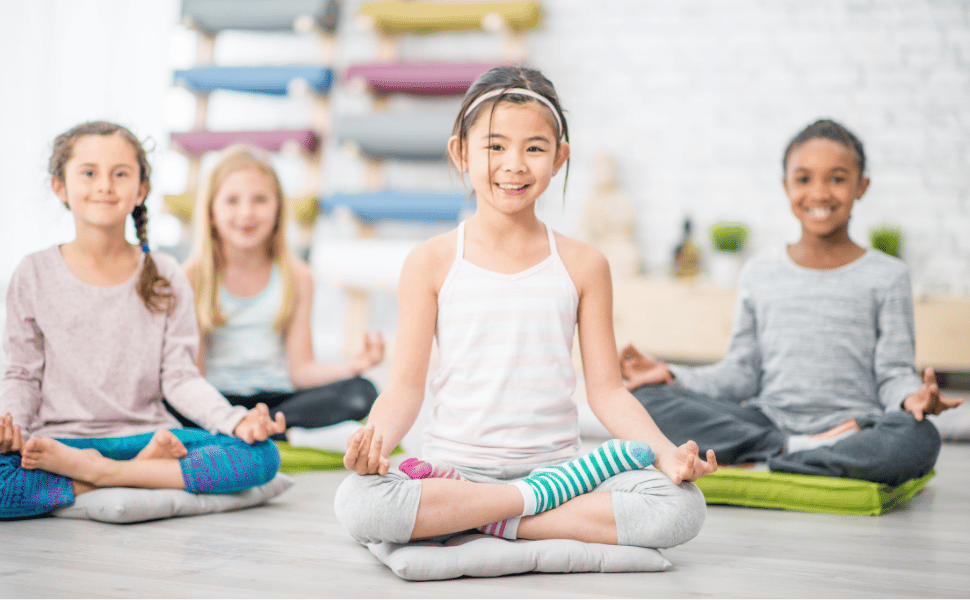
In our fast-paced world, even little ones can experience stress and anxiety. But there's a powerful tool that can help them navigate their emotions and find inner peace: mindfulness.
Mindfulness is all about paying attention to the present moment without judgment. It's about being aware of our thoughts, feelings, and bodily sensations without getting swept away by them.
While it might sound complex, fostering mindfulness in young children can be surprisingly simple and fun! Here are some ways to incorporate mindfulness practices into your child's day:
1. Breathe with Me:
Breathing exercises are the cornerstone of mindfulness. They help children slow down, focus on their bodies, and calm their minds. Make it fun! Use our breathing buddies, printable breathing cards that feature adorable characters and playful instructions like "Blow Out the Birthday Candles" or "Dragon Puffs".
2. The Power of Play:
Play is a natural way for children to explore the world and learn about themselves. Turn everyday activities into mindful moments. When building with blocks, encourage them to focus on the feeling of the pieces in their hands. During bath time, draw attention to the warm water on their skin.
3. The Art of Observation:
Mindfulness is all about being present in the moment. Take a nature walk and encourage your child to notice the sights, sounds, and smells around them. Ask them to describe the texture of a leaf, the sound of birds chirping, or the warmth of the sun on their skin.
4. Mindful Movement:
Physical activity is great for both body and mind. Incorporate mindful movement into your child's day. Try simple yoga poses or create a "calm down corner" with pillows and soft toys where they can stretch and relax.
5. The Magic of Mindfulness Stories:
Bedtime stories are a perfect opportunity to introduce mindfulness concepts. Look for books that focus on calming techniques, breathing exercises, or appreciating the beauty of nature.
Remember:
- Keep it short and sweet: Young children have short attention spans. Aim for mindfulness exercises that last just a few minutes.
- Make it fun and playful: Use games, songs, and stories to keep your child engaged.
- Be patient: It takes practice to develop mindfulness skills. Celebrate your child's efforts, not just their success.
- Lead by example: Children are great imitators. Practice mindfulness yourself and let them see how it helps you manage your emotions and find peace.
By introducing mindfulness practices early on, you're giving your child a valuable toolbox for life. They'll learn to manage stress, improve focus, and develop a sense of inner calm that will benefit them well into adulthood.
So, take a deep breath together, color those calming scenes, and embark on a journey of mindfulness with your little one!