

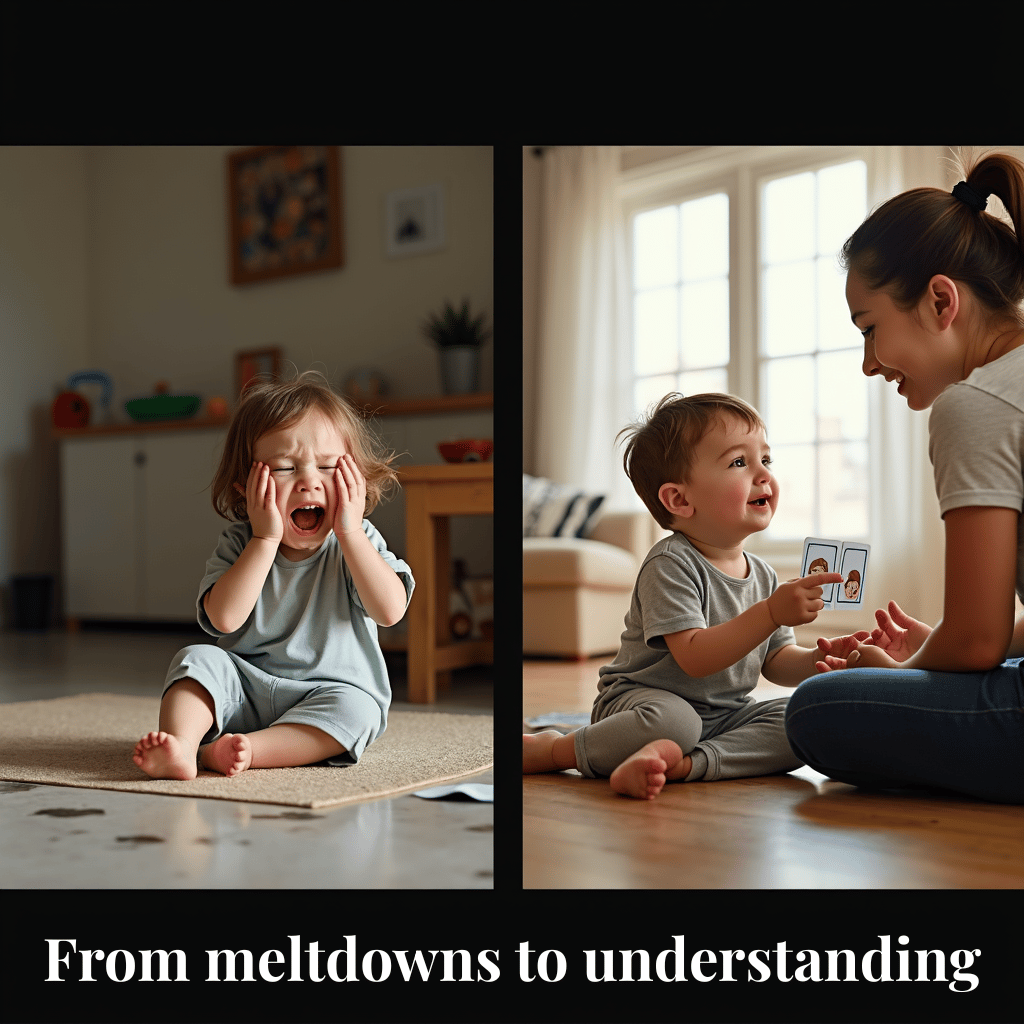
The Moment Every Parent Knows…
Your child is crying, yelling, or completely shutting down.
You try to help:
“Use your words.”
“Calm down.”
“What’s wrong?”
But it only makes things worse.
Now you’re frustrated… they’re overwhelmed… and nothing is working.
And later, you’re left wondering:
"Why does this keep happening?"
"How do I actually teach them to handle emotions better?"
Here’s the Truth Most Parents Don’t Hear
Your child isn’t being difficult.
👉 They simply don’t have the skills yet.
Between ages 3–8, children are still learning how to:
- Recognize what they’re feeling
- Put emotions into words
- Handle overwhelming situations
- Understand others’ feelings
And without the right tools, they fall back on the only thing they know:
Crying, shouting, avoiding, or acting out.
Why “Good Advice” Alone Doesn’t Work
You’ve probably already tried:
- Naming emotions
- Talking things through
- Teaching calming techniques
And sometimes it works… but often, it doesn’t stick.
Here’s why:
👉 Young children don’t learn emotions through words alone.
👉 They need visual, repeated, structured practice.
Without that:
- They forget in the moment
- They get frustrated trying to explain themselves
- The same meltdowns repeat—again and again
This is where most parents get stuck.
Not because they’re doing it wrong…
But because they’re missing a system that actually works consistently.
How Emotional Intelligence Actually Develops (Ages 3–8)
Ages 3–4
Children feel big emotions but can’t explain them.
They need simple visuals and clear labels.
Ages 5–6
They start recognizing feelings in others.
They need guided practice and repetition.
Ages 7–8
They begin managing emotions better.
But only if they’ve had consistent exposure earlier.
👉 The key isn’t just teaching once—it’s making emotional learning part of everyday life.
What Works (And What Most Parents Miss)
To build real emotional intelligence, children need:
✔ Repeated exposure to emotions
✔ Visual cues they can understand instantly
✔ Simple language they can remember
✔ Daily practice—not just during meltdowns
Because here’s the reality:
In the middle of a meltdown is the hardest time to teach.
If kids haven’t practiced before, they can’t apply it during.
The Missing Piece: Making It Easy to Be Consistent
This is where many parents feel overwhelmed.
You know what to do… but:
- You forget in stressful moments
- You’re not sure what words to use
- You don’t have time to create activities
- Your child loses interest quickly
So things become inconsistent—and progress slows down.
A Simpler Way to Teach Emotions (Without Guesswork)
Instead of trying to figure everything out in the moment, having a simple, repeatable system changes everything.
That’s exactly why I created this emotional learning bundle for ages 3–8.
It’s designed to solve the real problem:
👉 Not knowing what to teach—but struggling to teach it consistently.
Inside the bundle:
🧠 10 Emotional Flashcards for Kids
- Help children instantly recognize and name feelings
- Turn abstract emotions into something they can see and understand
- Make learning engaging instead of frustrating
- Gives you exact phrases to use (no guessing)
- Step-by-step exercises for daily use
- Simple ways to turn everyday moments into learning opportunities
Why This Works When Other Methods Don’t
Because it removes the hardest parts:
✔ No more wondering what to say
✔ No more trying to explain emotions in the moment
✔ No more inconsistency
Instead, you get:
- A clear structure
- A repeatable routine
- A tool your child actually responds to
Why Starting Now Matters
Emotional patterns don’t just disappear.
If children don’t learn how to:
- Express feelings
- Manage frustration
- Communicate clearly
They continue to:
- Have frequent meltdowns
- Struggle to explain themselves
- Feel misunderstood
And over time, these patterns become harder to change.
👉 The earlier you start, the easier it is.
Imagine This Instead…
Your child:
- Tells you how they feel instead of melting down
- Recognizes emotions more quickly
- Starts calming themselves with your guidance
And you:
- Feel more confident
- Stay calmer in tough moments
- Actually see progress
This doesn’t come from one conversation.
It comes from consistent, simple practice.
Start Making That Shift Today
You don’t need to wait for the next meltdown to try something new.
You can start building these skills right now—in a way that’s simple, structured, and realistic for daily life.
👉 Explore the Emotional Flashcards + Parent Guide Bundle
👉 Start using it today
👉 See the difference in your child’s next emotional moment
Because the goal isn’t to stop emotions.
It’s to help your child understand and handle them—and that starts with what you do today.
__________________________________________________________________________
Thanks for stopping by — we’re so excited to grow bright minds with you!
Warmly,
The LumenSapling Team
Comments ()