

Your child is clearly upset…
But when you ask what’s wrong, they struggle to explain.
Maybe they say:
- “I don’t know”
- or cry
- or act out instead
And you’re left trying to guess:
- Are they angry? Frustrated? Sad? Overwhelmed?
- Why can’t they just tell me what they feel?
- How do I even teach this?
If you're a parent, teacher, or caregiver, this is a daily challenge that can feel frustrating and confusing.
_________________________________________________________________________________
Here’s the truth:
Children are not born knowing how to name their emotions.
Words like:
frustrated, disappointed, nervous, or excited
don’t come naturally to them.
So instead, emotions come out as:
- tantrums
- shutdowns
- anger
- crying
This isn’t bad behavior.
It’s a missing emotional vocabulary skill.
And without this skill, children struggle to:
- communicate clearly
- regulate emotions
- and understand themselves
__________________________________________________________________________________
The good news?
You can teach children to name their feelings step by step—and it doesn’t have to be complicated.
When children learn emotional language, they begin to:
- understand what they feel
- express themselves instead of acting out
- and develop stronger emotional control
This guide will walk you through a simple step-by-step method you can use at home or in the classroom.
__________________________________________________________________________________
Step-by-Step Method to Teach Kids to Name Their Feelings
Step 1: Start with Basic Emotions
Begin with 4 core feelings:
- Happy
- Sad
- Angry
- Scared
Keep it simple before introducing more complex emotions like “frustrated” or “disappointed.”
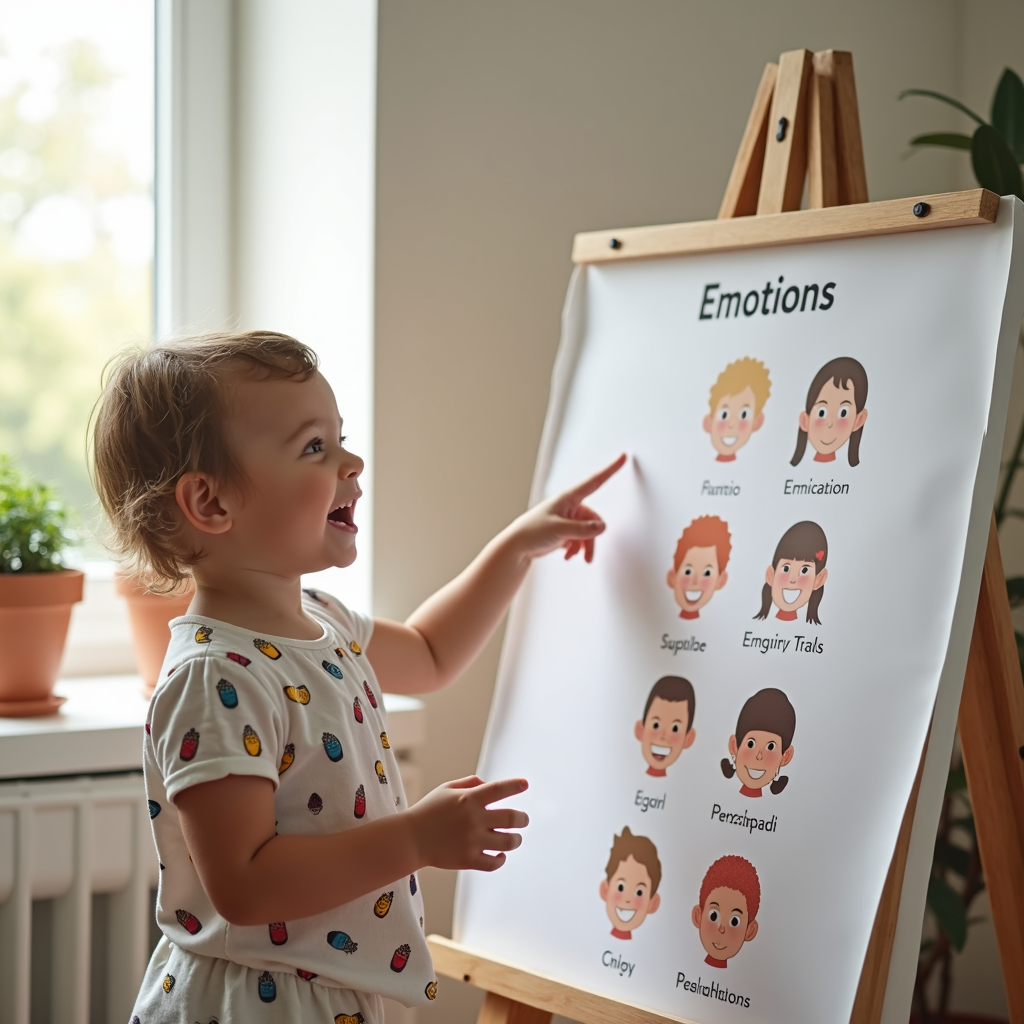
Tip: Use visuals like a feelings chart (great opportunity to include your digital product here).
Step 2: Model Emotional Language Daily
Children learn by watching you.
Instead of saying:
- “I’m fine”
Say:
- “I feel frustrated because I can’t find my keys.”
This teaches:
- Vocabulary
- Cause-and-effect of emotions
-------------------------------------------------------------------------------------------------------------------------------------------
One of the easiest ways to help children learn emotions visually is by using tools like emotion flashcards.
Instead of just hearing words like “angry” or “happy,” children can actually see the emotion and connect it to real life.
👉 This is where your product should first appear
--------------------------------------------------------------------------------------------------------------------------------------------
Step 3: Label Their Feelings in the Moment
When a child is upset, calmly say:
- “It looks like you’re feeling angry.”
- “Are you feeling sad because your toy broke?”
This helps children connect:
emotion + experience + words
Step 4: Use Visual Supports
Visual tools make abstract emotions easier to understand.
Examples:
- Feelings charts
- Emotion flashcards
- Mood meters
These are especially helpful for:
- Toddlers
- Visual learners
- Children with special needs
Step 5: Practice Through Play
Children learn best through play, not lectures.
Try:
- Role-playing emotions
- Emotion charades
- Storytime discussions (“How do you think the character feels?”)
Step 6: Expand Emotional Vocabulary Gradually
Once they master basic feelings, introduce:
- Frustrated
- Nervous
- Excited
- Proud
- Disappointed
Pro Tip: Teach 1–2 new emotions per week.
Step 7: Connect Feelings to Coping Strategies
Help kids not just name emotions—but manage them.
Example:
- “You feel angry. Let’s take deep breaths.”
- “You feel nervous. Let’s practice together.”
------------------------------------------------------------------------------------------------------------------------------------------
Teaching kids to name their feelings works best when it becomes part of everyday routines—not just occasional conversations.
That’s why consistency, repetition, and simple tools matter more than long lessons.
__________________________________________________________________________________
To make this easier for parents and educators, I created a simple Emotional Learning Bundle designed to support this exact process.
It includes:
✔ 10 Emotion Flashcards to help children visually recognize feelings
✔ A Parent Guide with scripts and daily conversation prompts
✔ Simple activities to practice emotional vocabulary in real life
This means you don’t have to guess what to say or how to start—you already have a structure to follow.
___________________________________________________________________________________
Why This Works
When children regularly practice naming their feelings, they:
- communicate better
- have fewer emotional outbursts
- and develop stronger emotional awareness over time
This is one of the most important foundations of emotional intelligence.
_________________________________________________________________________________
If your child struggles to express emotions, the best place to start is with simple emotional vocabulary practice every day.
👉 Download the 10 Emotion Flashcards and Parent Guide and start helping your child name and understand their feelings today.
__________________________________________________________________________________
Thanks for stopping by — we’re so excited to grow bright minds with you!
Warmly,
The LumenSapling Team
Comments ()