

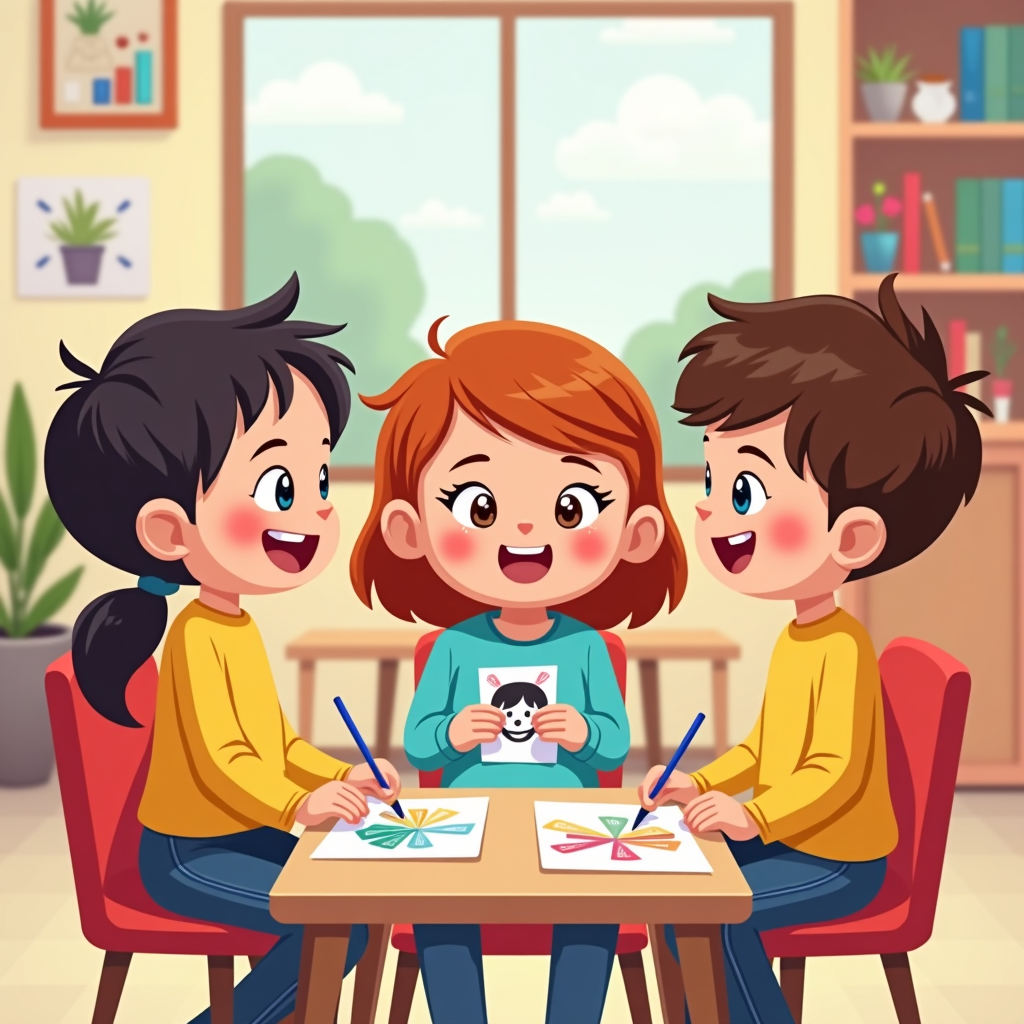
Your child melts down over a broken toy.
Tears, frustration, maybe even anger—over something that seems small.
And in that moment, you might feel stuck:
- Why is my child reacting so strongly?
- How do I calm them down?
- How can I teach them to talk about their feelings instead of acting out?
If you're a parent, teacher, or caregiver, this situation is probably very familiar.
_________________________________________________________________________________
The truth is—children experience big emotions every day, but they don’t yet have the words or tools to express them.
Their brains are still developing emotional regulation skills, which means:
- They feel things deeply
- They get overwhelmed quickly
- They struggle to explain what’s going on inside
This isn’t bad behavior—it’s a lack of emotional language and support.
And without guidance, those big feelings can turn into frustration, meltdowns, or withdrawal.
__________________________________________________________________________________
The good news is: emotional skills can be taught.
When we actively support children’s emotional development, we help them:
- understand and name their feelings
- express emotions in healthy ways
- build confidence and communication skills
- develop empathy and stronger relationships
Here are 5 simple ways to help children understand and express emotions:
1. Teach Emotion Words
Children need the vocabulary to express how they feel. Start with simple words like happy, sad, frustrated, nervous, and calm.
2. Validate Their Feelings
Instead of dismissing emotions, acknowledge them:
“I can see you’re feeling upset.”
“That must feel really frustrating.”
This builds trust and emotional safety.
3. Use Visual Emotional Learning Tools
Children learn best visually.
Tools like:
- emotion flashcards
- feelings charts
- role-play activities
Make emotional learning easier and more engaging.
4. Create Daily Emotion Check-Ins
Simple daily questions like:
- “How are you feeling today?”
- “What made you happy?”
Help children build emotional awareness over time.
5. Encourage Creative Expression
Activities like drawing, storytelling, and pretend play allow children to explore and process emotions naturally.
________________________________________________________________________________
If you’ve ever struggled with how to actually start these conversations, having the right tools makes a big difference.
That’s exactly why I created a Printable Emotional Learning Bundle for Kids—to make teaching emotions simple and practical.
It includes:
- 10 easy-to-use emotion flashcards
- A parent guide to teaching emotional skills
- Simple conversation prompts and activities
These resources are designed for parents, teachers, and caregivers who want to support children’s emotional development in a gentle, structured way.
_________________________________________________________________________________
Supporting your child’s emotional development doesn’t have to feel overwhelming.
With the right tools and simple daily conversations, children can learn to understand and express their feelings with confidence.
👉 Explore the Emotional Flashcards and Parent Guide in the shop and start building emotional skills together today.
__________________________________________________________________________________
Thanks for stopping by — we’re so excited to grow bright minds with you!
Warmly,
The LumenSapling Team
Comments ()