

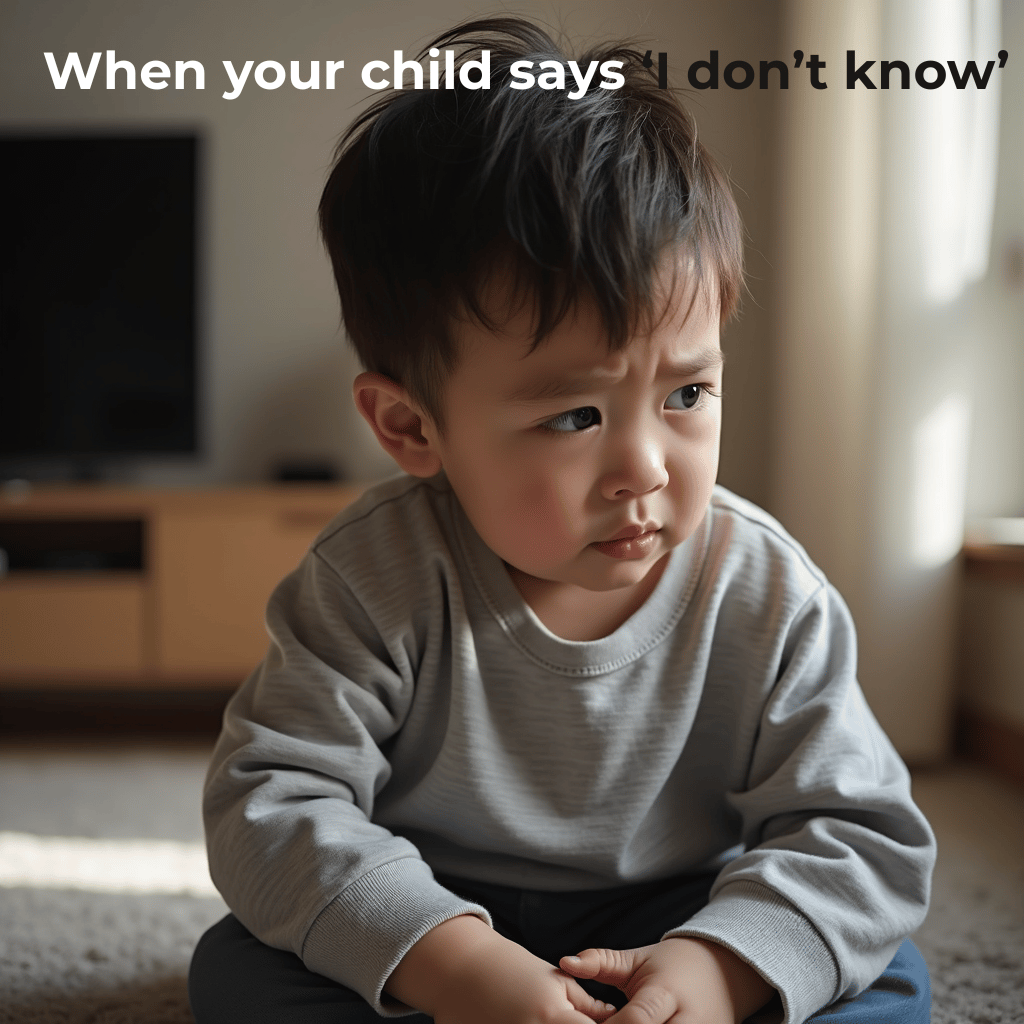
Your child is crying, overwhelmed, maybe even yelling…
And when you ask what’s wrong, they say: “I don’t know.”
Or they shut down completely.
As a parent, teacher, or caregiver, this moment is frustrating and confusing. You want to help—but you don’t know what they’re feeling, and they don’t either.
This isn’t just a phase or “bad behavior.”
It’s something deeper—and more common than you think.
Why Some Kids Can’t Express Their Feelings
Many children struggle with emotional expression—not because they’re being difficult, but because they simply don’t have the tools yet.
They feel things deeply.
They just don’t know how to:
- name those feelings
- explain them
- or process them
So instead, those emotions come out as:
- tantrums
- anger
- hitting or yelling
- withdrawal or silence
What looks like misbehavior is often a lack of emotional language and regulation skills.
Signs Your Child Is Struggling to Express Emotions
You might notice:
- They say “I don’t know” when asked how they feel
- They get frustrated quickly over small things
- They have frequent emotional outbursts
- They struggle to calm down once upset
- They avoid talking about feelings altogether
If this sounds familiar, your child doesn’t need punishment—they need guidance and tools.
Why Emotional Expression Matters So Much
When kids learn to express their feelings, everything changes.
They can:
- communicate their needs clearly
- calm themselves faster
- build stronger relationships
- feel understood instead of overwhelmed
Without this skill, emotions stay bottled up—or explode.
This is why teaching emotional regulation for kids early is so important.
How to Help a Child Express Their Feelings
Here are simple, effective ways to start:
1. Name the Emotion for Them
When your child can’t explain how they feel, step in gently:
“It looks like you’re feeling frustrated.”
“You seem really upset right now.”
This helps them connect words to emotions.
2. Normalize All Feelings
Children need to know emotions are okay—even the hard ones.
Say:
“It’s okay to feel angry.”
“Everyone feels sad sometimes.”
This reduces shame and builds trust.
3. Use Visual Tools (This Changes Everything)
Young children don’t learn emotions best through words alone.
They need to see and recognize them.
That’s why visual aids—like emotion charts or flashcards—are so powerful.
They help children:
- identify what they’re feeling
- point instead of guessing
- build emotional vocabulary faster
4. Teach During Calm Moments
Don’t wait for a meltdown.
Talk about emotions when your child is calm:
- “How did you feel at school today?”
- “What made you happy?”
This builds awareness before problems happen.
A Simple Way to Make This Easier
If you’ve ever felt stuck trying to help your child express emotions, you’re not alone.
This is exactly why many parents and teachers use emotion flashcards and guided tools.
Instead of guessing feelings or struggling to explain them, your child can:
- see different emotions clearly
- recognize what they’re feeling
- and start communicating with confidence
It turns overwhelming moments into teachable ones.
Ready to Help Your Child Communicate Better?
Teaching emotional expression doesn’t have to be complicated—but it does need consistency and the right tools.
If you want a simple, practical way to start:
👉 Explore the Emotional Flashcards & Parent Guide here
Give your child the words they need to express what’s inside—so frustration turns into understanding.
Final Thought
When a child says “I don’t know how I feel,”
what they really mean is:
“I don’t have the words yet.”
And once you give them those words,
everything begins to change.
__________________________________________________________________________
Thanks for stopping by — we’re so excited to grow bright minds with you!
Warmly,
The LumenSapling Team
Comments ()