

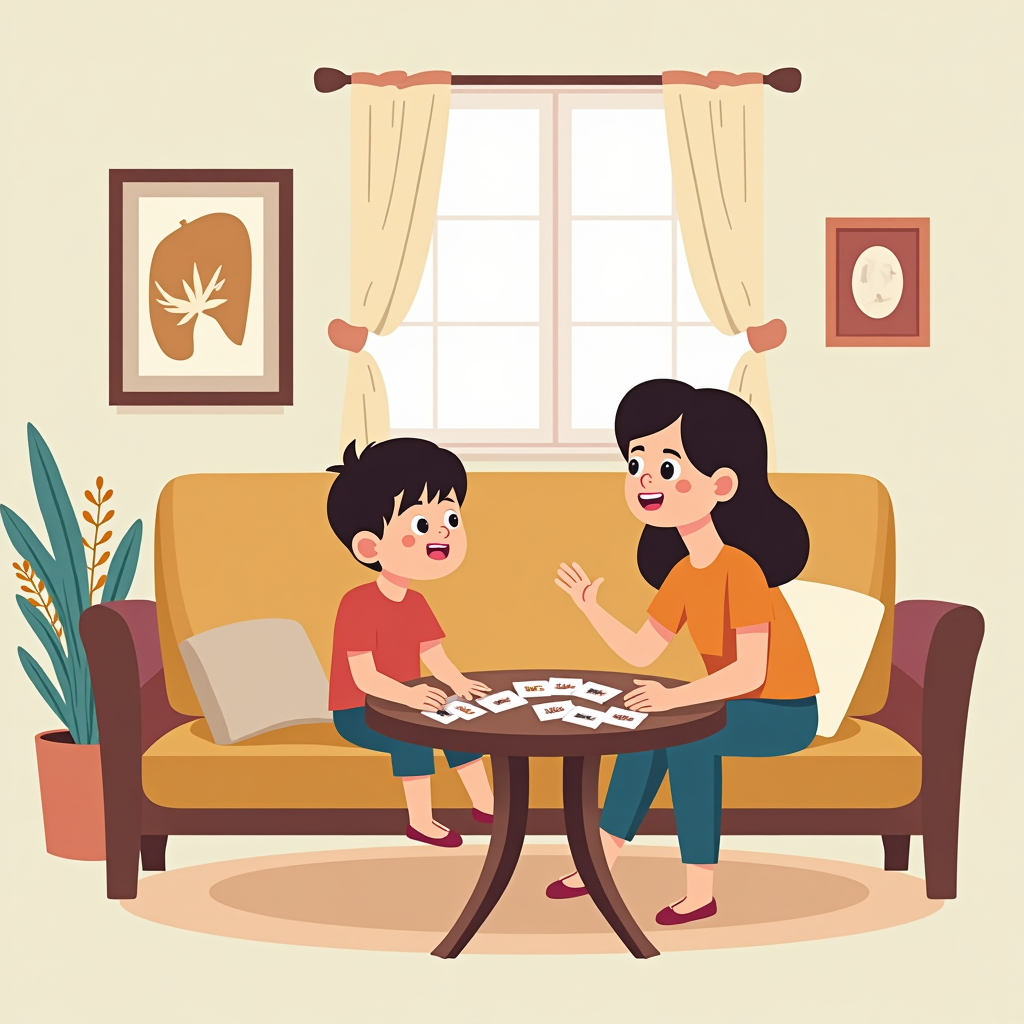
Many children struggle to express big feelings—not because they’re “difficult,” but because they lack emotional vocabulary. Early emotional learning helps kids name, understand, and manage feelings, reducing tantrums, frustration, and overwhelm. This guide shows parents simple, daily strategies to build emotional intelligence, confidence, and stronger parent-child bonds.
___________________________________________________________________________________
Children often experience strong emotions long before they have the words to express them. When kids don’t understand what they’re feeling, emotions can come out as tantrums, withdrawal, or frustration.
Teaching emotions early helps children:
- Feel seen and understood
- Express themselves confidently
- Build the foundation for lifelong emotional intelligence
With the right tools and daily guidance, parents can turn emotional moments into learning opportunities—and create calmer, happier interactions.
___________________________________________________________________________________
1. Emotional Intelligence Starts Early
Emotional intelligence (EQ) is the ability to recognize, understand, and manage emotions. Research shows children who develop EQ early:
- Communicate needs clearly
- Navigate challenges with fewer behavioral struggles
- Develop stronger relationships
- Build self-confidence and resilience
When children can name their feelings, they gain control over them—reducing frustration for both kids and parents.
2. Why Children Struggle With Emotions
Most “acting out” isn’t misbehavior—it’s a child’s way of communicating what they can’t yet put into words. Common challenges include:
- Limited emotional vocabulary
- Overstimulation in daily routines
- Lack of modeling from adults
Teaching emotions bridges this gap, giving children the language and confidence to express themselves safely.
3. Benefits of Teaching Emotions Early
Helping kids recognize and name feelings has long-lasting benefits:
- Clear communication: Children express needs without tantrums or shutdowns
- Empathy development: Understanding emotions in themselves and others
- Better focus & learning: Emotional regulation supports attention and problem-solving
- Resilience & confidence: Early emotional skills help children navigate challenges
These are skills children will carry throughout life—they don’t develop automatically, but they can be nurtured.
4. How Parents Can Teach Emotions at Home
No complex lessons are needed. Simple daily habits are most effective:
- Name emotions in real moments: “You look frustrated—want to talk about it?”
- Read books about feelings: Use stories to discuss emotions naturally
- Use visual tools: Emotion flashcards make abstract feelings concrete
- Daily emotional check-ins: Ask how your child feels, without judgment or pressure
Consistency matters more than perfection. Small, intentional daily actions lead to lasting growth.
5. Why Visual Tools Work Best for Kids
Young children are visual learners. Tools like emotion flashcards help them:
- Recognize facial expressions
- Build emotional vocabulary quickly
- Turn learning into a playful, pressure-free game
- Encourage conversation naturally
Our 10 Emotional Flashcards for Children provide a simple, effective daily routine—perfect for busy parents who want meaningful emotional learning without overwhelm.
6. What’s Included in Our Flashcard Set
- 10 illustrated emotion flashcards: happy, sad, calm, angry, proud, confused, excited, shy, tired, nervous
- Parent-friendly prompts for discussion and reflection
- Quick activities to reinforce emotional understanding
- Bonus tips for managing big feelings at home
These tools make daily emotional learning simple, engaging, and consistent.
__________________________________________________________________________________
Teaching emotions early is one of the most powerful gifts a parent can give. With small daily moments and the right tools, you’re helping your child:
- Recognize and express feelings confidently
- Reduce meltdowns and frustration
- Build empathy, resilience, and lifelong social-emotional skills
👉 Ready to start? Explore our 10 Emotional Flashcards and bring calm, confidence, and emotional growth into your home today!
__________________________________________________________________________________
Thanks for stopping by — we’re so excited to grow bright minds with you!
Warmly,
The LumenSapling Team
Comments ()