
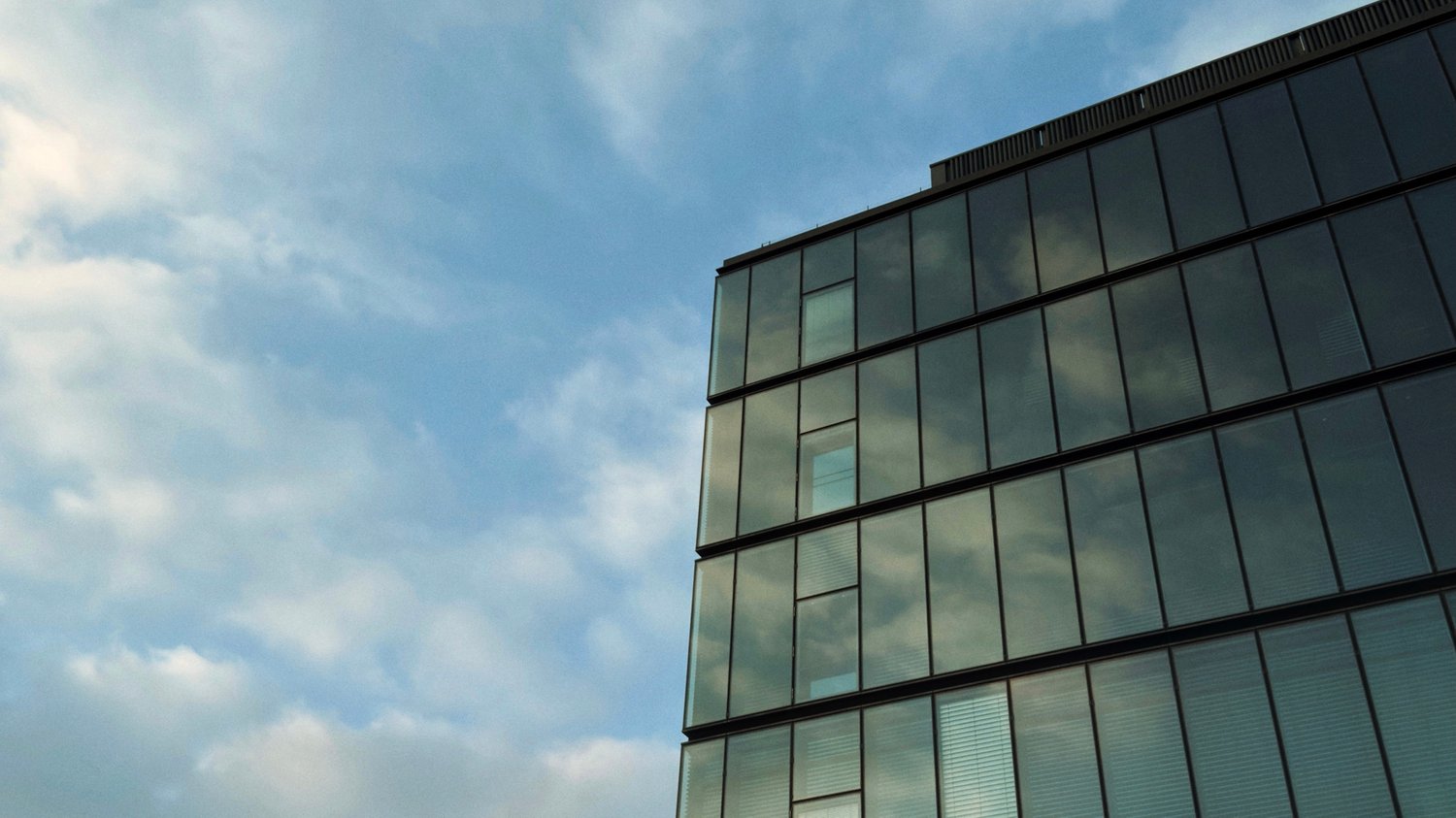
Most wallpapers aren’t designed.
They’re decorated.
Loud gradients. Overexposed glows. Artificial depth.
They impress for a second, then, fatigue sets in.
The problem isn’t complexity, it’s control.
Where It Breaks
No luminance discipline
“Dark” wallpapers that emit light. Night viewing becomes glare.
No color structure
Attractive hues, but no hierarchy. No balance. No system. No cohesion.
Light and dark modes feel unrelated — two files, not one idea.
Resolution as marketing
4K doesn’t fix banding. It doesn’t fix contrast. It doesn’t fix taste.
Designing Atmosphere
Atmosphere isn’t intensity.
It’s restraint.
A wallpaper should:
- Support the interface
- Hold depth without noise
- Transition cleanly between light and dark
- Scale across devices without breaking
That requires:
Precision,
Controlled luminance,
Intentional gradients,
Calibrated diffusion,
Consistent structure.
Subtle decisions compound.
The best wallpapers don’t ask for attention.
They shape the space quietly.
That’s the difference between decoration and design.
That philosophy carries into glxssy — a study in depth, diffusion, and controlled light, built with the same emphasis on atmosphere over decoration.
Not louder.
Just more deliberate.
Comments ()