Your Cart
Loading

Agriculture & Gardening Training

Learn to Grow. Build Skills. Cultivate Success.

Interested in gardening, growing your own food, or developing practical agricultural skills?

Our agriculture and gardening training is designed to help learners gain useful knowledge and practical techniques for working with plants, managing gardens, and understanding the basics of successful cultivation.

Whether you're a beginner, a home gardener, an aspiring grower, or someone looking to expand existing skills, we aim to make learning accessible, engaging, and practical.


Potential Training Topics

  • Introduction to gardening and agriculture
  • Soil preparation and soil health
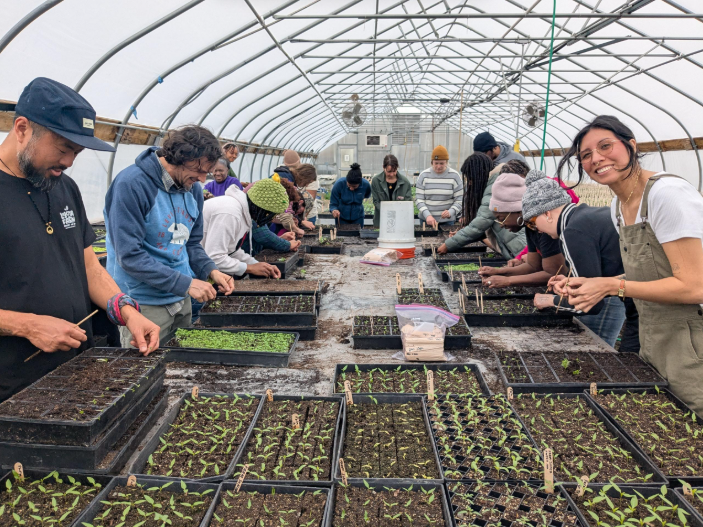
  • Seed selection, sowing, and seedling care
  • Vegetable and herb production
  • Plant nutrition and fertilizer use
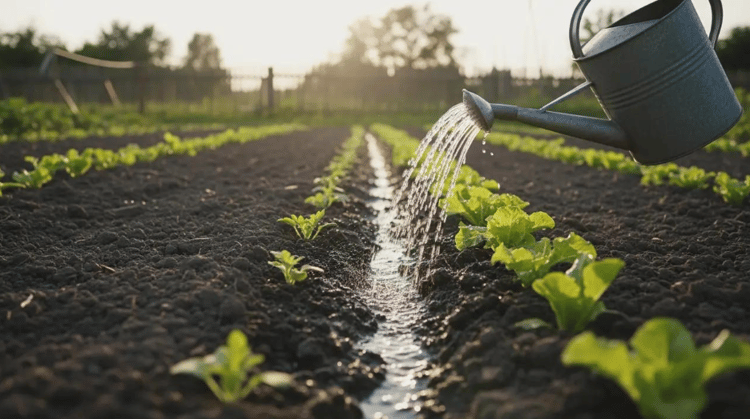
  • Water management and irrigation basics
  • Pest and disease identification
  • Garden planning and maintenance techniques
  • Sustainable gardening practices

Who Is This Training For?

  • Beginners interested in learning how to garden
  • Homeowners who want to grow their own vegetables
  • Aspiring small-scale farmers and growers
  • Gardening enthusiasts seeking to improve their skills
  • Individuals exploring opportunities in horticulture and agriculture

Why Develop Your Gardening Skills?

Practical knowledge can help you make informed growing decisions, use resources more efficiently, and understand the factors that influence plant health and productivity.

Our aim is to help you turn curiosity into knowledge and knowledge into practical action.

Start learning. Start growing. Build your confidence.

Contact us to learn about available training programmes, schedules, delivery formats, and enrolment opportunities.
Skillful Training

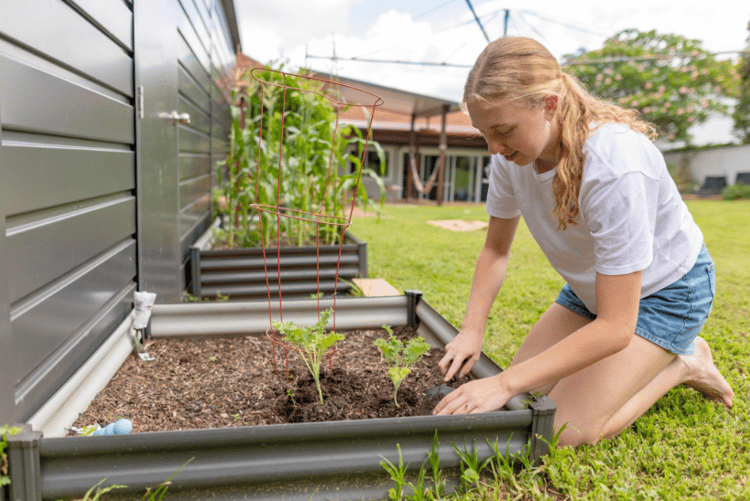
  • How to Start a Home Garden

    Key points:

    • Choose a suitable location with enough sunlight.
    • Decide what you want to grow, such as vegetables, herbs, or flowers.
    • Prepare the soil before planting.
    • Select plants suitable for your climate and available space.
    • Water regularly and monitor plant growth.

    Learning objective: Help beginners establish their first garden successfully.

  • Growing Vegetables at Home

    Key points:

    • Choose vegetables suited to your climate and growing season.
    • Prepare fertile, well-drained soil.
    • Follow recommended planting depths and spacing.
    • Provide adequate sunlight and water.
    • Harvest vegetables at the appropriate stage of maturity.

    Learning objective: Teach learners how to grow fresh vegetables for household use.

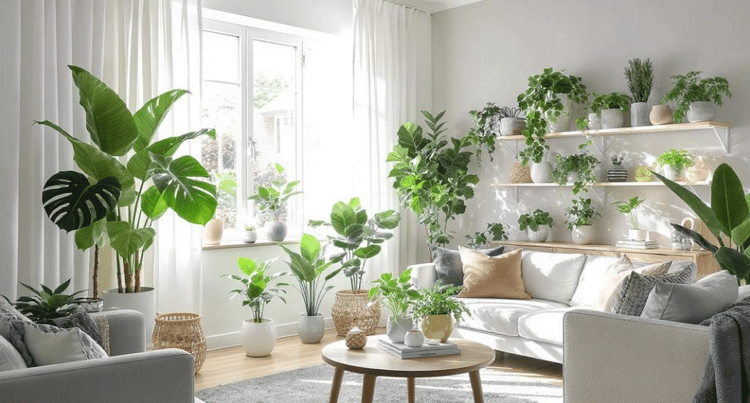
  • Indoor Gardening for Beginners

    Key points:

    • Choose plants suited to indoor light conditions.
    • Use pots with drainage holes.
    • Avoid overwatering and check soil moisture regularly.
    • Clean leaves and inspect plants for pests.
    • Rotate plants when needed to encourage balanced growth.

    Learning objective: Help people grow and maintain healthy plants indoors.

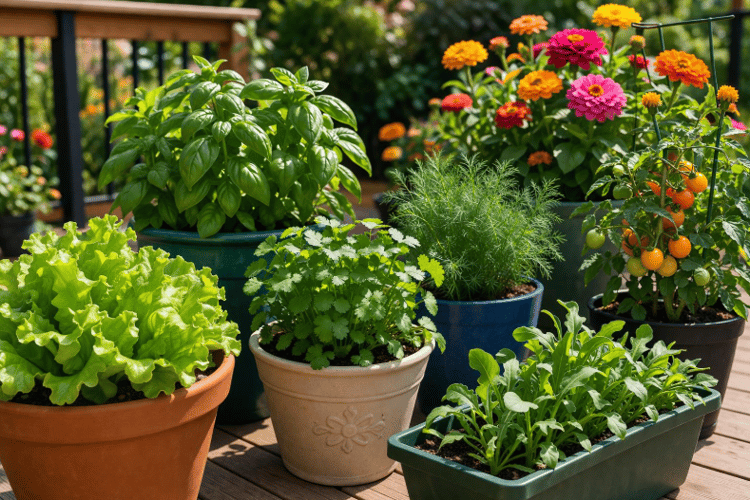
  • How to Grow Plants in Pots

    Key points:

    • Select pots appropriate for the mature size of each plant.
    • Ensure containers have adequate drainage.
    • Use a suitable potting mix rather than relying on unsuitable garden soil.
    • Water according to the plant's needs and weather conditions.
    • Repot plants when roots outgrow their containers.

    Learning objective: Teach gardening in small spaces, patios, balconies, and courtyards.

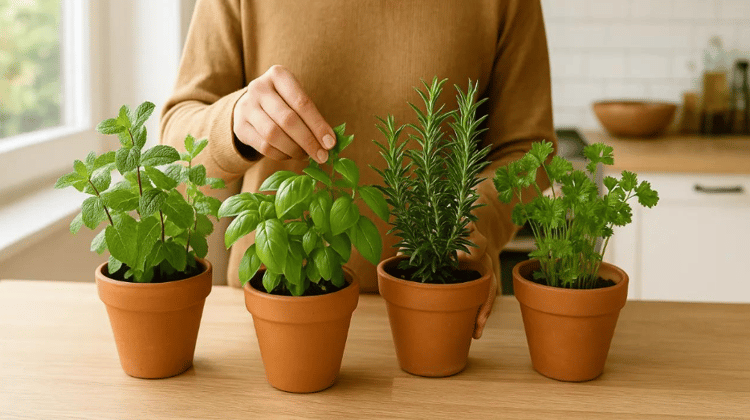
  • Growing Herbs at Home

    Key points:

    • Start with accessible herbs such as basil, parsley, mint, and rosemary.
    • Match each herb to its preferred sunlight and watering conditions.
    • Use well-drained soil and suitable containers.
    • Harvest leaves carefully to encourage continued growth.
    • Keep mint in a separate pot because it can spread aggressively.

    Learning objective: Show learners how to grow fresh herbs for cooking and everyday use.

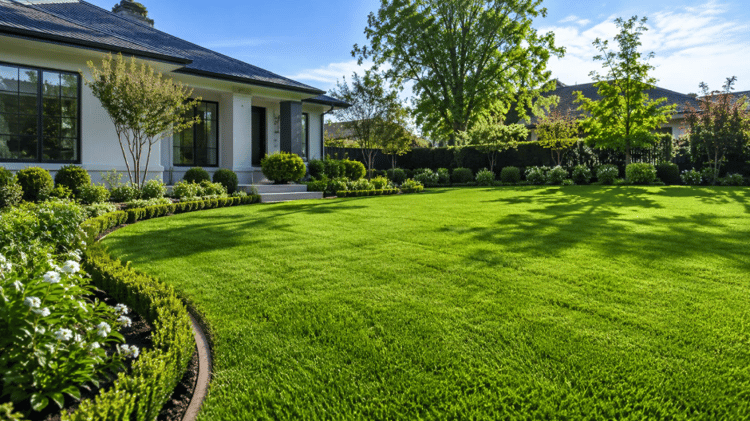
  • Lawn Care and Maintenance

    Key points:

    • Mow regularly without cutting the grass excessively short.
    • Water deeply when needed, considering rainfall and soil conditions.
    • Remove weeds using appropriate methods.
    • Maintain healthy soil and apply fertilizer when justified.
    • Repair bare patches and address drainage problems.

    Learning objective: Help homeowners maintain an attractive, healthy lawn.

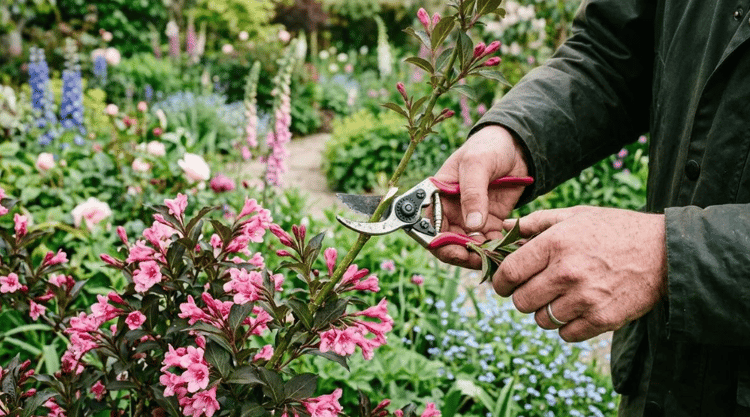
  • How to Prune Plants Correctly

    Key points:

    • Remove dead, damaged, or diseased branches.
    • Use clean, sharp pruning tools.
    • Understand the growth and flowering habits of each plant.
    • Avoid removing too much healthy growth at once.
    • Prune at the appropriate time for the particular plant species.

    Learning objective: Teach safe pruning practices that support plant health and shape.

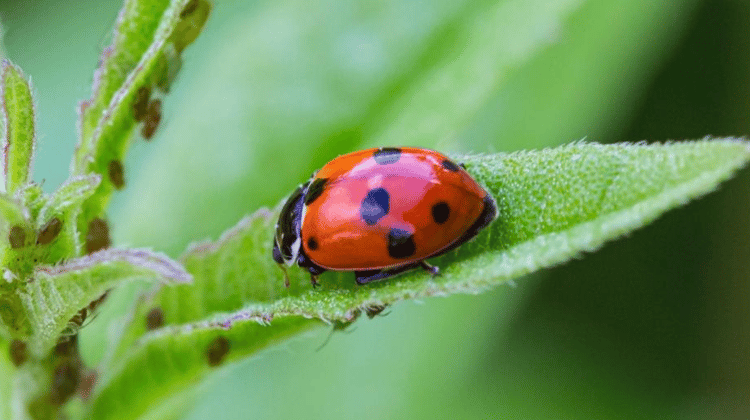
  • Natural Ways to Control Garden Pests

    Key points:

    • Inspect plants regularly for signs of pests.
    • Identify the pest before choosing a treatment.
    • Remove affected leaves when appropriate.
    • Encourage beneficial insects and maintain plant diversity.
    • Use physical barriers and suitable pest-control products responsibly.

    Learning objective: Introduce practical, integrated approaches to managing garden pests.

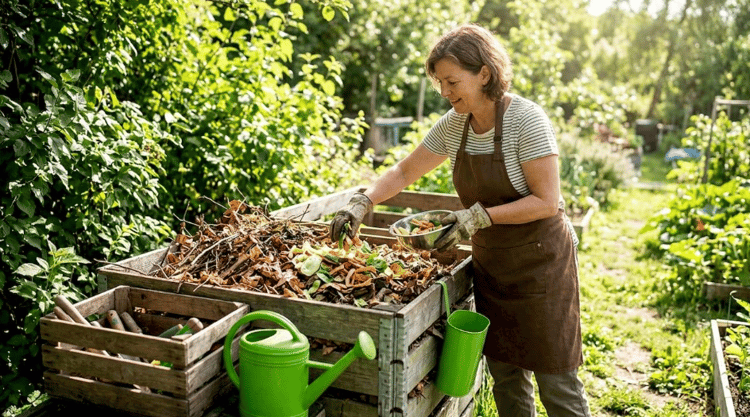
  • Composting at Home

    Key points:

    • Collect suitable fruit and vegetable scraps, dry leaves, and untreated plant material.
    • Balance green materials with dry, carbon-rich materials.
    • Maintain moisture similar to a wrung-out sponge.
    • Turn or mix the compost to support aeration.
    • Allow the material to decompose until it becomes dark and crumbly.

    Learning objective: Show learners how to recycle suitable organic waste into useful garden compost.

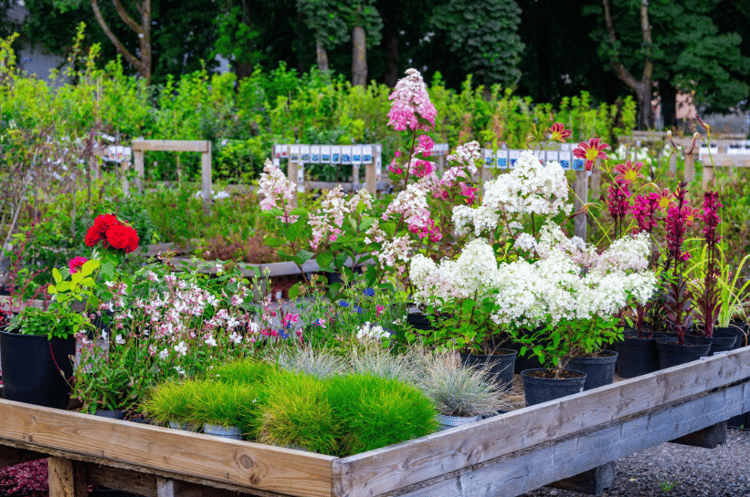
  • Choosing the Right Plants for Your Garden

    Key points:

    • Assess sunlight, shade, drainage, and available space.
    • Consider local climate and seasonal conditions.
    • Choose plants suited to your soil and water availability.
    • Check the plant's mature size before planting.
    • Prefer suitable locally adapted plants and avoid invasive species.

    Learning objective: Help learners select plants that are more likely to thrive in their garden.

  • Watering Plants the Right Way

    Key points:

    • Check soil moisture before watering.
    • Water the root zone rather than routinely wetting foliage.
    • Water according to plant needs, soil type, and weather.
    • Use mulch to help reduce moisture loss.
    • Ensure containers and garden beds drain appropriately.

    Learning objective: Reduce water waste while helping plants receive adequate moisture.

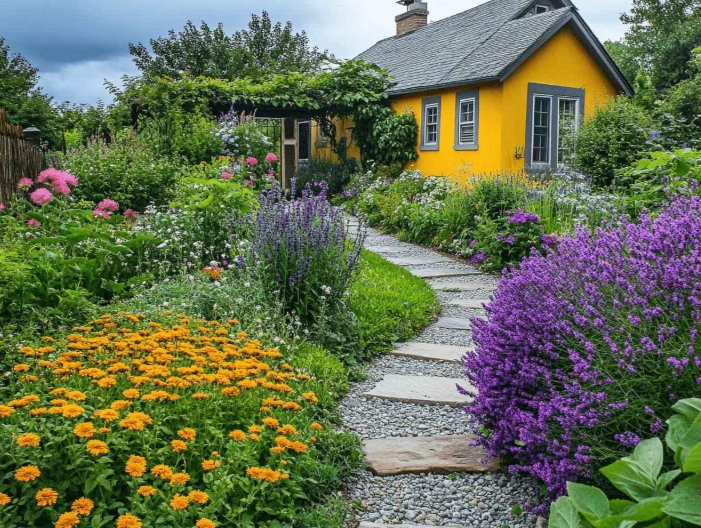
  • Creating a Beautiful Flower Garden

    Key points:

    • Select flowers suited to local growing conditions.
    • Combine plants with different heights, colours, and flowering periods.
    • Prepare the soil and allow enough room for mature plants.
    • Remove faded flowers from species that benefit from deadheading.
    • Water and maintain flower beds regularly.

    Learning objective: Help learners create attractive flower displays that provide colour and seasonal interest.