

Summer can be an exciting time for gardeners. Plants grow quickly, vegetables begin to mature, and gardens can become full of colour and life. But extreme heat can also put your garden under serious stress.
High temperatures, intense sunlight, dry winds, and rapid water evaporation can cause plants to wilt, develop scorched leaves, stop producing flowers, or even die.
The good news is that you can prepare your garden before the hottest weather arrives.
With the right planning, watering techniques, soil preparation, mulching, shade, and regular monitoring, you can help your plants survive and thrive throughout summer.
This guide explains step-by-step how to prepare your garden for summer heat, whether you have a large backyard garden, raised beds, containers, or a small balcony garden.
1. Understand How Summer Heat Affects Your Garden
Before preparing your garden, it is important to understand what extreme heat does to plants.
During hot weather:
- Soil loses moisture faster.
- Plants may wilt more quickly.
- Leaves can become sunburned or scorched.
- Flowers may drop before producing fruit.
- Newly planted seedlings can struggle to establish roots.
- Containers can dry out very quickly.
- Some plants may stop growing temporarily.
- Pests can become more active.
- Strong winds can increase moisture loss.
A healthy plant can tolerate some heat, but prolonged periods of extreme temperatures can cause serious damage.
The goal of summer preparation is therefore to keep roots cool, maintain soil moisture, reduce water loss, and protect vulnerable plants from excessive sunlight.
2. Start Preparing Before the Heat Arrives
One of the biggest mistakes gardeners make is waiting until plants are already wilting before taking action.
Preparation should begin before the hottest days arrive.
Start by checking:
- Which areas of your garden receive the most sunlight?
- Which plants are most sensitive to heat?
- Which plants require frequent watering?
- Which containers dry out fastest?
- Is your soil compacted?
- Do you have enough mulch?
- Do you have a reliable water source?
- Can you provide temporary shade if temperatures become extreme?
Make a simple list of plants that may need extra protection.
Plants that often need additional attention include:
- Young seedlings
- Newly transplanted plants
- Lettuce and other delicate leafy greens
- Herbs with shallow roots
- Potted plants
- Plants grown in small containers
- Newly planted trees and shrubs
Preparing early gives you time to solve problems before the heat becomes severe.
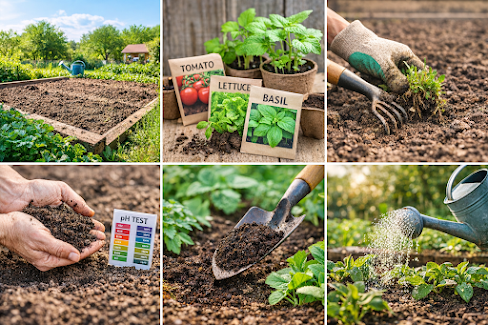
3. Improve Your Soil Before Summer
Healthy soil is one of your garden's best defences against heat.
Good soil should be able to hold enough moisture for plant roots while still allowing excess water to drain away.
Add organic matter such as:
- Compost
- Well-rotted manure
- Leaf mould
- Mature homemade compost
Work organic matter into the soil before planting or before the hottest part of summer.
Why this helps:
Organic matter can improve the soil's ability to retain moisture while also supporting healthy root development.
For sandy soil, adding organic matter can help it hold water for longer.
For heavy clay soil, organic matter can improve structure and drainage over time.
Practical tip:
Do not suddenly dig deeply around established plants during extreme heat. Disturbing roots can increase plant stress.
Instead, improve soil gradually and carefully around existing plants.
4. Apply Mulch to Protect the Soil
Mulching is one of the most effective ways to prepare for summer heat.
A layer of mulch protects the soil surface from direct sunlight.
It can help:
- Reduce evaporation
- Keep roots cooler
- Suppress weeds
- Reduce soil erosion
- Improve soil health when organic mulch decomposes
Good mulch options include:
- Straw
- Dry leaves
- Wood chips
- Bark
- Compost
- Shredded plant material
Apply approximately 5 to 8 cm of mulch around plants.
However, do not pile mulch directly against plant stems or tree trunks.
Leave a small gap around the base of the plant to improve airflow and reduce the risk of rot.
Important:
If the soil is extremely dry, water it first and then apply mulch.
Mulching dry, hard soil without addressing the underlying moisture problem will not immediately solve the issue.
5. Create a Smart Watering Routine
Watering becomes one of the most important gardening tasks during summer.
However, watering more often is not always the answer.
The goal is to water deeply and efficiently, encouraging roots to grow deeper into the soil.
Instead of:
Giving plants a tiny amount of water every day.
Try:
Watering thoroughly when the soil needs it, allowing moisture to reach deeper into the root zone.
This encourages stronger root systems.
Check the Soil Before Watering
Do not rely only on the appearance of the soil surface.
Insert your finger a few centimetres into the soil.
If the soil below the surface is still moist, you may not need to water yet.
If it is dry, it is probably time to water.
6. Water at the Right Time
The time of day you water can make a significant difference.
Best times:
Early morning is usually ideal.
The temperature is cooler, and plants have time to absorb moisture before the hottest part of the day.
Late afternoon or early evening can also work, depending on local conditions.
Avoid watering during the hottest part of the day whenever possible because evaporation can be rapid.
7. Water the Soil, Not the Leaves
When watering, aim for the base of the plant.
Watering the leaves unnecessarily can:
- Waste water through evaporation
- Increase the risk of certain fungal diseases
- Leave foliage wet during periods when disease can spread
Use:
- A watering can
- A hose with a gentle setting
- Drip irrigation
- Soaker hoses
These methods help deliver water closer to the root zone.
8. Protect Plants with Shade
Some plants simply cannot tolerate intense summer sunlight.
Providing temporary shade can help reduce heat stress.
You can use:
- Shade cloth
- Garden netting
- Umbrellas
- Temporary screens
- Taller plants as natural shade
For container plants, simply move them to a location with afternoon shade if possible.
Be careful:
Do not completely block sunlight from plants that require full sun.
The goal is to reduce the intensity of extreme afternoon heat while still providing enough light for healthy growth.
9. Protect Container Plants
Container gardening requires extra attention during summer.
Containers have limited soil volume, so they can heat up and dry out much faster than garden beds.
To protect container plants:
- Use larger containers where appropriate.
- Ensure pots have drainage holes.
- Group containers together to reduce exposure.
- Move sensitive plants away from harsh afternoon sunlight.
- Use mulch on the soil surface.
- Check moisture regularly.
Dark-coloured containers can become especially hot when exposed to direct sunlight.
If possible, place them where the container itself receives some shade while the plant still receives adequate light.
10. Choose Heat-Tolerant Plants
If your area experiences very hot summers, consider growing plants that naturally tolerate heat.
Depending on your climate, suitable options may include:
- Rosemary
- Thyme
- Sage
- Okra
- Eggplant
- Peppers
- Certain varieties of tomatoes
- Beans
- Sweet potatoes
Always choose varieties suited to your specific climate.
A plant that performs well in one region may struggle in another.
11. Protect Newly Planted Seedlings
Young plants are particularly vulnerable.
Their root systems are still developing, making them less capable of accessing deeper soil moisture.
During hot weather:
- Water consistently.
- Apply a thin layer of mulch.
- Provide temporary afternoon shade.
- Monitor leaves for wilting.
- Avoid transplanting during extreme heat if possible.
If you must transplant, choose a cooler day and water the plant thoroughly afterward.
12. Control Weeds Before They Compete with Your Plants
Weeds are especially problematic during hot weather because they compete with your crops for limited resources.
They take:
- Water
- Nutrients
- Space
Remove weeds early before they become established.
The easiest approach:
- Remove weeds when the soil is slightly moist.
- Pull them out by the roots.
- Remove them before they produce seeds.
- Apply mulch to reduce new weed growth.
This reduces the amount of water being wasted on unwanted plants.
13. Prune Carefully
Pruning can help manage plant growth, but extreme summer heat is not always the best time for heavy pruning.
Removing too much foliage can expose fruit and branches to intense sunlight.
This may lead to sunscald or heat damage.
During hot weather:
- Remove dead or diseased growth.
- Remove damaged branches.
- Avoid unnecessary heavy pruning.
- Protect fruit from excessive direct sunlight where possible.
Always research the pruning requirements of individual plants because different species have different needs.
14. Monitor Plants for Heat Stress
Check your garden regularly during hot weather.
Signs of heat stress include:
- Wilting leaves
- Drooping stems
- Leaf curling
- Brown leaf edges
- Scorched leaves
- Flower drop
- Slow growth
Remember that wilting does not always mean a plant simply needs more water.
Wilting can also occur because:
- Roots are damaged.
- Soil is waterlogged.
- Temperatures are extremely high.
- The plant is experiencing transplant shock.
Check the soil before immediately adding more water.
15. Watch for Sunburn and Sunscald
Plants can suffer from excessive sunlight just like people can.
Symptoms may include:
- Pale patches on leaves
- Brown or crispy leaf areas
- Damaged fruit
- Bleached sections of foliage
Providing shade during the hottest part of the day can reduce damage.
This is especially important for sensitive plants and young seedlings.
16. Keep an Eye on Pests
Hot weather can create favourable conditions for some pests.
Inspect plants regularly for:
- Aphids
- Whiteflies
- Spider mites
- Caterpillars
- Thrips
Look underneath leaves as well as on top.
Early detection is much easier to manage than a large infestation.
Where appropriate, consider natural pest control methods such as:
- Removing pests by hand
- Spraying plants with water
- Encouraging beneficial insects
- Using suitable homemade natural sprays
Always test any homemade spray on a small part of the plant first and avoid spraying during intense sunlight.
17. Harvest Regularly
Regular harvesting can encourage many plants to continue producing.
Harvest vegetables and herbs at the right stage instead of allowing mature produce to remain on the plant unnecessarily.
Examples include:
- Picking beans regularly
- Harvesting herbs frequently
- Collecting ripe tomatoes
- Harvesting leafy greens before they become overly mature
Harvesting in the cooler morning hours can also help keep freshly picked produce in better condition.
18. Prepare an Emergency Heat Plan
Extreme heat can arrive unexpectedly.
Prepare a simple emergency plan.
Have these items ready:
- Shade cloth
- Extra mulch
- Watering cans
- Hoses
- Drip irrigation equipment
- Plant ties
- Containers for moving vulnerable plants
If a heatwave is forecast, focus your attention on:
- Newly planted seedlings.
- Container plants.
- Young trees.
- Shallow-rooted vegetables.
- Plants showing early signs of stress.
19. Avoid These Common Summer Gardening Mistakes
Mistake 1: Watering Only the Surface
Light watering encourages shallow roots.
Better approach: Water deeply when the soil needs it.
Mistake 2: Watering in Extreme Midday Heat
Much of the water may evaporate quickly.
Better approach: Water early in the morning where practical.
Mistake 3: Forgetting Containers
Potted plants can dry out much faster.
Better approach: Check container moisture regularly.
Mistake 4: Overwatering Wilting Plants
A wilted plant does not always need more water.
Better approach: Check the soil and roots before watering again.
Mistake 5: Leaving Soil Bare
Bare soil loses moisture quickly.
Better approach: Use an appropriate layer of mulch.
Mistake 6: Applying Too Much Fertilizer During Extreme Heat
Stressed plants may not respond well to heavy feeding.
Better approach: Follow the fertilizer's instructions and avoid excessive applications during periods of severe heat stress.
20. Create a Simple Summer Garden Routine
Every Morning
- Check soil moisture.
- Inspect plants for wilting.
- Check containers.
- Harvest ripe produce.
Every Few Days
- Inspect leaves for pests.
- Check mulch depth.
- Remove weeds.
- Adjust shade protection if necessary.
Every Week
- Deeply water plants when needed.
- Check irrigation systems.
- Remove dead or damaged foliage.
- Add mulch where soil is becoming exposed.
Final Summer Garden Checklist
Before the hottest part of summer arrives, make sure you have:
☐ Improved your soil with organic matter
☐ Applied mulch
☐ Established an efficient watering routine
☐ Checked your irrigation system
☐ Identified plants that need shade
☐ Protected young seedlings
☐ Prepared your containers
☐ Removed weeds
☐ Checked for pests
☐ Prepared emergency shade materials
☐ Planned regular harvesting
Final Thoughts
Preparing your garden for summer heat is all about being proactive.
You cannot control the weather, but you can control how prepared your garden is for it.
Healthy soil, effective mulching, smart watering, appropriate shade, and regular monitoring can make a major difference in helping your plants cope with hot conditions.
Start preparing before temperatures rise. Your plants will have a much better chance of staying healthy, productive, and beautiful throughout the summer season.
And remember, a successful garden is not built through one big effort. It is built through small, consistent actions taken at the right time.
Prepare early. Water wisely. Protect your soil. Keep growing.
Comments ()