
Landscaping is much more than planting a few flowers and cutting the grass. A well-designed landscape combines plants, soil, water, pathways, structures, lighting, and outdoor living areas to create a space that is attractive, practical, and easy to maintain.
Whether you are landscaping a small residential garden, a large property, a commercial space, or a new outdoor area, the right techniques can make a dramatic difference.
In this guide, we'll explore some of the best landscaping techniques, including practical steps for beginners.
1. Start With a Landscaping Plan
One of the most common landscaping mistakes is starting work before deciding what the finished space should look like.
Before buying plants or materials, walk around the property and study the space.
Look at:
- Where sunlight falls during the day
- Areas that remain shaded
- Existing trees and plants
- Drainage problems
- Sloping areas
- Existing pathways
- Outdoor structures
- Water sources
- Soil condition
- Areas that receive heavy foot traffic
Then decide what you want the space to achieve.
For example:
A family garden may need an open lawn and children's play area.
A relaxing garden may need seating, shade, flowers, and water features.
A low-maintenance garden may require drought-tolerant plants and minimal lawn.
Good landscaping begins with a good plan.
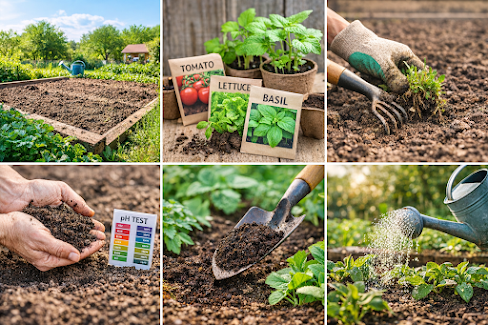
2. Understand Your Soil
Don't ignore the ground beneath your plants.
Soil affects:
- Plant growth
- Drainage
- Nutrient availability
- Root development
- Water retention
Before planting:
- Examine your soil.
- Check whether it drains quickly or slowly.
- Remove large stones and unwanted debris.
- Add compost or suitable organic matter.
- Improve compacted areas where necessary.
If possible, conduct a soil test to determine its pH and nutrient levels.
3. Choose Plants According to Your Climate
A beautiful plant that cannot tolerate your local conditions will eventually become a maintenance problem.
Choose plants based on:
- Temperature
- Rainfall
- Sunlight
- Soil type
- Wind exposure
- Water availability
Instead of asking, "What plant looks beautiful?", ask:
"What plant will thrive in this particular location?"
This small change in thinking can save you considerable money and effort.
4. Use the Right Plant for the Right Place
Even suitable plants can struggle if planted in the wrong location.
For example:
- Sun-loving plants should receive sufficient sunlight.
- Shade-loving plants should be protected from excessive direct sunlight.
- Moisture-loving plants should be placed where adequate water is available.
- Drought-tolerant plants are better suited to dry areas.
Think about the conditions at the exact planting location before putting a plant into the ground.
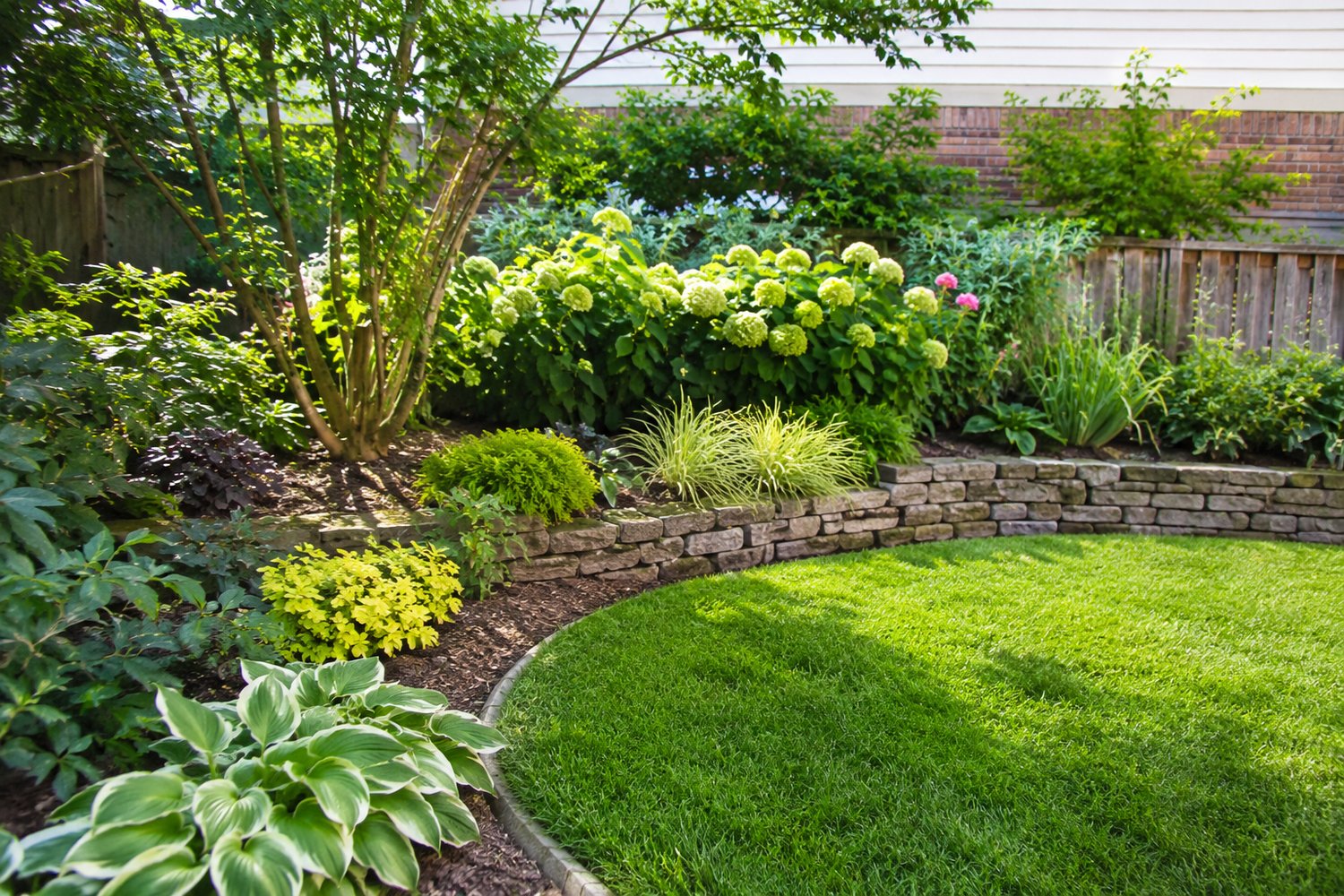
5. Create Layers With Different Plant Heights
A flat garden can look ordinary.
Create visual depth by combining different plant heights.
Use:
Tall plants at the back
Medium plants in the middle
Low-growing plants at the front
This technique creates depth and makes planting areas look fuller.
Trees can form the upper layer.
Shrubs create the middle layer.
Flowers, herbs, and ground covers create the lower layer.
6. Create Focal Points
Every good landscape benefits from one or more areas that naturally attract attention.
A focal point could be:
- A beautiful tree
- Water feature
- Sculpture
- Garden bench
- Flower bed
- Outdoor fireplace
- Feature wall
- Large planter
Don't create too many competing focal points.
Choose a few important features and allow them to stand out.
7. Use Curved Lines
Straight lines can create a formal appearance.
Curved pathways and planting beds can create a softer, more natural appearance.
You can use curves for:
- Garden borders
- Walkways
- Flower beds
- Lawn edges
Before digging, mark the proposed curve using rope or a garden hose.
Stand back and look at it from different angles.
If the curve looks natural before you start digging, you're on the right track.
8. Create Functional Pathways
A beautiful garden should also be easy to move through.
Pathways can connect:
- The house
- Garden entrance
- Seating areas
- Vegetable gardens
- Outdoor kitchens
- Garages
- Sheds
Choose materials according to the purpose.
Options include:
- Pavers
- Natural stone
- Gravel
- Concrete
- Brick
- Stepping stones
Make pathways wide enough for comfortable movement.
9. Use Mulching
Mulch is both decorative and practical.
It can:
- Reduce weeds
- Retain soil moisture
- Protect plant roots
- Improve soil over time
- Create cleaner planting beds
Suitable materials include:
- Wood chips
- Bark
- Straw
- Dry leaves
- Compost
Apply mulch evenly and avoid piling it directly against plant stems.
10. Incorporate Water-Wise Landscaping
Water is one of the most important resources in landscaping.
Design your garden so that you don't waste it.
Techniques include:
- Drip irrigation
- Mulching
- Rainwater collection
- Drought-tolerant plants
- Grouping plants according to water needs
- Watering early in the morning
This approach is often called water-wise landscaping.
It can reduce maintenance and help your garden cope with dry periods.
11. Use Native and Adapted Plants
Plants that naturally thrive in your region can often be easier to maintain.
They may be better adapted to:
- Local temperatures
- Rainfall patterns
- Soil conditions
- Local wildlife
Using appropriate local species can also help create habitat for pollinators and other beneficial organisms.
12. Create Outdoor Living Areas
Modern landscaping isn't only about plants.
Your garden can become an extension of your living space.
Consider creating:
- Outdoor dining areas
- Seating areas
- Fire pits
- Outdoor kitchens
- Pergolas
- Decks
- Patios
Think about how you want to use the garden, not just how you want it to look.
13. Use Vertical Landscaping
If horizontal space is limited, build upward.
Vertical landscaping can include:
- Trellises
- Green walls
- Climbing plants
- Hanging baskets
- Vertical planters
This is particularly useful for small gardens, patios, and urban properties.
14. Combine Hardscaping and Softscaping
Professional landscaping generally combines two major elements.
Softscape
Living elements such as:
- Grass
- Trees
- Shrubs
- Flowers
- Herbs
- Ground covers
Hardscape
Non-living structures such as:
- Paths
- Walls
- Patios
- Decks
- Pergolas
- Stones
- Water features
The strongest designs balance both.
Too much hardscape can make a garden feel harsh.
Too much planting can make it difficult to navigate or maintain.
15. Use Lighting Strategically
Outdoor lighting can transform a landscape after sunset.
Use lighting to:
- Illuminate pathways
- Highlight trees
- Improve security
- Define seating areas
- Highlight architectural features
Avoid placing extremely bright lights everywhere.
Instead, use lighting selectively to create atmosphere and visibility.
16. Manage Drainage Properly
Poor drainage can destroy an otherwise beautiful landscape.
Signs of drainage problems include:
- Standing water
- Constantly muddy areas
- Plant roots rotting
- Soil erosion
- Water flowing toward buildings
Possible solutions include:
- Improving soil structure
- Creating drainage channels
- Installing appropriate drainage systems
- Creating rain gardens
- Redirecting runoff
Never ignore persistent standing water.
17. Use Ground Covers
Ground-cover plants can fill spaces where grass may struggle.
They can help:
- Reduce erosion
- Suppress weeds
- Protect soil
- Create visual continuity
Choose ground covers according to sunlight, moisture, and local climate conditions.
18. Design for Low Maintenance
A beautiful garden shouldn't require all your free time.
Reduce maintenance by:
- Choosing appropriate plants
- Grouping plants with similar water requirements
- Using mulch
- Installing efficient irrigation
- Reducing unnecessary lawn
- Choosing durable landscaping materials
A well-planned garden should work with you, not constantly demand rescue.
19. Maintain Your Landscape Regularly
Even the best landscape eventually needs maintenance.
Weekly
- Remove weeds
- Inspect plants
- Check irrigation
- Remove fallen debris
- Mow lawn where necessary
Monthly
- Prune appropriately
- Check mulch
- Inspect pathways
- Look for pests
- Check drainage
Seasonally
- Replace struggling plants
- Prune plants according to their requirements
- Refresh mulch
- Adjust irrigation
- Prepare plants for changing weather
20. Think Long-Term
One of the most important landscaping techniques is planning for the future.
A small tree may eventually become very large.
A shrub that looks perfectly sized today may eventually block a pathway.
Before planting, consider:
- Mature plant size
- Root growth
- Shade patterns
- Maintenance requirements
- Distance from buildings
- Future access
Don't design only for how the garden looks today.
Design for the garden you want five or ten years from now.
Final Thoughts
Successful landscaping combines good design, suitable plants, healthy soil, efficient water use, functional spaces, and regular maintenance.
You don't need to transform your entire property at once.
Start with a plan, improve one area at a time, and choose solutions that suit your climate, available space, lifestyle, and budget.
A well-designed landscape should not only look beautiful. It should also be comfortable, practical, sustainable, and enjoyable to live with.
If you're looking for practical gardening and landscaping support, you can also explore our garden tools, landscaping services, garden maintenance, and training options through our official website.
Comments ()