
A Complete Step-by-Step Guide to Making Nutrient-Rich Compost at Home
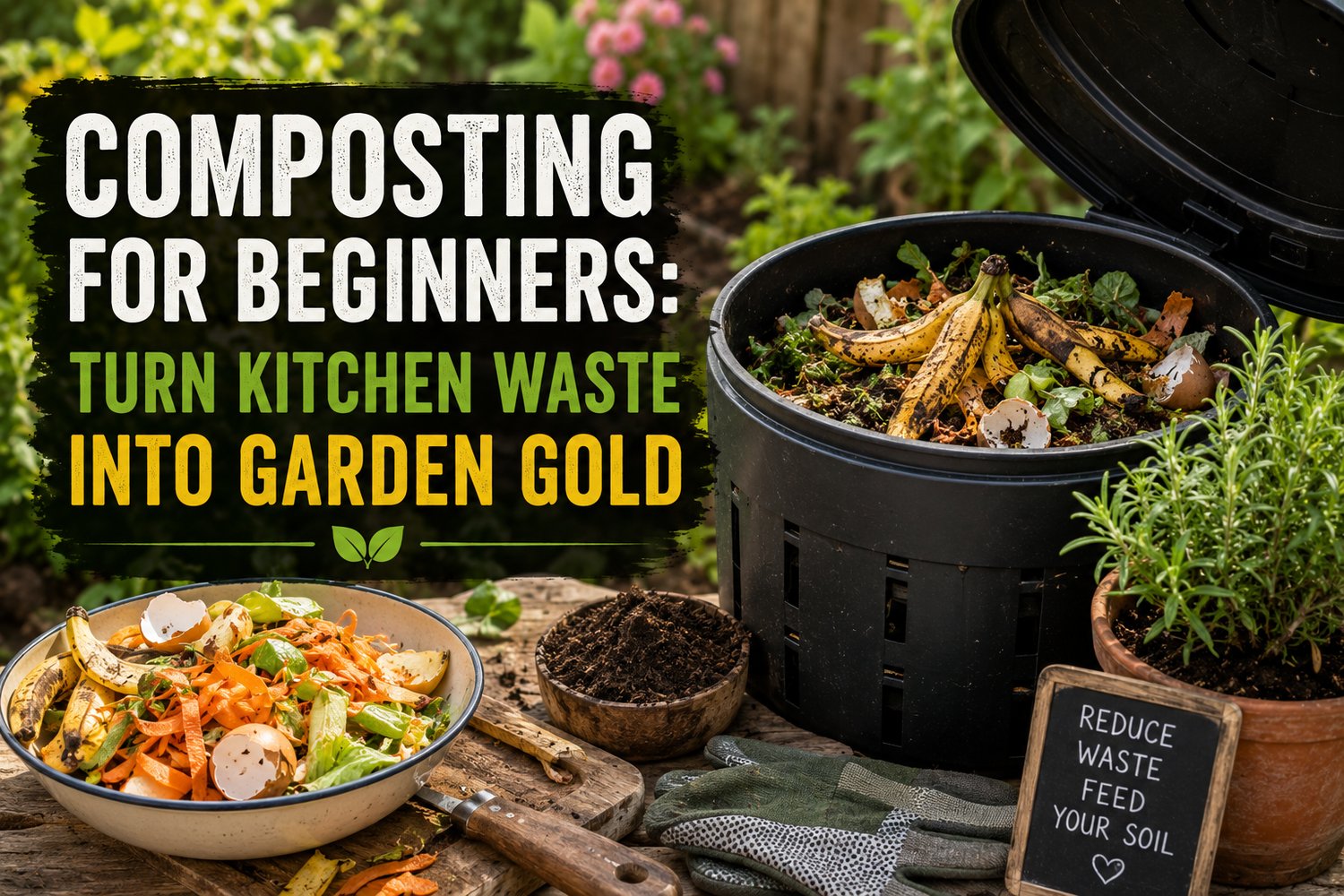
Every day, most households throw away fruit peels, vegetable scraps, coffee grounds, and garden waste without realizing these materials can become one of the most valuable resources for a healthy garden.
Composting is nature's way of recycling. Instead of sending organic waste to landfill, composting transforms it into rich, dark, crumbly material often called "garden gold." This natural compost improves soil, feeds plants, reduces household waste, and saves money on fertilizers.
The best part is that anyone can compost, whether you have a large backyard or a small home garden.
This beginner-friendly guide explains everything you need to know to start composting successfully.
What Is Compost?
Compost is organic material that has broken down naturally into a nutrient-rich soil conditioner.
Tiny organisms such as:
• Bacteria
• Fungi
• Earthworms
• Insects
work together to decompose organic matter into material that plants can easily use.
Good compost looks like dark, rich soil and has a fresh, earthy smell.
Why Composting Matters
Composting benefits both your garden and the environment.
Improve Soil Quality
Healthy compost adds:
• Organic matter
• Nutrients
• Beneficial microorganisms
This improves both sandy and clay soils.
Help Soil Hold More Water
Compost acts like a sponge.
It helps soil:
• Retain moisture longer
• Reduce watering needs
• Improve drought resistance
Feed Plants Naturally
Instead of relying only on chemical fertilizers, compost provides a slow, steady supply of nutrients.
Plants grow:
• Stronger
• Greener
• Healthier
Reduce Household Waste
A large portion of household rubbish is compostable.
Instead of throwing it away, recycle it into something useful.
Save Money
Homemade compost reduces the need to buy:
• Fertilizers
• Soil conditioners
• Potting mix improvements
What Can You Compost?
Successful compost requires a balanced mix of materials.
Green Materials (Nitrogen-Rich)
These are fresh materials that provide nitrogen.
Examples:
✅ Fruit scraps
✅ Vegetable peels
✅ Fresh grass clippings
✅ Coffee grounds
✅ Tea leaves (without plastic tea bags)
✅ Fresh plant trimmings
These materials help microorganisms grow and multiply.
Brown Materials (Carbon-Rich)
These provide carbon and help balance the compost pile.
Examples:
✅ Dry leaves
✅ Straw
✅ Cardboard (plain, uncoated)
✅ Newspaper (black-and-white ink only)
✅ Small twigs
✅ Sawdust from untreated wood
✅ Paper towel rolls
Brown materials help improve airflow and reduce unpleasant smells.
What Should NOT Be Composted?
Avoid adding:
- Meat
- Fish
- Dairy products
- Cooking oil and grease
- Bones
- Pet waste
- Diseased plants
- Weeds with mature seeds
- Glossy or plastic-coated paper
These materials may attract pests, create bad odors, or spread disease.
Step 1: Choose a Composting Location
Your compost area should be:
• Easy to access
• Well-drained
• Partially shaded
• Close to your garden if possible
You can use:
• A compost bin
• A wooden compost box
• A wire mesh enclosure
• A simple compost pile
Step 2: Build Your Compost Pile
The secret to successful composting is layering.
Start with Browns
Begin with a layer of:
• Small sticks
• Dry leaves
• Straw
This improves airflow.
Add Greens
Next add:
• Vegetable scraps
• Fruit peels
• Fresh grass
Repeat the Layers
Continue alternating:
Brown → Green → Brown → Green
Aim for roughly 2 parts brown material to 1 part green material.
This balance helps the compost break down efficiently and reduces odors.
Step 3: Keep the Compost Moist
Compost should feel like a wrung-out sponge.
Too Dry?
Add:
• Water
• Fresh green material
Too Wet?
Add:
• Dry leaves
• Shredded cardboard
• Straw
Avoid soaking the pile.
Step 4: Turn the Compost Regularly
Turning adds oxygen, which helps microorganisms work faster.
How Often?
Every 1 to 2 weeks.
Use:
• A garden fork
• A shovel
Mix the outer materials into the center.
Step 5: Be Patient
Depending on weather, moisture, and materials, compost usually takes 2 to 6 months to mature.
Warm conditions and regular turning speed up the process.
How to Know Compost Is Ready
Finished compost should be:
✔ Dark brown or black
✔ Crumbly and loose
✔ Earthy smelling
✔ Cool to the touch
✔ Free of recognizable food scraps
If you can still identify many of the original materials, it needs more time.
How to Use Compost
In Garden Beds
Spread 2 to 5 cm of compost over the soil and gently mix it into the top layer before planting.
Around Existing Plants
Place compost around the base of plants, keeping it a few centimetres away from stems.
Water afterwards to help nutrients move into the soil.
In Containers
Mix compost with potting mix to improve fertility and water retention.
For Lawns
Apply a thin layer over the lawn to improve soil quality and encourage healthy grass growth.
Common Composting Problems and Solutions
Bad Smell
Possible cause: Too many green materials or excess moisture.
Solution: Add dry leaves, shredded cardboard, or straw and turn the pile.
Compost Is Too Dry
Possible cause: Lack of moisture.
Solution: Sprinkle with water while turning.
Compost Isn't Breaking Down
Possible cause:
• Large pieces of material
• Poor balance of greens and browns
• Lack of oxygen
Solution:
• Chop materials into smaller pieces
• Add more green materials if needed
• Turn the pile more often
Flies or Pests
Possible cause: Food scraps left exposed or meat added.
Solution:
• Cover food waste with brown materials
• Never compost meat or dairy
Common Beginner Mistakes
-Adding too much of one material
-Forgetting to turn the compost
-Letting the pile become waterlogged
-Using diseased plants
-Adding cooked food, meat, or dairy
Simple Weekly Compost Routine
Every Day
• Add fruit and vegetable scraps
• Cover with brown material
Every Week
• Check moisture
• Turn the compost
• Remove unsuitable materials if found
Every Month
• Inspect progress
• Add more brown material if needed
• Chop larger materials to speed decomposition
Tips for Faster Compost
✔ Chop kitchen scraps into smaller pieces.
✔ Keep the pile moist but not wet.
✔ Turn regularly.
✔ Maintain a good balance of greens and browns.
✔ Compost in a warm location.
Final Thought
Composting is one of the easiest and most rewarding habits any gardener can develop.
Instead of throwing away valuable organic waste, you can turn it into a natural fertilizer that feeds your soil, strengthens your plants, reduces waste, and saves money.
Every banana peel, vegetable trimming, handful of dry leaves, and cup of coffee grounds is an opportunity to create healthier gardens and a more sustainable future.
Start small, stay consistent, and watch your kitchen scraps become true garden gold.
Comments ()