
A Complete Step-by-Step Guide to Starting a Thriving Container Garden
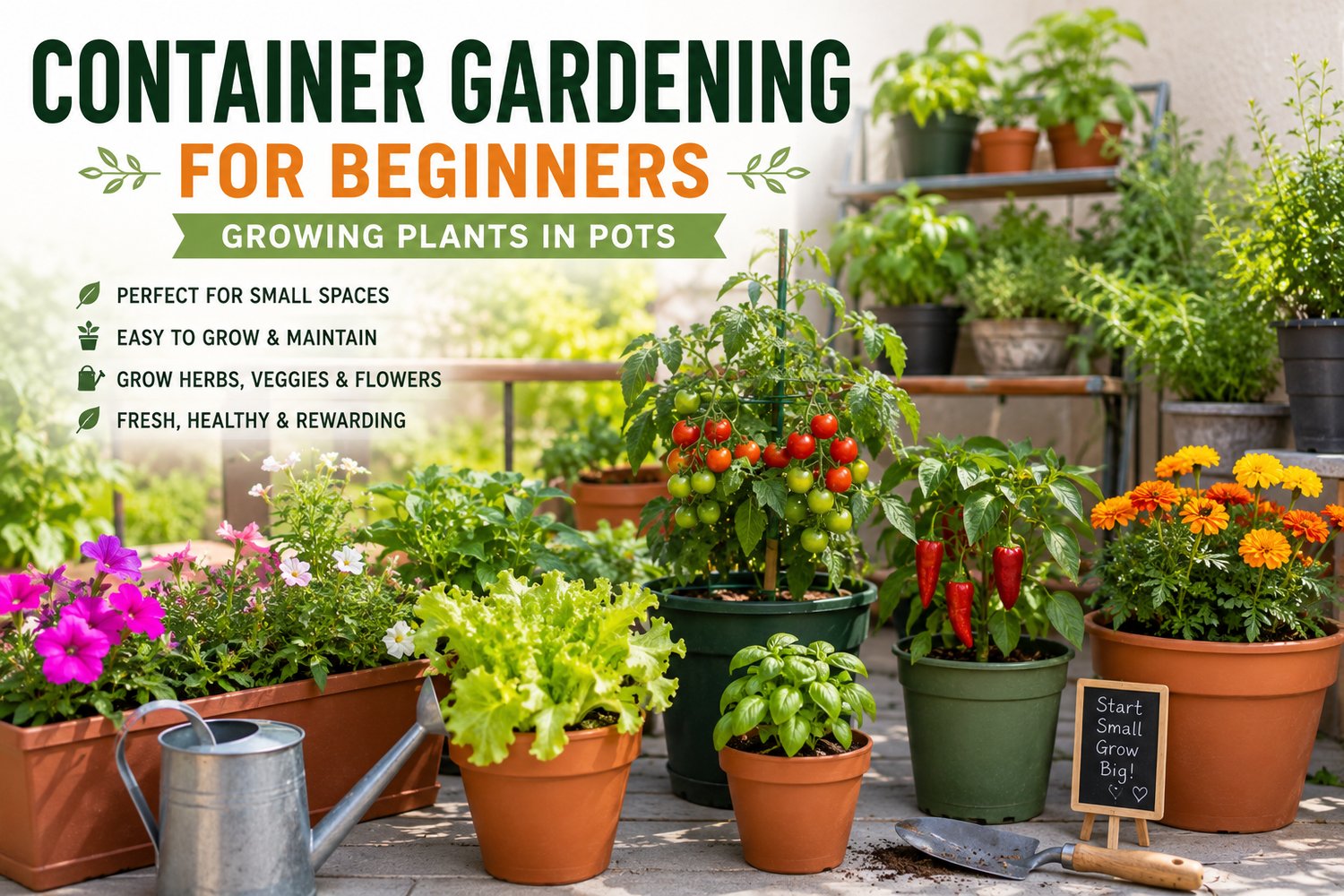
Not everyone has access to a large backyard or garden space. The good news is that you don't need one to grow healthy plants, vegetables, herbs, or flowers.
Container gardening allows you to grow a wide variety of plants using pots, containers, hanging baskets, and planters. Whether you live in an apartment, have a small patio, a balcony, or a limited outdoor area, container gardening makes it possible to enjoy gardening almost anywhere.
This beginner-friendly guide will teach you everything you need to know to start growing successfully in pots.
What Is Container Gardening?
Container gardening is the practice of growing plants in containers instead of directly in the ground.
Containers can include:
• Plastic pots
• Clay pots
• Ceramic containers
• Wooden planters
• Grow bags
• Hanging baskets
• Recycled containers with drainage holes
Container gardening is one of the easiest ways for beginners to learn how plants grow.
Why Container Gardening Is Great for Beginners
Container gardening offers several advantages.
Easy to Manage
Small growing spaces are easier to monitor and maintain.
You can:
• Control watering more easily
• Manage soil quality
• Move plants when necessary
Perfect for Small Spaces
Container gardening works well for:
• Apartments
• Balconies
• Patios
• Courtyards
• Rooftops
• Small backyards
Better Pest Control
Because plants are elevated and easier to inspect, pest problems are often easier to identify and manage.
Flexibility
Containers can be moved to:
• More sunlight
• Less sunlight
• Protection from rain
• Protection from frost
Step 1: Choose the Right Containers
The container you choose affects plant health.
Important Factors
Size
One of the biggest beginner mistakes is choosing containers that are too small.
Small pots:
• Dry out quickly
• Restrict root growth
• Require more frequent watering
General Guide
Small Pots (15–20 cm)
Suitable for:
• Basil
• Parsley
• Chives
Medium Pots (25–35 cm)
Suitable for:
• Lettuce
• Spinach
• Strawberries
Large Pots (40 cm and above)
Suitable for:
• Tomatoes
• Peppers
• Eggplants
• Small fruit trees
Drainage Is Essential
Every container should have drainage holes.
Without drainage:
• Water accumulates
• Roots rot
• Plants become unhealthy
If using recycled containers, drill drainage holes before planting.
Step 2: Choose Quality Potting Mix
Many beginners use garden soil in pots.
This is a mistake.
Garden soil often:
• Becomes compacted
• Drains poorly
• Restricts root growth
Use Potting Mix Instead
Good potting mix provides:
• Better drainage
• Better airflow
• Healthy root development
Improve Potting Mix Further
Add:
• Compost
• Organic matter
• Slow-release fertilizer
This creates a nutrient-rich growing environment.
Step 3: Select Beginner-Friendly Plants
Start with plants that are easy to grow.
Best Herbs
• Basil
• Mint
• Parsley
• Chives
• Oregano
Best Vegetables
• Lettuce
• Spinach
• Tomatoes
• Peppers
• Beans
Best Flowers
• Marigolds
• Petunias
• Geraniums
Step 4: Plant Correctly
Step-by-Step
1. Fill Container
Fill about three-quarters full with potting mix.
2. Position Plant
Place the seedling in the center.
3. Add More Soil
Cover roots completely.
4. Firm Gently
Lightly press soil around the plant.
5. Water Thoroughly
Water immediately after planting.
Step 5: Understand Sunlight Requirements
Different plants require different amounts of sunlight.
Full Sun
Needs 6–8 hours daily.
Examples:
• Tomatoes
• Peppers
• Basil
Partial Sun
Needs 3–6 hours daily.
Examples:
• Lettuce
• Spinach
• Herbs
Shade-Tolerant Plants
Examples:
• Mint
• Certain leafy greens
Tip
Observe sunlight patterns before placing containers permanently.
Step 6: Water Properly
Container plants dry out faster than garden plants.
Why?
Containers hold less soil, and less soil means less moisture storage.
Watering Routine
Check Daily
Insert your finger into the soil.
If the top 2–3 cm feels dry:
Water.
Water Deeply
Water until moisture drains from the bottom.
This encourages deeper root growth.
Common Watering Mistakes
• Watering too often
• Watering too little
• Ignoring drainage
Step 7: Feed Your Plants
Plants in containers use nutrients faster than plants grown in the ground.
Feeding Schedule
Every Month
Add:
• Compost
• Organic fertilizer
During Active Growth
Use liquid fertilizer every few weeks if needed.
Step 8: Monitor for Problems
Inspect plants at least twice a week.
Look for:
• Yellow leaves
• Wilting
• Pest damage
• Slow growth
• Spots on leaves
Early detection makes problems easier to fix.
Step 9: Support Larger Plants
Some plants need support as they grow.
Examples:
• Tomatoes
• Peppers
• Climbing beans
Use:
• Stakes
• Cages
• Trellises
Step 10: Rotate and Refresh
Over time, potting mix loses nutrients.
Every Season
- Remove old plant material
- Add fresh compost
- Replace part of the potting mix
- Clean containers
This helps maintain healthy growth.
Common Container Gardening Mistakes
Choosing Pots That Are Too Small
Roots quickly become crowded.
Forgetting Drainage
Poor drainage is one of the leading causes of plant death.
Overwatering
Container plants need moisture, but not constantly wet soil.
Ignoring Sunlight Needs
Wrong placement often leads to poor growth.
Using Poor Soil
Healthy plants start with healthy growing media.
Simple Weekly Container Garden Routine
Daily
• Check soil moisture
• Observe plant health
Weekly
• Remove dead leaves
• Inspect for pests
• Clean around containers
Monthly
• Add nutrients
• Refresh mulch
• Check container condition
Final Thought
Container gardening proves that you don't need a large garden to grow beautiful flowers, fresh herbs, or productive vegetables.
With the right container, good soil, proper watering, and regular care, even the smallest space can become a thriving garden.
Start small, learn as you grow, and enjoy the satisfaction of harvesting plants from your own pots and containers.
Article Summary
- Ideal for small spaces
- Easy for beginners
- Flexible and low-cost
- Suitable for herbs, vegetables, and flowers
- Can be done on balconies, patios, and courtyards
A single pot can be the beginning of a lifelong gardening journey.
Comments ()