
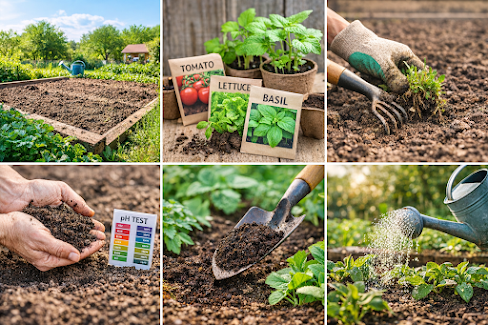

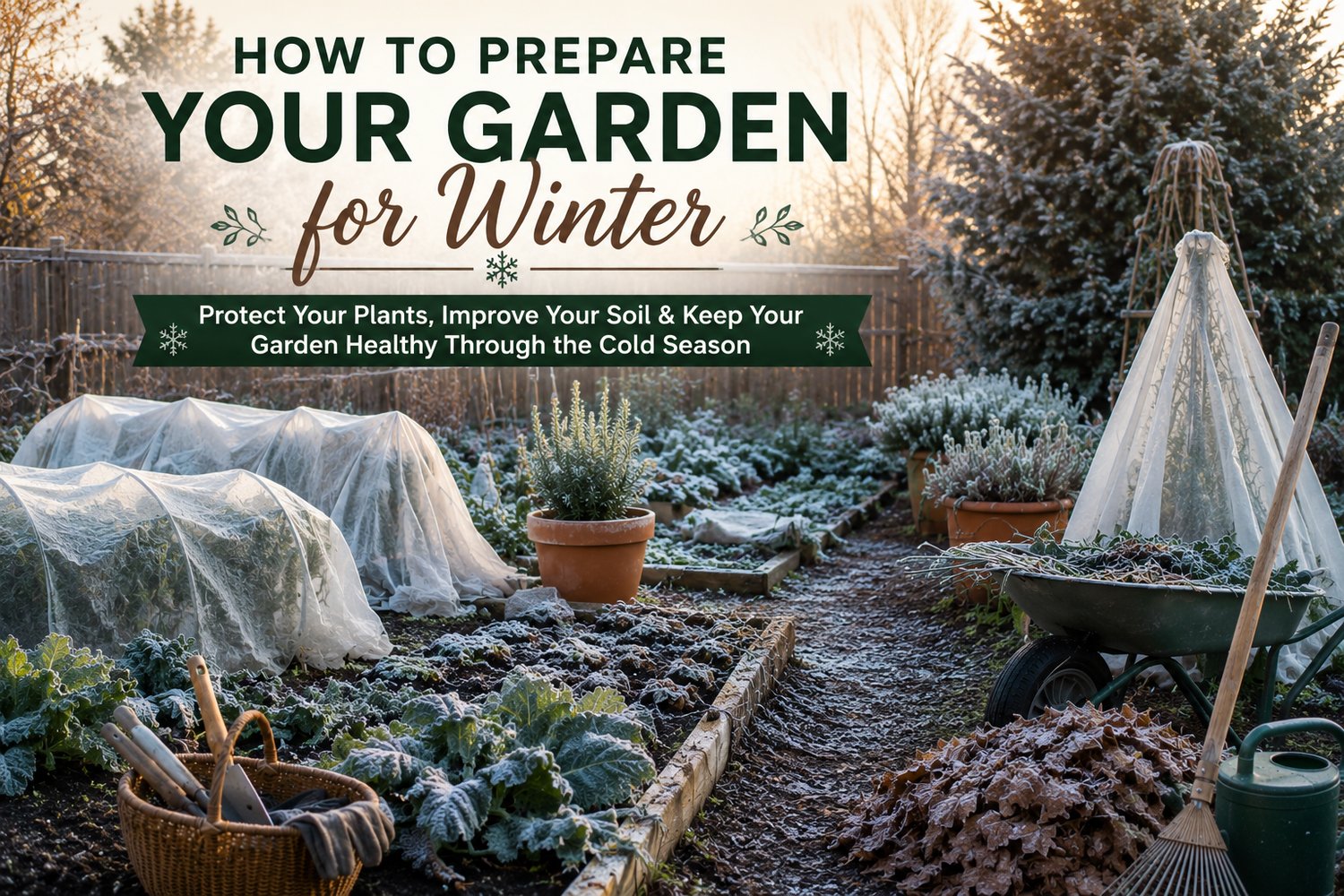
A Step-by-Step Guide for Protecting Plants During Cold Weather
Winter can be one of the toughest seasons for any garden. Cold temperatures, frost, strong winds, and reduced sunlight can weaken plants, damage soil, and slow growth dramatically.
But winter does not have to destroy your garden.
With proper preparation, you can protect your plants, improve your soil, reduce future pest problems, and prepare for a stronger, healthier growing season when warmer weather returns.
This guide explains exactly how to prepare your garden for winter in a practical and beginner-friendly way
Why Winter Preparation Matters
Gardens that are properly prepared for winter:
• Experience less plant damage
• Retain healthier soil
• Recover faster in spring
• Have fewer weeds and pests later
Winter preparation is not only about protection. It is also about setting up future success.
Step 1: Remove Dead or Diseased Plants
The first winter task is cleaning your garden properly.
Why this matters:
Dead or infected plants can:
• Attract pests
• Spread disease
• Create fungal problems
Step-by-step:
- Remove dead vegetables and flowers
- Pull out weak or diseased plants completely
- Remove fallen leaves around affected plants
- Dispose of infected material away from the garden
Do not compost diseased plants unless you are certain the compost becomes hot enough to kill pathogens.
Step 2: Clear Weeds Before Winter
Many weeds survive cold weather and return stronger later.
Why early removal matters:
Weeds compete for:
• Nutrients
• Water
• Space
Step-by-step:
- Pull weeds from the roots
- Remove weeds before they produce seeds
- Clear around pathways and beds
Winter cleanup reduces spring workload significantly.
Step 3: Improve Your Soil Before Winter
Winter is one of the best times to rebuild soil health.
Why:
Cold months allow organic matter to slowly break down and enrich the soil naturally.
Best materials to add:
• Compost
• Well-rotted manure
• Dry leaves
• Organic mulch
Step-by-step:
- Spread compost evenly over garden beds
- Lightly mix into the topsoil
- Water lightly if soil is very dry
Healthy winter soil creates stronger spring growth.
Step 4: Add Mulch for Protection
Mulch acts like insulation for plant roots and soil.
Benefits:
• Protects roots from freezing
• Reduces moisture loss
• Prevents soil erosion
• Improves soil quality over time
Good mulch options:
• Straw
• Dry grass
• Leaves
• Bark chips
How to apply:
- Spread mulch around plants
- Keep mulch slightly away from stems
- Apply a layer about 5–8 cm thick
Mulch is especially important for young plants and exposed roots.
Step 5: Protect Sensitive Plants from Frost
Some plants cannot tolerate freezing temperatures.
Common frost-sensitive plants:
• Basil
• Tomatoes
• Peppers
• Young seedlings
Frost protection methods:
Option 1: Use Plant Covers
Use:
• Frost cloth
• Garden fabric
• Old sheets
Option 2: Move Containers Indoors
Potted plants are easier to protect.
Option 3: Use Mulch Around Roots
Extra mulch provides insulation.
Step 6: Water Correctly During Winter
Many beginners stop watering completely during winter.
Important:
Plants still need moisture, even in cold weather.
Winter watering tips:
- Water less frequently
- Check soil before watering
- Avoid waterlogged soil
- Water during warmer parts of the day
Overwatering in winter can damage roots.
Step 7: Prune Carefully
Winter pruning helps remove weak growth.
Remove:
• Dead branches
• Damaged stems
• Diseased growth
Avoid:
Heavy pruning on sensitive plants during extreme cold.
Incorrect pruning may expose plants to frost damage.
Step 8: Protect Garden Tools and Equipment
Winter maintenance extends tool life.
Step-by-step:
- Wash tools thoroughly
- Remove dirt and rust
- Dry tools completely
- Oil metal parts lightly
- Store in a dry area
Well-maintained tools last much longer.
Step 9: Prepare Containers and Raised Beds
Containers become vulnerable during winter.
What to do:
- Empty damaged pots
- Improve pot drainage
- Raise containers slightly off cold ground
- Move delicate plants to sheltered areas
Step 10: Plan for Spring Early
Winter is the perfect planning season.
Use this time to:
• Choose new crops
• Buy seeds
• Design garden layouts
• Rotate crops for healthier soil
Successful spring gardens often begin during winter preparation.
Step 11: Continue Monitoring Your Garden
Even during winter, continue checking plants regularly.
Watch for:
• Frost damage
• Excess moisture
• Pest hiding spots
• Mold or fungal growth
Common Winter Gardening Mistakes
Leaving Dead Plants in Beds
This encourages pests and disease.
Overwatering
Cold soil dries much slower.
Ignoring Mulch
Exposed soil loses protection quickly.
Forgetting Container Plants
Pots freeze faster than ground soil.
Simple Winter Garden Routine
Weekly:
• Check soil moisture
• Inspect plant protection covers
• Remove weeds
Monthly:
• Add compost if needed
• Clean tools
• Inspect stored supplies
Final Thought
Winter gardening is less about active growth and more about protection, preparation, and recovery.
A garden that is cared for during winter becomes stronger, healthier, and easier to manage when warmer seasons return.
The work you do now becomes the foundation for future growth
Comments ()