
A Step-by-Step Guide to Building a Successful Vegetable Farming Business
Growing vegetables is more than just a hobby. With proper planning, quality produce, and good business practices, a small vegetable farm can become a reliable source of income. As more consumers seek fresh, locally grown produce, opportunities continue to grow for small-scale farmers who can supply homes, restaurants, retailers, schools, and local markets.
The best part is that you do not need hundreds of hectares of land to get started. Many successful vegetable farmers begin with a small plot and expand as demand increases.
This guide will walk you through the essential steps to start a profitable small vegetable farming business.
Why Start a Small Vegetable Farm?
Vegetable farming offers many advantages:
- Growing demand for fresh, locally produced food.
- Lower startup costs than many other agricultural businesses.
- Ability to start small and expand over time.
- Multiple harvests each year for many crops.
- Opportunity to supply different markets.
- Potential to diversify into value-added products and services.
With careful management, even a small farm can generate a steady income.
Step 1: Research Your Market
Before planting a single seed, understand who will buy your vegetables.
Potential customers include:
- Local households
- Farmers' markets
- Grocery stores
- Restaurants
- Hotels
- Schools
- Caterers
- Community food programmes
Visit local markets and observe:
- Which vegetables sell quickly?
- What prices are customers paying?
- Which vegetables are in short supply?
- What quality standards do buyers expect?
Growing vegetables that people already want to buy reduces the risk of unsold produce.
Step 2: Choose the Right Location
Your farm should have:
- Good-quality soil
- Reliable access to water
- Plenty of sunlight
- Good drainage
- Easy road access for deliveries
- Protection from flooding where possible
If you have limited space, you can begin with:
- A backyard garden
- Raised beds
- A leased plot
- Community farming land
The location should also be close enough to your target market to keep transport costs manageable.
Step 3: Select Profitable Crops
Choose crops that:
- Are in high demand
- Grow well in your local climate
- Have reliable market prices
- Can be harvested more than once where possible
Popular vegetables include:
- Tomatoes
- Spinach
- Lettuce
- Cabbage
- Carrots
- Green peppers
- Onions
- Beetroot
- Green beans
- Cucumbers
Growing a mix of crops helps spread risk if one crop performs poorly.
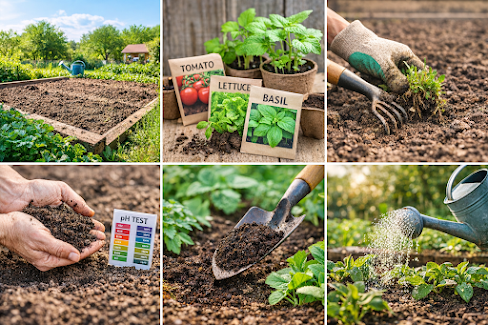
Step 4: Prepare the Land
Healthy soil produces healthy vegetables.
Prepare your land by:
- Clearing weeds and debris.
- Testing soil if possible.
- Adding compost or well-rotted manure.
- Loosening compacted soil.
- Creating planting rows or raised beds.
- Installing drainage if necessary.
Good soil preparation improves plant growth and reduces future problems.
Step 5: Invest in Quality Seeds or Seedlings
Avoid buying poor-quality planting material simply because it is cheaper.
Choose:
- Certified seeds
- Healthy seedlings
- Reliable suppliers
- Varieties suited to your climate
Quality planting material improves germination, growth, and yields.
Step 6: Install an Efficient Irrigation System
Vegetables require consistent watering, especially during hot weather.
Suitable irrigation options include:
- Drip irrigation
- Soaker hoses
- Sprinkler systems
- Watering cans for small plots
Drip irrigation is particularly efficient because it delivers water directly to plant roots while reducing water waste.
Step 7: Feed Your Crops Properly
Healthy vegetables require balanced nutrition.
Use:
- Compost
- Organic fertilizers
- Well-rotted manure
- Suitable commercial fertilizers where appropriate
Apply fertilizers according to the crop's growth stage and avoid over-application.
Healthy plants are generally more productive and better able to withstand stress.
Step 8: Manage Pests and Diseases
Inspect crops regularly for:
- Yellow leaves
- Holes in foliage
- Wilting plants
- Spots on leaves
- Visible insects
Early action helps prevent major losses.
Integrated pest management may include:
- Crop rotation
- Healthy soil management
- Removing infected plants
- Encouraging beneficial insects
- Using appropriate pest control products when necessary
Always follow product instructions when using crop protection products.
Step 9: Control Weeds
Weeds compete with vegetables for:
- Water
- Nutrients
- Sunlight
- Growing space
Control weeds by:
- Mulching
- Hand weeding
- Hoeing between rows
- Maintaining clean pathways
Removing weeds before they produce seeds reduces future weed problems.
Step 10: Harvest at the Right Time
Harvest vegetables when they are:
- Fresh
- Fully developed
- Free from damage
- Suitable for market requirements
Harvesting too early or too late can reduce quality and selling price.
Harvest during the cooler parts of the day where practical to maintain freshness.
Step 11: Handle Produce Carefully
Good handling helps preserve quality.
After harvesting:
- Remove damaged vegetables.
- Keep produce clean.
- Store in a cool place.
- Use clean containers.
- Avoid bruising during transport.
Quality presentation often influences customer purchasing decisions.
Step 12: Price Your Products Correctly
Know your production costs before setting prices.
Consider:
- Seeds and seedlings
- Fertilizers
- Water
- Labour
- Packaging
- Transport
- Equipment maintenance
Your selling price should cover costs while remaining competitive.
Step 13: Market Your Farm
A profitable farm needs customers.
Promote your vegetables through:
- Social media
- Community groups
- Local advertisements
- Farmers' markets
- Word of mouth
- Business partnerships
Take clear photographs of your produce and share updates about harvests and seasonal availability.
Building trust with customers encourages repeat business.
Step 14: Keep Good Records
Record:
- Planting dates
- Harvest dates
- Expenses
- Sales
- Crop performance
- Weather conditions
- Pest problems
Accurate records help you identify which crops are most profitable and improve planning for future seasons.
Step 15: Grow Your Business
Once your farm is established, consider expanding by:
- Increasing production
- Adding new vegetable varieties
- Selling seedlings
- Supplying restaurants and retailers
- Offering vegetable delivery services
- Processing vegetables into value-added products where regulations allow
Growing gradually reduces financial risk and allows you to build a loyal customer base.
Common Mistakes to Avoid
- Planting without researching the market
- Growing too many different crops at once
- Ignoring soil quality
- Poor irrigation planning
- Delaying pest and disease control
- Failing to keep financial records
- Neglecting customer relationships
Learning from these mistakes can improve your chances of long-term success.
Basic Equipment for a Small Vegetable Farm
Starting with the right tools makes work easier.
Essential equipment includes:
- Garden fork
- Spade
- Hoe
- Rake
- Watering can
- Hose or irrigation system
- Wheelbarrow
- Hand trowel
- Pruning shears
- Gloves
- Harvest crates or baskets
As your business grows, you can invest in larger equipment to improve efficiency.
Weekly Farm Management Checklist
Daily
- Inspect crops for pests and diseases.
- Check soil moisture.
- Water where needed.
- Harvest mature vegetables.
Weekly
- Remove weeds.
- Apply mulch if necessary.
- Monitor plant growth.
- Clean tools and equipment.
- Review sales and inventory.
Monthly
- Review production costs.
- Assess crop performance.
- Plan the next planting cycle.
- Inspect irrigation systems.
- Maintain equipment.
Tips for Increasing Profit
✔ Grow vegetables that have consistent local demand.
✔ Stagger planting dates to provide continuous harvests.
✔ Reduce waste by harvesting carefully and storing produce correctly.
✔ Build relationships with regular customers.
✔ Continue learning through agricultural and farming training.
✔ Invest in quality tools and reliable farming equipment.
✔ Focus on producing fresh, healthy, and high-quality vegetables.
Final Thoughts
Starting a small vegetable farm for profit requires planning, dedication, and consistent management, but it is an achievable goal for many aspiring farmers.
Begin with a manageable area, choose crops that suit your market and climate, care for your soil, and focus on producing high-quality vegetables. As your knowledge and customer base grow, you can gradually expand your operation and increase your income.
Whether your goal is to earn extra income or build a full-time farming business, success starts with good planning and a commitment to continuous improvement.
Need Help Getting Started?
If you're looking to begin your farming journey or improve your existing operation, explore our agricultural training programmes, professional landscaping services, quality garden and farming tools, garden maintenance solutions, and agricultural products on our official website. We're here to help you grow with confidence, from your first seed to your first successful harvest.
Comments ()