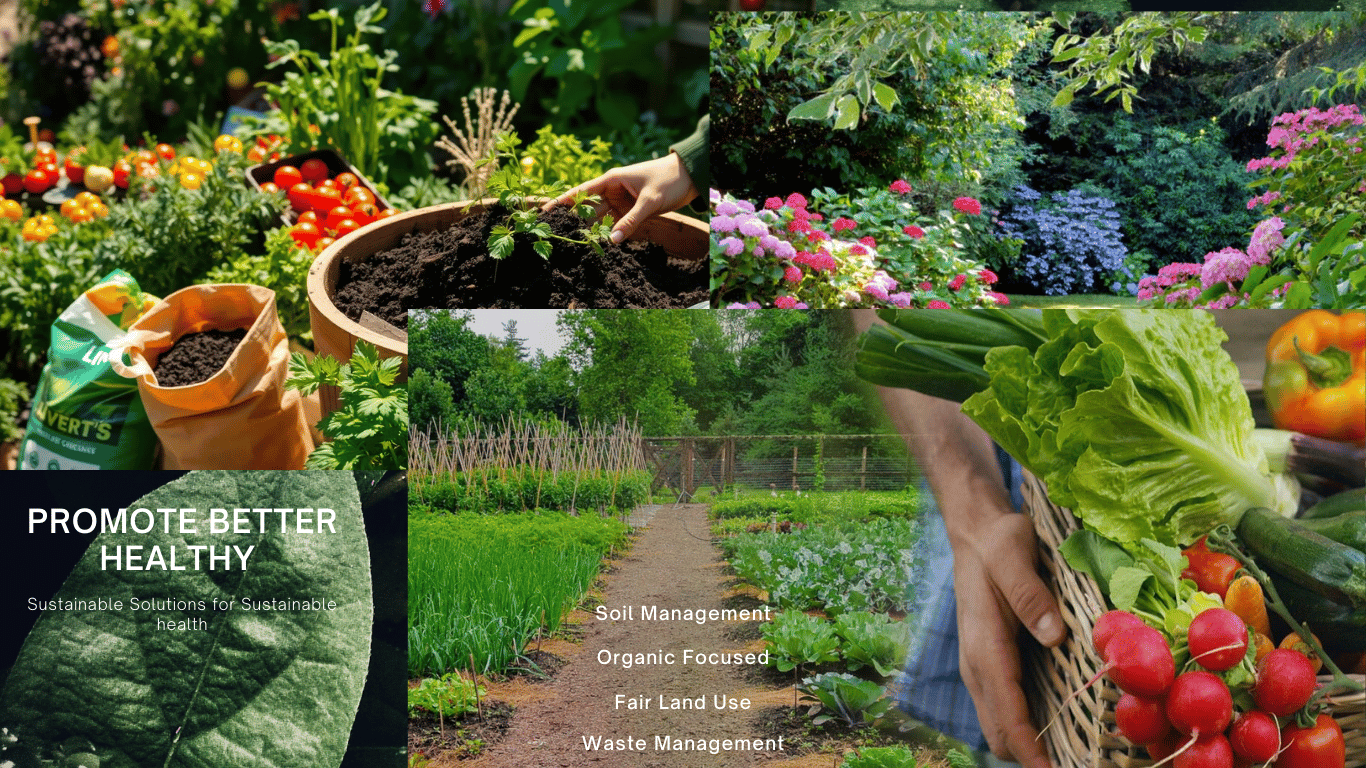
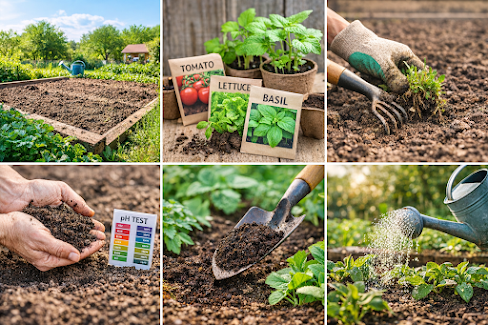


Modern landscaping is about creating an outdoor space that is beautiful, practical, comfortable, and suited to the way you live.
A residential landscape can be much more than a lawn surrounded by plants. With thoughtful planning, your garden can become an extension of your home, providing space for relaxation, entertaining, outdoor dining, children's activities, gardening, or simply enjoying nature.
You also don't need an enormous property or an unlimited budget to create an attractive landscape. The key is understanding your space, choosing appropriate materials and plants, and designing the garden around your actual needs.
In this guide, we explore 10 modern landscaping ideas for residential homes, with practical steps to help you put them into practice.
1. Create a Clean and Minimalist Landscape
One of the strongest characteristics of modern landscaping is simplicity.
Instead of filling every part of the garden with different plants, decorations, and materials, create clearly defined areas with a limited selection of complementary elements.
You might combine:
- Green plants
- Simple paving
- Decorative stone
- Lawn
- Defined planting beds
- Outdoor furniture
- Strategic lighting
The objective isn't to make the garden empty. It is to make every element feel intentional.
How to create a minimalist landscape
Step 1: Assess the existing garden.
Remove broken, unnecessary, or unused items.
Step 2: Divide the space into zones.
For example:
- Entrance
- Lawn
- Planting area
- Entertainment area
- Pathway
Step 3: Limit your materials.
Choose two or three major materials and use them consistently.
Step 4: Select plants carefully.
Rather than buying dozens of different species, choose a smaller number of plants and repeat them throughout the landscape.
This creates consistency and makes the garden easier to maintain.
2. Create an Outdoor Living Area
One of the biggest modern landscaping trends is treating the garden as an extension of the home.
Instead of simply looking at your garden from the window, create a space where you can actually spend time.
Depending on your property, you could create:
- An outdoor dining area
- A patio
- A relaxation area
- A barbecue area
- An outdoor kitchen
- A pergola
- A fire-pit area
- A family entertainment space
How to plan it
Start by asking:
What will we actually do here?
If you regularly entertain guests, you may need a larger seating area.
If the space is primarily for relaxation, a smaller patio with comfortable furniture may be sufficient.
Then consider:
- Access from the house
- Afternoon sunlight
- Wind direction
- Privacy
- Drainage
- Available space
- Maintenance requirements
The best outdoor living area is one that fits your lifestyle rather than simply copying a design from another property.
3. Use Modern Pathways and Paving
Pathways provide structure and make a landscape easier to navigate.
They can connect your:
- House
- Entrance
- Patio
- Garage
- Vegetable garden
- Outdoor entertainment area
- Garden features
Modern landscaping can incorporate:
- Concrete pavers
- Natural stone
- Brick
- Gravel
- Stepping stones
- Outdoor tiles
Don't over-pave the garden
One common mistake is covering too much of the property with hard surfaces.
Instead, create a balance between hardscape and planting.
For example:
Paved pathway → planting bed → lawn → seating area → planting bed
This creates visual interest while keeping the garden functional.
Before installing a pathway
Use a rope or garden hose to mark the proposed route.
Walk along it.
Check whether:
- It is wide enough
- The route makes sense
- It connects the areas you actually use
- It avoids unnecessary obstacles
Only after you're satisfied should you begin permanent installation.
4. Choose Plants According to Your Environment
A plant should not be selected simply because it looks attractive.
You need to consider whether it will actually thrive in your property.
Before purchasing plants, investigate:
- Local climate
- Sunlight requirements
- Soil conditions
- Water requirements
- Mature size
- Growth rate
- Maintenance needs
- Resistance to local environmental conditions
Match plants to locations
Full sun: Choose plants that tolerate strong sunlight.
Partial shade: Choose plants that perform well with several hours of sunlight.
Deep shade: Select plants that can tolerate low-light conditions.
Dry areas: Consider suitable drought-tolerant plants.
Wet areas: Choose plants that can cope with higher moisture levels where appropriate.
This principle is simple:
Right plant, right place.
It can save you money, reduce plant losses, and make your landscape easier to maintain.
5. Make Use of Vertical Landscaping
A small garden doesn't mean you have to limit your greenery.
Vertical landscaping allows you to use walls, fences, trellises, and other vertical surfaces.
Options include:
- Vertical gardens
- Wall planters
- Hanging baskets
- Trellises
- Green walls
- Climbing plants
This can be particularly useful for:
- Small residential gardens
- Townhouses
- Patios
- Courtyards
- Urban homes
How to create a simple vertical garden
Step 1: Choose a suitable wall, fence, or structure.
Step 2: Determine how much sunlight the location receives.
Step 3: Choose plants that suit those conditions.
Step 4: Install a strong and suitable support structure.
Step 5: Plant and secure the plants appropriately.
Step 6: Monitor watering and growth.
Remember to consider the mature weight and size of plants before attaching structures to walls or fences.
An additional advantage
Vertical landscaping can also be productive.
You can grow suitable herbs, vegetables, and other edible plants vertically, allowing a small residential space to provide both beauty and food.
6. Combine Different Textures
Texture can make a modern landscape much more visually interesting.
Instead of using the same surface everywhere, combine different materials and plant textures.
For example:
Smooth paving + natural stone + timber + soft lawn + textured foliage
You can introduce texture through:
- Ornamental grasses
- Large-leaf plants
- Fine foliage
- Decorative gravel
- Natural stone
- Timber
- Concrete
- Bark
- Mulch
The important rule
Don't use every material you can find.
Too many competing textures can make a garden look disorganised.
Instead, select two or three dominant materials and repeat them throughout the landscape.
7. Use Outdoor Lighting Strategically
Good landscaping shouldn't disappear once the sun goes down.
Outdoor lighting can improve:
- Safety
- Visibility
- Security
- Entertainment
- Garden appearance
Consider illuminating:
- Pathways
- Steps
- Entrances
- Trees
- Patios
- Seating areas
- Feature walls
- Water features
Use different levels of lighting
Pathways may need practical illumination.
Trees and architectural features may only need subtle accent lighting.
Entertainment areas may benefit from comfortable ambient lighting.
Avoid making every part of the garden equally bright. Selective lighting generally creates a more attractive result.
For electrical installations, always use appropriate outdoor-rated equipment and ensure electrical work is carried out safely by suitably qualified professionals.
8. Introduce a Water Feature
Water can add movement, sound, and visual interest to a residential landscape.
You don't necessarily need a large pond.
Consider:
- Small fountains
- Wall-mounted water features
- Decorative water bowls
- Bubbling features
- Small ponds
Choosing the location
Place the feature where it can be appreciated from an important part of the property.
For example:
- Patio
- Outdoor seating
- Living room
- Main pathway
Also consider:
- Water availability
- Maintenance
- Drainage
- Safety
- Children
- Pets
- Electricity requirements for pumps
A water feature should enhance the landscape rather than become another difficult maintenance task.
9. Build Privacy Into the Landscape
Your garden should provide a comfortable environment where you can relax without constantly feeling exposed.
Landscaping can help improve privacy through:
- Hedges
- Trees
- Shrubs
- Climbing plants
- Trellises
- Layered planting
You don't necessarily need a tall solid wall around the entire property.
A better approach
Identify the specific areas where privacy is needed.
For example, you may only need screening around:
- A patio
- Swimming pool
- Outdoor dining area
- Entertainment space
Combining fencing with plants can also soften the appearance of boundaries.
Remember to consider the mature height and spread of privacy plants before planting them.
10. Design for Low Maintenance
A modern landscape should ideally be enjoyable rather than becoming a second full-time job.
Before installing anything, consider how much maintenance it will require.
Reduce maintenance by:
- Selecting suitable plants
- Using mulch
- Installing efficient irrigation
- Grouping plants according to water requirements
- Reducing unnecessary lawn
- Choosing durable materials
- Creating easy access to planting areas
Think about the future
Ask:
- Who will mow the lawn?
- Who will prune the trees?
- How often will the plants need watering?
- Can the irrigation system be maintained?
- Can garden equipment reach all areas?
- Will trees eventually interfere with structures?
A landscape should be designed not only for the day it is installed, but also for the years that follow.
Bonus Idea: Combine Landscaping With Food Production
Modern residential landscaping doesn't have to separate decorative gardening from food production.
You can integrate productive plants into an attractive landscape.
Consider:
- Herb gardens
- Fruit trees
- Raised vegetable beds
- Edible borders
- Container vegetables
- Vertical food gardens
For example, herbs can be incorporated into planting beds near an outdoor kitchen, while fruit trees can become attractive features within a larger landscape.
This approach allows your garden to provide beauty, recreation, and food.
How to Plan Your Residential Landscaping Project
Before buying materials or starting construction, follow a structured planning process.
Step 1: Assess the Property
Study:
- Available space
- Sunlight
- Existing vegetation
- Soil
- Drainage
- Slopes
- Access points
Step 2: Decide What You Want From the Space
Determine whether your priorities are:
- Entertainment
- Privacy
- Relaxation
- Children's play
- Food production
- Low maintenance
- Beauty
- A combination of several uses
Step 3: Establish a Budget
Consider the cost of:
- Plants
- Soil improvement
- Labour
- Paving
- Irrigation
- Lighting
- Outdoor structures
- Garden maintenance
- Future replacements
Step 4: Prioritise the Project
You don't need to landscape the entire property at once.
Start with the areas that will make the biggest difference.
You can then develop additional areas over time.
Step 5: Think Long-Term
Always consider the mature size of trees and shrubs.
Avoid planting large trees too close to:
- Buildings
- Walls
- Driveways
- Power lines
- Underground infrastructure
Good landscaping is an investment, so plan for the landscape you want in five or ten years, not only how you want it to look today.
Common Landscaping Mistakes to Avoid
Choosing plants only because they look attractive
Always check whether they are appropriate for your climate and property.
Using too many materials
Too many colours, paving styles, stones, and decorative elements can make the landscape feel chaotic.
Ignoring drainage
Poor drainage can damage plants, lawns, soil, paving, and structures.
Forgetting maintenance
A landscape can become expensive and difficult to manage if maintenance requirements aren't considered during planning.
Planting without considering mature size
A small tree or shrub can eventually become a major problem if planted too close to buildings or infrastructure.
Failing to consider how people move through the garden
Pathways should be practical, accessible, and connected to the areas people actually use.
How Agric Garden Buddy Can Help
Planning and maintaining a landscape can be a significant project, particularly when you want the final result to be both attractive and practical.
Agric Garden Buddy provides a range of agriculture, gardening, landscaping, training, and garden-related solutions designed to help homeowners, growers, businesses, and aspiring professionals.
Depending on your needs, you can explore:
Landscaping Services
Need help transforming your residential outdoor space?
Agric Garden Buddy can assist with landscaping solutions designed around the property, your preferences, and how you intend to use the space.
Garden Maintenance
A beautiful landscape requires ongoing care.
Garden maintenance services can help with the regular work required to keep outdoor spaces healthy, neat, and attractive.
Agricultural & Garden Products
Whether you're working on a home garden, landscaping project, or agricultural activity, having appropriate tools and products can make the work easier and more efficient.
Explore the available agricultural and garden products and tools to find solutions suitable for your project.
Training
Want to develop your own knowledge and practical skills?
Agric Garden Buddy also focuses on training, helping people build knowledge in areas related to agriculture, gardening, landscaping, and practical outdoor work.
Agriculture
Landscaping is only one part of the picture.
Agric Garden Buddy also supports the broader agricultural space through agricultural products, practical information, and solutions for people interested in growing and working with the land.
Ready to Improve Your Outdoor Space?
Whether you're looking to learn, buy, landscape, maintain, grow, or develop your agricultural skills, Agric Garden Buddy aims to provide practical solutions under one platform.
Visit the official Agric Garden Buddy website to explore the available agricultural and garden products, landscaping services, garden maintenance, training, and other solutions for your next project.
Final Thoughts
Modern residential landscaping is about creating an outdoor environment that works for the people who use it.
You don't need the biggest garden, the most expensive materials, or hundreds of different plants.
What matters is thoughtful planning.
Choose plants that suit your environment, create functional spaces, use materials consistently, consider water and maintenance requirements, and design the garden around your lifestyle.
Whether you want a minimalist outdoor space, an entertainment area, a private retreat, a productive food garden, or a complete residential landscape transformation, the right planning can turn an ordinary yard into something genuinely useful and enjoyable.
Plan your space. Grow your ideas. Create an outdoor environment you can enjoy for years to come.
Comments ()