

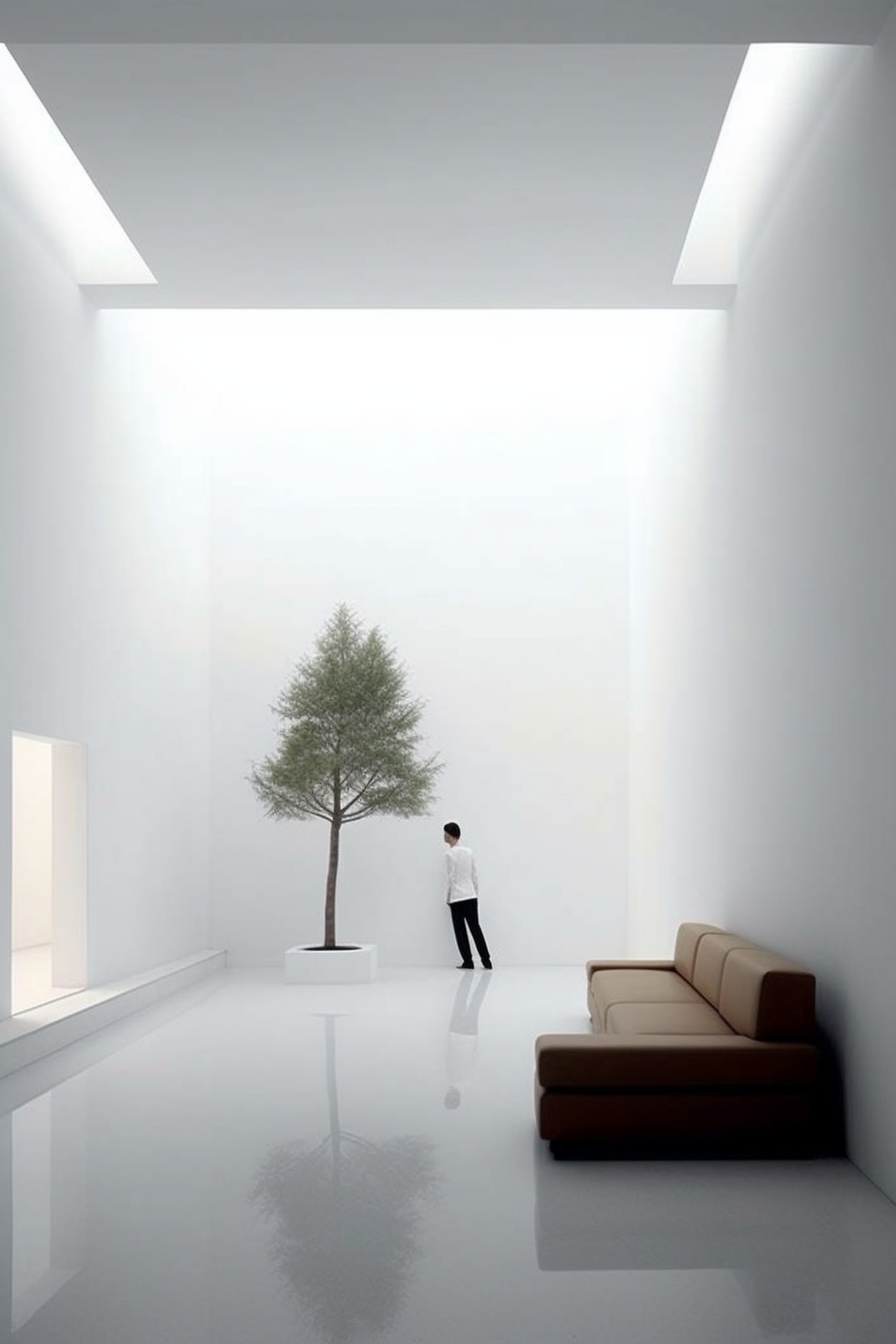
Minimalism, as an artistic movement, has gained significant recognition and influence over the years. Rooted in the belief that less is more, minimalism embraces simplicity, restraint, and reduction of unnecessary elements. It encompasses various forms of expression, including visual arts, design, architecture, and even lifestyle choices. This essay delves into the power of minimalism in art and design, exploring its origins, key principles, notable artists and designers, and the lasting impact it has had on the creative landscape.
Origins and Key Principles
Minimalism emerged in the late 1950s as a response to the complexities of abstract expressionism and the ornate aesthetic that prevailed in the art world. Artists sought to strip away excess and focus on fundamental elements, emphasizing clarity and directness of form. Key principles of minimalism include simplicity, geometric shapes, monochromatic color palettes, repetition, and the use of industrial materials. It aims to convey a sense of purity, objectivity, and universal order.
In minimalist art, artists often employed a reductionist approach, using geometric shapes like squares, rectangles, and circles, and limiting their palette to neutral colors. One of the most influential minimalist artists was Donald Judd. Known for his three-dimensional sculptures made from industrial materials, Judd's works epitomized the minimalist aesthetic with their clean lines and geometric precision. Other notable minimalist artists include Dan Flavin, whose fluorescent light installations created immersive spatial experiences, and Agnes Martin, who created subtle and meditative paintings using minimal lines
Minimalism's influence extends beyond the realm of art and into the world of design. In design, minimalism favors functionality, clarity, and reduction of unnecessary embellishments. It champions clean lines, ample white space, and the use of simple typography. This approach can be seen in iconic designs like the Apple products, with their sleek and minimalist aesthetics. The work of renowned industrial designer Dieter Rams, who championed the philosophy of "less but better," exemplifies minimalist design principles in his functional and minimalist products for Braun.
The Power of Simplicity
Minimalism's power lies in its ability to communicate profound concepts through simplicity. By stripping away excess, minimalism directs attention to the essential elements, allowing viewers to engage with the work on a deeper level. The intentional use of negative space and restrained design elements can create a sense of balance, harmony, and tranquility. Minimalism also invites interpretation and introspection, as viewers are encouraged to find meaning within the simplicity of the artwork or design.
Minimalism in Architecture
Minimalism's influence extends to architecture, where it emphasizes clean lines, open spaces, and the reduction of ornamentation. Architects like Ludwig Mies van der Rohe and Tadao Ando embraced minimalism, designing structures that showcased simplicity and harmony with their surroundings. The Farnsworth House by Mies van der Rohe and the Church of the Light by Tadao Ando exemplify the use of minimalism in architecture, emphasizing the interplay between space, light, and form.
Minimalism as a Lifestyle:
Minimalism has also become a popular lifestyle choice, reflecting a desire to simplify and declutter one's life. Minimalist living emphasizes the removal of excess possessions and focuses on what truly matters. By decluttering physical and mental spaces, individuals can experience increased clarity, reduced stress, and a greater appreciation for the essential aspects of life. Minimalism as a lifestyle also promotes sustainability and mindful consumption, aligning with the growing awareness of environmental concerns.
Impact and Legacy
The impact of minimalism on the art and design world is undeniable. Its influence can be seen in various contemporary art movements and design trends, such as the clean lines and simplicity of Scandinavian design or the minimalist aesthetic in web design. Minimalism's emphasis on simplicity and reduction has fundamentally challenged traditional notions of art and design, offering a fresh perspective and inspiring new approaches to creative expression.
Minimalism's power lies in its ability to convey profound concepts and evoke emotional responses through simplicity and reduction. Whether in art, design, architecture, or lifestyle choices, minimalism's influence is far-reaching. By embracing simplicity, minimalism allows artists and designers to distill their vision and create works that invite contemplation, introspection, and a deeper connection with the audience. As a timeless and enduring aesthetic, minimalism continues to shape and inspire the creative landscape, highlighting the power of simplicity in art and design.