

Painting and Fine Arts
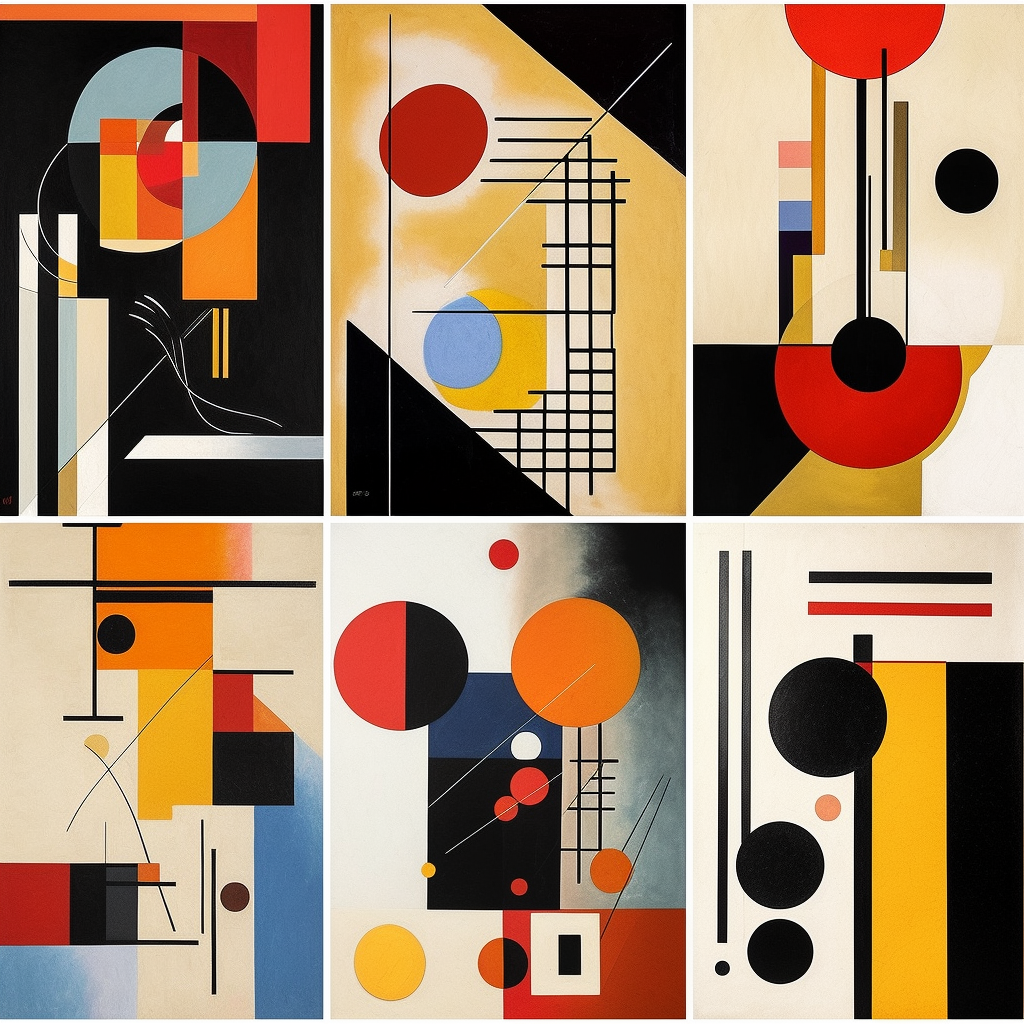
The influence of Bauhaus design on contemporary painting styles and techniques has been significant. Bauhaus principles, with their focus on form, color, and composition, have transformed the way artists approach painting.
One way in which Bauhaus has influenced contemporary painting is through the emphasis on geometric abstraction. Bauhaus artists, such as Wassily Kandinsky and Paul Klee, explored the use of geometric shapes and bold colors to create dynamic compositions. This approach has inspired contemporary painters who employ geometric abstraction as a means of expression, experimenting with the relationship between form and color.
Another aspect of Bauhaus influence on contemporary painting lies in the exploration of materials and techniques. Bauhaus advocated for the integration of fine arts and craftsmanship, leading to experimentation with unconventional materials and innovative painting techniques. Contemporary artists have embraced this spirit of experimentation, using various materials and mixed media to create textured surfaces and layered compositions.
Notable artists who incorporate Bauhaus principles in their work include Bridget Riley, known for her Op Art paintings that create optical illusions through precise patterns and colors. Riley's works echo the Bauhaus emphasis on visual impact and the exploration of perception.
Sculpture and Installation Art
Bauhaus design principles have also had a profound impact on contemporary sculpture and installation art. The Bauhaus approach to three-dimensional forms and materials has influenced artists in creating dynamic and visually engaging artworks.
In sculpture, Bauhaus-inspired principles can be seen in the exploration of abstract and geometric forms. Artists like Barbara Hepworth and Henry Moore, influenced by Bauhaus aesthetics, have created sculptures that embody simplicity, balance, and the integration of space and form.
Installation art, with its emphasis on the immersive experience and interaction with the viewer, has also been influenced by Bauhaus design. Artists like Olafur Eliasson and Anish Kapoor create large-scale installations that engage the senses and explore the relationship between space, light, and perception. These installations echo the Bauhaus concept of integrating art and technology, using innovative materials and technologies to create immersive environments.
Conceptual Art and Bauhaus Philosophy
The connection between Bauhaus philosophy and conceptual art lies in the emphasis on ideas, process, and the questioning of traditional artistic conventions. Bauhaus aimed to break away from the confines of traditional art forms and encouraged experimentation and conceptual thinking.
Conceptual artists, inspired by the Bauhaus approach, explore ideas and concepts as the primary focus of their artworks. They often challenge traditional notions of art and engage with social, political, and cultural issues. The conceptual art movement of the 1960s and 1970s, with artists like Joseph Kosuth and Sol LeWitt, embraced the Bauhaus spirit of questioning and redefining artistic practices.
Contemporary artists continue to incorporate conceptual elements influenced by Bauhaus philosophy in their work. For example, Ai Weiwei, known for his socially and politically engaged art, draws inspiration from the Bauhaus approach of merging art and life and using art as a means of critical commentary.
In conclusion, the influence of Bauhaus design on contemporary art is evident in various artistic practices. From painting and fine arts to sculpture, installation art, and conceptual art, Bauhaus principles have shaped the way artists approach form, materials, ideas, and the overall artistic process. By embracing Bauhaus ideals, contemporary artists continue to push the boundaries of artistic expression and contribute to the lasting legacy of this influential movement.