

Introduction: Why Choose Organic?
In an era where the quality of our food supply is increasingly uncertain, organic gardening has shifted from a hobby to a vital skill for food security. By choosing to grow your own produce, you are taking control of what goes into your body while simultaneously healing the local ecosystem. Gardening in your backyard isn’t just about the harvest; it’s about participating in a cycle of sustainable gardening that benefits the soil, the pollinators, and your family’s health.
The Foundation: Soil Preparation For Gardening
Every successful harvest begins beneath the surface. To increase soil nutrients effectively, you must move away from synthetic chemicals and embrace organic fertilizers. Healthy horticulture starts with understanding that soil is a living organism. When you focus on soil preparation for gardening, you are creating a reservoir of organic soil nutrients that will sustain plants throughout the season.
Using natural fertilizers like compost, aged manure, or kelp meal ensures that you are feeding the microbial life in the earth. This foundation is the most critical step in organic gardening, as it builds a resilient environment that can withstand weather fluctuations and pests.
Maximizing Results In Limited Spaces
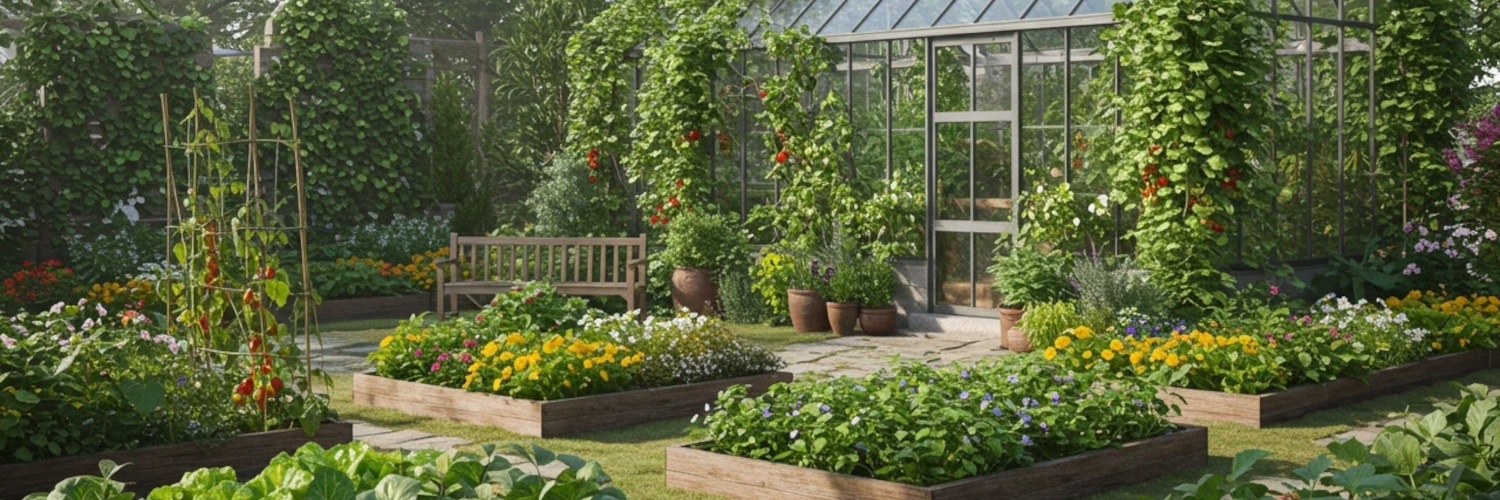
You don't need an acre of land to make a difference. Gardening in a small backyard is incredibly productive if you utilize vertical space and intensive planting methods. A comprehensive backyard gardening guide will often highlight that even a patio can provide significant yields if you prioritize high-value crops. By focusing on organic gardening, you ensure that even in tight quarters, your soil remains vibrant and free of toxic runoff.
Working With Nature: Pollination And Pest Control
One of the most rewarding aspects of backyard gardening is watching the ecosystem balance itself. Plant pollination is essential for fruiting crops like squash, tomatoes, and apples. To encourage bees and butterflies, integrate native flowers alongside your vegetables.
When issues arise, organic pest control methods—such as neem oil, insecticidal soaps, or introducing beneficial insects like ladybugs—allow you to manage "bad bugs" without harming the environment. Learning how to organic garden means learning to observe; often, a pest outbreak is simply a sign that the garden's natural checks and balances are slightly out of alignment.
Conclusion: Cultivating The Future
Whether you are interested in the science of horticulture or simply want the freshest salad possible, the journey of organic gardening is one of constant learning and growth. As you refine your techniques for soil preparation for gardening and master the use of organic fertilizers, you’ll find that your garden becomes more than just a source of food—it becomes a sanctuary.
Organic Gardening Guide
Grow organic food at home. Step-by-step preparation, cultivation, and harvesting guide. Don't leave your food security to chance. Learn how to transform your backyard into a high-yield organic oasis.