

Creativity is the food that feeds the soul. This quality is likely the most underestimated skill, but yet has still had a profound and significant impact on cultures across the world. Without creativity, artwork and design lose their meaning. This essay will take a deep dive on the impact of creativity across cultures, and also include methods to increase your own creativity. Let's begin.
Emotional & Aesthetic Value
Whether creativity is expressed in poetry, literature, artwork, or online, true creatives know exactly how to use their talents to trigger some kind of emotional response in the consumer. The aesthetics of artwork can communicate directly through the eyes to the soul, resulting in a very visceral experience for a viewer. It is a very common experience that some kind of artwork can communicate on a much deeper and personal level than common language. Here resides the true power of artwork. Something in our being craves these deep personal connections that reach out to us from the canvas.
Though it is hard to grasp through common language, we all realize the power that works of creativity possess over us. Whether you want to characterize this as a byproduct of spirituality, or something resulting from evolution, the point remains: art speaks where words are unable to explain.
Art speaks where words are unable to explain
Economic Value
Another byproduct of creativity is economic value. If your piece of work speaks to enough people, the human species recognizes this piece as intrinsically valuable. The economic and moral value of artwork is strictly determined by the amount of people who assign value to this piece of work. Sadly, this results in many great pieces of artwork having never been appreciated by the world since they were not exposed to enough people. However, for those who do market their best work properly, the economic value can by ludicrous.
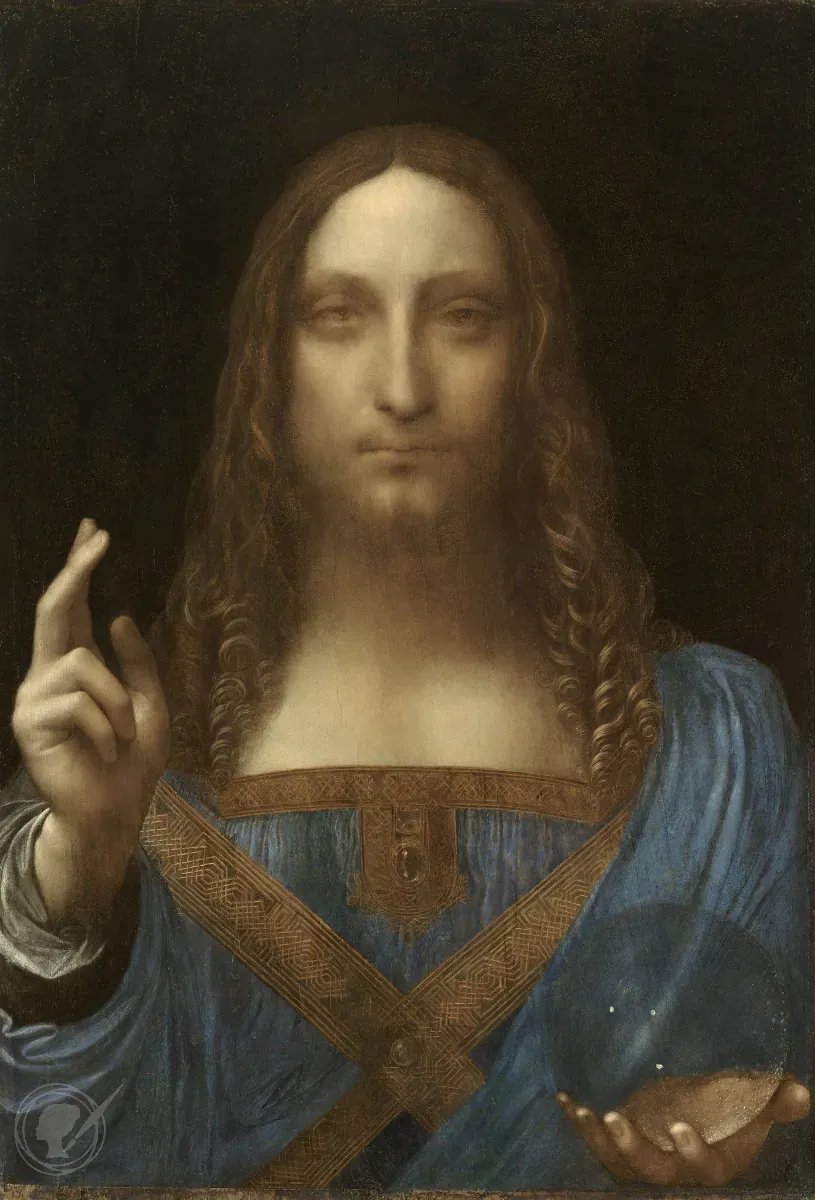
The most money ever made off a painting was in 2017. The painting was called 'Salvator Mundi,'
an original piece by Leonardo da Vinci dated to 1500. It was sold for almost half a billion dollars, $450.3 million exactly.
The most expensive art collection in the world is owned by two businessmen, the Nahmad brothers. Interestingly enough, they are actually quite controversial in the high-value art community, since their only motive for storing this art is to make a profit. Their collection is valued to be around $3 billion. $900 million of this is estimated to be of strictly Picassos.
Cultural Heritage
Think of the cultural impact of the Statue of Liberty. It is seen as a beacon of American democracy, hope, and prosperity. When thinking about the true value of creativity, it comes down to this: what kind of legacy can you leave for a nation or tribe of people?
People underestimate the power of creativity to create legacy, something that can significantly overshadow our short lives
A better example is the Angkor Watt temple. A bastion for ancient human architecture and potential, this temple still stands in Cambodia, and is treasured by their people for the notoriety and fame it provides them. Contrived of grand structures and intricate engravings, the entire world looks at the Cambodian culture in a fresh perspective when they consider this awe-inspiring temple complex.
Creativity has the power to forge a culture's immortal legacy and heritage.
How to Build Creativity:
Since you know grasp a small portion of the significance of the skill of creativity, you might be itching to build this quality in yourself right now. Here are some simple practices and ideas that should boost your creativity easily and quickly.
Divergent Thinking
Alright, let's break down divergent thinking in simple terms. Imagine your mind is like a playground, and divergent thinking is the game where you explore all the different ways you can play. Instead of sticking to one idea or solution, you let your imagination run wild and come up with as many possibilities as you can think of.
Here's how you can practice divergent thinking in four easy steps:
1. Start with a Question or Problem: Think of something you want to brainstorm about, whether it's a creative project, a problem you need to solve, or just a topic you're curious about. For example, let's say you want to come up with ideas for a new story.
2. Generate Lots of Ideas: Now, it's time to let your imagination soar. Write down as many ideas as you can think of, no matter how wild or silly they might seem. Don't worry about whether they're good or bad at this stage, just focus on quantity. For our story example, you could brainstorm different characters, settings, plot twists, and themes.
3. Embrace Weird and Unusual Ideas: This is where divergent thinking really shines. Don't be afraid to think outside the box and explore ideas that might seem strange or unconventional. Sometimes, the most creative solutions come from the most unexpected places. Maybe your story could feature a talking unicorn detective or take place on a planet made entirely of candy.
4. Combine and Refine: Once you have a bunch of ideas to work with, start looking for connections between them. Are there any common themes or elements that you could combine into something new and exciting? Then, take your favorite ideas and refine them, fleshing out the details and polishing them until they shine.
By practicing divergent thinking, you can unlock your creativity and come up with innovative solutions to any problem. So, the next time you're faced with a challenge, don't be afraid to let your imagination run wild and explore all the possibilities.
Some Creative Exercises
Finally, here are some additional exercises you could use to develop your creativity.
- Daily Doodling: Set aside a few minutes each day to doodle without any specific goal or agenda. Let your pen wander freely across the page, exploring shapes, patterns, and lines. This practice helps stimulate your creativity and allows ideas to flow more freely.
- Mind Mapping: Start with a central idea or theme and create a visual map of related concepts, branching out into different directions. Use colors, images, and keywords to represent different ideas and connections. Mind mapping helps organize your thoughts and uncover new perspectives on a topic.
- Creative Writing Prompts: Challenge yourself to write short stories, poems, or journal entries based on random prompts or themes. This exercise encourages you to think outside the box and explore new narrative possibilities. It also helps overcome writer's block by providing a starting point for your creativity.
- Collage Creation: Collect a variety of images, texts, and materials from magazines, newspapers, or the internet. Then, arrange and glue them onto a blank canvas or paper to create a collage that reflects a particular mood, theme, or idea. Collage making sparks creativity by combining different elements to form a cohesive whole while allowing for experimentation and expression.
Conclusion
You know have a good grasp on the importance of creativity in culture and history. You have learned several key ways creativity contributes to our society, and how it adds the color to life that we all yearn for during dreary and dark times. You have further learned several unique exercises you could start incorporating into your routine today. It may take time, but you will see your creative side blossom and inspire you with the joy of living. Thanks for reading this article, and I hope you come back for more! ;)
Comments ()