

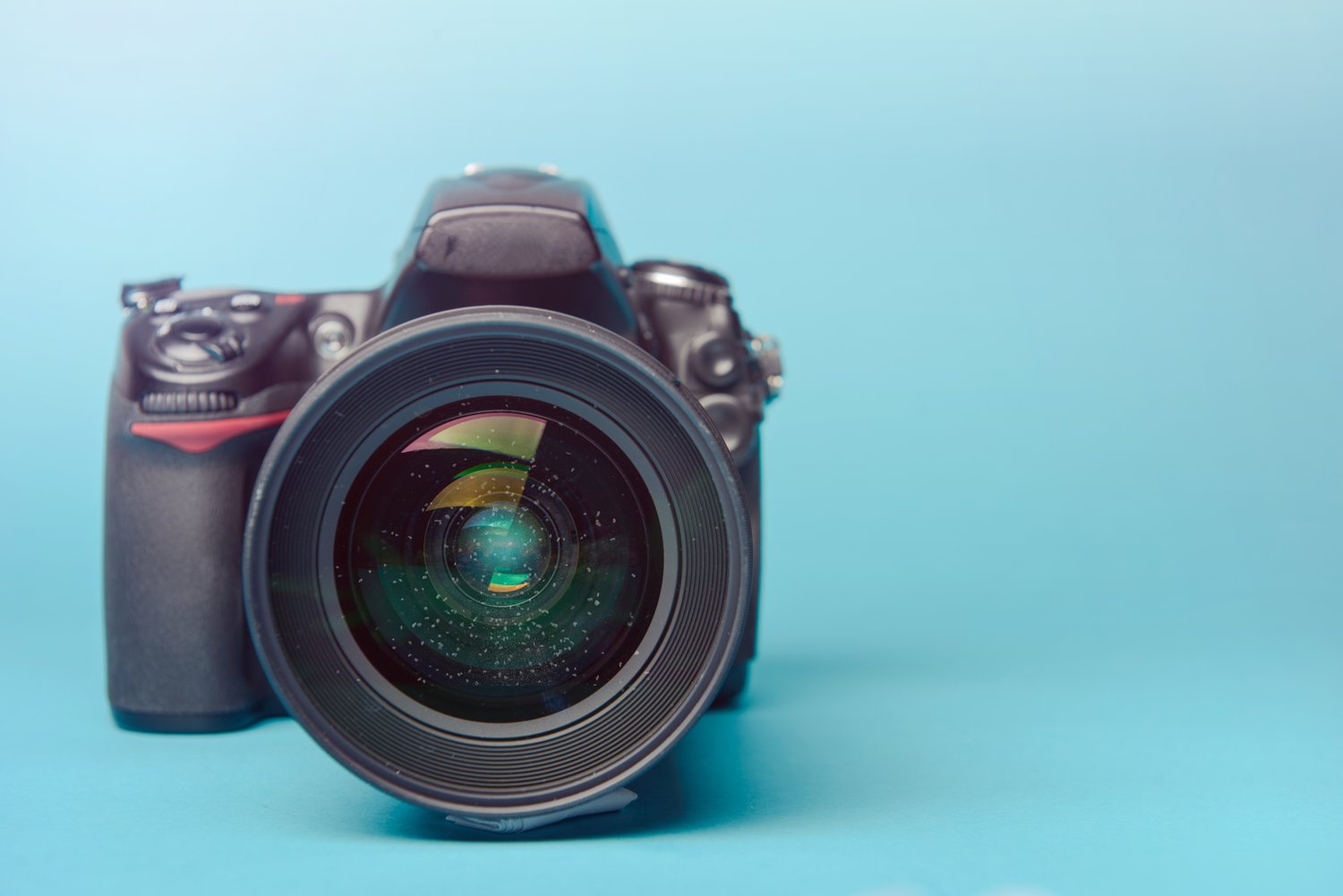
A Professional Buyer's Guide for Beginners and Professionals
If you're new to real estate photography, chances are one question has dominated your research:
"What is the best camera for real estate photography?"
It's a reasonable question—but it's also the wrong place to begin.
Every year, manufacturers release new cameras promising faster autofocus, higher resolution, and revolutionary features. Marketing departments would have you believe that your next camera will instantly improve your photography.
Experience tells a different story.
A skilled photographer using a five-year-old camera will consistently produce stronger real estate photographs than an inexperienced photographer carrying the latest flagship body.
That doesn't mean equipment is unimportant. Quite the opposite.
It means the right camera should support your workflow—not define it.
In this guide, we'll explore the features that genuinely matter, compare today's most popular camera systems, and help you invest wisely without overspending.
Before You Buy Another Camera
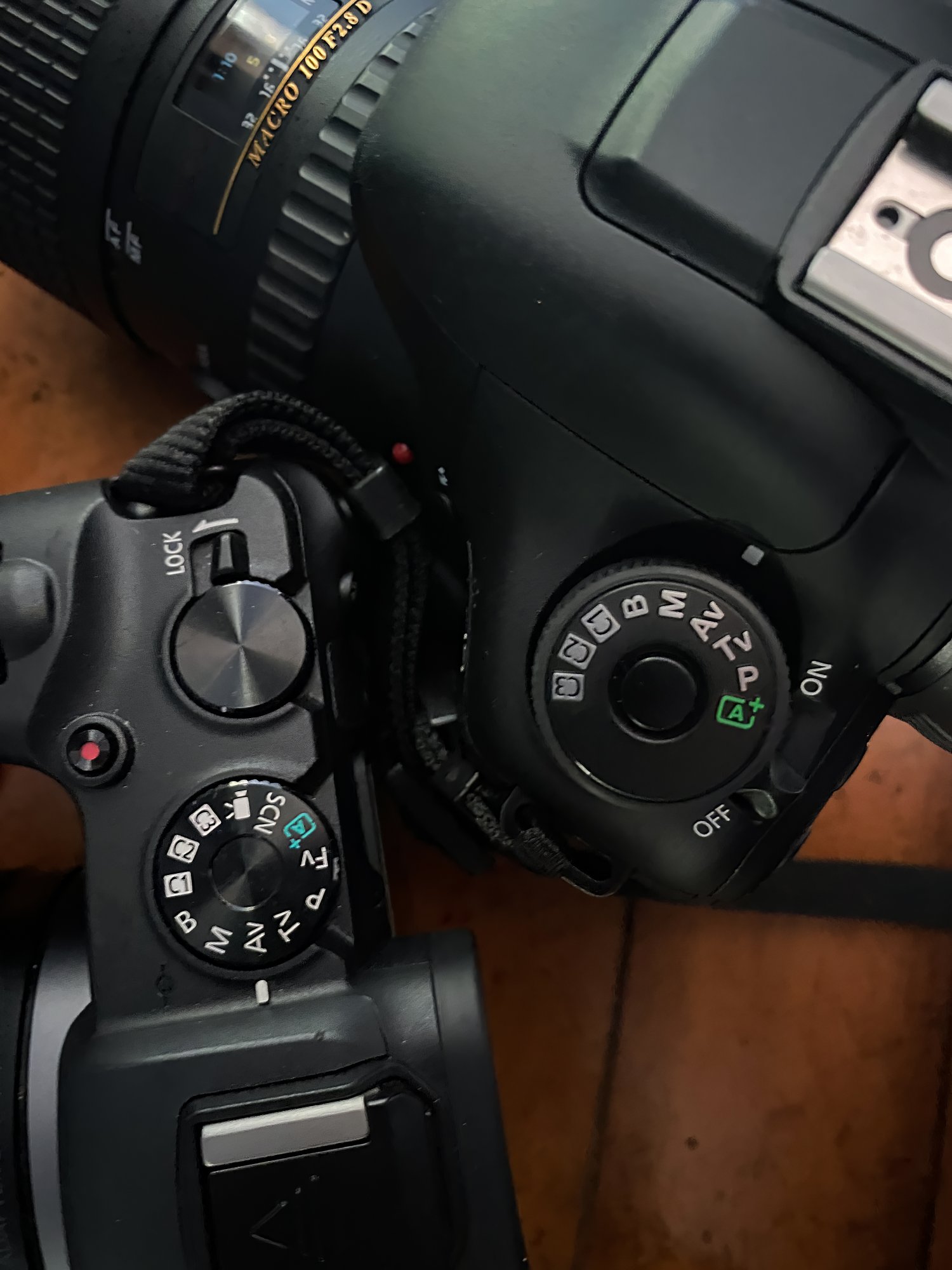
Before discussing specific models, it's important to understand what a real estate photographer actually asks a camera to do.
Unlike sports or wildlife photographers, we rarely need:
- 40 frames per second
- Advanced subject tracking
- Eye-detection autofocus
- Massive telephoto lenses
Instead, our priorities are very different.
A real estate camera should excel at:
- Producing clean RAW files
- Capturing a wide dynamic range
- Delivering accurate colors
- Supporting excellent wide-angle lenses
- Remaining dependable during long shooting days
Most photographs are created from a tripod.
Most exposures are carefully composed.
Most scenes are static.
Because of that, features advertised for action photography often provide little value for architectural work.
What Actually Matters
When comparing cameras, prioritize these characteristics in roughly this order:
1. Dynamic Range
Real estate photography regularly presents scenes containing bright windows and comparatively dark interiors.
A camera with strong dynamic range captures more information in both highlights and shadows, making HDR blending and exposure recovery significantly easier during editing.
This is one of the most valuable characteristics you can purchase.
2. RAW Image Quality
Always photograph homes in RAW.
RAW files preserve significantly more information than JPEGs, giving you greater flexibility when correcting exposure, recovering highlights, adjusting white balance, and blending bracketed images.
Professional workflows begin with RAW.
3. Lens Availability
Your camera body will eventually be replaced.
Your lenses may remain in your bag for ten years.
Choose a camera system with excellent wide-angle lenses and long-term support.
4. Ergonomics
Real estate photography often involves:
- Walking several miles
- Climbing stairs
- Moving tripods repeatedly
- Photographing thirty to sixty compositions
A comfortable camera quickly becomes more valuable than an impressive specification sheet.
5. Battery Life
Mirrorless cameras have improved dramatically, but battery life still varies considerably.
Always carry spare batteries regardless of camera choice.
Professional Tip
Spend more money on lenses than camera bodies.
Excellent lenses remain valuable for years. Camera bodies continue evolving every few seasons.
Full-Frame vs. APS-C
This debate has existed for decades.
The reality is refreshingly simple.
Full-Frame Advantages
- Better dynamic range
- Cleaner high ISO performance
- Wider native field of view
- Greater lens selection
- Improved highlight recovery
Full-Frame Disadvantages
- Higher cost
- Larger lenses
- Greater weight
APS-C Advantages
- Lower cost
- Compact size
- Outstanding image quality
- Excellent value for beginners
APS-C Disadvantages
- Slightly reduced dynamic range
- Crop factor limits maximum field of view
Which Should You Buy?
If budget allows, a full-frame camera offers meaningful advantages for professional real estate photography.
If budget is limited, don't hesitate to purchase an APS-C camera and invest the savings in:
- Better lenses
- A quality tripod
- Lighting equipment
- Editing software
- Professional education
Those investments often produce larger improvements than upgrading the sensor.
DSLR or Mirrorless?
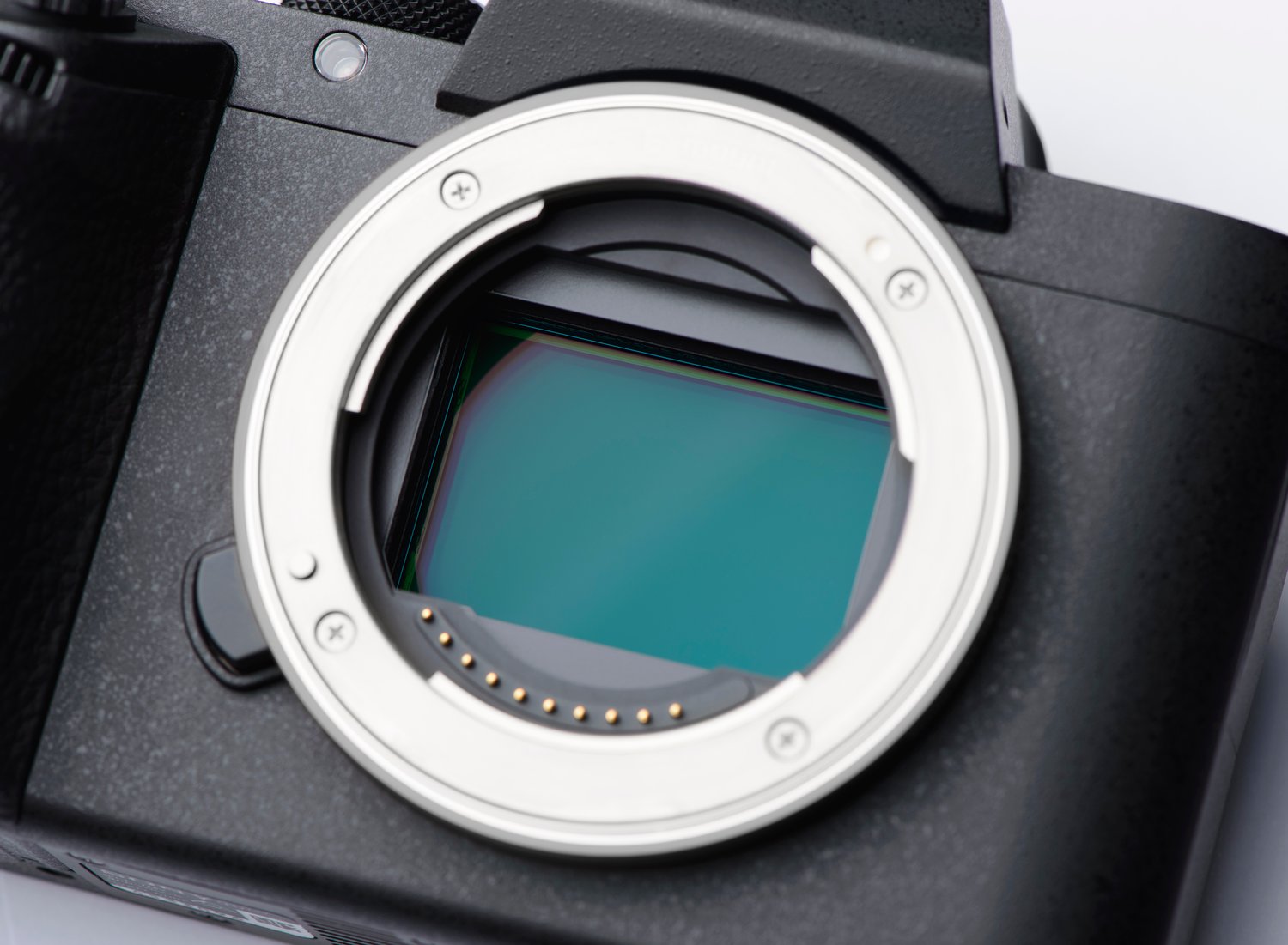
Mirrorless cameras now dominate the industry.
Their advantages include:
- Electronic viewfinders
- Live exposure preview
- Smaller size
- Better autofocus
- Silent shutters
However, DSLRs remain perfectly capable.
If you already own a quality DSLR, there's little reason to replace it solely because mirrorless has become fashionable.
Invest in education before replacing working equipment.
Recommended Camera Types
Rather than recommending a single camera, consider these categories.
Best Beginner Camera
Look for:
- 24–32 megapixels
- APS-C sensor
- RAW capability
- Flip screen
- Interchangeable lenses
This combination provides tremendous value while leaving room to grow.
Best Intermediate Camera
A modern full-frame mirrorless body offers:
- Excellent dynamic range
- Improved low-light performance
- Superior lens selection
- Long-term upgrade potential
This is where many professionals settle.
Best Professional Camera
Professional photographers generally value:
- Reliability
- Ergonomics
- Dynamic range
- Weather sealing
- Dual memory card slots
- Lens ecosystem
Notice that megapixels are still not at the top of the list.
Do You Need 45 Megapixels?
Probably not.
Higher resolution creates:
- Larger files
- More storage requirements
- Slower editing
- Longer exports
Most MLS systems display images around 2–4 megapixels.
Even luxury brochures rarely require enormous files.
Twenty-four to thirty-two megapixels remain an excellent balance.
Don't Overspend Early
Many photographers purchase expensive cameras before understanding lighting or composition.
Six months later, they discover their photographs haven't improved.
That's because cameras don't compose images.
Photographers do.
Your first investment should be knowledge.
Common Mistake
Buying the newest flagship camera while continuing to use the inexpensive kit lens.
Image quality is usually limited by the lens—not the camera body.
Our Philosophy
The best camera is the one that:
- Produces excellent RAW files
- Accepts quality wide-angle lenses
- Fits comfortably within your budget
- Allows you to photograph consistently
Professional photography is built on repeatable systems—not expensive purchases.
Frequently Asked Questions
Is a full-frame camera necessary?
No.
Many successful real estate photographers built thriving businesses using APS-C cameras.
Should I shoot JPEG or RAW?
Always RAW.
RAW files preserve significantly more editing flexibility and are the standard for professional workflows.
How many megapixels do I need?
Twenty-four to thirty-two megapixels are sufficient for nearly every real estate assignment.
Do I need image stabilization?
It's helpful, but because most architectural photography is captured from a tripod, stabilization is less important than dynamic range and lens quality.
Should beginners buy used equipment?
Absolutely.
Well-maintained used cameras often provide outstanding value and allow you to allocate more of your budget toward lenses and education.
Continue Learning
Your camera is only one piece of the workflow.
Learning how to compose, expose, light, and edit a property has a far greater impact on your final images than purchasing the newest camera body.
Complete Course
https://payhip.com/RealEstatePhotographyTraining
Follow along for behind-the-scenes shoots, editing breakdowns, equipment recommendations, and weekly photography tips.
Comments ()