

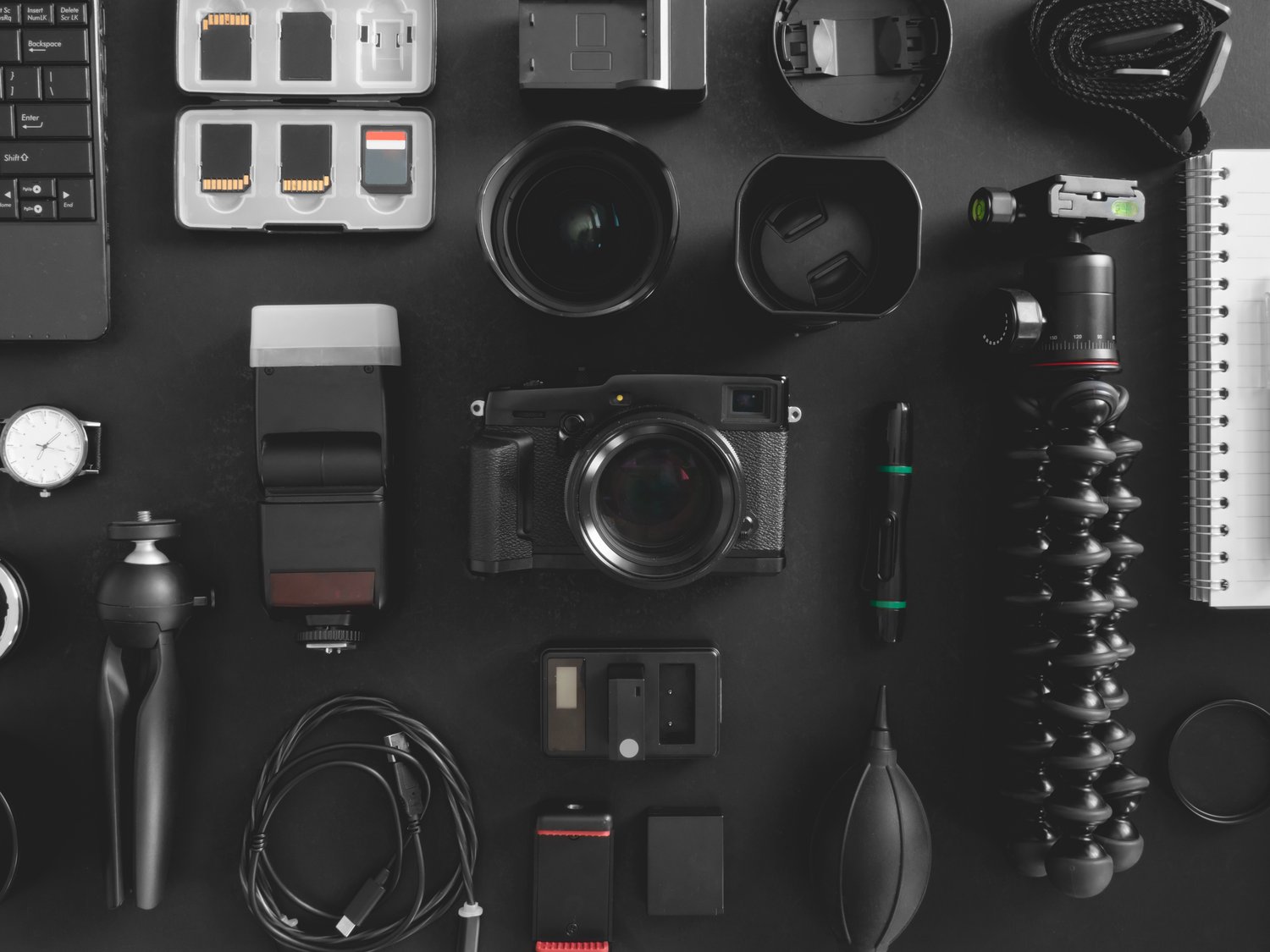
One of the first questions aspiring real estate photographers ask is:
"What's the best camera for real estate photography?"
The answer often surprises people.
While good equipment certainly matters, your camera is only one piece of a much larger system. In fact, an experienced photographer using a modest camera will consistently outperform a beginner carrying the latest flagship body.
Professional real estate photography depends far more on technique, lighting, composition, and editing than on owning the newest gear.
That should be encouraging.
You don't need to spend $10,000 to begin producing outstanding work.
Instead, invest in equipment that allows you to work consistently and efficiently.
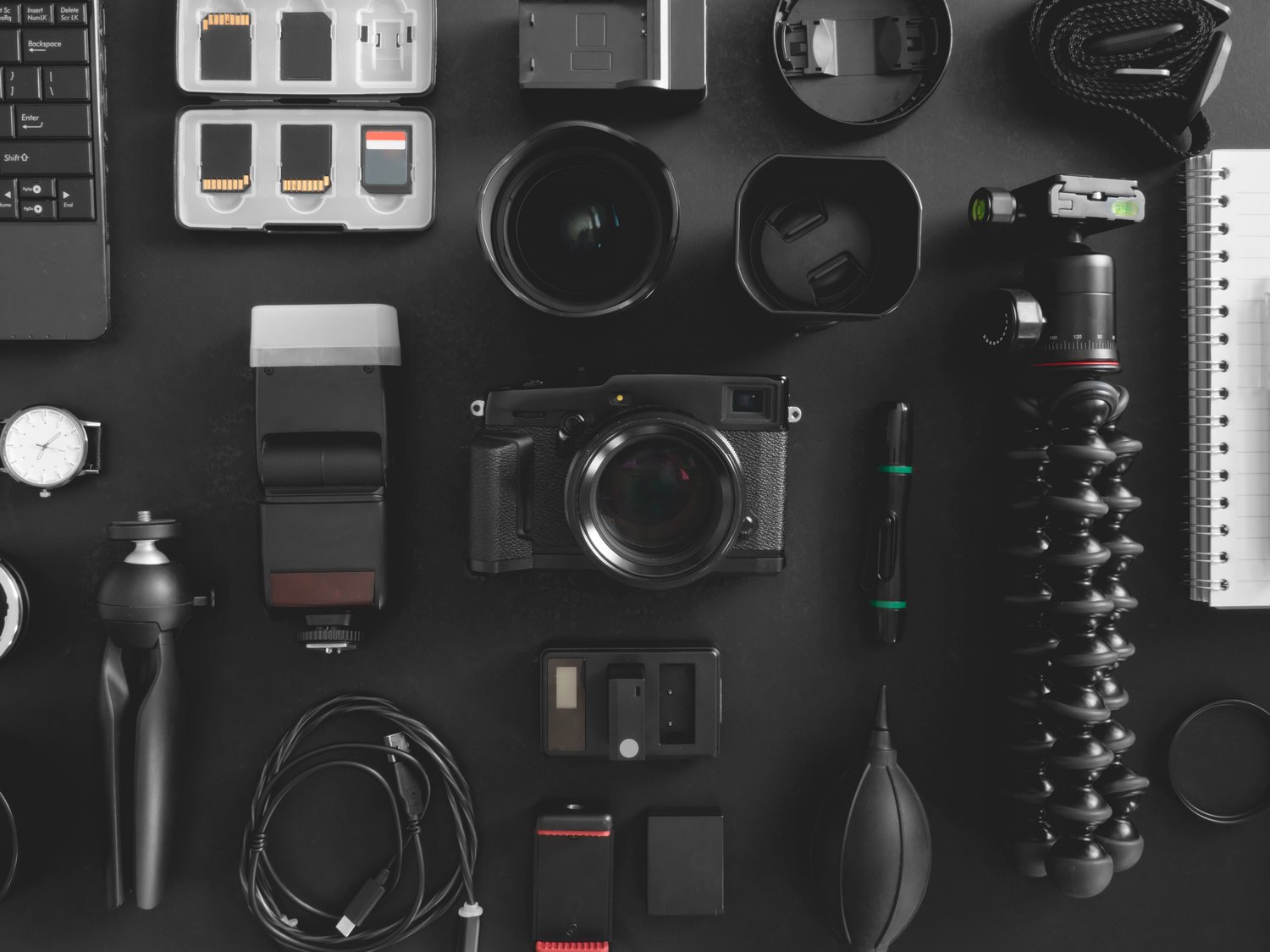
Your Camera
The camera body receives most of the attention, but it's rarely the deciding factor in image quality.
Modern cameras—even models that are several years old—are remarkably capable.
When evaluating a camera for real estate photography, prioritize these characteristics:
- RAW image capability
- High dynamic range
- Reliable autofocus
- Good battery life
- Comfortable ergonomics
- A high-resolution sensor
- A flip-out screen (extremely helpful when shooting low angles)
- Compatibility with quality wide-angle lenses
Notice what's missing from that list.
Megapixels.
While higher resolution offers additional flexibility, nearly every modern interchangeable-lens camera produces more than enough resolution for MLS listings, brochures, websites, and large prints.
A 24–32 megapixel camera is sufficient for nearly every professional assignment.
Full-Frame vs. APS-C
This is one of the most debated topics in photography.
The truth is more nuanced than many reviewers suggest.
Full-Frame Cameras
Advantages:
- Better dynamic range
- Improved low-light performance
- Wider native field of view
- Greater lens selection
Disadvantages:
- Higher cost
- Larger lenses
- Increased weight
APS-C Cameras
Advantages:
- More affordable
- Smaller and lighter
- Excellent image quality
- Outstanding value
Disadvantages:
- Slightly reduced dynamic range
- Narrower effective field of view
Our Recommendation
Don't let sensor size keep you from getting started.
Many excellent real estate portfolios have been built using APS-C cameras.
What matters far more is understanding exposure, composition, and editing.
Professional Insight
Clients don't ask what sensor size you used.
They notice whether the photographs look clean, bright, and professional.
Lens Selection
If there's one piece of equipment worth investing in, it's your lens.
A great lens can remain in your camera bag for a decade or more, while camera bodies continue to evolve.
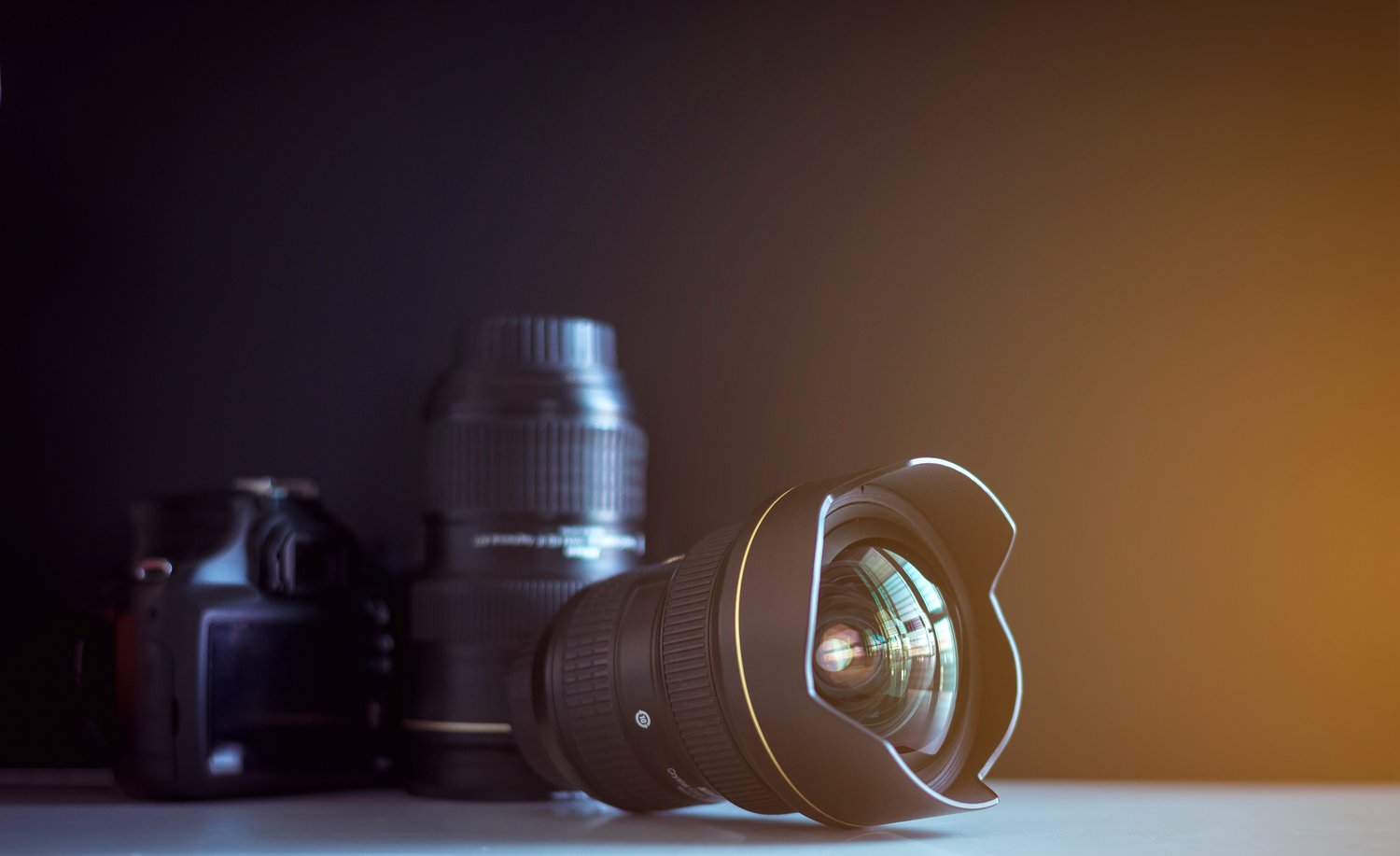
For real estate photography, you'll spend most of your time using a wide-angle lens.
Its purpose isn't to exaggerate a room's size.
Its purpose is to capture the space naturally while showing enough of the architecture to communicate its layout.
Avoid the Fisheye Trap
One of the most common beginner mistakes is choosing an extremely wide fisheye lens.
Although these lenses capture an enormous field of view, they also introduce significant distortion.
Straight walls bend.
Cabinets curve.
Door frames stretch.
The room begins to feel artificial.
Professional real estate photography values accuracy over exaggeration.
A buyer should never feel misled after walking through the front door.
Recommended Focal Lengths
Although every property is different, these ranges work exceptionally well:
SensorRecommended RangeAPS-C10–18mmFull Frame16–24mm
These focal lengths provide a natural perspective while capturing enough of the room to communicate its size and flow.
Tripods: The Unsung Hero
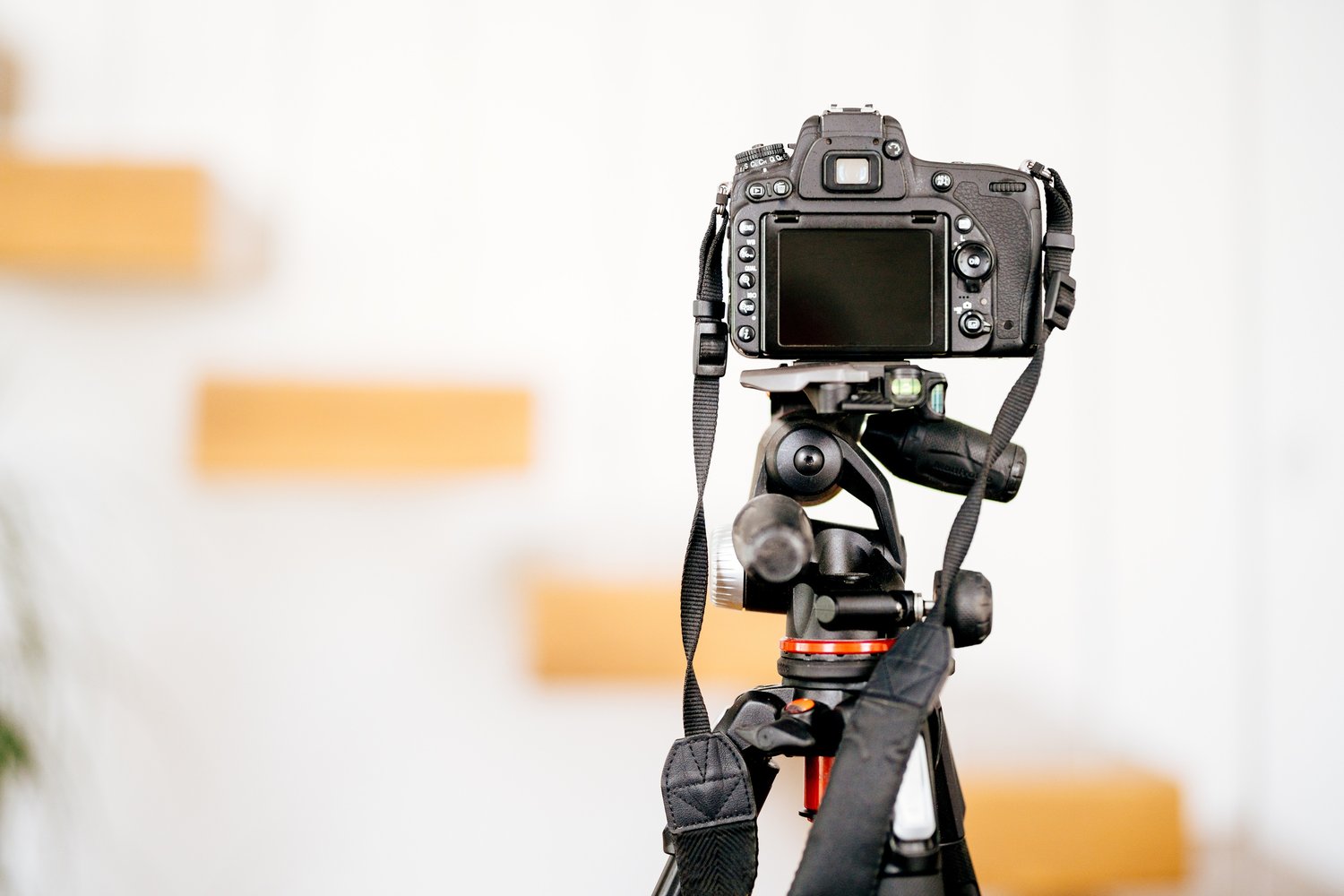
If there is one tool that quietly improves every photograph you take, it's a quality tripod.
Many beginners try to save money here.
Professionals rarely do.
A stable tripod allows you to:
- Shoot slower shutter speeds without blur.
- Capture HDR brackets.
- Maintain perfect composition.
- Blend multiple exposures accurately.
- Work efficiently throughout the property.
Choose stability over compactness whenever possible.
You'll thank yourself every time you edit.
Remote Shutter Releases
Touching your camera introduces vibration.
While modern image stabilization helps, it's still good practice to avoid moving the camera between exposures.
A Bluetooth remote shutter—or your camera's smartphone app—allows you to capture images without disturbing the composition.
They're inexpensive.
They're reliable.
And once you begin using one, you'll wonder how you ever worked without it.
Lighting Equipment
Natural light is beautiful.
But it isn't always enough.
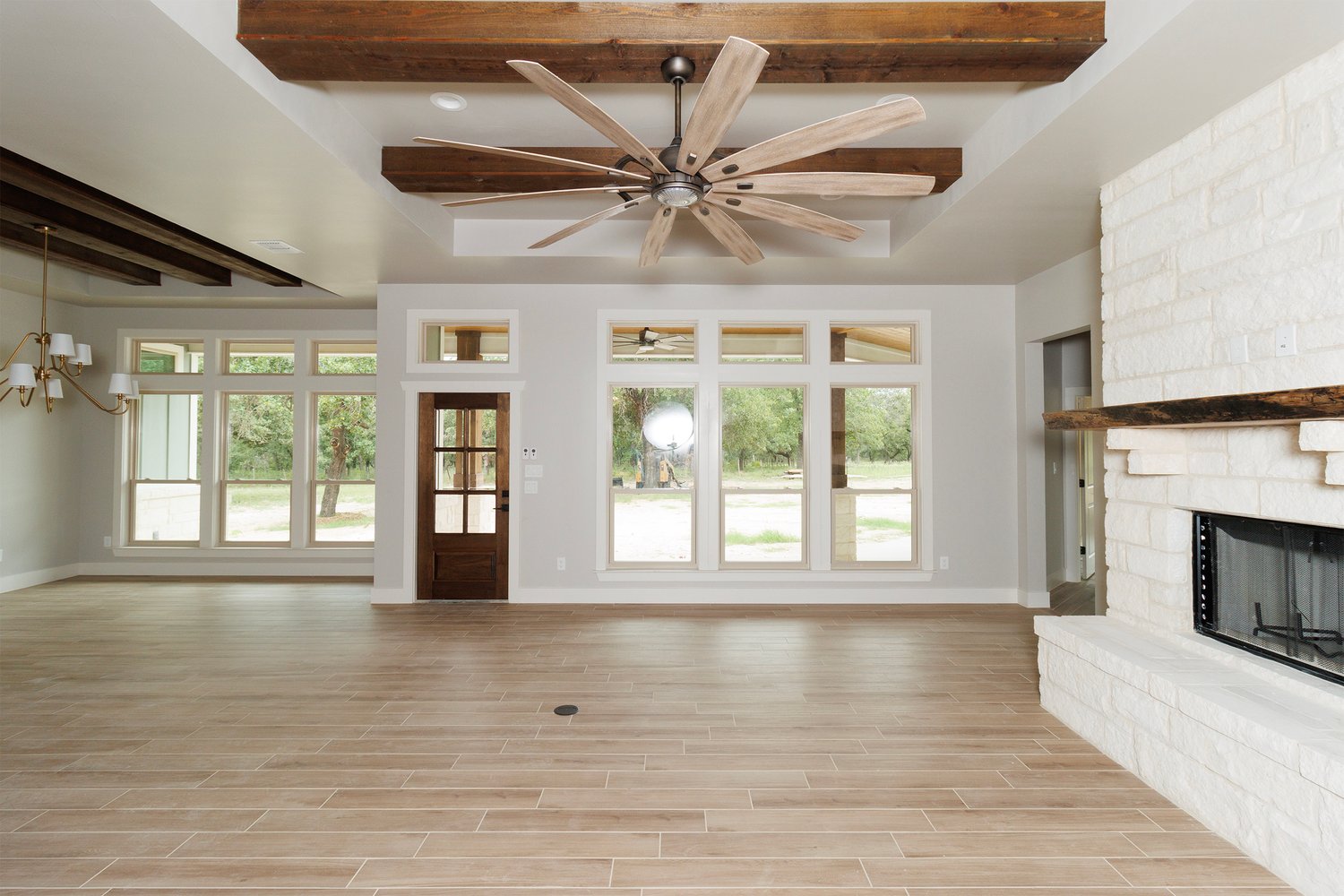
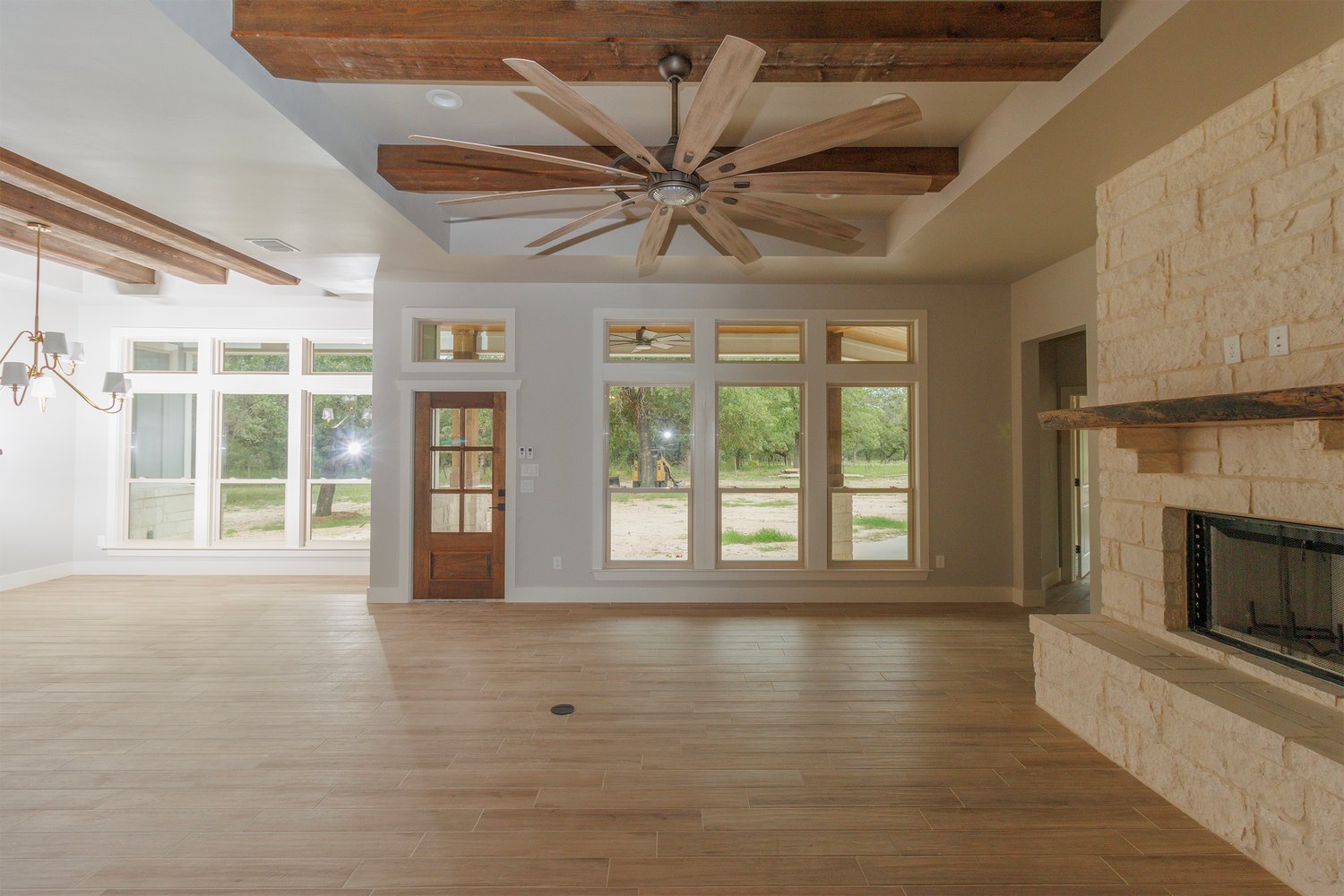
Interior photography often requires additional light to reduce deep shadows, balance window exposure, and preserve accurate color.
Fortunately, professional lighting doesn't need to be complicated.
Our preferred setup is remarkably simple:
- Two manual speedlights
- One collapsible reflector
- Rechargeable batteries
That's it.
This combination offers tremendous flexibility while remaining affordable.
Why Two Flashes?
Using two flashes allows you to illuminate larger rooms more evenly.
One flash remains on the camera.
The second can be positioned elsewhere in the room and triggered wirelessly.
This creates softer, more natural illumination than relying on a single light source.
Memory Cards
Memory cards are inexpensive compared to the cost of losing an entire photo shoot.
Purchase cards from reputable manufacturers.
Avoid unknown brands.
Rather than using one enormous card, many professionals prefer carrying several medium-capacity cards.
If one card fails, the entire day's work isn't lost.
Batteries
Nothing ends a productive shoot faster than dead batteries.
Always carry:
- Multiple camera batteries
- Plenty of rechargeable AA batteries
- A charger in your vehicle
You'll rarely regret bringing too many batteries.
You'll certainly regret bringing too few.
Editing Software
Capturing the photograph is only half the process.
Professional editing transforms carefully captured exposures into polished final images.
While many editing programs exist today, our preferred workflow centers around:
- Adobe Camera Raw
- Adobe Photoshop
This combination provides exceptional control over:
- HDR blending
- Window pulls
- Perspective correction
- Sky replacement
- Color grading
- Final sharpening
The goal isn't dramatic editing.
It's creating images that feel clean, balanced, and true to the property.
Professional Tip
Learn one editing workflow thoroughly before chasing new software. Consistency will improve your work far more than constantly switching tools.
Building Your First Kit on a Budget
If you're just beginning, resist the urge to purchase everything at once.
Start with the essentials:
✅ Camera
✅ Wide-angle lens
✅ Sturdy tripod
✅ Remote shutter
✅ Two speedlights
✅ Reflector
✅ Adobe Photoshop
Everything else can come later.
Experience will quickly reveal which upgrades genuinely improve your workflow.
Continue Learning
Photography equipment is only the foundation. The real difference comes from understanding how to use it effectively in the field.
If you'd like to see the complete workflow—from choosing equipment to photographing homes and editing professional-quality images—explore the full course below.
📘 Complete Course
https://payhip.com/RealEstatePhotographyTraining
Follow along with behind-the-scenes shoots, editing examples, and new photography content:
https://instagram.com/malachikg_rephoto
Coming Up Next
In the next section, we'll leave the camera bag behind and head to the job site.
You'll learn how professionals prepare a property before the first photograph is taken, choose the best time of day to shoot, compose exterior images that flatter the architecture, and capture HDR exposures that provide the foundation for stunning final edits.
Comments ()