

Introduction
Commercial real estate photography can look like a larger version of residential photography from the outside.
There is a building.
The client needs photographs.
You bring a camera, tripod, wide-angle lens, and drone.
The similarity ends quickly once the assignment begins.
Commercial properties are marketed for different reasons, evaluated by different people, and frequently used by several parties long after the original photography appointment.
An office building may be marketed to tenants while simultaneously appearing in an investor presentation. A warehouse may need photographs showing clear height, loading access, parking, yard space, and surrounding transportation infrastructure. A multifamily property may need exterior architecture, renovated units, amenities, common areas, and neighborhood context. A retail center may need tenant visibility, signage, parking, traffic access, storefronts, and aerial photographs showing the surrounding commercial corridor.
The photographer therefore needs to understand more than which rooms look attractive.
You need to know what the property is, who will evaluate it, which physical features influence that decision, and where the final media will be used.
Commercial assignments also tend to involve more people.
The person booking you may be a broker, marketing coordinator, building owner, developer, property manager, architect, asset manager, or agency. The person meeting you at the property may be someone else entirely.
That makes preparation, communication, licensing, and delivery just as important as the photography itself.
This chapter covers the full commercial real estate photography workflow, from the first client conversation through capture, aerial coverage, editing, delivery, licensing, pricing, and recurring opportunities.
Table of Contents
- Understand the Purpose of the Assignment
- Learn the Main Commercial Property Categories
- Identify the Real Client and Final Audience
- Ask for the Marketing Materials Before the Shoot
- Build a Commercial Shot List
- Coordinate Access Carefully
- Plan Around Business Operations
- Photograph the Exterior First
- Show Site Access and Parking
- Photograph Office Properties
- Photograph Retail Properties
- Photograph Industrial and Warehouse Properties
- Photograph Multifamily Properties
- Photograph Hospitality Properties
- Photograph Land and Development Sites
- Photograph Vacant Commercial Interiors
- Photograph Occupied Commercial Interiors
- Show Scale Without Distorting the Property
- Use Detail Images Where They Add Commercial Value
- Add Drone Photography Strategically
- Show Location and Transportation Context
- Create Useful Aerial Graphics Carefully
- Use Twilight Selectively
- Add Commercial Video
- Capture Vertical Media for Marketing Teams
- Photograph Multiple Suites Efficiently
- Work With Floor Plans and Property Documents
- Deliver Media for Commercial Listing Platforms
- Organize Large Commercial Deliveries
- Handle Commercial Editing Carefully
- Plan Around Signage, Trademarks, and People
- Understand Commercial Licensing
- Prepare for Multiple Stakeholders
- Price Commercial Real Estate Photography
- Handle Travel and Large-Site Assignments
- Create Recurring Commercial Work
- Common Commercial Photography Mistakes
- Frequently Asked Questions
Understand the Purpose of the Assignment
Before thinking about equipment, ask why the property is being photographed.
Commercial assignments commonly support:
- Property sale
- Space for lease
- Investment offering memorandum
- Brokerage website
- Commercial listing platform
- Property owner marketing
- Developer marketing
- Investor relations
- Leasing campaign
- Property-management portfolio
- Architectural portfolio
- Construction completion
- Public relations
- Social media
- Advertising
Those uses influence what you need to photograph.
A broker leasing 4,000 square feet of office space needs something different from an investor selling an entire office building.
The leasing assignment may focus heavily on:
- Available suite
- Lobby
- Conference rooms
- Kitchen
- Restrooms
- Building amenities
- Parking
- Exterior
- Nearby restaurants or services
The investment sale may require:
- Full building exterior
- Site layout
- Major tenants
- Parking
- Street visibility
- Aerial context
- Building access
- Representative interiors
- Mechanical or infrastructure areas when requested
- Surrounding development
The camera may be the same.
The story is different.
Professional Tip
Ask one question before every commercial assignment: What does someone need to understand from these photographs before they decide to call the broker, tour the property, or review the deal?
Build the coverage around that answer.
Learn the Main Commercial Property Categories
Commercial real estate includes a wide range of property types.
Current commercial listing platforms such as Crexi organize listings across categories including office, retail, industrial, multifamily, hospitality, mixed-use, land, and special-purpose properties.
Each category deserves a slightly different photography approach.
Office
Examples include:
- Downtown office towers
- Suburban office buildings
- Medical offices
- Professional suites
- Coworking spaces
- Corporate campuses
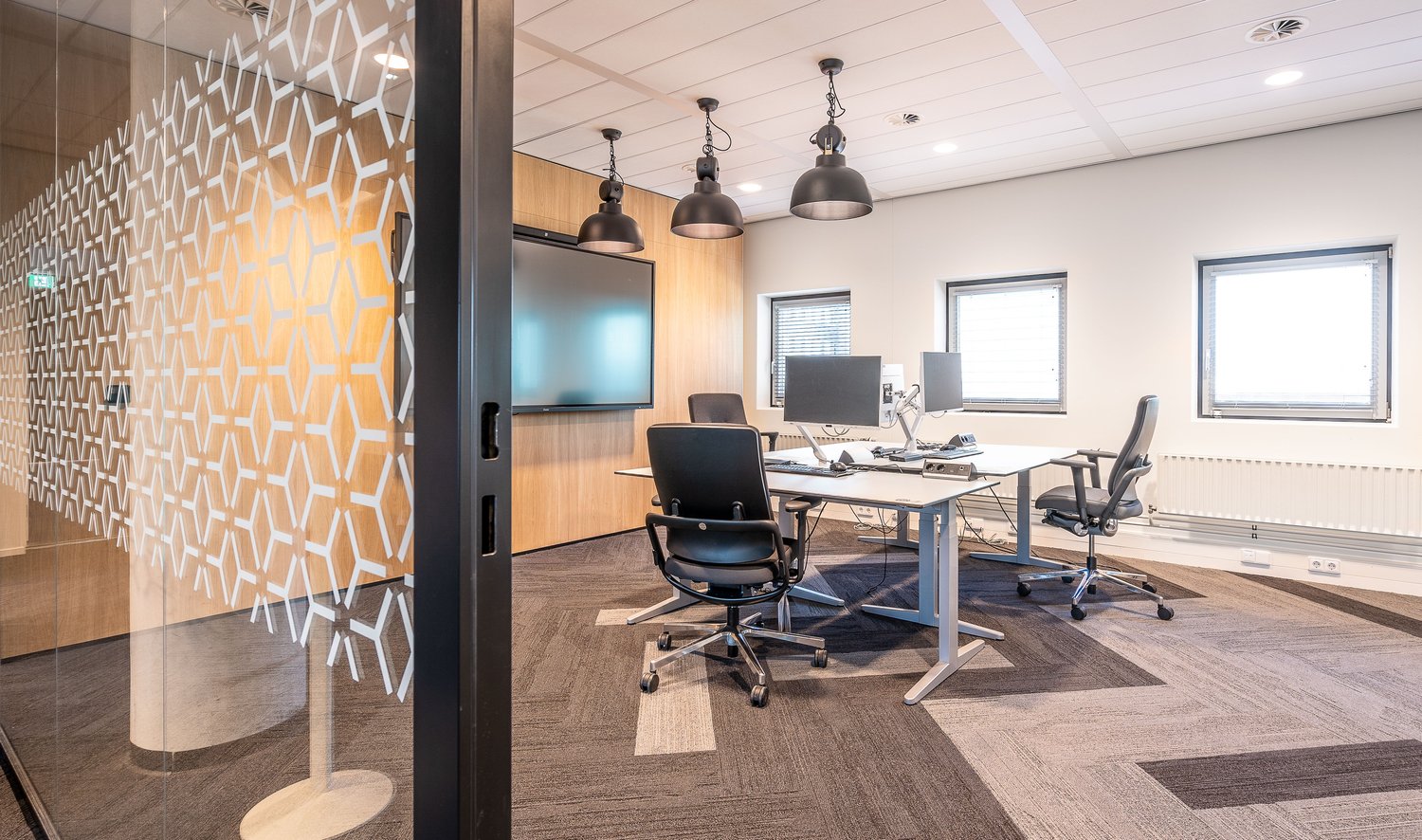
The photography usually needs to communicate workspace quality, natural light, layout, common areas, amenities, parking, and the overall professional environment.
Retail
Examples include:
- Shopping centers
- Standalone retail
- Restaurants
- Storefronts
- Neighborhood centers
- Big-box buildings
Retail photography often depends heavily on visibility, parking, access, surrounding businesses, storefront presentation, and location.
Industrial
Examples include:
- Warehouses
- Distribution centers
- Manufacturing buildings
- Flex space
- Cold storage
- Truck terminals
The important features may include building size, clear height, loading doors, truck courts, yard space, warehouse depth, office component, power, parking, and transportation access.
Multifamily
Examples include:
- Apartment communities
- Student housing
- Senior housing
- Mixed-use residential developments
Coverage frequently combines commercial property photography with residential interior photography.
Hospitality
Hotels, resorts, and extended-stay properties can require architectural, interior, amenity, food-and-beverage, exterior, and lifestyle media.
Land and Development
Vacant commercial land requires a strong understanding of site boundaries, access, roads, surrounding development, topography, and location.
Identify the Real Client and Final Audience
Commercial assignments frequently involve several people.
You may receive the original email from a broker while the invoice goes to a brokerage office, the property manager provides access, and the owner approves the final images.
Clarify this before production.
Ask:
- Who is hiring me?
- Who approves the project?
- Who will receive the files?
- Who may use the files?
- Who provides access?
- Who identifies the property's priorities?
- Who approves additional services?
This becomes especially important when several organizations are involved.
For example:
Property Owner
Owns the building.
Brokerage
Markets the property.
Property Manager
Controls access.
Marketing Agency
Creates the brochure.
Architect
Requests finished-project photographs.
Those organizations do not automatically have identical photography rights.
The relationship should be clear before files begin moving between them.
Ask for the Marketing Materials Before the Shoot
One of the easiest ways to improve a commercial assignment is to review whatever marketing information already exists.
Ask for:
- Offering memorandum
- Property flyer
- Broker package
- Floor plan
- Site plan
- Leasing brochure
- Property website
- Previous listing
- Tenant roster when relevant
- Property highlights
- Development plans
These materials tell you what the broker already believes matters.
Suppose the flyer emphasizes:
- Highway visibility
- Monument signage
- 14-foot clear height
- Four loading doors
- Large fenced yard
Those features need photographs.
Without the marketing material, you might spend most of the assignment photographing a renovated office that occupies only a small portion of the property.
The brochure gives you context before you arrive.
Professional Tip
Highlight the property's major selling points on your phone before the appointment. Check them off during the shoot so the strongest commercial features do not get lost in general coverage.
Build a Commercial Shot List
Commercial properties can be too large to rely entirely on memory.
Create a shot list before the assignment.
A typical list may contain four groups.
Property Overview
- Main exterior
- Secondary elevations
- Entrance
- Parking
- Signage
- Site access
- Aerial overview
Interior
- Lobby
- Main workspace
- Conference areas
- Available suites
- Restrooms when useful
- Kitchen or break room
- Warehouse
- Specialty areas
Commercial Features
- Loading doors
- Truck court
- Dock positions
- Drive-through
- Patio
- Monument sign
- Elevators
- Fitness center
- Tenant lounge
- Pool
- Package room
- Covered parking
Location
- Road frontage
- Nearby intersection
- Adjacent development
- Major commercial corridor
- Transit access
- Neighborhood context
The client may have additional priorities.
Add them before the appointment.
Coordinate Access Carefully
Commercial properties often have more complicated access than residential homes.
You may need:
- Building key
- Electronic badge
- Security escort
- Property manager
- Tenant permission
- Loading-dock access
- Elevator control
- Roof access
- Gate code
- Construction-site approval
Confirm all access before driving to the property.
An empty office building can still contain locked suites.
A warehouse can have secure production areas.
A multifamily property may require separate keys for:
- Clubhouse
- Model unit
- Pool
- Fitness center
- Apartment
- Package room
- Roof terrace
Do not assume the person who scheduled the photography has already coordinated every area.
Plan Around Business Operations
Commercial buildings may remain fully operational during photography.
That changes the schedule.
A retail center looks different at 7:00 a.m. than it does at 2:00 p.m.
A restaurant may need to be photographed before opening.
An office lobby may become crowded during morning arrival.
A warehouse may have forklifts and trucks moving continuously.
A hotel lobby can change dramatically during check-in.
Ask when the property is easiest to photograph.
Sometimes Activity Helps
An empty office can look sterile.
A busy shopping center can demonstrate customer activity.
A restaurant patio may feel better with tables prepared.
Sometimes Activity Hurts
Vehicles may block the storefront.
Employees may fill every workstation.
Delivery trucks may cover loading doors.
Guests may create privacy concerns.
There is no universal ideal.
Choose timing based on the marketing purpose.
Photograph the Exterior First
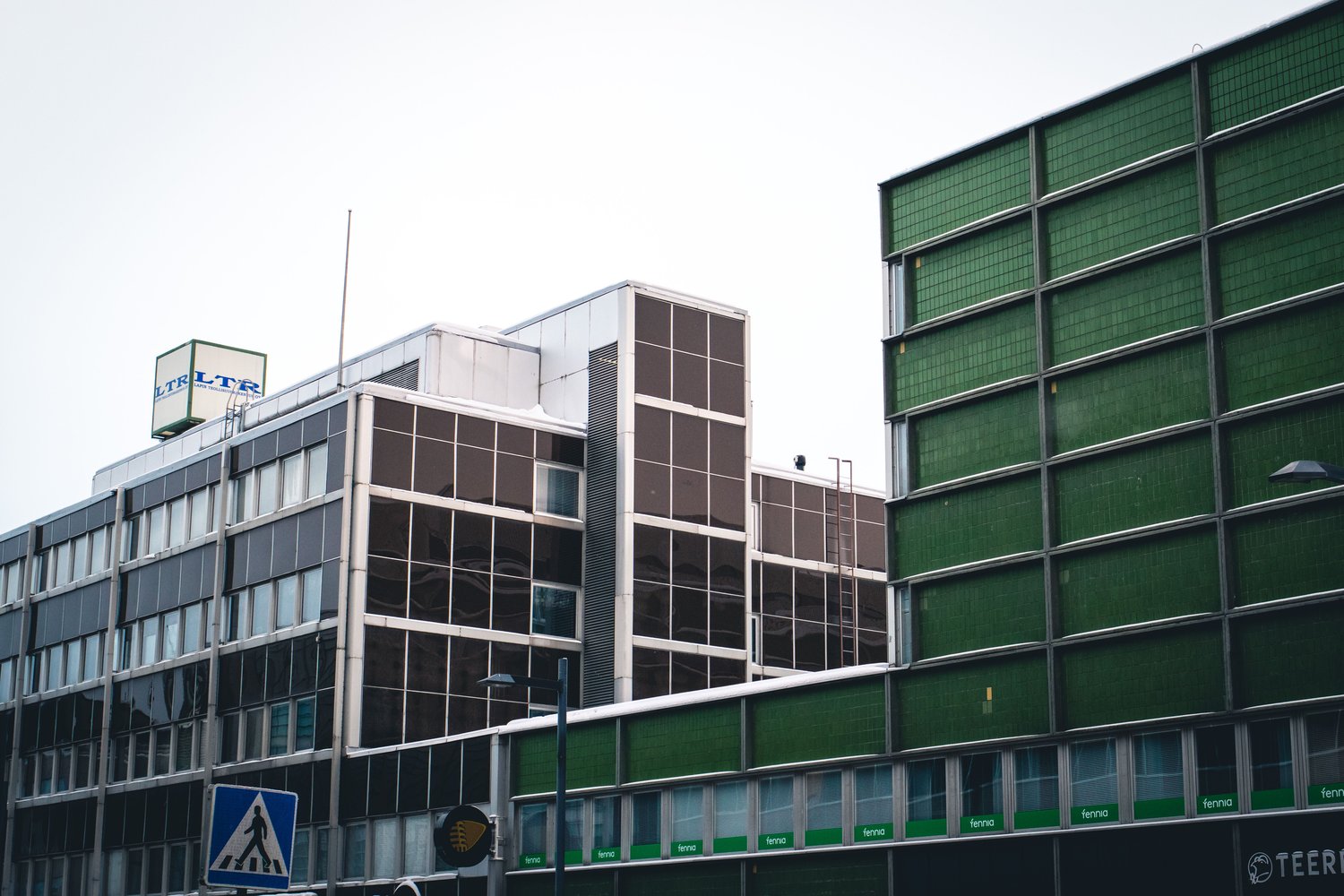
Commercial exteriors deserve careful attention because the primary exterior photograph may be used repeatedly across:
- Listing platforms
- Offering memorandums
- Brokerage websites
- Email campaigns
- Social media
- Investment presentations
Start by walking around the entire property.
Do not assume the street-facing side creates the best composition.
Look for:
- Main entrance
- Building mass
- Signage
- Landscaping
- Parking relationship
- Access roads
- Architecture
- Tenant visibility
Manage Vehicles
Cars provide scale and indicate activity.
Too many cars can hide the building.
Whenever possible, coordinate employee or maintenance vehicles that are parked directly in front of important architectural features.
For large parking areas, a moderate amount of occupancy may actually make the property feel active.
Watch Building Shadows
Large commercial buildings can cast enormous shadows.
Sun direction may determine whether the main facade looks excellent at 9:00 a.m. or unusable until late afternoon.
Scout important properties digitally before the appointment and schedule the exterior around light when the project budget allows.
Show Site Access and Parking
Residential listings rarely need a photograph explaining how vehicles move through the property.
Commercial listings often do.
Useful images may show:
- Main entrance
- Secondary entrance
- Parking field
- Truck entrance
- Delivery area
- Drive-through
- Service road
- Loading court
- Drop-off zone
The most attractive photograph is not always the most commercially useful one.
A broker may need a wide elevated photograph showing how the driveway connects to the main road.
That photograph can be more valuable than another polished lobby composition.
Photograph Office Properties
Office photography combines architectural presentation with functional information.
Start with the spaces that establish the building.
These usually include:
- Exterior
- Lobby
- Reception
- Main corridors
- Elevators
- Available suites
- Conference areas
- Shared amenities
- Parking
Available Office Suites
For a vacant suite, show:
- Entry
- Main workspace
- Window line
- Private offices
- Conference room
- Kitchen
- Restrooms when relevant
- Storage or specialty spaces
The viewer should understand how the space works.
Occupied Offices
Occupied suites require more coordination.
Remove or control:
- Confidential paperwork
- Employee names
- Personal photographs
- Computer screens
- Client information
- Whiteboards
- Trash
- Excess cables
Ask the tenant or property manager to prepare sensitive areas before the appointment.
The photographer should not be responsible for deciding which company information is confidential.
Photograph Retail Properties
Retail photography needs context.
A beautiful storefront can still tell very little about why the location matters.
Photograph:
- Main storefront
- Tenant signage
- Parking
- Road visibility
- Property entrance
- Pylon or monument signage
- Neighboring tenants
- Pedestrian access
- Outdoor seating
- Drive-through when present
Shopping Centers
For a shopping center, create several levels of coverage.
Start with the full center.
Then photograph major sections.
Then capture individual storefronts when requested.
Aerial coverage is particularly useful because it can show:
- Building layout
- Parking
- Road frontage
- Nearby intersections
- Outparcels
- Surrounding development
Vacant Retail Space
Show the storefront and interior relationship.
A future tenant wants to understand both customer-facing visibility and usable interior space.
Photograph Industrial and Warehouse Properties
Industrial photography is where residential habits need the biggest adjustment.
A warehouse can look visually repetitive.
The broker may still need photographs showing specific operational features.
Ask about:
- Clear height
- Loading configuration
- Dock-high doors
- Grade-level doors
- Truck court
- Column spacing
- Power
- Yard
- Office component
- Rail access
- Outdoor storage
- Security
- Parking
You do not need to become an industrial broker.
You do need enough information to recognize what deserves coverage.
Start Wide
Capture an overall warehouse view from several useful positions.
Try to show:
- Depth
- Ceiling structure
- Lighting
- Column layout
- Floor condition
- Loading relationship
Photograph Loading Areas
The loading area may be more commercially important than the reception desk.
Capture:
- Interior loading doors
- Exterior docks
- Truck court
- Approach
- Yard
Use People Sparingly
Workers can demonstrate scale, but commercial listing platforms may restrict imagery containing people. For example, CoStar's current Marketing Center terms say uploaded listing photos should focus on the listed property or surrounding area and prohibit certain non-property elements, including people and trademarked items.
When the final platform is known, confirm its requirements before building the shot list.
Photograph Multifamily Properties
Multifamily photography combines several specialties.
The buyer or investor may care about:
- Architecture
- Unit condition
- Amenities
- Parking
- Density
- Site layout
- Neighborhood
- Construction quality
Potential renters may care more about:
- Apartment interiors
- Fitness center
- Pool
- Clubhouse
- Workspaces
- Package room
- Outdoor areas
That means one project can require several different galleries.
Property-Level Images
Capture:
- Building exteriors
- Property entrance
- Signage
- Parking
- Amenities
- Site aerials
- Landscaping
Unit-Level Images
Photograph representative units using the same fundamentals you would apply to high-quality residential real estate photography.
Maintain consistent composition and editing between units.
Amenities
Treat amenities seriously.
A new multifamily property may compete heavily on:
- Pool
- Clubhouse
- Fitness center
- Coworking space
- Dog park
- Roof deck
- Package system
- Outdoor kitchen
These features can justify substantial additional coverage.
Photograph Hospitality Properties
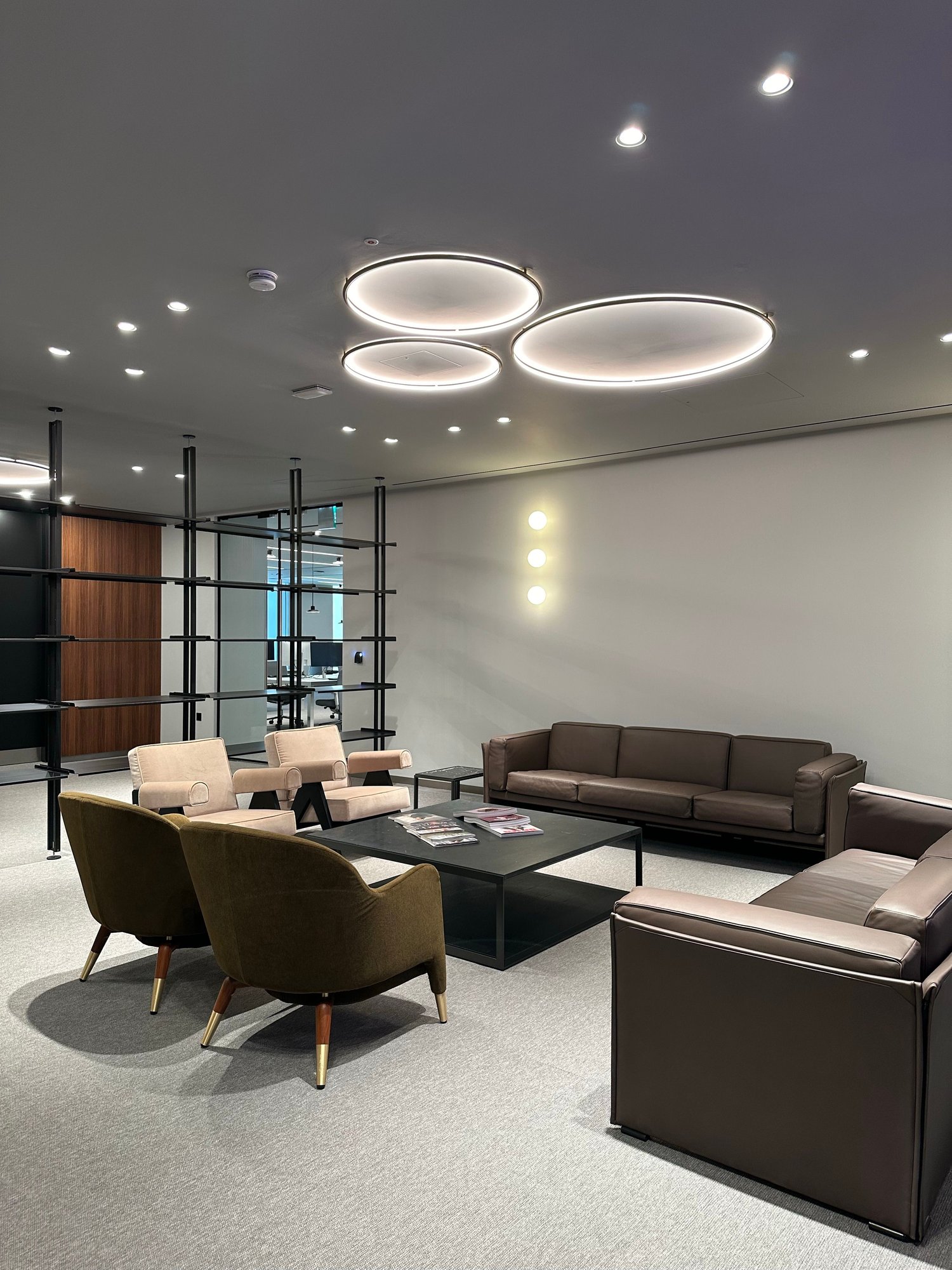
Hotels require a broader visual language than basic commercial listings.
The building is an investment property, but it is also an experience for guests.
Depending on the assignment, photograph:
- Exterior
- Lobby
- Guest rooms
- Suites
- Conference rooms
- Restaurant
- Bar
- Pool
- Fitness center
- Event spaces
- Exterior amenities
Ask who the images are for.
An investor sale may need representative coverage.
A hotel marketing campaign may require a much deeper hospitality production with styling, models, food, and lifestyle photography.
Do not quote those two assignments as though they are the same service.
Photograph Land and Development Sites
Vacant commercial land can be difficult to understand from ground level.
Drone photography becomes particularly valuable.
Start with:
- Road access
- Street frontage
- Existing structures
- Site condition
- Adjacent development
- Major landmarks
Then create aerial views showing the broader location.
Boundaries
Do not guess property lines.
If boundary overlays are requested, obtain a reliable source from the client such as:
- Survey
- Site plan
- GIS data approved by the client
- Engineering drawing
State clearly when graphical boundaries are approximate.
An incorrect property-line graphic can create a much larger problem than an imperfect photograph.
Photograph Vacant Commercial Interiors
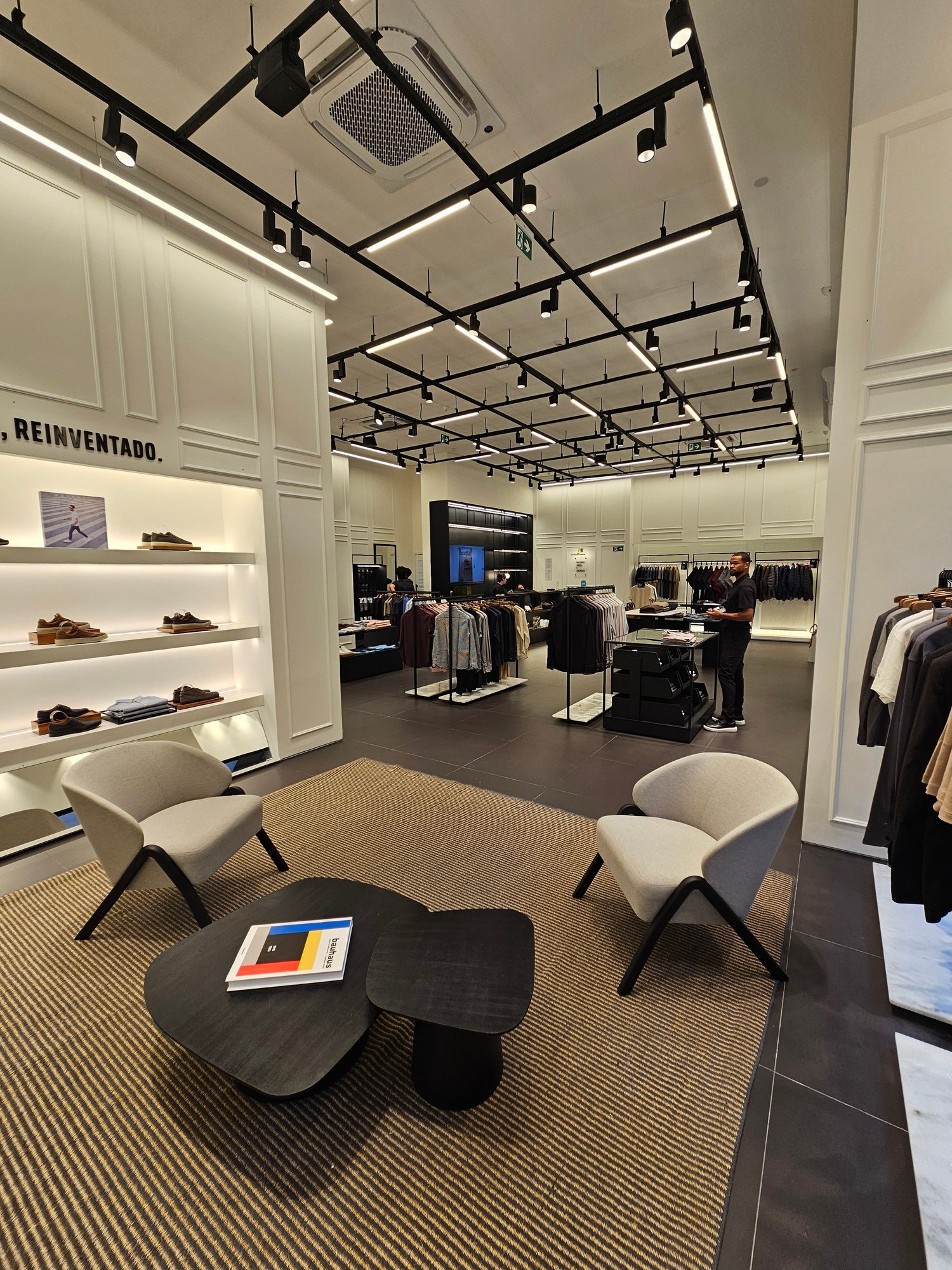
Vacant commercial spaces often need photographs that communicate scale without furniture.
This can be challenging.
Use architectural features to create depth:
- Window lines
- Columns
- Ceiling grids
- Doorways
- Floor patterns
- Lighting
- Structural beams
Try several focal lengths.
Very wide images can make a vacant suite appear larger while also making the far wall feel unnaturally distant.
Use enough width to explain the space.
Preserve believable proportions.
Photograph Occupied Commercial Interiors
Occupied commercial properties present a different challenge.
The space contains useful context, but also potential distractions and confidential material.
Before capture, ask the client to prepare.
Look carefully for:
- Computer screens
- Employee information
- Customer information
- Whiteboards
- Internal reports
- Security badges
- Family photographs
- Sensitive documents
- Proprietary equipment
Do not assume those elements can simply be retouched later.
Preparation is safer and faster.
Show Scale Without Distorting the Property
Large buildings tempt photographers to use the widest focal length available.
That can create images that feel impressive while becoming difficult to interpret.
A 14mm image inside a warehouse may exaggerate the distance between structural columns.
A very wide office photograph can make a modest suite appear enormous.
Commercial clients frequently know the property dimensions already.
They can recognize unrealistic perspective quickly.
I prefer to use a mixture of:
- Wide establishing compositions
- Medium architectural views
- Detail images
That combination makes the property understandable.
Common Mistake
Assuming a commercial client always wants the room to look as large as possible. Investors, tenants, architects, and brokers often value visual accuracy more than exaggerated spaciousness.
Use Detail Images Where They Add Commercial Value
Commercial detail photography should support the property story.
Useful details may include:
- Architectural finishes
- Lobby materials
- Tenant signage
- Loading equipment
- Lighting
- Building systems
- Conference-room finishes
- Amenities
- Exterior materials
Avoid building an entire gallery around decorative details unless the assignment is architectural or design-focused.
A broker usually needs the complete property understood first.
Add Drone Photography Strategically
Commercial property is one of the strongest applications for drone photography.
Aerial imagery can explain:
- Property layout
- Parking
- Roof
- Site boundaries
- Road access
- Nearby development
- Logistics
- Land
- Building relationships
- Location context
For non-recreational small-drone work in the United States, photographers generally operate under FAA Part 107 and must follow the applicable certification and operating requirements. The FAA's current Part 107 guidance was updated July 6, 2026, and certified remote pilots must also maintain aeronautical-knowledge recency.
Some controlled-airspace operations require authorization, and drones subject to registration requirements must comply with applicable Remote ID rules.
Capture Several Altitudes
A commercial drone gallery benefits from variety.
Lower Oblique
Shows architecture and property layout.
Medium Altitude
Shows parking, access, and adjacent property.
Higher Context
Shows surrounding roads, neighborhoods, commercial development, or land.
Do not fill the delivery with ten nearly identical aerial photographs.
Each altitude should answer a different question.
Show Location and Transportation Context
Commercial property value is often tied to location.
A photograph may need to show proximity to:
- Highway
- Airport
- Downtown
- University
- Hospital
- Shopping corridor
- Industrial park
- Port
- Rail
- Major intersection
The drone can help.
Ground photography may also be useful.
A retail broker may want street-level views showing traffic visibility.
An industrial broker may want the route to the interstate.
A multifamily marketer may want nearby commercial amenities.
Discuss the desired context before the shoot.
Create Useful Aerial Graphics Carefully
Aerial graphics can add significant value to commercial media.
Common overlays include:
- Property boundary
- Parcel size
- Road names
- Highway labels
- Tenant labels
- Nearby businesses
- Distance markers
- Access points
The graphic should remain easy to read.
Do not turn the aerial photograph into a map full of competing labels.
Verify Every Label
The client should approve:
- Property lines
- Distances
- Business names
- Road names
- Parcel information
Commercial graphics can circulate widely through investment materials.
Accuracy matters.
Use Twilight Selectively
Twilight is useful when the property's lighting or architecture contributes to the marketing story.
Strong candidates include:
- Hotels
- Restaurants
- High-end office buildings
- Multifamily developments
- Entertainment properties
- Retail centers with strong lighting
- Mixed-use developments
An industrial warehouse rarely needs twilight simply because twilight looks dramatic.
Commercial photography should remain tied to purpose.
Add Commercial Video
Commercial video can range from a simple property walkthrough to a full marketing production.
A straightforward broker video may include:
- Exterior
- Aerial approach
- Lobby
- Available suite
- Amenities
- Property context
A developer project may include:
- Interviews
- Voiceover
- Construction footage
- Multiple buildings
- Animated graphics
- Maps
- Drone
- Lifestyle scenes
Define the scope carefully before pricing.
Commercial video can expand very quickly once several stakeholders begin requesting additions.
Capture Vertical Media for Marketing Teams
Commercial brokers and developers use social media too.
When included in the project, capture selected vertical scenes for:
- Instagram Reels
- YouTube Shorts
- Stories
- Paid social campaigns
Good vertical subjects include:
- Building entrance
- Lobby
- Tall office atrium
- Retail storefront
- Warehouse aisle
- Hotel interior
- Multifamily amenity
I still prioritize horizontal photography for the primary property gallery.
Vertical media becomes an additional marketing asset.
Photograph Multiple Suites Efficiently
A single commercial building may contain several available suites.
Create a system.
Before the appointment, request:
- Suite numbers
- Floor numbers
- Approximate size
- Occupancy status
- Access information
Photograph each suite in a consistent order.
For example:
- Entry
- Main space
- Window line
- Conference
- Private offices
- Kitchen
- Specialty areas
Organize the files by suite after the shoot.
This makes the broker's upload process much easier.
Work With Floor Plans and Property Documents
Commercial listing materials frequently combine photography with:
- Floor plans
- Site plans
- Offering memorandums
- Brochures
- Financial documents
- Due-diligence materials
Current CoStar Marketing Center tools allow photos, floor plans, videos, and documents to be uploaded at the property level and, for certain leasing scenarios, at individual space or suite level.
Crexi similarly structures commercial listings around property details, photos and videos, offering memorandums, and due-diligence materials.
That creates an important delivery lesson for photographers:
Organize the files according to how the broker will use them.
If the building contains Suite 100, Suite 200, and Suite 300, those photographs should not arrive as one undifferentiated folder containing 140 files.
Deliver Media for Commercial Listing Platforms
Commercial listing platforms reward complete property marketing.
Crexi's current commercial-listing guidance recommends high-quality professional imagery covering exteriors, interiors, aerial perspectives, and surrounding amenities, with 3D tours or walkthrough video as additional options when appropriate.
The platform also notes the value of floor plans and aerial media within complete listing presentations.
CoStar's Marketing Center allows brokers to choose a primary image, arrange property media, and associate imagery with particular spaces.
Photographers should therefore think beyond simply delivering JPEGs.
Ask the client:
- Where are you uploading these?
- Do you need one main hero image?
- Are suite images separated?
- Do you need horizontal video?
- Are floor plans included?
- Do you need aerial graphics?
- Do you need high-resolution files for an offering memorandum?
A small amount of delivery planning can save the client substantial time.
Organize Large Commercial Deliveries
Commercial assignments can generate hundreds of files.
Build a clear folder structure.
For example:
01 — Exterior
02 — Lobby & Common Areas
03 — Suite 100
04 — Suite 200
05 — Warehouse
06 — Amenities
07 — Drone
08 — Aerial Graphics
09 — Vertical Social
10 — Video
For a multifamily property:
01 — Exterior
02 — Clubhouse
03 — Amenities
04 — Model Unit A
05 — Model Unit B
06 — Drone
The delivery itself becomes part of the professional service.
Professional Tip
Name commercial folders according to the client's property language. If the broker calls the spaces “Suite 100” and “Suite 210,” use those names instead of inventing “Office A” and “Office B.”
Handle Commercial Editing Carefully
Commercial editing should remain consistent and accurate.
Normal work may include:
- Exposure blending
- White balance
- Perspective correction
- Color correction
- Lens correction
- Window balancing
- Temporary-object cleanup
- Minor distraction removal
Larger modifications deserve approval.
Examples include:
- Removing permanent signage
- Changing building colors
- Removing neighboring structures
- Altering parking occupancy dramatically
- Replacing landscaping
- Adding tenants
- Removing infrastructure
- Creating conceptual renovations
Commercial buyers and tenants may rely on visual material while evaluating an asset.
Maintain a clear distinction between photographic finishing and conceptual visualization.
Plan Around Signage, Trademarks, and People
Commercial properties naturally contain brands.
Retail centers contain tenant signage.
Warehouses contain equipment.
Hotels contain branded materials.
Offices contain company logos.
Sometimes those elements are important to the property.
Sometimes they create restrictions for the intended platform.
CoStar's current Marketing Center terms state that submitted listing content must be truthful, accurate, and non-infringing, and its photo rules restrict certain content that is not part of the property, including people and trademarked items.
Ask where the photographs are being published.
A photograph suitable for the broker's offering memorandum may not be appropriate for every listing platform.
People
Commercial branding assignments may intentionally include people.
Commercial property listings often do not need them.
If identifiable employees, tenants, guests, or models will appear, coordinate usage and releases according to the project.
Understand Commercial Licensing
Commercial photography often stays useful longer than a normal residential listing.
A broker may need images for the current sale or lease campaign.
The building owner may want them for several years.
A developer may want them in:
- Advertising
- Website
- Investor presentations
- Social media
- Future leasing
- Awards
- Public relations
An architect, contractor, interior designer, or tenant may later request the same files.
Define the license accordingly.
Property Marketing License
A broker may receive rights to market the specific property across agreed commercial channels.
Owner Marketing License
A building owner may need longer-term corporate and property marketing rights.
Developer License
Developers may need broad portfolio and advertising use.
Third-Party License
Architects, contractors, tenants, designers, and vendors can obtain their own usage rights when the original agreement does not include them.
Commercial licensing should be defined before files are widely distributed.
Explore the complete REPT Knowledge Base for the connected licensing chapter:
https://payhip.com/RealEstatePhotographyTraining/blog/get-started-real-estate-photography
Prepare for Multiple Stakeholders
Commercial assignments often grow because each stakeholder has a different priority.
The broker wants exterior marketing.
The property manager wants updated amenity photography.
The architect wants clean architectural compositions.
The owner wants a hero image for the website.
The contractor wants craftsmanship details.
If everyone begins directing the photographer independently on site, the project becomes difficult to control.
Ask for one primary decision-maker.
Additional stakeholders can provide requests before the shoot.
The primary client determines priorities when time conflicts.
Price Commercial Real Estate Photography
Commercial pricing should reflect the assignment instead of relying only on square footage.
A 100,000-square-foot warehouse may require less photography time than a 25,000-square-foot luxury hotel.
Consider:
- Property type
- Site size
- Number of buildings
- Number of suites
- Interior complexity
- Travel
- Access
- Drone
- Twilight
- Video
- Aerial graphics
- Editing
- Licensing
- Delivery requirements
- Stakeholder coordination
Half-Day and Full-Day Pricing
Time-based pricing becomes useful for larger projects.
For example:
Half-Day Production
Useful for a focused office property, retail center, or smaller industrial assignment.
Full-Day Production
Useful for large campuses, multifamily communities, hotels, or multi-building projects.
Per-Property Pricing
Works well for standardized recurring brokerage assignments.
Per-Suite Add-On
Useful when several spaces need individual galleries.
Commercial Licensing
Broader advertising, developer, architectural, vendor, or national usage may justify additional licensing.
Do not automatically price commercial work as:
Residential photography price × building size.
Scope matters more.
Handle Travel and Large-Site Assignments
Commercial work may expand your service area.
A broker with several properties might need photography in multiple cities.
Before accepting the assignment, calculate:
- Drive time
- Mileage
- Lodging
- Meals when applicable
- Travel days
- Drone planning
- Equipment transport
- Schedule risk
Route several properties together whenever possible.
For example:
Monday — Travel + Property A
Tuesday — Properties B and C
Wednesday — Property D + return
That can create a more efficient project than four separate trips.
Create Recurring Commercial Work
Commercial real estate can create long-term relationships.
A brokerage may continuously receive new listings.
A property manager may operate dozens of buildings.
A developer may complete several projects each year.
A multifamily company may need recurring unit and amenity updates.
A commercial photographer can provide:
- New-listing photography
- Lease-space updates
- Renovation photography
- New tenant photography
- Updated drone coverage
- Seasonal exterior refresh
- Construction progress
- New amenity photography
- Video
- Property portfolio updates
Build a Property Archive
Keep previous images organized by:
- Property
- Date
- Suite
- Media type
When the broker calls six months later and says:
Suite 200 has been renovated. Can you update it?
you should be able to find the original project immediately.
Recurring work becomes much easier when your archive is organized.
A Practical Commercial Real Estate Photography Workflow
Before the Shoot
Confirm:
- Client
- Property
- Marketing purpose
- Property type
- Deliverables
- Priority features
- Access
- Operating schedule
- Drone needs
- Video
- Suites
- Usage
- Delivery deadline
Request existing property marketing materials.
Build the shot list.
On Site
Meet the property contact.
Walk the building.
Confirm restricted areas.
Photograph the highest-priority features first.
Work through the shot list systematically.
Check each suite.
Complete exterior and aerial coverage when conditions are appropriate.
After Capture
Back up immediately.
Organize by property area or suite.
Edit consistently.
Create aerial graphics when included.
Separate platform-ready, high-resolution, and specialized files when requested.
Before Delivery
Check:
- Main exterior
- Every requested suite
- Major amenities
- Commercial features
- Drone
- Graphics
- Video
- File names
- Folder structure
Deliver with a short explanation of the folder organization.
Common Commercial Photography Mistakes
Treating Commercial Property Like a Large House
Commercial buyers, tenants, and brokers care about different features.
Beginning Without a Marketing Objective
The building may contain dozens of spaces that are irrelevant to the current campaign.
Ignoring Access Logistics
Locked suites can waste an entire appointment.
Missing Loading Areas
Industrial property may depend heavily on operational infrastructure.
Using Extremely Wide Lenses Everywhere
Commercial clients often value accurate scale.
Photographing Only Pretty Spaces
Parking, access, loading, roads, and site layout can be commercially important.
Ignoring Aerial Context
Some properties are difficult to understand from ground level.
Creating Boundary Graphics From Memory
Use reliable client-provided source material.
Failing to Separate Suites
Large deliveries become difficult for brokers to use.
Forgetting Platform Requirements
Commercial marketplaces can have specific content rules.
Photographing Sensitive Information
Occupied businesses require careful preparation.
Giving Every Stakeholder Direction Authority
Choose one primary project contact.
Pricing Only by Square Footage
Commercial scope varies too much for that alone.
Giving Unlimited Commercial Usage Automatically
Broker, owner, architect, tenant, and vendor use should follow the agreed license.
Forgetting Portfolio Restrictions
Some commercial projects require confidentiality or launch timing.
Frequently Asked Questions
Is commercial real estate photography different from residential photography?
Yes. Many of the technical skills transfer, but commercial assignments tend to involve different property features, stakeholders, marketing purposes, licensing requirements, and delivery systems.
What lens should I use for commercial interiors?
A wide-angle lens remains useful, but avoid relying exclusively on the widest focal length. Mix establishing photographs with more natural medium-width compositions.
How many photos should I deliver?
The property and assignment determine the count. A small office suite may need fifteen photographs, while a large multifamily development or hotel may require dozens or more. Define the required coverage rather than selecting an arbitrary image count.
Should I use a tripod?
Yes for most polished commercial interior and architectural work. Handheld capture can still make sense in active industrial or documentation environments.
Is drone photography important for commercial real estate?
Often. Aerial imagery can explain access, parking, building layout, land, neighboring development, and transportation context more effectively than ground photography.
Do commercial drone assignments require Part 107 in the United States?
Non-recreational small-drone operations generally fall under FAA Part 107. The remote pilot must meet the applicable certification and operating requirements.
Can I photograph people inside commercial listings?
That depends on the intended use and platform. Some commercial listing systems restrict people in property photographs. Coordinate with the client and review the destination platform requirements.
Should I photograph surrounding businesses?
Sometimes. Nearby businesses and amenities can help explain location, especially for retail, multifamily, office, and hospitality properties. Confirm what the client wants shown and where the media will be published.
Should I photograph tenant signs?
Tenant signage can be an important feature in retail and investment-property marketing. Platform requirements and licensing considerations still apply.
Should I photograph every room in an office?
Not necessarily. Photograph the spaces that help the client market the property. A repetitive group of small identical offices may require fewer images than the lobby, conference room, main workspace, and window line.
How should I photograph warehouses?
Capture overall interior scale, structure, loading areas, warehouse depth, office component, exterior docks, truck court, parking, and any features the broker identifies as commercially important.
Should I photograph empty warehouse floors with an ultra-wide lens?
Use enough width to explain the space while preserving believable dimensions. Extreme focal lengths can exaggerate depth and column spacing.
How should I price commercial photography?
Price according to scope, property type, time, access, travel, drone, video, graphics, editing, licensing, number of suites, and stakeholder requirements. Square footage alone is rarely enough.
Should commercial clients pay licensing fees?
Your pricing structure determines how usage is handled. A property-specific broker marketing license can be included in production pricing, while broader owner, developer, vendor, architectural, or advertising rights may be priced differently.
Can the building owner give the photographs to every tenant and contractor?
Only when the photography agreement allows it. Third-party commercial users can receive separate licenses when needed.
Are floor plans useful in commercial listings?
Yes. Current commercial platforms support property photos alongside floor plans, videos, offering memorandums, and other deal materials.
Should I offer aerial graphics?
Yes when they improve understanding of access, land, transportation, or nearby development. Use reliable source information and have the client approve property boundaries and labels.
Is twilight useful for commercial properties?
It can be highly effective for hospitality, multifamily, restaurants, entertainment, retail, and architecturally distinctive office projects. It is less necessary when evening appearance has little connection to the property's marketing value.
Can commercial real estate photography become recurring work?
Yes. Brokers, property managers, developers, multifamily operators, and commercial owners frequently manage multiple properties and require updates as suites, tenants, renovations, and marketing campaigns change.
Recommended REPT Course Lessons
Episode 2 — Equipment and Software
The same core camera, lens, tripod, and software foundation used for residential work remains useful in commercial photography. Commercial assignments often add greater value to normal and telephoto focal lengths, drones, and careful file organization.
Episode 3 — Exterior Photography Workflow
Exterior light, camera position, vertical correction, and property preparation remain important when photographing office buildings, retail centers, multifamily communities, and other commercial architecture.
Episode 4 — Interior Photography Workflow
The interior workflow provides the foundation for offices, hospitality properties, commercial suites, multifamily units, and common spaces.
Episodes 5–8 — Editing Workflow
Camera Raw, HDR, Photoshop, blending, color correction, and finishing remain the core processing skills behind consistent commercial delivery.
Explore the complete Real Estate Photography Training course:
https://payhip.com/RealEstatePhotographyTraining
Continue Your Training
Explore the REPT Knowledge Base
Continue through the connected photography, editing, business, licensing, drone, video, builder, and specialized-property chapters:
https://payhip.com/RealEstatePhotographyTraining/blog/get-started-real-estate-photography
Visit Real Estate Photography Training
Explore current training resources and REPT Journal industry analysis:
Complete the Course
Learn the complete real estate photography capture and editing workflow:
https://payhip.com/RealEstatePhotographyTraining
Follow Malachi on Instagram
See current photography, editing examples, field work, and training updates:
https://instagram.com/malachikg_rephoto
Related Articles
- Architectural Composition for Real Estate Photography
- Drone Photography for Real Estate
- Real Estate Video Tours and Short-Form Content Creation
- Real Estate Photography Pricing Guide
- Real Estate Photography Client Communication Guide
- How to Deliver Real Estate Photos Professionally
- Real Estate Photography File Management and Backup Systems
- Builder Photography and Ongoing Construction Content
- Photographing Vacation Rentals and Short-Term Rental Properties
- Image Licensing and Usage Rights for Real Estate Photographers
- Real Estate Photography Contracts, Policies, and Service Agreements
- Photographing Acreage, Ranches, and Large Properties
Sources
Crexi — “How to Craft a High-Converting CRE Listing Page”
Published August 19, 2025. Current Crexi guidance emphasizing professional exterior, interior, aerial, and other visual media in commercial property listings.
https://www.crexi.com/blog/commercial-real-estate-listing-page-tips
Crexi — “How to Increase Listing Visibility in a Crowded CRE Market”
Published August 28, 2025. Commercial listing guidance addressing high-quality images, aerial media, floor plans, and complete property marketing.
https://www.crexi.com/blog/listing-visibility-commercial-real-estate
Crexi Help Center — “Listing Properties on Crexi”
Published July 1, 2026. Current guidance covering commercial listing creation and supported listing workflow.
https://learn.crexi.com/listing-properties-on-crexi-crexi-help-center
CoStar Marketing Center — “Add and Edit Photos & Attachments”
Current help documentation covering property-level and suite-level photos, videos, floor plans, and documents. Last updated May 30, 2024.
https://marketingcenter-help.costar.com/article/34-add-and-edit-photos-attachments
CoStar Marketing Center — “Select Photo as Primary Photo”
Current help documentation explaining primary-image selection for commercial listings. Last updated May 29, 2024.
https://marketingcenter-help.costar.com/article/36-select-photo-as-primary-photo
CoStar — Marketing Center Terms and Conditions
Current terms addressing commercial listing content, image rights, property-photo content, and advertiser responsibilities.
https://www.costar.com/about/marketing-center-TandCs
Federal Aviation Administration — Small Unmanned Aircraft Systems Regulations (Part 107)
Updated July 6, 2026. Current FAA overview of Part 107 operating requirements for non-recreational small-drone operations.
https://www.faa.gov/newsroom/small-unmanned-aircraft-systems-uas-regulations-part-107
Federal Aviation Administration — Become a Certificated Remote Pilot
Updated June 9, 2026. Current FAA certification and recurrent-training requirements for Part 107 remote pilots.
https://www.faa.gov/uas/commercial_operators/become_a_drone_pilot
Federal Aviation Administration — Part 107 Airspace Authorizations
Current FAA guidance for controlled-airspace authorization under Part 107.
https://www.faa.gov/uas/commercial_operators/part_107_airspace_authorizations
Federal Aviation Administration — Remote Identification of Drones
Current FAA guidance explaining Remote ID requirements for drones that are required to be registered.
Comments ()