

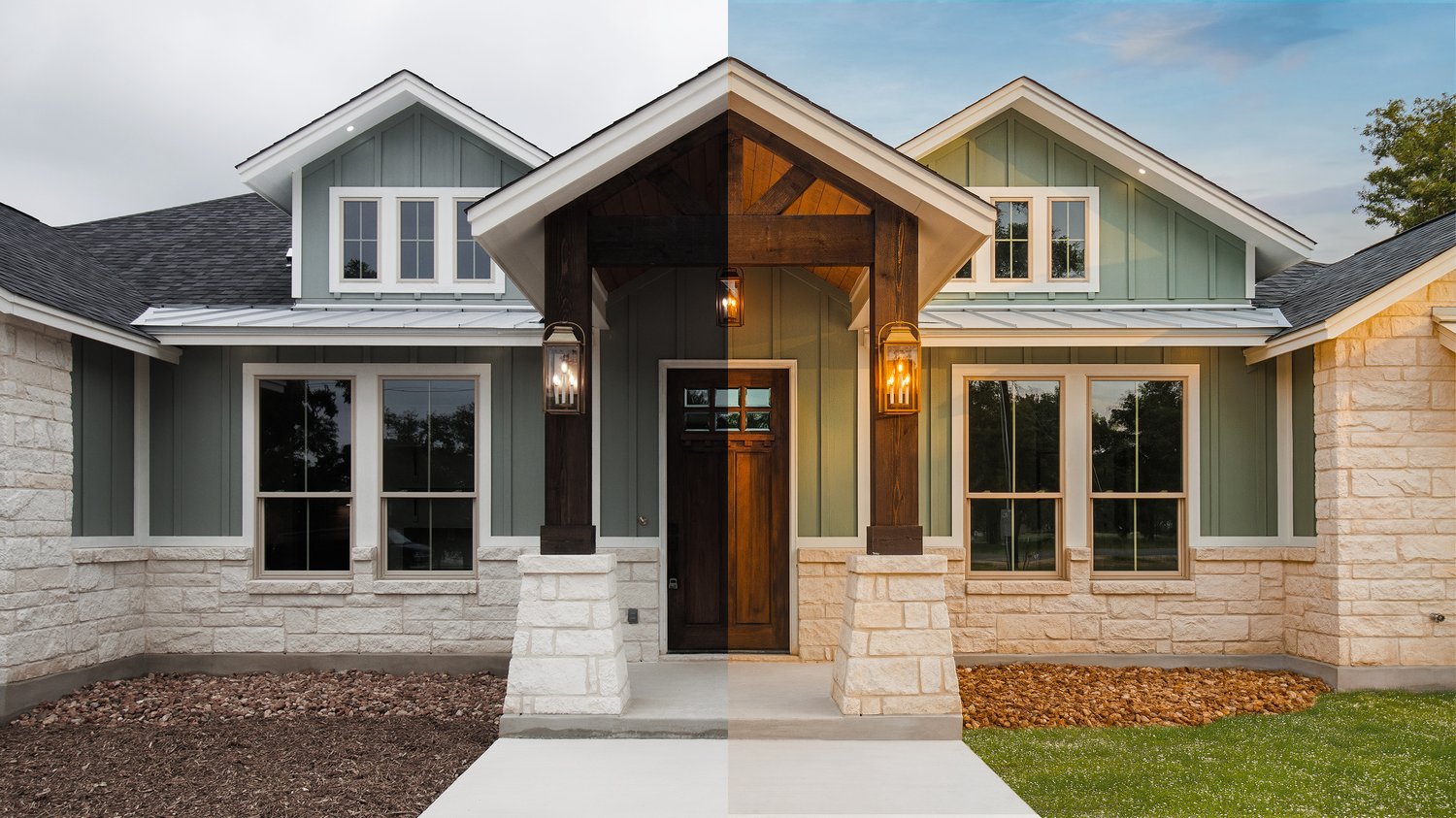
Introduction
Most photographers experience marketing as a collection of occasional efforts. They post several images on Instagram, send a few messages to local agents, update their website, and then return their attention to active shoots. When business slows down, marketing suddenly becomes urgent again.
That cycle makes it difficult to build steady momentum.
A more useful approach is to create a small marketing system that continues working while you photograph and edit. The system does not need to be complicated. It needs to introduce your work to the right people, demonstrate that you understand their needs, and give them a clear reason to contact you.
In real estate photography, trust carries considerable weight. Agents work on tight schedules. Builders protect the reputation of their projects. Designers care about how their work is represented. Each client needs confidence that the photographer will arrive prepared, produce consistent images, communicate clearly, and deliver on time.
Your marketing should provide evidence of those qualities before the first conversation begins.
This chapter explains how to build that evidence through your portfolio, website, local search presence, professional relationships, direct outreach, social content, referrals, and client follow-up.
Continue Reading First
This chapter builds on several established REPT Knowledge Base articles:
- How to Start a Real Estate Photography Business
- Building a Real Estate Photography Portfolio That Gets Clients
- Real Estate Photography Pricing Guide
- How to Deliver Real Estate Photos Professionally
- Real Estate Photography File Management and Backup Systems
- Real Estate Video Tours and Short-Form Content Creation
- How to Photograph Luxury Homes
- Twilight and Dusk Real Estate Photography
- Drone Photography for Real Estate
Browse the full Knowledge Base:
Explore the REPT Knowledge Base
View the complete training program:
Real Estate Photography Training Course
Table of Contents
- Build Your Marketing Around a Defined Client
- Clarify Your Position in the Market
- Prepare the Foundation Before Promoting
- Develop a Referral System
- Use Direct Outreach Without Sounding Generic
- Market to Real Estate Agents
- Market to Builders, Architects, and Designers
- Strengthen Your Local Search Presence
- Build a Website That Supports Sales
- Use Instagram as an Active Portfolio
- Create Useful Content From Existing Shoots
- Follow Up Without Becoming a Nuisance
- Track What Produces Real Business
- Build a 90-Day Marketing Routine
- Common Marketing Mistakes
- Frequently Asked Questions
Build Your Marketing Around a Defined Client
Marketing becomes easier when you know exactly who should respond to it.
A photographer who serves residential listing agents has different priorities from one who works with custom builders. An agent may care most about scheduling, turnaround, straightforward pricing, and consistent coverage. A builder may place greater value on craftsmanship details, long-term image usage, construction progress, social content, and a gallery that supports the company’s brand.
Before choosing marketing channels, identify the client group you want to develop.
Residential Real Estate Agents
Agents often need a dependable photographer who can handle recurring listing work with minimal supervision. Their concerns usually include availability, property preparation, turnaround, image consistency, and convenient delivery.
Custom Builders and Remodelers
Builders need images that document craftsmanship and support long-term marketing. They may use the same gallery across websites, award submissions, print materials, social media, proposals, and future sales conversations.
Architects and Interior Designers
These clients tend to examine composition, material accuracy, styling, lighting, and detail coverage closely. Their expectations may be closer to architectural photography than standard listing photography.
Property Managers and Vacation-Rental Operators
These businesses often need efficient coverage across multiple properties, consistent editing, organized file delivery, and periodic updates as units are renovated or refreshed.
Developers and Commercial Clients
Commercial assignments may involve broader usage rights, several stakeholders, location context, aerial photography, exterior scheduling, and more extensive planning.
You can serve several groups over time. Your main marketing message should still make your strongest specialty easy to understand.
Professional Tip
Review the last ten projects you enjoyed photographing and the ten clients who were easiest to work with. That list usually reveals a more useful marketing direction than choosing a specialty based entirely on perceived pricing.
Clarify Your Position in the Market
Positioning describes what clients should remember about your business.
A useful position might center on:
- Reliable residential listing coverage
- High-end custom-home photography
- Builder photography and ongoing content
- Fast photography and vertical-video packages
- Luxury listings with twilight and aerial coverage
- Architectural photography for designers and remodelers
A broad statement such as “professional photography for every need” gives a prospective client very little information. Specific language helps the right person recognize that your services fit their work.
For example:
I photograph custom homes, renovations, and architectural details for builders throughout South Texas, with galleries prepared for websites, social media, print marketing, and award submissions.
That statement identifies the client, geographic area, subject matter, and practical use of the images.
Your positioning should appear consistently on your website, social profiles, email signature, portfolio introduction, and printed materials.
Prepare the Foundation Before Promoting
Promotion creates opportunities, although it also exposes weaknesses quickly. Before directing more people toward your business, make sure the experience they encounter supports the claims in your marketing.
At minimum, prepare:
- A focused portfolio
- A clear service description
- Accurate contact information
- A professional email address
- A simple inquiry process
- Current service-area information
- Several client testimonials
- A reliable delivery system
- Consistent branding across platforms
A prospective client should be able to understand what you photograph, where you work, and how to contact you within a minute or two.
The article Building a Real Estate Photography Portfolio That Gets Clients provides a complete framework for selecting and organizing the work you present.
Curate for the Next Assignment
Your portfolio should help a client imagine hiring you for a specific project.
When reaching out to a custom builder, send a concise gallery containing strong exterior images, kitchens, primary living areas, material details, and outdoor spaces. An agent reviewing your work may need a broader listing sequence that demonstrates reliable coverage across an entire home.
A portfolio of twenty relevant photographs will usually support a sales conversation more effectively than a gallery of one hundred unrelated images.
Develop a Referral System
Referrals are among the strongest sources of real estate photography work because they arrive with transferred trust. A client who has already worked with you can describe your process, reliability, and finished product in a way that an advertisement cannot.
Referrals still benefit from a deliberate process.
Ask After a Successful Delivery
The best time to request a referral is shortly after a positive client experience. The gallery has been delivered, the client has expressed satisfaction, and the value of the work is still fresh.
A simple message is enough:
I’m glad the gallery works well for the listing. I’m continuing to build relationships with agents who value consistent photography and reliable turnaround. Please feel free to pass my information along if someone in your office needs help with an upcoming property.
This request is clear and professional. It leaves the client room to respond naturally.
Make Referrals Easy
Provide a direct portfolio link, service page, digital contact card, or short introduction that a client can forward. The fewer details they have to explain, the more likely they are to make the introduction.
Thank the Person Who Referred You
A brief thank-you message reinforces the relationship. A gift may be appropriate for a particularly valuable introduction, although appreciation and excellent follow-through often matter more than an elaborate reward.
Professional Tip
Track the person who introduced each new client. Over time, you will see which relationships consistently generate strong work and deserve more attention.
Use Direct Outreach Without Sounding Generic
Direct outreach works best when the message shows genuine familiarity with the recipient’s business.
Mass emails that praise someone’s “amazing listings” or offer “high-quality photography at competitive prices” tend to blend together. Agents and builders receive versions of those messages regularly.
A stronger outreach process begins with research.
Before writing, review:
- The types of properties they represent
- Their current photography
- Their website and social profiles
- Their recent projects
- Their geographic focus
- Services they already appear to use
- A specific way your work could support them
Then write a short message that connects your services to something real.
Sample Agent Outreach Email
Subject: Photography support for your upcoming listings
Hi [Name],
I came across your recent listing in [neighborhood or community] and spent some time reviewing the way you present your properties online. I photograph residential listings throughout [service area], including interiors, exteriors, aerials, twilight images, and short vertical video.
Here is a small gallery that reflects the type of work I would recommend for homes in your market:
[Portfolio link]
I would be glad to help when you have a listing that needs additional coverage or when your regular photographer is unavailable.
Best,
Malachi
[Phone]
[Website]
The message is brief, relevant, and easy to evaluate.
Sample Builder Outreach Email
Subject: Photography for completed homes and builder marketing
Hi [Name],
I’ve been following your work in [community or region], particularly [specific project or design feature]. I photograph completed homes for builders, with coverage designed for websites, social media, proposals, print materials, and long-term portfolio use.
This gallery includes several examples of full-home coverage and craftsmanship details:
[Portfolio link]
I would be interested in learning how you currently document completed projects and whether you have any homes approaching completion.
Best,
Malachi
[Phone]
[Website]
Personalization should come from a genuine observation. One useful sentence is enough.
Common Mistake
Sending a long introduction that focuses mainly on equipment, personal history, or enthusiasm gives the client extra information to process before they understand how the service could help them.
Market to Real Estate Agents
Agents vary significantly in volume, property type, marketing standards, and loyalty to existing vendors. A thoughtful prospecting list will save considerable time.
Look for agents who:
- Maintain active listings
- Work in areas you can serve efficiently
- Represent properties that fit your portfolio
- Invest consistently in marketing
- Have visible gaps in their current media
- Participate actively in local offices or professional groups
An agent with steady listing activity and average photography may be a better prospect than a high-profile agent who already has a long-standing media team.
Offer a Low-Risk First Experience
A new client may hesitate to replace a photographer they already know. Give them an easy way to try your service.
You might offer:
- Coverage when their regular photographer is unavailable
- A twilight add-on for a suitable property
- A small aerial package
- A vertical walkthrough
- Photography for an upcoming listing outside their usual service area
- Updated photographs for a stale listing
The first assignment should demonstrate your complete process. Confirm the appointment promptly, communicate property-preparation needs, arrive on time, deliver when promised, and keep the gallery organized.
A smooth first experience creates room for the next booking.
Build Relationships Within the Office
One successful agent relationship can introduce your work to an entire brokerage. Attend appropriate local events, open houses, builder showcases, and office presentations when invited.
Keep the educational value high. A short presentation on preparing a home for photography, using twilight images, or choosing media for different listing types will be more memorable than a general sales pitch.
Market to Builders, Architects, and Designers
Marketing to design and construction professionals usually requires patience. Their projects develop over longer timelines, and they may only photograph a limited number of completed homes each year.
The value of each relationship can still be substantial.
Learn How the Images Will Be Used
Ask whether the client needs photographs for:
- A website portfolio
- Social media
- Print advertisements
- Proposals
- Award submissions
- Editorial publication
- Product or vendor partnerships
- Ongoing construction updates
Usage affects the shot list, orientation, delivery formats, scheduling, and licensing conversation.
Show Craftsmanship Clearly
Builders and designers need to see that you can photograph more than broad room views. Include cabinetry, stonework, lighting, ceiling details, hardware, millwork, tile, and transitions between materials.
The chapters How to Photograph Luxury Homes and Architectural Composition for Real Estate Photography should support this section of your portfolio as the advanced-capture cluster grows.
Stay Present During the Construction Cycle
Completed-home photography may occur months after the first conversation. Keep in touch occasionally by sharing a relevant project, congratulating the company on a milestone, or checking whether any homes are approaching completion.
A useful follow-up feels connected to their work. Repeated messages asking whether they are “ready to book” quickly become noise.
Strengthen Your Local Search Presence
A photographer’s local search presence helps people find the business when they are already looking for a service provider.
Google Business Profile can display a business in Google Search and Maps, provide contact information, show photographs, collect reviews, and direct visitors to a website. Google allows businesses that travel to customers to operate as service-area businesses. Photographers working from home should generally hide the residential address when clients are not served there and define the actual cities or postal areas they cover.
Set Up the Profile Accurately
Use the real business name consistently across your website, profile, invoices, and other public materials. Avoid adding service keywords or city names to the business-name field unless they are genuinely part of the company’s established name.
Complete the profile with:
- Primary service category
- Accurate service areas
- Phone number
- Website
- Business hours
- Service descriptions
- Current photographs
- Booking or inquiry link when available
Google advises service-area businesses to maintain one accurate profile for the central business location rather than creating duplicate profiles for each city served.
Add Relevant Photographs
Use photographs that demonstrate the work clients are likely to purchase. Include strong interiors, exteriors, aerials, twilight images, behind-the-scenes photographs, and a professional portrait when appropriate.
Refresh the selection as your work improves.
Request Reviews Consistently
Reviews help prospective clients understand the experience of working with you. Ask clients to describe specific qualities such as communication, punctuality, image quality, turnaround, or how the photographs supported their marketing.
Google allows verified businesses to provide clients with a direct review-request link or QR code. Business owners can also respond publicly to reviews, and Google recommends keeping those replies helpful, professional, and relevant.
A useful review request might read:
Thank you again for trusting me with the property. Reviews help other agents and builders understand what it is like to work with me. Here is the direct link if you have a moment to share your experience: [review link]
Avoid offering incentives in exchange for positive reviews.
Build a Website That Supports Sales
A portfolio website should guide a visitor toward a decision.
The visual design matters, although clarity usually has a greater influence on whether someone makes contact.
Essential Pages
A practical real estate photography website should include:
Home
Introduce the service, client type, and geographic area clearly. Use one or two strong calls to action.
Portfolio
Organize images by the way clients evaluate them. Possible categories include residential listings, luxury homes, builders, twilight, aerials, video, and architectural details.
Services
Explain what each service includes and which properties benefit from it.
About
Give clients enough background to understand your experience, working style, and approach.
Service Area
Identify the cities and regions you regularly cover. Keep the information accurate.
Contact
Provide a simple inquiry form, email address, phone number, and expected response time.
Create Pages With a Clear Purpose
Each page should answer a specific client question. A twilight page can explain the visual benefits, preparation requirements, and timing. A builder-photography page can show completed projects, detail images, content options, and intended usage.
Google’s current SEO guidance emphasizes helping search engines understand a page while making the page useful to the people deciding whether to visit or contact the business. Clear page titles, relevant text, useful internal links, high-quality images, and unique meta descriptions all support that process.
Add Context Around Images
A gallery made entirely of photographs gives a search engine very little information and gives a prospective client no explanation of your process.
Add concise text that describes:
- The type of property
- The client’s objective
- Services provided
- Special scheduling or lighting considerations
- How the final images were used
Case studies are especially effective because they combine proof of work with a practical business outcome.
Professional Tip
Write website copy around the questions clients ask during real conversations. Those questions often make better service-page headings than generic marketing language.
Use Instagram as an Active Portfolio
Instagram gives prospective clients a quick way to assess the consistency and personality behind your work.
Treat the profile as an active portfolio with several content types:
- Finished property images
- Multi-image project galleries
- Before-and-after editing examples
- Short walkthrough videos
- Behind-the-scenes photographs
- Builder progress updates
- Photography preparation tips
- Explanations of architectural features
- Selected client testimonials
The feed should represent the work you want to receive. Frequent posts from unrelated photography categories can make your specialty harder to understand.
Write Captions for Clients
Photographers often write captions for other photographers by focusing on camera settings, lighting techniques, and editing methods. Those details can be useful educational content, particularly for REPT.
A service-business account also needs captions that speak to agents, builders, designers, and property owners.
For example, a twilight caption could explain how the image supports a listing launch, builder website, or social campaign. A detail photograph might describe the craftsmanship a builder wanted to preserve.
Make Contact Easy
Your profile should identify:
- What you photograph
- Where you work
- How to contact you
- Where to view the full portfolio
Keep the link destination current. A dedicated inquiry or services page will usually serve prospective clients more effectively than a general homepage with no clear next step.
Follow Malachi’s current photography and educational work:
Instagram — @malachikg_rephoto
Create Useful Content From Existing Shoots
Content marketing becomes manageable when it begins with work you are already producing.
A single custom-home shoot might provide:
- A finished portfolio gallery
- One website case study
- Several Instagram posts
- A vertical Reel
- A before-and-after editing example
- A short article about photographing a difficult space
- Detail images for the builder
- A testimonial request
- A future outreach example
Plan for these uses before the shoot. Capture several vertical photographs, short video clips, behind-the-scenes material, and detail images while you are already on location.
Teach Through the Work
Educational content helps demonstrate expertise without making every post promotional.
Useful topics include:
- How agents can prepare a home for photography
- When twilight coverage is worthwhile
- Why builders should photograph details
- How aerial images explain acreage
- How weather affects exterior scheduling
- Why consistent color matters
- What clients should expect on the day of a shoot
The REPT Knowledge Base itself provides a strong source of topics. Each chapter can support a shorter social post, email, video, or portfolio explanation.
Build Partnerships Around Shared Clients
Real estate photographers often serve the same client groups as:
- Home stagers
- Designers
- Videographers
- Drone specialists
- Sign installers
- Transaction coordinators
- Marketing agencies
- Floor-plan providers
- Virtual-tour providers
- Builders and remodelers
A partnership can begin with a simple introduction and a clear understanding of how each business serves the client.
Strong partnerships are reciprocal. Recommend people whose work you trust, communicate clearly when collaborating, and avoid making introductions solely to receive something in return.
A reliable partner can also help you accept projects that require services beyond your current equipment or experience.
Follow Up Without Becoming a Nuisance
Many legitimate opportunities are lost because the photographer sends one message and assumes silence means rejection.
People become busy. Listings change. Construction schedules move. Emails disappear beneath more urgent work.
A measured follow-up system keeps the conversation alive.
A Practical Follow-Up Schedule
After the initial outreach:
- Follow up after approximately one week.
- Send a second useful message two or three weeks later.
- Add the prospect to a longer-term contact list when appropriate.
- Reconnect when you have a relevant project or service update.
Each message should remain brief.
For example:
Hi [Name], I wanted to follow up on the portfolio I sent last week. I recently completed a similar property in [area], and I thought the exterior and twilight coverage might be relevant to the homes you represent. Here is the gallery: [link]. I’m available if an upcoming project would be a good fit.
The message adds new context rather than repeating the original request.
Respect a Clear Answer
When someone declines or asks not to receive further communication, close the conversation professionally. A respectful interaction leaves the relationship intact.
Use Case Studies to Demonstrate Value
A case study gives potential clients more information than a collection of finished images.
A useful case study can include:
- Client type
- Property type
- Marketing objective
- Services provided
- Challenges
- Capture approach
- Final deliverables
- Client feedback
- Selected images
For example, a builder case study might explain that the company needed horizontal website images, vertical social content, craftsmanship details, a twilight hero image, and aerial context. The case study demonstrates planning and commercial awareness alongside photographic ability.
Keep the client’s confidential information private and obtain permission when the project or results are sensitive.
Track What Produces Real Business
Marketing activity can feel productive without generating qualified work. Track enough information to see what leads to actual bookings.
A simple spreadsheet or customer relationship management system can record:
FieldPurposeProspect or clientIdentifies the relationshipClient typeAgent, builder, designer, manager, or developerLead sourceReferral, Google, Instagram, outreach, event, or partnerFirst contact dateSupports consistent follow-upLast contactPrevents duplicate or excessive messagesStatusProspect, conversation, estimate, booked, inactiveServices discussedHelps personalize future communicationBooked revenueShows which channels produce businessNotesRecords preferences and relevant details
The most useful marketing measures include:
- Qualified inquiries
- Bookings
- Conversion rate
- Cost of acquiring a client
- Average project value
- Repeat-booking rate
- Revenue by lead source
- Referrals generated
- Time from first contact to booking
Followers, impressions, and website traffic can provide context. Bookings and durable client relationships provide a clearer measure of business performance.
Professional Tip
Ask every new client how they found you. Record the answer immediately. After a year, those notes will be more useful than guessing which marketing channel deserves your time.
A 90-Day Real Estate Photography Marketing Routine
A short, repeatable plan is easier to maintain than attempting every marketing strategy at once.
Month 1: Prepare the Foundation
During the first month:
- Refine your main client focus.
- Update the strongest twenty to forty portfolio images.
- Review the home, portfolio, services, and contact pages.
- Complete or correct your Google Business Profile.
- Prepare separate portfolio links for agents and builders.
- Create a basic lead-tracking system.
- Request reviews from recent satisfied clients.
Month 2: Begin Consistent Outreach
During the second month:
- Build a list of twenty-five qualified local prospects.
- Research each prospect before contact.
- Send a small number of personalized messages each week.
- Follow up with older leads.
- Attend one relevant local event or open house.
- Publish one useful case study.
- Share completed work consistently on Instagram.
Month 3: Strengthen Relationships
During the third month:
- Review which outreach messages received responses.
- Ask current clients for introductions.
- Reconnect with past clients who have become inactive.
- Meet one complementary service provider.
- Create content answering a common client question.
- Improve the website page receiving the most inquiries.
- Compare bookings by source and refine the next quarter.
The schedule can remain modest. Five well-researched contacts each week may produce better long-term results than several hundred generic messages.
Common Marketing Mistakes
Promoting Before the Portfolio Is Ready
Marketing increases the number of people evaluating your work. Remove images that no longer represent your current standard before sending more traffic to the portfolio.
Trying to Serve Everyone
A website that speaks equally to weddings, portraits, products, events, and real estate makes specialization difficult to recognize.
Leading With Price
A low introductory price may attract attention, although it provides little reason for the client to stay once another photographer offers less.
Sending Generic Outreach
Messages written for everyone usually feel relevant to no one.
Posting Without a Business Purpose
Consistent posting helps only when the content supports your specialty, reinforces trust, or guides the viewer toward a useful next step.
Neglecting Existing Clients
Repeat business and referrals often produce more stable growth than constant prospecting.
Failing to Follow Up
Many prospects require several appropriate contacts before the timing aligns with an active project.
Measuring Attention Instead of Revenue
High engagement can be encouraging. Track which activities produce inquiries, bookings, repeat work, and profitable services.
Promising More Than the Workflow Can Support
Marketing should reflect your actual capacity, turnaround, service area, and technical ability. Reliability protects the reputation that the marketing creates.
Common Mistake
A sudden slowdown often causes photographers to market intensely for a week and stop as soon as the calendar fills. A smaller year-round routine produces steadier visibility and makes future slow periods easier to manage.
Frequently Asked Questions
What is the best way to get a first real estate photography client?
Begin with a focused portfolio and a short list of active local agents, builders, or property professionals. Research each business, send a relevant sample of your work, and offer an easy first assignment. Personal introductions and referrals can shorten the process considerably.
Should I offer a free shoot?
A carefully selected portfolio project can be useful when you need a specific type of property or client example. Establish the scope, usage, and purpose in advance. Repeated free work usually makes it harder to establish sustainable pricing.
How many prospects should I contact each week?
Quality and consistency matter more than volume. Five to ten well-researched contacts each week is a reasonable starting point for an independent photographer. The number should remain small enough that each message can be relevant.
Should I advertise on social media?
Paid advertising can help once the portfolio, service offer, geographic targeting, website, and follow-up system are working. Advertising tends to expose weaknesses in those areas rather than solve them.
Do I need a Google Business Profile if I work from home?
A service provider who travels to clients may be eligible for a service-area profile. Google advises businesses that do not receive customers at their address to hide the address and list accurate service areas instead.
How often should I post on Instagram?
Choose a schedule you can maintain without lowering the quality of the work. A useful project post each week can support the business more effectively than daily images published without context.
Should I publish pricing on my website?
That depends on the service and market. Straightforward residential packages often benefit from transparent starting prices. Builder, architectural, commercial, and custom-content work may require estimates based on scope, usage, travel, and deliverables.
How long does marketing take to work?
Some referrals and direct contacts produce immediate assignments. Builder relationships, local search visibility, content libraries, and repeat-client systems usually develop over months. Track progress quarterly rather than judging the entire strategy after a few weeks.
What should I do when a prospect already has a photographer?
Respect the existing relationship. Offer to become a dependable secondary option for scheduling conflicts, additional services, distant listings, twilight coverage, aerial work, or unusual projects.
How should I respond to a negative review?
Reply calmly and professionally. Address useful facts, acknowledge mistakes when appropriate, and move sensitive details into a private conversation. Google recommends avoiding personal attacks or private information and keeping public responses helpful and relevant.
Recommended Course Lessons
Marketing brings attention to the work. The REPT course helps photographers develop the technical consistency required to keep the clients they attract.
Episode 2 — Equipment and Software
Build a dependable equipment and software foundation before promising professional service.
Episode 3 — Exterior Photography Workflow
Improve exterior compositions, property preparation, exposure planning, and the opening images that frequently lead a portfolio.
Episode 4 — Interior Photography Workflow
Create consistent room coverage that agents and builders can evaluate across a complete gallery.
Episodes 5–8 — Editing Workflow
Develop repeatable Camera Raw, HDR, Photoshop, blending, color-correction, and finishing processes that support reliable delivery.
Explore the complete course:
Real Estate Photography Training Course
Continue Your Training
Explore the Knowledge Base
Read the connected tutorials covering equipment, capture, editing, delivery, premium services, and business development:
Visit Real Estate Photography Training
Explore additional educational resources and updates:
Real Estate Photography Training
Complete the Course
Learn the full real estate photography capture and editing workflow:
Real Estate Photography Training Course
Follow Malachi on Instagram
View recent photography, editing examples, educational content, and behind-the-scenes work:
Instagram — @malachikg_rephoto
Related Articles
- How to Start a Real Estate Photography Business
- Building a Real Estate Photography Portfolio That Gets Clients
- Real Estate Photography Pricing Guide
- How to Deliver Real Estate Photos Professionally
- Real Estate Photography File Management and Backup Systems
- Real Estate Video Tours and Short-Form Content Creation
- How to Photograph Luxury Homes
- Twilight and Dusk Real Estate Photography
- Drone Photography for Real Estate
Comments ()