

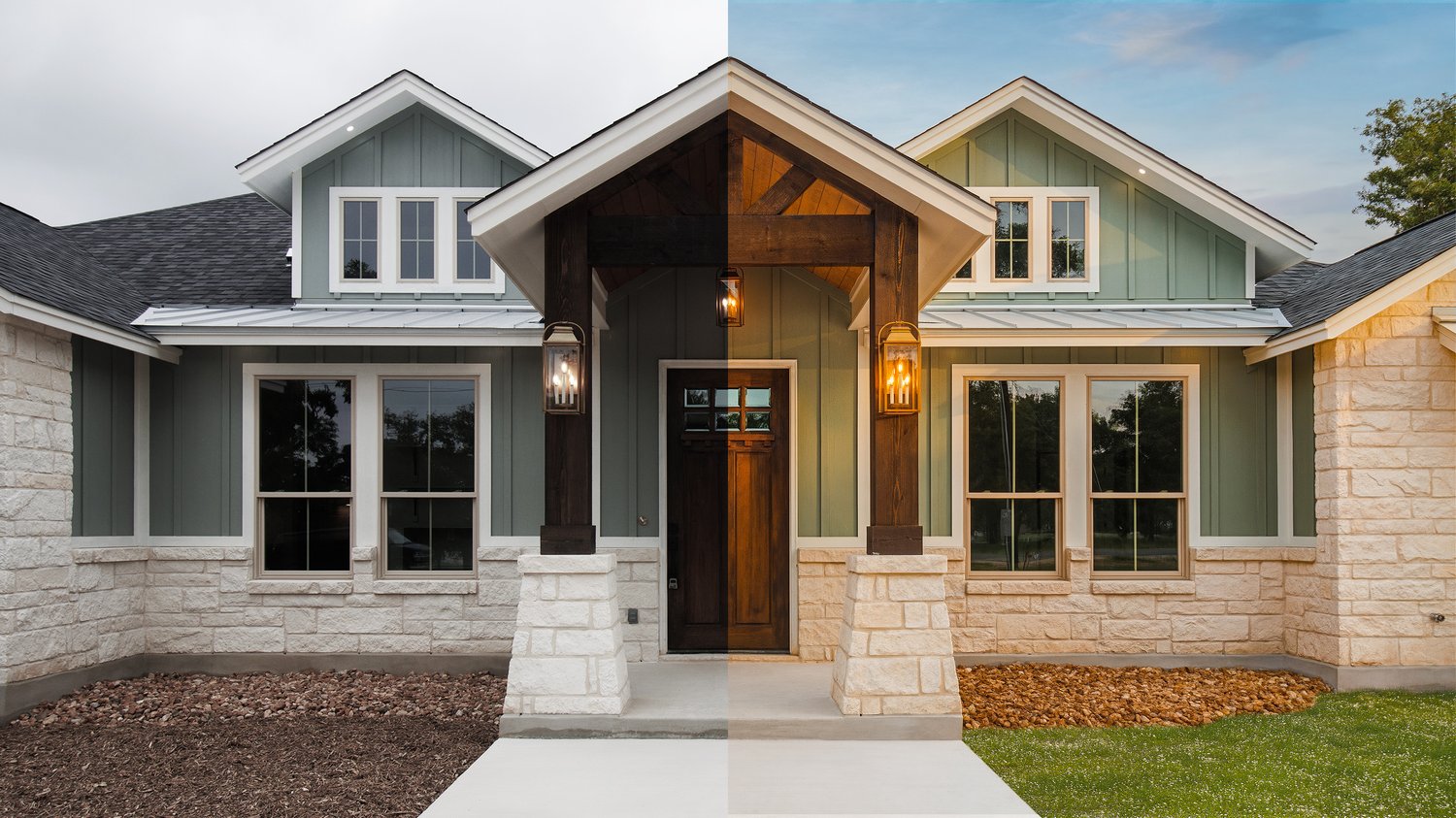
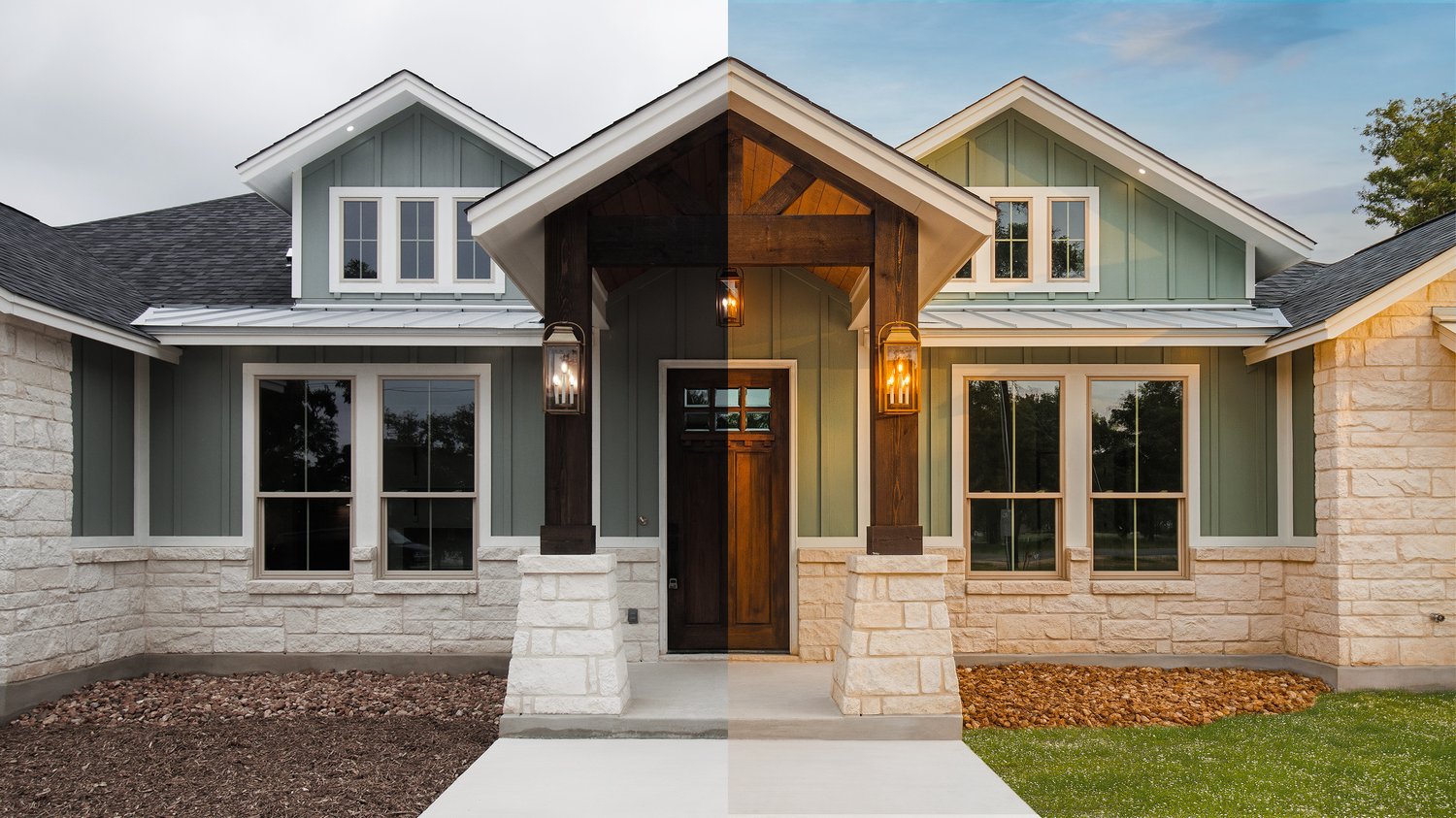
Every property tells a story long before a prospective buyer steps through the front door. Today, that story almost always begins online.
For most buyers, the first showing isn't an in-person tour—it's a gallery of photographs viewed on a phone, tablet, or computer. Within seconds, those images shape first impressions, influence perceived value, and often determine whether a buyer schedules a showing at all.
That reality has transformed real estate photography from a complementary service into one of the most important marketing tools in the industry.
Yet great real estate photography isn't about making homes appear larger than they are or editing them into unrealistic works of art. The goal is much simpler—and far more difficult.
Professional real estate photography presents a home at its absolute best while remaining honest to the space itself.
Every decision, from where the camera is placed to how light is balanced in post-processing, should help the viewer understand the architecture, craftsmanship, flow, and character of the property.
When done well, the photography almost disappears. The buyer isn't thinking about the photographer—they're imagining themselves living in the home.
That is the purpose of real estate photography.
Who This Guide Is For
This guide is written for anyone who wants to produce professional-quality architectural and real estate photographs, regardless of experience.
You may be:
- A photographer looking to specialize in residential properties.
- A Realtor who wants to improve listing photographs.
- A home builder documenting completed projects.
- An interior designer building a professional portfolio.
- A content creator interested in architectural photography.
- A hobbyist ready to take your photography to the next level.
Regardless of your starting point, the principles in this guide remain the same.
Good real estate photography isn't the result of expensive equipment alone. It's the product of a repeatable workflow built on sound technique, careful observation, and consistent editing.
LEARN MORE:
payhip.com/RealEstatePhotographyTraining
What Makes Real Estate Photography Different?
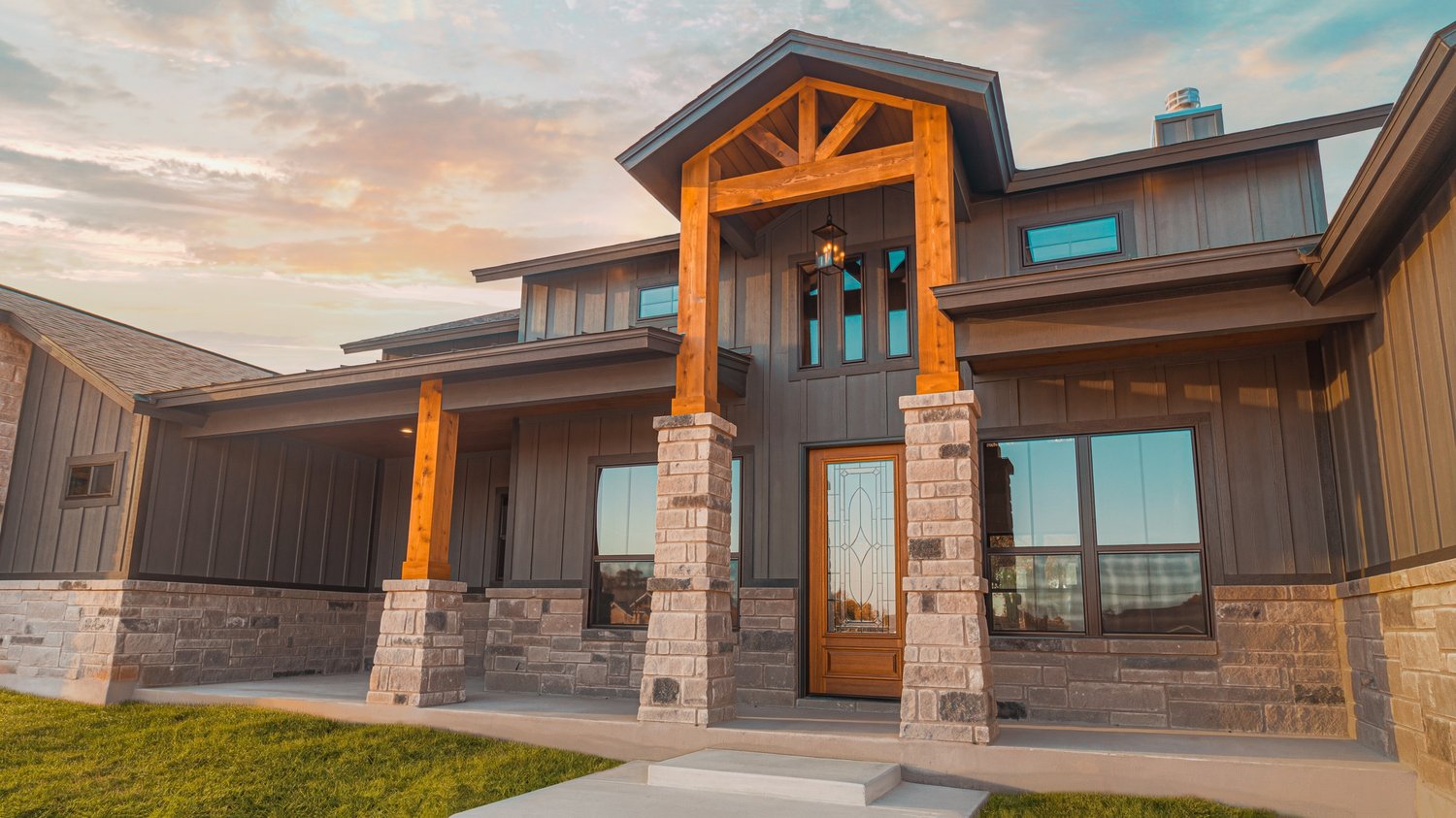
One of the biggest misconceptions among beginners is that real estate photography is simply another form of landscape or portrait photography.
It isn't.
Every genre of photography has a different purpose.
Portrait photography tells the story of a person.
Wildlife photography captures behavior.
Sports photography freezes action.
Real estate photography serves architecture.
Rather than directing attention toward a subject, your job is to reveal an entire environment.
That creates a unique set of challenges.
Every Image Must Balance Three Goals
1. Accuracy
The room should look like the room.
Walls shouldn't bow.
Colors should remain true.
Perspective should feel natural.
Professional photographers resist the temptation to exaggerate spaces with excessive editing or ultra-wide lenses.
The viewer should feel pleasantly surprised when they visit the property—not disappointed that it appears smaller than the photographs suggested.
2. Clarity
A great photograph guides the viewer's eye.
Distractions are minimized.
Architectural features are emphasized.
Natural lines lead attention toward important design elements.
Every photograph should answer one question:
"What is the most important feature of this room?"
Everything else supports that answer.
3. Consistency
A professional gallery feels cohesive.
Every image shares:
- Similar brightness
- Similar color balance
- Similar perspective
- Similar editing style
- Similar contrast
- Similar composition
This consistency gives buyers confidence and presents the home as a unified experience rather than a collection of unrelated snapshots.
The Professional Workflow
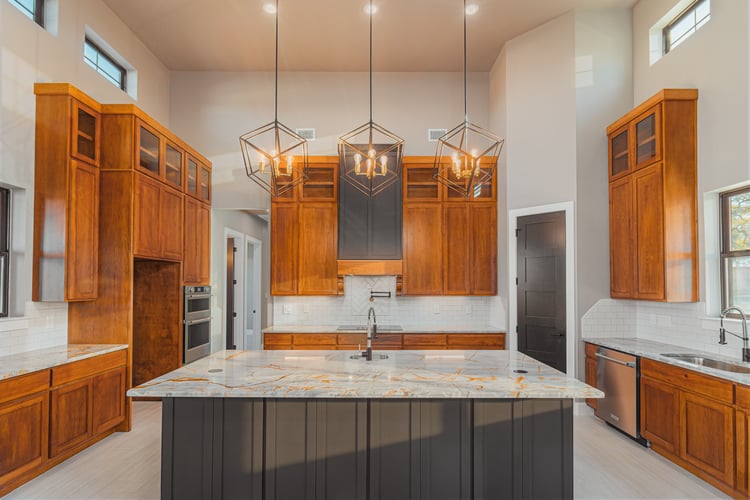
Many beginners assume professionals create great images because they own better cameras.
In reality, professionals produce better photographs because they follow a consistent workflow.
Every property, regardless of size or value, generally follows the same sequence:
Step 1 — Prepare the Property
Before the camera comes out:
- Turn on appropriate lighting.
- Open blinds where beneficial.
- Straighten furniture.
- Remove distractions.
- Hide trash cans.
- Arrange décor.
- Clean reflective surfaces.
- Check for burned-out bulbs.
Many editing problems are actually preparation problems.
Five minutes spent preparing a room can save thirty minutes in Photoshop.
Step 2 — Photograph the Exterior
Exterior photography establishes the home's curb appeal.
This stage focuses on:
- Choosing favorable lighting
- Finding the most flattering camera angle
- Leveling the camera
- Capturing bracketed exposures
- Photographing architectural details
Patience matters.
Sometimes moving the tripod just three feet dramatically improves the composition.
Step 3 — Photograph the Interior
Interior photography requires a different approach.
Instead of simply exposing for available light, professional photographers often combine multiple exposures to balance:
- Interior brightness
- Exterior window views
- Color accuracy
- Shadow detail
- Highlight detail
The objective is not to create an obviously edited image.
The objective is to produce a room that feels as natural as it did in person.
Step 4 — Post-Processing
This is where the separate photographs become one finished image.
Professional editing typically includes:
- Perspective correction
- Exposure blending
- Window pulls
- Color correction
- Sky replacement when appropriate
- Removal of distractions
- Final sharpening
- Exporting for web or print
Good editing should rarely call attention to itself.
If someone immediately says, "That looks heavily Photoshopped," the edit has probably gone too far.
Step 5 — Deliver the Gallery
Finally, images are exported with consistent sizing, sharpening, color space, and naming conventions.
The finished gallery should feel polished from beginning to end.
Professional presentation matters just as much as professional photography.
LEARN MORE:
payhip.com/RealEstatePhotographyTraining
The Five Skills Every Real Estate Photographer Must Master
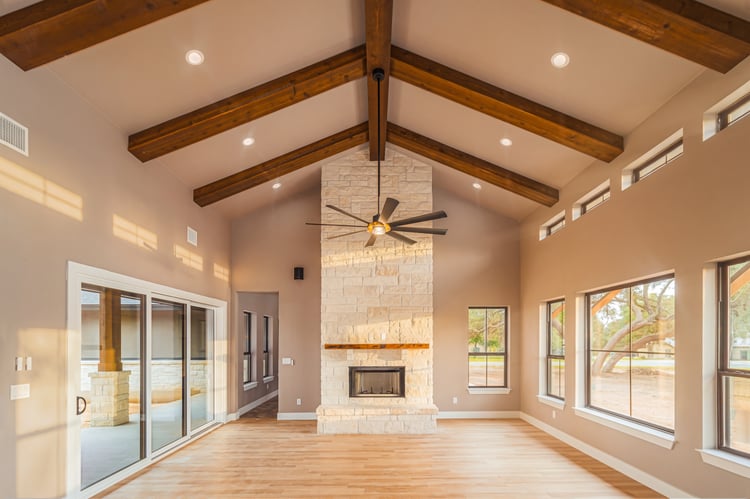
Many photographers spend years chasing better equipment while overlooking the skills that actually improve their work.
In reality, mastering these five areas will have a far greater impact than upgrading your camera.
1. Composition
Composition is arguably the single most important skill in real estate photography.
Before thinking about exposure, lighting, or editing, ask yourself:
- Where should the camera stand?
- How high should it be?
- Which features deserve emphasis?
- What should remain outside the frame?
A beautifully composed photograph often requires fewer edits because the image already feels balanced.
2. Light
Every photograph is ultimately a study of light.
Understanding:
- natural light,
- reflected light,
- flash,
- window light,
- shadows,
will improve your work more than buying a newer camera body.
Learning to recognize quality light is one of the defining characteristics of experienced photographers.
3. Perspective
Nothing immediately identifies an amateur photograph faster than leaning walls.
Maintaining straight vertical lines requires:
- a level camera,
- proper lens choice,
- careful perspective correction during editing.
This simple discipline gives photographs an architectural precision that viewers subconsciously recognize.
4. Color
One room may contain daylight, LED lighting, incandescent bulbs, and reflected green light from surrounding landscaping—all at the same time.
Producing accurate color requires understanding white balance, color temperature, and color contamination.
Natural color is almost always preferable to dramatic color.
The home—not the edit—should remain the focus.
5. Editing
Editing is not about rescuing bad photographs.
It is about refining good ones.
Professional editing enhances what was already captured rather than creating something that never existed.
As your photography improves, your editing generally becomes simpler.
Real Estate Photography Course:
payhip.com/RealEstatePhotographyTraining
Comments ()