

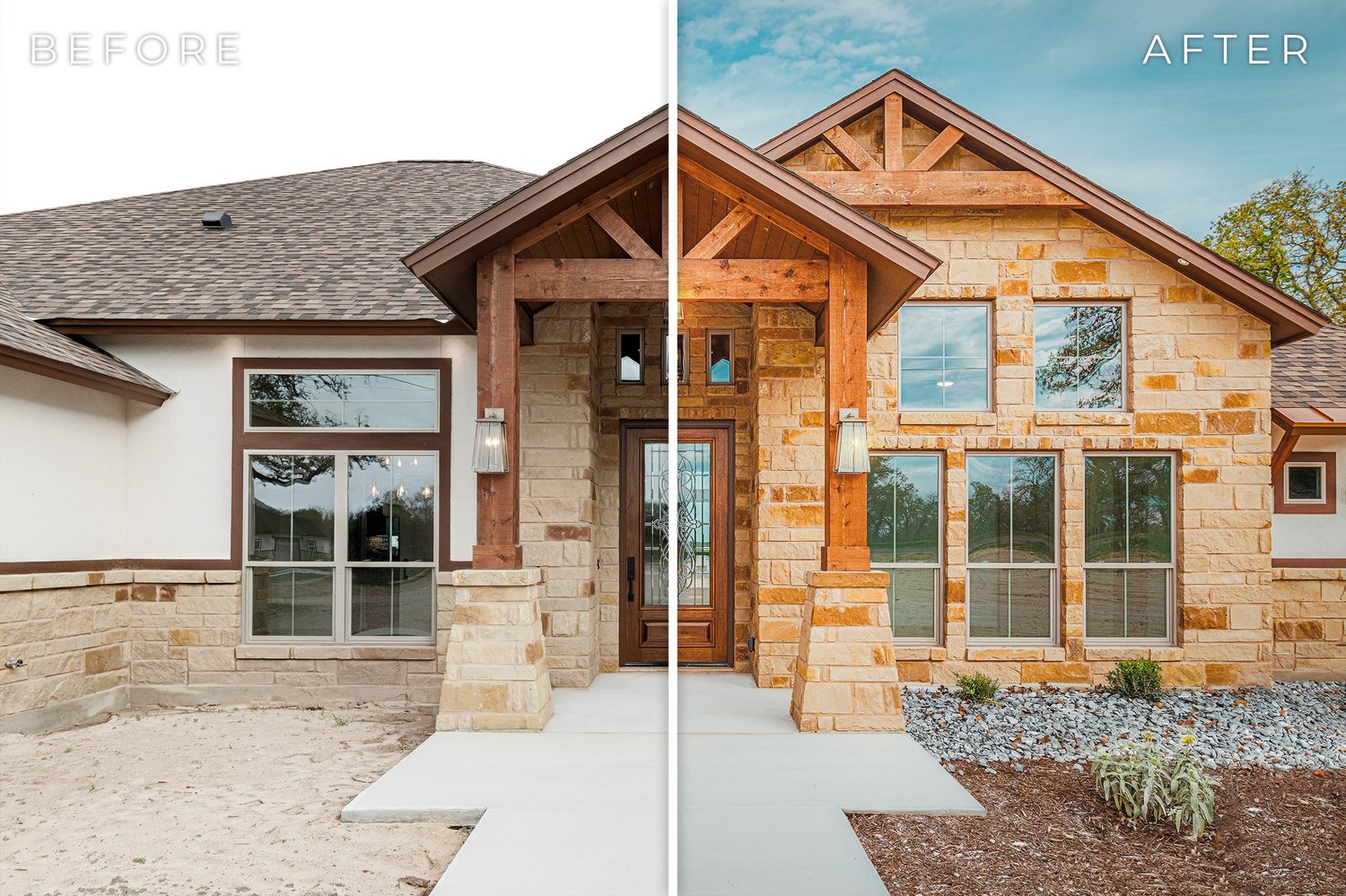
Why Professionals Always Shoot RAW
One of the first settings every new real estate photographer should change isn't found in the exposure menu, autofocus settings, or white balance controls.
It's the image format.
Your camera can almost certainly record photographs in both RAW and JPEG.
Many beginners leave the camera on JPEG because it's the factory default. The images look good on the back of the camera, they're small, and they're immediately usable.
For vacation photos, that may be perfectly acceptable.
For professional real estate photography, it isn't.
If you intend to deliver photographs that faithfully represent a property, recover bright window views, produce clean HDR blends, and maintain accurate color throughout the home, RAW isn't simply the better choice—it is the professional standard.
Understanding why will fundamentally change both your photography and your editing workflow.
What Is a RAW File?
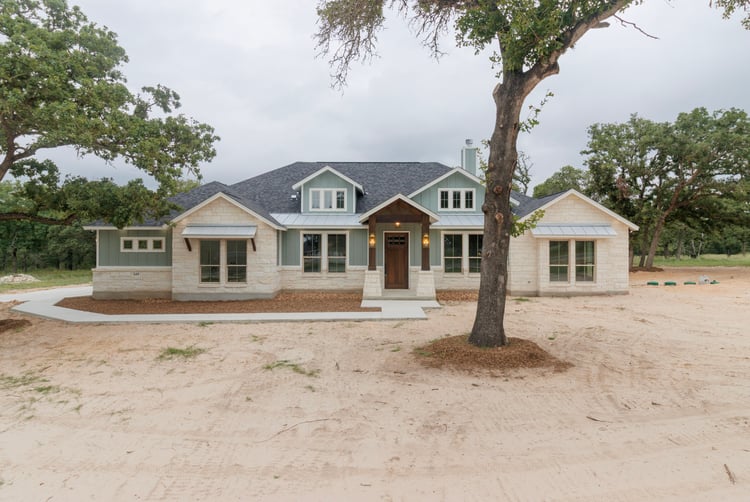
A RAW file is exactly what the name suggests.
It contains the raw, unprocessed information captured by your camera's sensor.
Instead of making editing decisions for you, the camera simply records as much image data as possible.
Think of it as a digital negative.
The camera captures the scene, but the final photograph is developed later during editing.
This gives you complete control over exposure, white balance, color, contrast, highlights, and shadows.
What Is a JPEG?
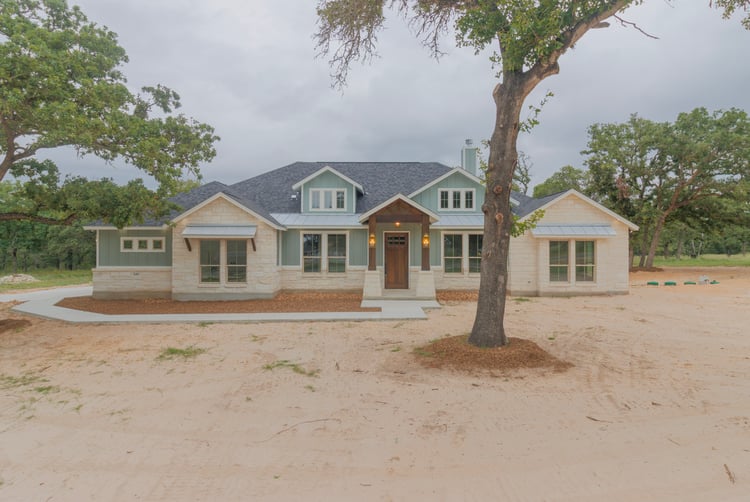
JPEG files are different.
Before saving the image, the camera automatically decides:
- Contrast
- Saturation
- Sharpness
- Noise reduction
- White balance
- Compression
Then it permanently discards a significant amount of image data to create a smaller file.
The result is a finished image that's ready to share immediately—but far less flexible during editing.
Once information has been discarded, it cannot be recovered.
Why RAW Matters in Real Estate Photography
Real estate photography places extraordinary demands on image files.
Every property contains:
- Bright windows
- Deep shadows
- Mixed lighting
- Reflective surfaces
- White walls
- Warm wood tones
Successfully balancing all of these elements requires extensive post-processing.
RAW files preserve the information needed to make those adjustments without noticeably degrading image quality.
Better Highlight Recovery
One of the greatest advantages of RAW is highlight recovery.
Suppose you've photographed a living room overlooking a beautiful backyard.
The windows appear slightly too bright.
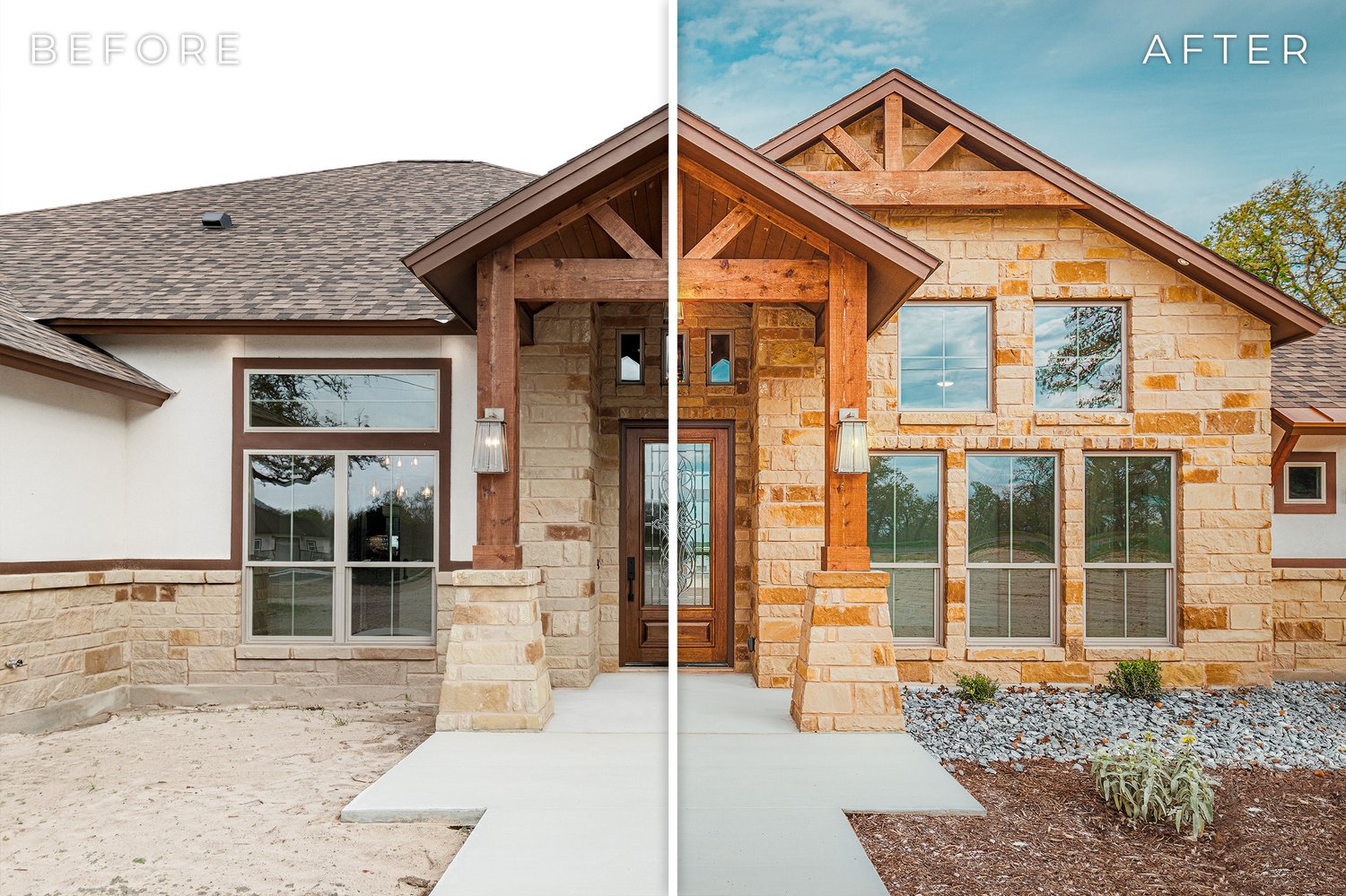
With a RAW file, you can often recover surprising amounts of detail.
Clouds reappear.
Trees regain texture.
Sky color returns.
With JPEG, those highlights may simply remain pure white forever.
Better Shadow Recovery
Real estate interiors frequently contain dark furniture, corners, cabinetry, and hallways.
RAW files preserve significantly more shadow information.
Instead of introducing heavy noise or muddy colors, photographers can brighten these areas naturally during editing.
This becomes especially valuable when processing HDR brackets.
White Balance Flexibility
Homes rarely contain a single type of lighting.
One room may include:
- Daylight
- LED lighting
- Tungsten bulbs
- Decorative fixtures
- Under-cabinet lighting
JPEG permanently applies white balance before saving the image.
RAW does not.
This means you can accurately adjust white balance afterward without degrading image quality.
Professional editors depend on this flexibility every day.
Professional Tip
Don't worry if the RAW image initially appears flat or slightly dull. That's exactly what you want. A neutral file provides maximum flexibility for creating a polished final photograph.
Why RAW Is Essential for HDR
HDR photography combines multiple bracketed exposures.
Each exposure contributes information.
If those source images have already been compressed into JPEG format, valuable highlight and shadow detail has already been discarded.
RAW preserves substantially more information for HDR software to work with.
The result is:
- Cleaner blends
- Better windows
- Less noise
- More accurate colors
- More natural photographs
HDR and RAW work together.
Professional HDR begins with RAW files.
RAW Files Produce Better Color
Color accuracy is critical in real estate photography.
Clients expect:
- White cabinets to appear white.
- Hardwood floors to retain their warmth.
- Stone fireplaces to look natural.
- Paint colors to remain faithful.
RAW files provide much greater latitude for color correction than JPEGs.
This is especially important when multiple light sources create unwanted color casts throughout the home.
But Aren't RAW Files Larger?
Yes.
RAW files require more storage.
However, storage has become remarkably inexpensive.
The cost of additional storage is insignificant compared to the value of preserving image quality.
Professional photographers never sacrifice editing flexibility simply to save hard drive space.
Should You Shoot RAW + JPEG?
Some photographers do.
There are situations where having immediate JPEG previews can be convenient.
However, for most real estate photographers, RAW alone is sufficient.
It simplifies file management while preserving maximum quality.
Common Beginner Mistakes
Believing RAW Looks Worse
RAW files are intentionally neutral.
They're designed to be edited—not delivered directly from the camera.
Trusting the Camera Preview
The image displayed on your camera's LCD is a processed preview.
It does not fully represent the information contained inside the RAW file.
Shooting JPEG to Save Space
Storage is inexpensive.
Lost image information is permanent.
Trying to Rescue Poor Exposures
RAW provides impressive flexibility—but it isn't magic.
Good exposure remains the foundation of excellent photography.
Professional Insight
One of the biggest differences between amateur and professional photographers is that professionals expose with the edit already in mind. They understand that the final image is created through the entire workflow, not just in the camera.
Frequently Asked Questions
Can clients receive RAW files?
Most photographers deliver finished JPEG images.
RAW files remain part of the photographer's working files.
Are RAW files sharper?
Not directly.
RAW files simply preserve more information, allowing for higher-quality sharpening during post-processing.
Does RAW improve HDR?
Absolutely.
RAW files provide HDR software with more highlight and shadow information, producing cleaner, more natural blends.
Should beginners shoot RAW?
Yes.
Learning RAW from the beginning develops better editing habits and produces higher-quality work over time.
Do all cameras support RAW?
Nearly every interchangeable-lens camera offers RAW capture, although the specific file format varies by manufacturer.
Continue Learning
Now that you understand why professionals always capture RAW files, the next step is learning how to process them efficiently.
A streamlined editing workflow transforms those RAW files into bright, natural, market-ready images that help homes stand out online.
Continue your training with:
📘 Complete Course
Real Estate Photography Training Course
Comments ()