

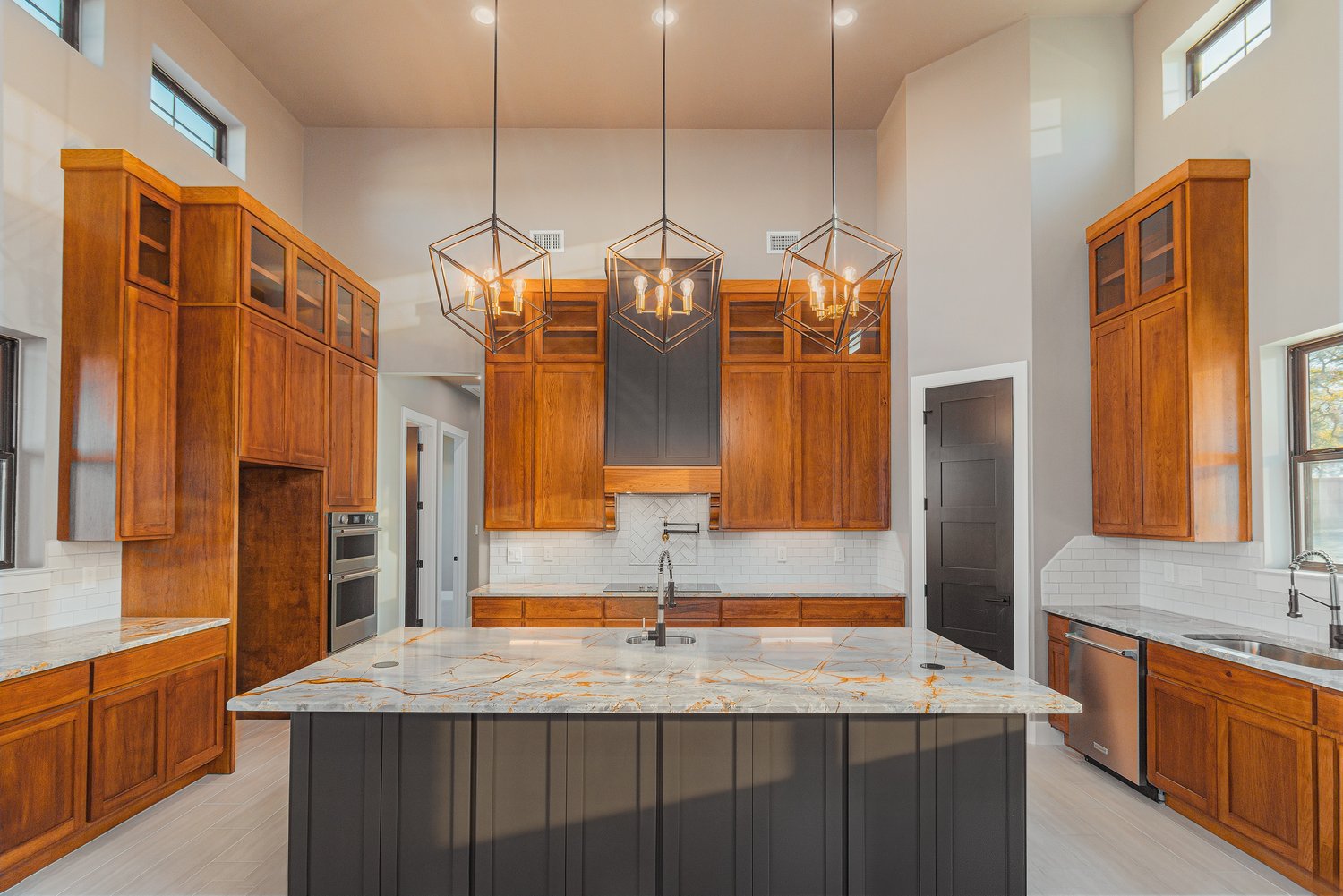
Introduction
A strong photography project can keep marketing your business long after the client has downloaded the gallery.
Most photographers barely use that opportunity.
A property gets photographed.
The images are delivered.
Three favorites go on Instagram.
Maybe one image makes the portfolio.
Then the project disappears into the archive.
That can make sense for an ordinary listing, but some projects contain much more marketing value.
A difficult twilight shoot may show how you solve technical problems.
A builder project can demonstrate a relationship that developed over several construction stages.
A commercial property may show that you understand loading areas, aerial context, site access, and the way brokers actually market commercial real estate.
An architectural shoot may demonstrate your ability to slow down, collaborate with a designer, control perspective, and produce a smaller set of images intended to remain useful for years.
A case study gives those images context.
Instead of showing a prospective client one beautiful photograph and expecting them to understand everything behind it, you explain the assignment, the challenge, the decisions you made, and the final result.
That makes the photography easier to evaluate.
It also makes your website more useful.
Google’s current Search guidance emphasizes helpful, reliable, people-first content that demonstrates first-hand experience and gives readers enough information to accomplish what they came for. Google also specifically encourages accurate authorship and evidence showing how work was produced. A real project case study fits that model naturally because it is built around experience you actually had rather than generic advice written only to target a keyword.
This chapter covers how to choose projects worth documenting, build the story, select photographs, write the page, handle client privacy and licensing, prepare images for search, create a useful call to action, and turn one finished project into several weeks of marketing without repeating the same post everywhere.
Table of Contents
- Understand What a Photography Case Study Is
- Separate a Case Study From a Portfolio Gallery
- Choose Projects That Have a Story
- Do Not Wait for Only Luxury Properties
- Start With the Client and Business Problem
- Identify the Project Type Clearly
- Record Project Details Before You Forget Them
- Save Behind-the-Scenes Material
- Build the Case Study Around a Simple Narrative
- Write a Strong Project Title
- Open With the Assignment
- Explain the Challenge
- Show the Decisions You Made
- Explain the Final Media Package
- Choose Images That Move the Story Forward
- Use Before-and-After Material Carefully
- Include Technical Details Only When They Help
- Show Your Process Without Writing a Camera Manual
- Include the Client Perspective When Available
- Handle Results Without Inventing Performance Claims
- Ask for Useful Testimonials
- Create a Strong Final Call to Action
- Build Case Studies for Residential Agents
- Build Case Studies for Builders
- Build Case Studies for Architects and Designers
- Build Case Studies for Commercial Real Estate
- Build Case Studies for Vacation Rentals
- Build Case Studies for Construction Projects
- Use Case Studies to Sell Specialized Services
- Create a Project Page That Helps Search Engines Understand the Work
- Write Useful Image Alt Text
- Use Descriptive Image File Names
- Connect Case Studies to the Rest of Your Website
- Repurpose One Case Study Into Social Content
- Turn a Project Into an Instagram Carousel
- Turn a Project Into Short-Form Video
- Turn a Project Into an Email or Client Follow-Up
- Turn a Project Into a Sales Example
- Build a Case Study Library Over Time
- Create a Repeatable Case Study Workflow
- Decide Which Projects Should Stay Private
- Confirm Licensing and Portfolio Rights
- Avoid Oversharing Client Information
- Measure Whether Case Studies Are Working
- Common Case Study Mistakes
- Frequently Asked Questions
Understand What a Photography Case Study Is
A portfolio shows what your work looks like.
A case study explains how your work solves a problem.
Those are related, but they perform different jobs.
A visitor looking at a portfolio gallery may see:
- Beautiful exterior
- Clean kitchen
- Twilight
- Drone photograph
- Detail image
They can decide whether they like your photography.
They still may not understand:
- Who hired you
- Why the project mattered
- What services were required
- What challenges existed
- How you planned the shoot
- What the client received
- Whether you can handle a similar project for them
A case study fills in those gaps.
The images remain important.
The story gives those images commercial meaning.
Professional Tip
When choosing material for a case study, ask: What does this project prove about the way I work that a single portfolio image cannot prove by itself?
Separate a Case Study From a Portfolio Gallery
A portfolio gallery is usually selective and visual.
A case study should still be visual, but it contains a beginning, middle, and end.
Consider a custom builder project.
A gallery might contain twenty finished photographs.
A case study might explain:
The Assignment
Photograph a completed custom home for the builder’s portfolio, website, social channels, and future client presentations.
The Challenge
The home had strong west-facing glass, a major indoor-outdoor relationship, and several materials that depended heavily on late-day light.
The Approach
The schedule was built around interior daylight first, exterior architecture later, and twilight at the end.
The Deliverables
Finished architectural stills, drone coverage, twilight photography, and vertical social images.
The Result
A coordinated project gallery the builder could use across several parts of its marketing.
That tells a potential builder much more about your value than one exterior photograph.
Choose Projects That Have a Story
Not every shoot needs a full case study.
Choose projects with something worth explaining.
Good candidates include:
- First project for a new service
- High-end custom home
- Builder project photographed over time
- Difficult lighting situation
- Commercial property
- Large acreage
- Vacation rental transformation
- Renovated property
- Architectural assignment
- Multi-service listing
- Construction documentation
- Challenging twilight
- Property requiring advanced editing
- Recurring-client relationship
The strongest story may come from the production challenge.
It may come from the client relationship.
It may come from the property.
Look for something another potential client would recognize in their own situation.
Do Not Wait for Only Luxury Properties
A case study does not require a ten-million-dollar house.
A normal property can demonstrate a valuable system.
Suppose an agent calls at 10:00 in the morning with a listing that needs to launch the next day.
The home is occupied.
The weather is changing.
The agent needs:
- Photography
- Drone
- Floor plan
- Vertical video
You coordinate the schedule, complete the shoot that afternoon, deliver the media on time, and the property launches as planned.
That story demonstrates:
- Scheduling
- Reliability
- Multi-service production
- Client communication
- Turnaround
A high-volume agent may care more about those qualities than whether your portfolio contains another enormous kitchen.
Case studies should represent the clients you want.
Common Mistake
Building a website that makes it look like you only photograph luxury homes when most of the clients you want actually need dependable media for normal residential listings.
Start With the Client and Business Problem
The easiest case study structure begins with the client’s situation.
Do not begin with:
I used a 16–35mm lens at f/8.
Begin with what needed to happen.
For example:
A custom builder had completed a home intended to become one of the main projects in its new portfolio. The finished media needed to show the overall architecture, craftsmanship, outdoor living areas, and several details the company regularly discusses with prospective clients.
Now the reader understands why the assignment existed.
The camera decisions can come later.
Identify the Project Type Clearly
Tell readers what kind of project they are viewing.
Examples:
Residential Listing Media
Photography, drone, floor plan, and vertical video for a new residential listing.
Builder Portfolio Photography
Completed-home architectural photography for a custom builder.
Commercial Property Media
Photography, aerial coverage, and video for a warehouse or office listing.
Vacation Rental Refresh
Updated photography after furniture, amenity, or design changes.
Construction Documentation
Progress photography and drone coverage across several construction stages.
Clear categories help clients find work relevant to them.
They also help organize your website as the case-study library grows.
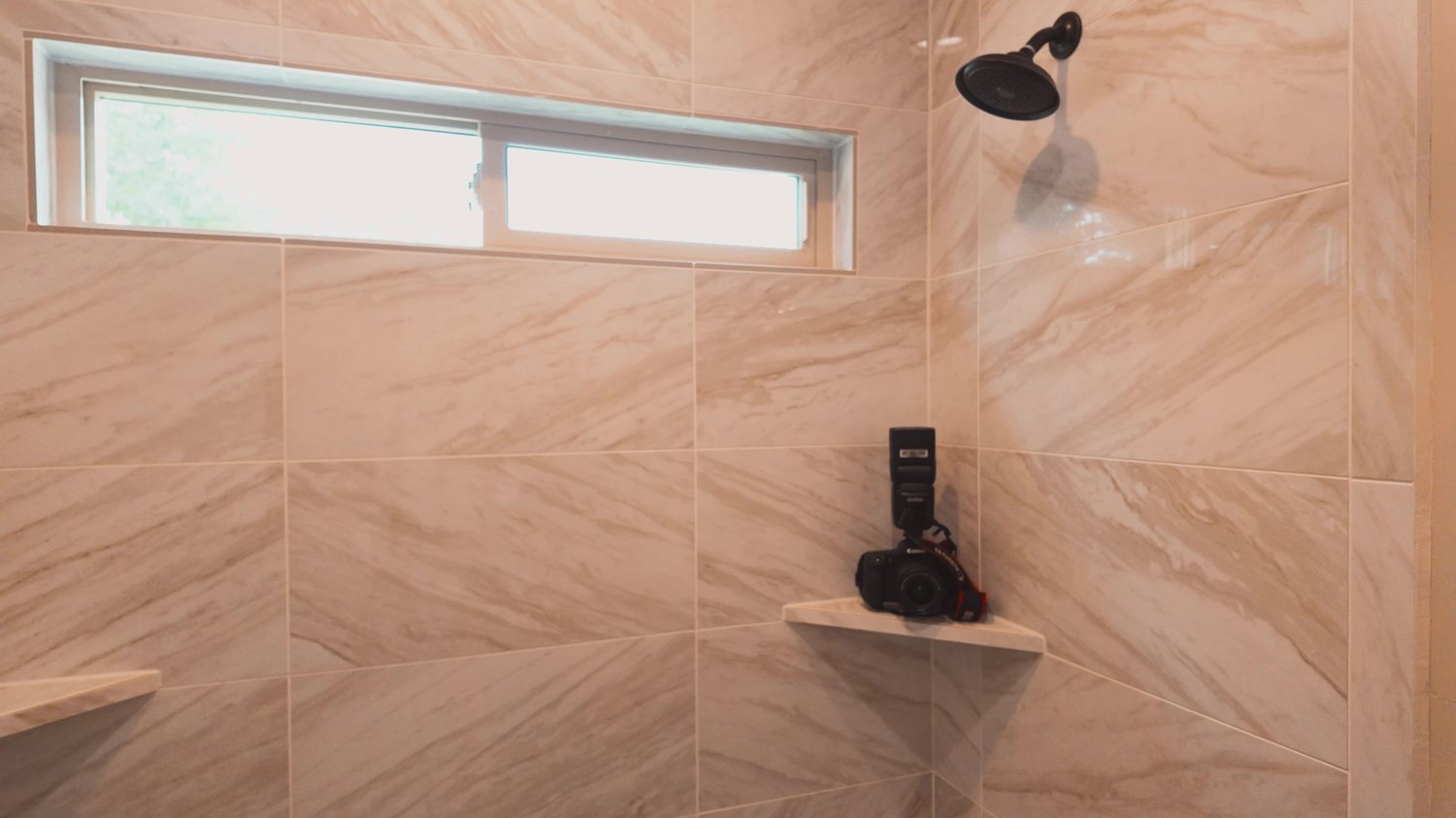
Record Project Details Before You Forget Them
A photographer remembers much more about a project on the day it happens than six months later.
Keep brief notes.
Record:
- Client type
- Property type
- Services
- Date
- Main challenge
- Interesting decision
- Special request
- Weather
- Light
- Production time
- Deliverables
- Client feedback
- Permission status
You do not need to write the article on the day of the shoot.
Capture enough information that the story still exists when you return later.
A small project note inside your CRM or project folder is enough.
Save Behind-the-Scenes Material
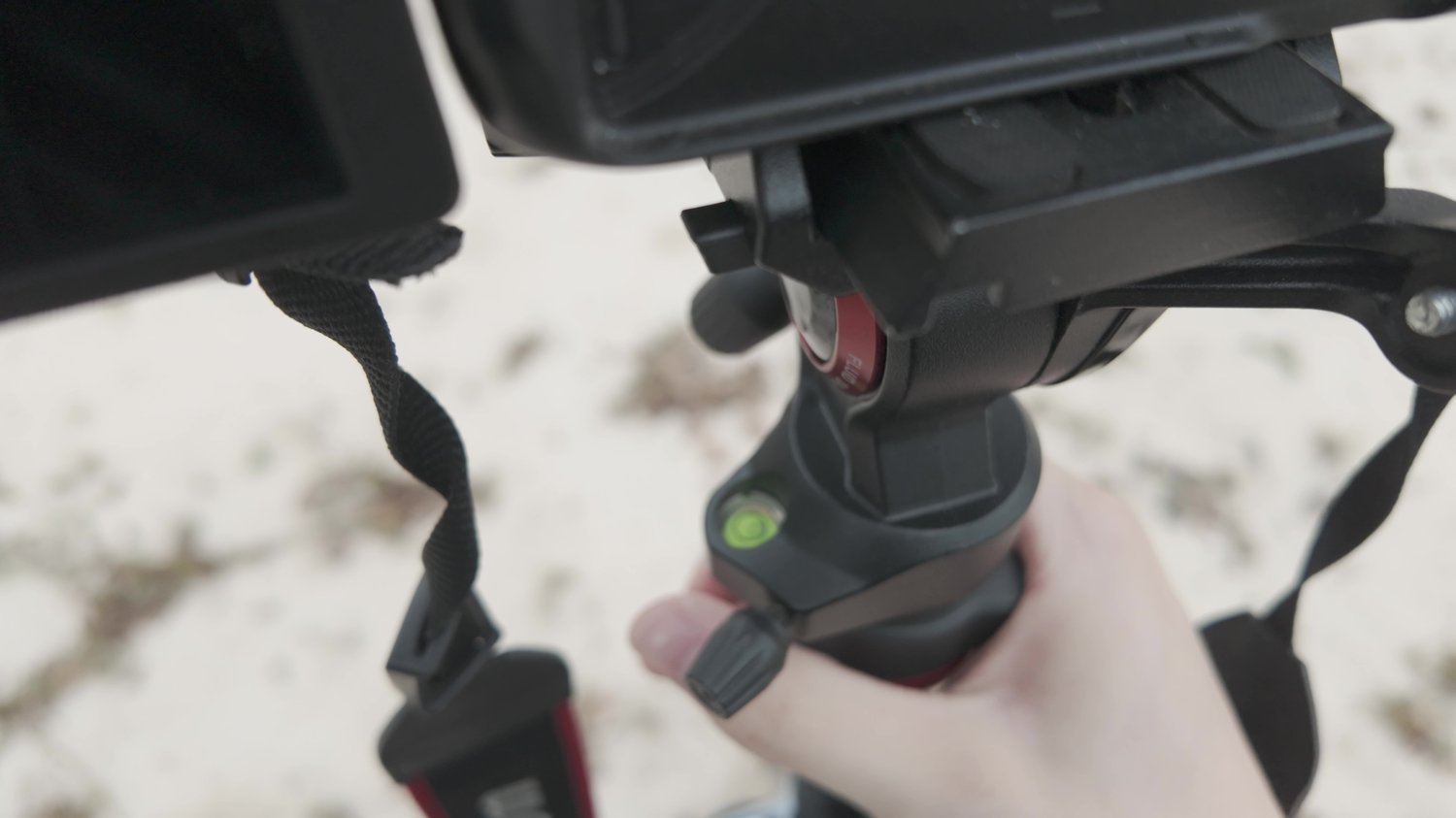
Behind-the-scenes material makes case studies much stronger.
Useful material may include:
- Camera setup
- Tripod position
- Drone launch
- Lighting setup
- Empty room before styling
- Construction stage
- Floor plan
- Contact sheet
- Editing screen
- Before/after comparison
Do not interrupt the shoot constantly to create content.
A few intentional phone photographs can be enough.
Those images give the reader evidence of the process.
They are especially useful when selling technical services such as:
- Flambient
- Twilight
- Construction progress
- Commercial media
- Architectural photography
- Video
- Drone
Build the Case Study Around a Simple Narrative
You do not need an elaborate storytelling formula.
Use five parts.
1. The Project
What was being photographed?
2. The Client Need
What did the client need the media to accomplish?
3. The Challenge
What made the assignment interesting, difficult, or different?
4. The Approach
How did you solve it?
5. The Final Media
What did the client receive?
That structure is enough for most real estate-media case studies.
Write a Strong Project Title
The title should describe the project clearly.
Avoid titles such as:
Recent Shoot
or:
Amazing Property
Those tell the reader nothing.
Better titles include:
Photographing a Custom Home for a Builder Portfolio
Residential Listing Media Package With Photography, Drone, and Floor Plan
Commercial Warehouse Photography and Drone Coverage
Documenting a Custom Home From Framing Through Completion
Vacation Rental Photography After a Full Interior Renovation
The reader immediately knows whether the page is relevant.
Google’s current people-first content guidance also recommends descriptive page titles that accurately summarize the content rather than relying on exaggerated or vague headlines.
Open With the Assignment
The first paragraph should orient the reader quickly.
A useful opening may contain:
- Client category
- Property type
- Location at an appropriate level
- Media requested
- Primary purpose
For example:
A custom builder needed a finished media package for a recently completed residence. The images would be used across the builder’s website, portfolio, social channels, and future sales presentations, so the project needed more deliberate architectural coverage than a normal residential listing.
That gives the page direction.
Explain the Challenge
Challenges make projects interesting.
They also show your judgment.
Examples include:
- Harsh sun
- Small rooms
- Mixed lighting
- Reflective materials
- Large windows
- View preservation
- Complex exterior orientation
- Weather
- Construction schedule
- Occupied property
- Large commercial site
- Multiple buildings
- Twilight timing
- Long travel
- Tight launch deadline
Do not exaggerate normal working conditions into a crisis.
Explain what actually mattered.
Show the Decisions You Made
This is where experience becomes visible.
Suppose the front exterior looked poor in the morning.
Explain that you scheduled interior photography earlier and returned to the front after the sun moved.
Suppose a commercial building was difficult to understand from ground level.
Explain why aerial coverage became important.
Suppose the interior designer needed both complete room views and craftsmanship details.
Explain why the shot list included wide spatial frames and more focused material compositions.
Those explanations teach the reader what you notice.
That is valuable marketing.
Explain the Final Media Package
Show what the project included.
Do not turn the section into a price menu.
Explain how the pieces worked together.
For example:
The final package included architectural still photography, twilight exteriors, drone coverage, and a small set of vertical compositions for social use. The builder therefore received one coordinated media library rather than hiring separate vendors for each format.
That demonstrates service depth naturally.
Choose Images That Move the Story Forward
Do not place every delivered photograph into the case study.
Use images with different roles.
A strong sequence might include:
- Hero image
- Wide establishing image
- Important interior
- Relationship between spaces
- Detail
- Exterior
- Drone
- Twilight
- Behind-the-scenes image
Each image should add information.
If five kitchen photographs show nearly the same thing, choose one or two.
The case study should feel edited.
Use Before-and-After Material Carefully
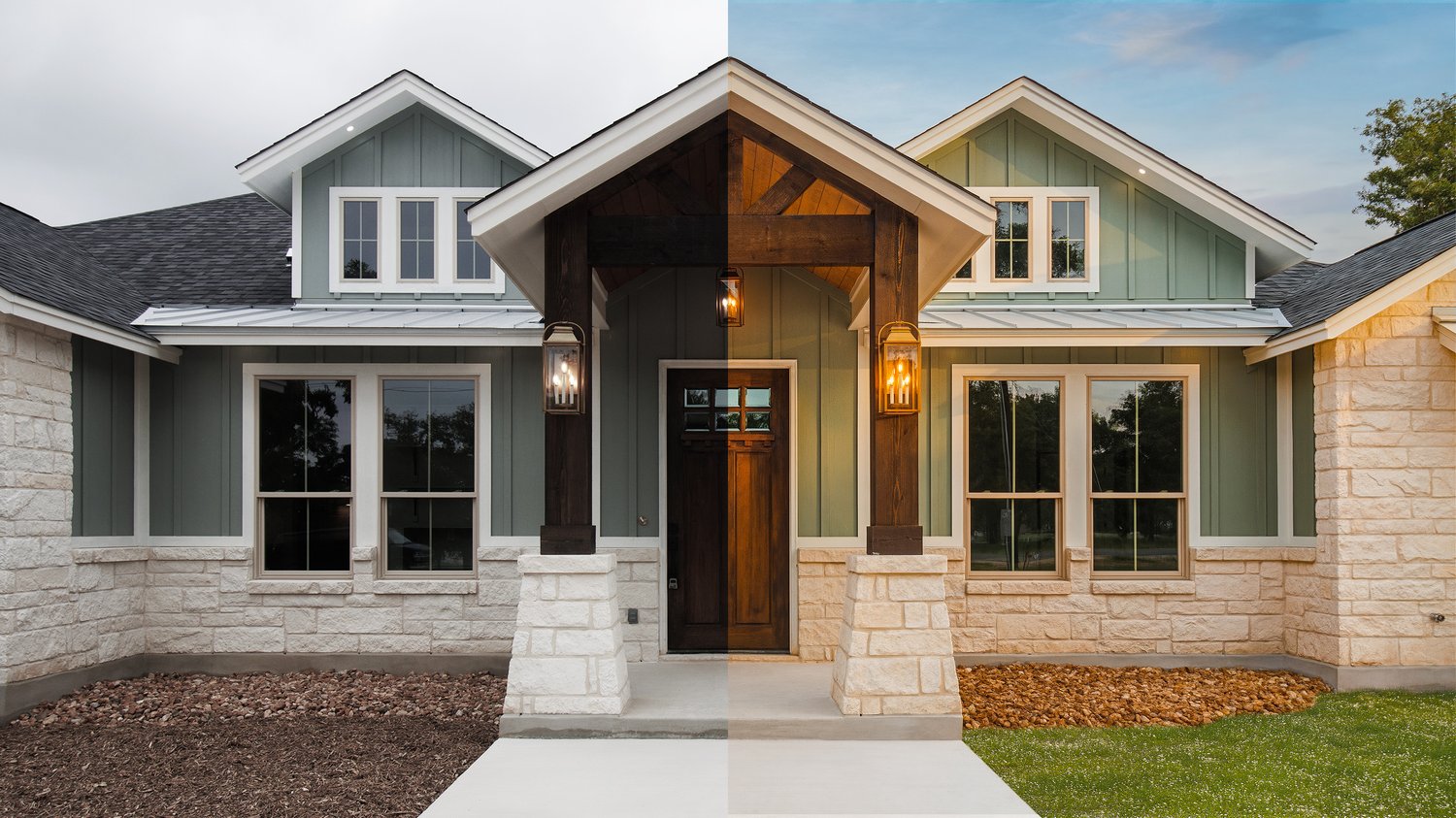
Before-and-after examples can be powerful when they show a real process.
Good examples include:
- RAW to final edit
- Day exterior to twilight
- Empty construction stage to completed project
- Original room to renovated room
- Unstyled to styled composition
- Basic listing frame to refined architectural composition
Label the comparison accurately.
Do not imply that a normal correction created a physical improvement to the property.
When showing heavy retouching, virtual staging, or conceptual work, identify what changed.
Include Technical Details Only When They Help
Technical information can support credibility.
It can also distract the client.
A builder probably does not need to know:
ISO 100, 1/8 sec, f/7.1, 18mm.
A photographer studying your work may care.
Your prospective builder client usually cares more about why you photographed the room from that position.
Useful technical explanations might include:
- Why a longer focal length was chosen
- Why twilight was scheduled
- Why drone coverage mattered
- Why several exposures were blended
- Why window exposure needed control
Explain technique in terms of the result.
Show Your Process Without Writing a Camera Manual
A good case study can teach without becoming a tutorial.
For example:
The primary living area faced a bright exterior view, so I captured enough exposure information to preserve the interior while retaining detail outside the windows. The final edit keeps the view readable without making the windows unnaturally dark.
That tells the client something about your standards.
A full HDR workflow belongs elsewhere in the Knowledge Base.
Case studies should demonstrate expertise while keeping the project at the center.
Include the Client Perspective When Available
A short client quote can strengthen the page.
Ask for something specific.
Instead of:
Can you leave me a review?
try:
Was there anything about the photography process or final media that made marketing the project easier?
That may produce a more useful answer.
A good testimonial can describe:
- Reliability
- Communication
- Quality
- Turnaround
- Understanding of the project
- Ease of ordering
- Media usefulness
One specific sentence is more convincing than several vague compliments.
Handle Results Without Inventing Performance Claims
This is important.
Do not write:
The photography sold the house in three days.
unless you have evidence and the client agrees that the claim is accurate.
Many factors affect:
- Sale
- Price
- Rental booking
- Lead volume
- Website traffic
You can still discuss factual results.
Examples:
The listing launched the following morning with the complete media package.
The builder selected several images for its portfolio.
The architect used the project images for an award submission.
The commercial broker requested the same media package for another property.
Those statements describe real outcomes without overstating causation.
Professional Tip
The strongest case studies usually prove your process, reliability, and ability to understand the client. You do not need inflated marketing statistics to make the project valuable.
Ask for Useful Testimonials
Request feedback soon after a successful project.
The client remembers the process clearly.
Ask questions such as:
- What did you need from the project?
- What part of the process worked especially well?
- How are you using the final media?
- Would you hire us for a similar project again?
You do not need all four answers.
One strong observation can become the testimonial.
Get permission before publishing the client’s name, company, or quote.
Create a Strong Final Call to Action
The case study should lead somewhere.
A builder project should invite builders.
An agent project should invite agents.
A commercial project should invite commercial clients.
For example:
If you are a builder preparing a completed project for your website, portfolio, or future marketing, REPT’s builder and architectural resources can help you understand how professional project coverage differs from standard listing photography.
For photographers reading the educational case study, send them to the relevant training path.
Beginners can start with the Free REPT First Listing Starter Kit:
Photographers ready for the complete capture and editing process can continue through the full Real Estate Photography Training course:
A useful case study begins with a real project completed well.
Complete Real Estate Photography Training
For the deeper training path through equipment, exterior photography, interiors, editing, delivery, and professional workflow:
Google Search Central — Creating Helpful, Reliable, People-First Content
Google Search Central — “Image SEO Best Practices”
Current Google guidance covering image discoverability, descriptive filenames, relevant surrounding text, image titles, and useful alt text. Accessed August 22, 2026.
Google Search Central — Image SEO Best Practices
Google Search Central — “Google Search Essentials”
Current guidance covering core Search technical requirements and key best practices, including people-first content and descriptive language in titles, headings, alt text, and links. Accessed August 22, 2026.
Google Search Central — Search Essentials
Google Search Central — “SEO Link Best Practices for Google”
Current guidance covering crawlable links and descriptive, relevant anchor text. Accessed August 22, 2026.
Comments ()