

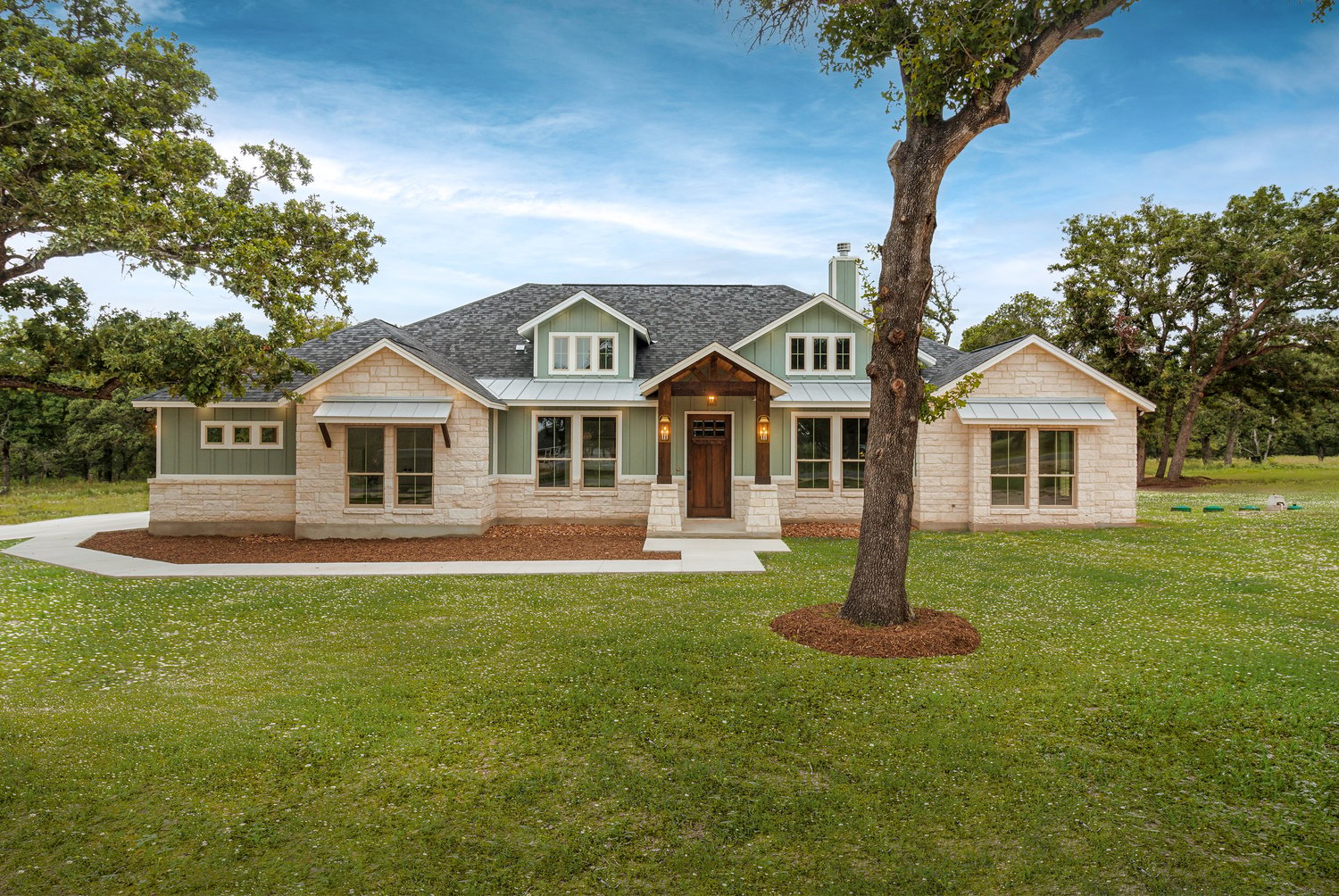
How to Train Photographers, Calibrate Editing, Audit Finished Work, Reduce Reshoots, Build Specialty-Service Qualifications, and Keep the Client Experience Consistent as the Team Grows
Knowledge Base ID: Business 17
Series: Business Development, Team Growth & Quality Control
Difficulty: Advanced
Estimated Reading Time: 34 Minutes
Last Updated: August 24, 2026
Author: Malachi Gobart
Founder, Real Estate Photography Training
Introduction
The first photographer you train usually exposes something uncomfortable about your own workflow.
You know how you photograph a kitchen.
You know which corner feels wrong.
You know how high the tripod should be when an island dominates the foreground.
You know when the exterior is too wide.
You know when a window pull looks unnatural.
You know when a room needs one more angle.
Then another photographer asks:
How do I know?
That question is the beginning of quality control.
A solo photographer can rely heavily on instinct because the person making the creative decisions is also the person responsible for the finished product.
A multi-photographer company cannot work that way indefinitely.
The business needs a visual standard that can be taught, observed, measured, corrected, and eventually reproduced without the owner standing behind every camera.
That does not mean forcing every photographer to become a machine.
Good photographers need judgment.
Properties vary too much for a rigid script to solve everything.
The purpose of training is to give photographers a reliable base from which that judgment can develop.
Quality control then answers a second question:
Is the system producing the work we intended it to produce?
That question applies to far more than image aesthetics.
A photographer may produce attractive photographs while:
Missing rooms
Arriving late
Uploading incomplete files
Forgetting drone coverage
Ignoring client notes
Creating excessive editing work
Delivering inconsistent framing
Mishandling property access
Making inaccurate generative edits
Communicating poorly with clients
A mature quality system looks at the complete client experience.
The goal is to build a company where an agent can book Photographer A on Monday and Photographer B on Thursday and still recognize the same level of care, photography, editing, delivery, and professionalism.
This chapter explains how I would build that system.
IN THIS GUIDE
• Defining and documenting quality
• Building a photographer training ladder
• Standardizing capture and editing
• Qualifying specialty services
• Creating a scalable quality-control workflow
• Coaching, scorecards, and calibration
• A practical 60-day qualification plan
• Common mistakes and frequently asked questions
Define What Quality Means
Separate Brand Standards From Personal Style
Create a Visual Reference Library
Build the Training Ladder
Start With Standard Residential Photography
Train Camera Position Before Camera Settings
Standardize Interior Coverage
Standardize Exterior Coverage
Define Acceptable Focal-Length Behavior
Define Camera-Height Principles
Standardize Bracketing and Capture Files
Teach Property Preparation Judgment
Teach the Walkthrough Before the First Exposure
Train Photographers to See Missing Coverage
Create Service-Specific Qualifications
Qualify Drone Operators Separately
Qualify Video Separately
Qualify Twilight Separately
Qualify Builder, Commercial, and Architectural Work Separately
Build an Editing Standard
Calibrate Editors With Reference Projects
Control Windows, Color, and Brightness Consistently
Add Accuracy to the Quality Standard
Create a Pre-Delivery Quality-Control Checklist
Review Every Project During Early Training
Move From Full Review to Sampling
Build a Photographer Scorecard
Track Reshoots by Cause
Track Editing Difficulty
Track Client Feedback Without Overreacting to One Opinion
Run Calibration Sessions
Use Side-by-Side Reviews
Correct Patterns Rather Than Isolated Frames
Create a Coaching Process
Know When Retraining Is Needed
Know When a Photographer Is Ready for More Responsibility
Keep Great Photographers From Drifting Away From the Standard
Create Cross-Photographer Consistency Without Killing Judgment
Build Quality Control Into the Workflow
Handle Mistakes Before the Client Finds Them
Build an Escalation System
Maintain Quality as Volume Increases
A Practical 60-Day Photographer Qualification Plan
Common Training and Quality-Control Mistakes
Frequently Asked Questions
Define What Quality Means
Before you can measure quality, you need to define it.
That definition should include several dimensions.
Technical Quality
The files are:
Sharp where they should be
Properly exposed
Correctly bracketed
Free from avoidable blur
Suitable for the editing workflow
Compositional Quality
The photography uses:
Appropriate camera height
Controlled perspective
Useful focal lengths
Clean edges
Deliberate room relationships
Strong exterior angles
Coverage Quality
The gallery contains the spaces and features the client reasonably expected.
Editing Quality
The final files maintain:
Consistent brightness
Natural color
Clean verticals
Reasonable windows
Controlled saturation
Appropriate retouching
Accuracy
The finished media remains a trustworthy representation of the property.
Operational Quality
The photographer:
Arrives appropriately
Reads project notes
Completes ordered services
Uploads files correctly
Communicates problems
Protects access information
Client Experience
The client experiences one professional company rather than a collection of unrelated freelancers.
That entire system is quality.
Professional Tip
If your quality standard only describes how bright the final JPEG should look, it is incomplete. A perfect JPEG delivered from an incomplete or poorly managed shoot is still a failed project.
Separate Brand Standards From Personal Style
A multi-photographer company needs room for judgment.
It also needs boundaries.
For example, two photographers may choose slightly different exterior angles.
That can be fine.
One photographer delivering dark architectural interiors while another delivers extremely bright listing imagery creates a brand problem.
Decide which characteristics belong to the company.
These may include:
Overall brightness
Natural color
Vertical correction
Typical camera height
Normal width
Coverage expectations
Window treatment
Exterior sky treatment
Delivery structure
Then identify where personal judgment is welcome.
Examples include:
Which secondary angle works best
Which detail is interesting
Whether an unusual property deserves another exterior
How to solve a difficult small room
The standard should create consistency without replacing thought.
Create a Visual Reference Library
Words are useful.
Photographs train photographers faster.
Build a reference library containing your own approved work.
Organize it by property area.
Living Rooms
Show:
Preferred height
Good width
Strong two-point composition
Strong one-point composition
Useful relationship shots
Kitchens
Show:
Island height
Cabinet perspective
Wide coverage
Narrower architectural coverage
Adjacent-space relationships
Bedrooms
Show:
Normal corner compositions
Doorway compositions
Window balance
Small-room examples
Bathrooms
Show:
Mirror handling
Vanity height
Tight-space examples
Shower coverage
Exteriors
Show:
Main hero angles
Straight elevation
Rear coverage
Outdoor living
Property context
For each category, include both strong examples and common failures.
Photographers learn quickly when they can see:
Approved
beside:
Too wide
or:
Too high
or:
Weak edge
or:
Unnecessary duplicate
That library becomes one of the most valuable assets in the company.
Build the Training Ladder
Do not train every service simultaneously.
Use progression.
A practical ladder might look like this:
Level 1 — Standard Residential Stills
The photographer can independently complete a straightforward residential listing.
Level 2 — Residential Add-Ons
Floor plans, basic vertical content, or other standardized services.
Level 3 — Drone
Added after regulatory and company qualification.
Level 4 — Twilight
Requires stronger judgment around timing, exposure, property lighting, and client expectations.
Level 5 — Builder and Recurring Property Work
Requires consistency across visits and understanding of client priorities.
Level 6 — Commercial
Requires stronger site judgment and different coverage priorities.
Level 7 — Luxury and Architectural Assignments
Requires slower production, more refined composition, styling, and higher-level client collaboration.
Photographers do not need to reach every level.
The ladder tells you which assignments they are qualified to accept.
Start With Standard Residential Photography
Residential still photography is usually the best training environment.
The workflow repeats frequently.
You can teach:
Property walkthrough
Interior sequence
Exterior sequence
Bracketing
Tripod setup
Camera height
Focal length
Client interaction
File upload
Do not begin a trainee with the most expensive property in the portfolio.
Choose clean, manageable assignments.
A photographer should be allowed to concentrate on the production system before adding the pressure of:
Luxury client
Architect
Builder executive
Large acreage
Complex drone work
Broker presentation
Twilight deadline
Confidence should grow with responsibility.
Train Camera Position Before Camera Settings
New photographers often think technical settings create professional images.
Settings matter.
Camera position usually matters more.
The difference between an ordinary real estate photograph and a strong one can be:
Six inches left
Eight inches lower
One step backward
A narrower focal length
Slightly different wall balance
Teach photographers to look at the image before worrying about another piece of gear.
Ask:
Why is the camera here?
What is the main subject?
What happens at the edges?
Is furniture overlapping awkwardly?
Does the room feel believable?
Is the composition showing something the previous image did not?
That creates judgment.
Standardize Interior Coverage
Give photographers a default interior sequence.
For example:
Main Living Areas
One strong establishing view.
One useful reverse or relationship view.
Additional angle only when it adds information.
Kitchen
Overall room.
Island or main working relationship.
Connection to living or dining when important.
Primary Bedroom
Strong room overview.
Second angle when layout requires it.
Secondary Bedrooms
Usually one or two frames depending on size and features.
Bathrooms
Capture enough to explain:
Vanity
Shower
Tub
Spatial relationship
Avoid creating five nearly identical images because the photographer is unsure which one the client needs.
The standard provides enough coverage without encouraging overshooting.
Standardize Exterior Coverage
Exterior photography also needs a baseline.
A typical residential property may include:
Main front hero
Secondary front angle
Rear exterior
Outdoor living
Major amenities
Useful property context
Then adapt.
A corner lot may deserve more.
A five-acre property definitely deserves more.
A tightly packed townhome may require less.
Teach the normal sequence first.
Then teach the photographer why the property may justify an exception.
Define Acceptable Focal-Length Behavior
A company does not necessarily need everyone to photograph at the same exact focal length.
It does need a common understanding of perspective.
Extremely wide lenses create several problems:
Stretched furniture
Exaggerated room depth
Oversized foreground objects
Unnatural distance
More difficult edge management
Teach photographers to use the widest focal length when the room genuinely needs it.
Then move narrower when the space allows.
A kitchen photographed slightly tighter can often feel more expensive and more architectural because the proportions remain believable.
Common Mistake
Training a new photographer to “fit the whole room” instead of teaching them to create useful photographs of the room.
Define Camera-Height Principles
Avoid teaching one tripod height for every room.
Teach the reason behind the height.
Kitchen
Countertops and island surfaces matter.
Too low can hide them.
Too high can make the photograph feel detached from the room.
Bedroom
A slightly lower camera can often relate more naturally to the bed and furniture.
Bathroom
Mirror placement, vanity height, shower glass, and room size influence the decision.
Large Living Area
The camera height may need to balance furniture with ceiling and architectural volume.
Use visual examples.
Photographers should eventually be able to explain why they chose the height.
Standardize Bracketing and Capture Files
Editing becomes more predictable when capture behaves predictably.
Define:
RAW format
Bracket count
Exposure spacing
Normal ISO range
Aperture range
White-balance approach
Focus method
Lens profile expectations
File-transfer method
The exact settings depend on your workflow.
The important part is consistency.
If Photographer A delivers three-frame brackets at one spacing and Photographer B sends five frames with changing intervals, editors must repeatedly adapt.
Create a default.
Document exceptions.
Teach Property Preparation Judgment
A photographer needs to know how much property preparation belongs to them.
They may reasonably:
Straighten pillows
Turn on lights
Open appropriate blinds
Move one small trash can
Adjust a chair
Close toilet lids
They probably should not spend forty minutes cleaning a kitchen while the rest of the day falls behind.
Define the boundary.
When a property is substantially unprepared, the photographer should know how to:
Assess the problem.
Communicate it.
Photograph what can reasonably be completed.
Escalate when the condition affects the assignment materially.
This is client service and production management at the same time.
Teach the Walkthrough Before the First Exposure
One of the best habits a trainee can develop is walking the property before setting the first tripod position.
The walkthrough reveals:
Property layout
Best spaces
Missing lights
Preparation problems
Locked rooms
Exterior conditions
Special client notes
Outbuildings
Amenities
It also helps the photographer build the shooting order.
Without a walkthrough, photographers frequently discover an important room after they thought the shoot was complete.
Five minutes at the beginning can save a return trip later.
Train Photographers to See Missing Coverage
A technically good gallery can still fail because something was omitted.
Create a departure check.
Before leaving, the photographer should mentally or digitally confirm:
Front
Rear
Living
Kitchen
Dining
Primary bedroom
Primary bathroom
Secondary bedrooms
Secondary bathrooms
Laundry
Office
Garage when required
Outdoor living
Pool
Detached structures
Ordered specialty services
The exact list varies by property.
The habit should not.
The final walkthrough is cheap.
The return trip is expensive.
Create Service-Specific Qualifications
Selling a service and knowing how to perform it are different things.
Do not assign a service because someone watched one tutorial.
Create qualification requirements.
For each specialty service, define:
Knowledge
Does the photographer understand the process?
Practical Test
Can they perform it on a real property?
File Review
Are the files technically usable?
Client Readiness
Can they complete the service without supervision?
Ongoing Qualification
Does performance remain at the standard?
This system protects both the client and the photographer.
Qualify Drone Operators Separately
Drone work includes creative and regulatory responsibilities.
The FAA’s current Part 107 guidance requires a Remote Pilot Certificate for pilots operating under Part 107, and certificated remote pilots must complete appropriate recurrent training within the previous 24 calendar months to maintain aeronautical-knowledge recency.
FAA
+1
Company qualification should go further.
Review:
Airspace planning
Weather judgment
Preflight procedure
Battery margins
Safe takeoff location
Property coverage
Exposure
RAW capture
Video movement
File handoff
Emergency judgment
A Part 107 certificate establishes regulatory qualification.
It does not automatically establish your company’s visual standard.
Qualify Video Separately
Still photography skill does not automatically create strong video.
Video qualification should evaluate:
Camera movement
Stabilization
Exposure
White balance
Frame rate
Vertical composition
Shot variety
Property flow
Audio when applicable
File organization
A photographer may be excellent at stills and need weeks of practice before client-facing video work.
That is normal.
Do not make every skill an all-or-nothing judgment of the person.
Qualify the service.
Qualify Twilight Separately
Twilight creates time pressure.
There is usually one narrow window when:
Exterior ambient light
Interior lighting
Pool lighting
Landscape lighting
Sky
work together.
A trainee cannot simply return tomorrow five minutes later if the shot is missed.
Before approving twilight assignments, confirm that the photographer can manage:
Timing
Exterior setup
Property lighting
Bracketing
Reflections
Pool
Interior visibility
Final hero compositions
Practice on lower-risk properties first.
Qualify Builder, Commercial, and Architectural Work Separately
These clients often care about different information than listing agents.
A builder may care about craftsmanship.
A commercial broker may care about loading, access, parking, and location.
An architect may care about geometry, light, site, and material relationships.
A photographer producing excellent residential listings may still need additional training before handling those assignments.
Specialization deserves its own qualification.
The photographer should understand the client before the camera comes out.
Build an Editing Standard
Photography consistency can be lost entirely in post-production.
Create a reference set showing your expected finished look.
Define the acceptable range for:
Interior brightness
Window brightness
White balance
Wood tone
Wall color
Saturation
Contrast
Exterior grass
Sky
Perspective
Object removal
Twilight color
Then create examples of common failures.
Too Bright
Walls lose texture and rooms begin feeling washed out.
Too Warm
Neutral materials turn yellow.
Too Blue
Window light contaminates walls and cabinetry.
Windows Too Dark
The image begins looking artificially composited.
Exterior Too Saturated
Grass and sky stop looking believable.
Editors need targets.
“Make it look like our brand” is not a useful editing instruction until the brand has been demonstrated visually.
Calibrate Editors With Reference Projects
Choose several representative projects.
For example:
Bright modern home
Warm traditional home
Dark interior
Mixed-light property
Strong-window property
Twilight
Drone
Have the editor process them.
Compare the result with your approved reference.
Discuss differences.
Then repeat.
This creates a common visual language.
Calibration should happen before the editor is handling thirty client projects every night.
Control Windows, Color, and Brightness Consistently
Three areas often reveal differences between photographers and editors immediately.
Windows
Decide how much exterior detail is normal.
The answer may vary by property, but the company should have a recognizable range.
Color
Neutral surfaces should remain reasonably neutral.
Material color matters.
Brightness
Bright does not mean white.
Rooms should retain enough shadow and tonal separation to feel dimensional.
Build references around those three areas first.
They influence almost every interior image.
Add Accuracy to the Quality Standard
Real estate media has another quality requirement that many creative businesses do not have to think about as often:
The viewer may make decisions about a physical property based on the images.
That makes accuracy part of quality control.
Zillow’s current guidance says listing photographs should accurately represent the home and warns specifically against generative AI being used to add or alter property features in ways that mislead shoppers. Zillow also supports clear disclosure for materially altered images and uses side-by-side original imagery in its own virtual-staging experience.
Zillow
Your internal review should therefore check for editing that changes factual property information.
Watch for:
Generated landscaping
Altered architecture
Extended driveway
Added windows
Changed views
Enlarged rooms
Removed permanent features
Incorrect virtual staging
AI-generated objects crossing property boundaries
A clean edit that misrepresents the house is still a bad deliverable.
Professional Tip
Add one line to the QC checklist: Does anything in this image materially change what exists at the property? That question will become more important as generative editing tools improve.
Create a Pre-Delivery Quality-Control Checklist
Quality control should be fast enough to happen on every project.
A practical review may include:
Coverage
Are all required rooms and services present?
Technical
Are files sharp and properly finished?
Perspective
Are obvious vertical problems corrected?
Color
Do rooms remain believable and consistent?
Windows
Are important views handled appropriately?
Retouching
Were inappropriate permanent features removed?
Drone
Is aerial coverage complete where ordered?
Video
Is the correct version present?
Naming
Are files organized correctly?
Client Notes
Were special instructions followed?
The checklist becomes shorter in practice because many checks happen visually in seconds.
The important part is making them habitual.
Review Every Project During Early Training
A new photographer should receive heavy review.
At the beginning, I would review nearly everything.
That allows problems to be corrected before habits form.
You may discover patterns such as:
Camera consistently too high
Photographer overshoots bathrooms
Exteriors consistently too wide
Kitchens missing reverse relationships
Brackets too dark
Floor-plan service forgotten
Files uploaded incorrectly
Those patterns are much easier to correct after five shoots than after fifty.
Move From Full Review to Sampling
Full project review is difficult forever.
As photographers become reliable, move gradually toward sampling.
For example:
Early Qualification
Review every project.
Established Photographer
Review selected frames from most projects plus periodic complete galleries.
Experienced Photographer
Random complete audits, targeted reviews, and automatic review when a problem signal appears.
Problem signals may include:
Client complaint
Editor note
Unusually high revision count
Missing files
New service
Difficult property type
Sampling allows quality control to scale without disappearing.
Build a Photographer Scorecard
Do not turn photography into a meaningless spreadsheet.
A simple scorecard can still make coaching much more objective.
Possible categories include:
Category What You Are Evaluating
Coverage Required spaces and services completed
Composition Useful camera positions and framing
Technical Capture Focus, exposure, brackets, file quality
Perspective Camera level and architectural control
Client Experience Professional communication and conduct
File Handoff Correct upload, folders, and timing
Editing Difficulty How much rescue the files require
Reliability Arrival, assignment completion, communication
Reshoots Preventable return visits
Specialty Skills Drone, video, twilight, commercial, builder
Use scores as a conversation tool.
Do not let the number replace judgment.
Track Reshoots by Cause
A reshoot should create information.
Categorize it.
Possible causes include:
Photographer Error
Missed room
Focus
Composition
Wrong exposure
Incomplete service
Editing Error
Color
Blend
Retouching
Wrong export
Property Condition
Room inaccessible
Construction incomplete
Weather
Homeowner preparation
Client Change
New furniture
Renovation
New request
Scope expanded
Operational Error
Wrong booking information
Service omitted from assignment
Scheduling problem
This matters because not every reshoot indicates bad photography.
Track the cause before coaching the wrong person.
Track Editing Difficulty
Editors see photographer performance from another angle.
Ask them to flag projects that regularly require:
Excessive perspective correction
Bracket rescue
Color correction
Missing flash frames
Misaligned exposures
Excessive object removal
Poor composition crops
You can even use simple tags:
Normal
Extra Work
Problem Capture
Now patterns become visible.
Photographer A may have few client complaints but consistently create twice as much editing work as everyone else.
That affects capacity.
Track Client Feedback Without Overreacting to One Opinion
Clients have preferences.
One agent may want brighter interiors.
Another prefers more natural shadows.
One builder wants more details.
Another wants almost none.
Do not rewrite the company standard every time one person expresses a preference.
Look for patterns.
If eight clients independently request brighter kitchens, review the editing standard.
If one client wants every bathroom photographed from four angles, record that preference in the client profile.
Separate:
Brand issue
from
Client preference
That keeps the company consistent without becoming rigid.
Run Calibration Sessions
Training should continue after onboarding.
Every month or quarter, choose several recent projects.
Review them together.
Discuss:
Strong composition
Weak composition
Difficult room
Unusual client request
Editing problem
Great solution
The meeting does not need to be long.
The value comes from creating a shared language.
A photographer in another part of the market may have solved a problem everyone else will eventually encounter.
Use the work you already produce as the curriculum.
Use Side-by-Side Reviews
One of the strongest training exercises is photographing the same room two different ways.
For example:
Photographer A
Camera high.
Very wide.
Centered.
Photographer B
Camera lower.
Slightly narrower.
Moved six inches left.
Now compare.
Discuss:
Furniture proportions
Wall relationships
Foreground
Edge distractions
Room depth
Architectural balance
Side-by-side analysis develops visual judgment much faster than abstract rules.
Correct Patterns Rather Than Isolated Frames
Every photographer makes one strange frame occasionally.
Do not build a new company policy around it.
Look for repetition.
One weak bedroom frame may mean nothing.
Fifteen bedrooms with the same issue indicate a training problem.
Patterns deserve systems.
Isolated mistakes deserve normal correction.
This distinction keeps quality control from becoming exhausting.
Create a Coaching Process
When a pattern appears, coach it deliberately.
A useful process is:
1. Identify the Pattern
“Your kitchen camera height has been consistently high.”
2. Show Examples
Use three recent projects.
3. Explain Why It Matters
“The island surface becomes less prominent and the room starts feeling more top-down.”
4. Show the Standard
Use approved references.
5. Practice
Photograph several kitchens.
6. Review Again
Check the next few assignments.
Specific coaching is easier to act on than:
Your work just feels off lately.
Know When Retraining Is Needed
Retraining is appropriate when:
Same issue repeats
Photographer returns after long absence
Company changes capture standard
New equipment is introduced
New service is added
Editor workflow changes
Client category changes
Retraining should not automatically feel punitive.
Professional systems evolve.
A team member learning a new builder workflow is being trained, not disciplined.
Keep improvement normal.
Know When a Photographer Is Ready for More Responsibility
Advancement should follow demonstrated behavior.
Before approving more difficult assignments, look for:
Stable standard residential work
Few preventable reshoots
Clean editor handoff
Good communication
Consistent arrival and completion
Strong judgment on unusual properties
Honest problem reporting
The last point matters.
A photographer who immediately tells you:
I missed the detached office and realized it when I got home.
is easier to manage than someone who hides problems until the client complains.
Trust grows from transparency.
Keep Great Photographers From Drifting Away From the Standard
Experienced photographers can drift too.
Sometimes success creates shortcuts.
The photographer knows the client.
The workflow feels easy.
They begin skipping the walkthrough.
Camera height creeps.
File naming changes.
Exterior coverage becomes thinner.
That is why sampling continues even after qualification.
Quality control is not only a beginner system.
It protects experienced people from unnoticed drift.
Create Cross-Photographer Consistency Without Killing Judgment
Consistency does not mean identical images.
If two good photographers stand in a beautiful kitchen, they may create different strong photographs.
That is fine.
The company should still recognize both galleries as its work.
Think of the standard as a range.
Inside that range, photographers can make decisions.
Outside it, the brand begins changing.
The range may define:
Acceptable brightness
Acceptable width
Normal camera height
Coverage
Color
Perspective
Editing
Creativity happens inside the boundaries.
Build Quality Control Into the Workflow
Do not treat QC as an extra task you remember when the day is quiet.
Give it a project stage.
For example:
Editing → QC → Delivery
The project cannot skip directly from editing to delivery unless your system intentionally allows it.
That creates accountability.
It also lets you track where work is waiting.
When volume grows, you may eventually assign QC to:
Senior editor
Lead photographer
Production manager
Owner
Dedicated quality reviewer
The person can change.
The stage remains.
Handle Mistakes Before the Client Finds Them
Suppose the reviewer discovers the photographer missed the primary bathroom.
You have two options.
Option one:
Deliver the gallery and hope the agent does not notice.
Option two:
Contact the client immediately.
We caught that the primary bathroom is missing from the gallery. We want to correct it before final delivery and can return tomorrow morning.
The second conversation is uncomfortable.
It is much better than waiting for the client to discover the problem.
Internal quality control gives you the opportunity to own mistakes early.
Use it.
Build an Escalation System
Photographers and editors should know which problems they can solve themselves.
Photographer Can Usually Handle
Normal property preparation
Small object adjustment
Normal arrival communication
Standard capture decisions
Production Manager or Owner
Client complaint
Refund
Large scope change
Major property condition
Reshoot
Safety concern
Potentially misleading image alteration
Specialist Review
Complex commercial licensing
Drone regulatory uncertainty
Major retouching request
Architectural client requirement
Clear escalation keeps photographers helpful without forcing them to make business decisions in the driveway.
Maintain Quality as Volume Increases
Quality problems often appear during growth.
The reason is simple.
More volume creates pressure on:
Scheduling
Capture
Upload
Editing
QC
Delivery
The team begins solving the pressure by moving faster.
Some speed improvements are good.
Others remove important controls.
Watch for:
Shortened walkthrough
Fewer exterior checks
Skipped QC
Overloaded editors
Missing backups
Photographers assigned beyond qualification
When quality falls during growth, adding more clients does not solve the problem.
Increase capacity where the workflow is actually constrained.
A Practical 60-Day Photographer Qualification Plan
Days 1–10 — Observation
Review:
Brand standards
Client experience
Equipment
Property preparation
File workflow
Reference galleries
Shadow complete shoots.
Study finished edits alongside RAW files.
Days 11–20 — Side-by-Side Capture
Photograph the same properties as the trainer.
Compare:
Camera position
Height
Width
Coverage
Brackets
Exterior angles
Review every project.
Days 21–30 — Supervised Production
The trainee leads straightforward listings.
Trainer observes.
Correct recurring issues.
Introduce full file handoff.
Days 31–45 — Independent Standard Residential
Assign normal residential jobs independently.
Review every gallery.
Track:
Coverage
Capture
Editing difficulty
Client communication
Days 46–60 — Qualification Review
Review a representative sample of projects.
If the standard is consistent, approve independent standard residential production.
Then decide which specialty service comes next.
Do not automatically approve:
Drone
Twilight
Video
Commercial
Architectural work
Qualify each separately.
If You Are Still Learning the Basic Workflow
A photographer needs a personal standard before they need a team standard.
If you are still preparing for your first listing, focus on getting one complete property right.
The Free REPT First Listing Starter Kit is built specifically for that stage:
Free REPT First Listing Starter Kit
Once you understand the basic listing workflow, move into the deeper capture and editing system:
Real Estate Photography Training Course & Products
The process you learn for yourself eventually becomes the process you can teach to another photographer.
Common Training and Quality-Control Mistakes
Training Only Camera Settings
Photography judgment matters more than memorizing one aperture.
Keeping the Standard in the Owner’s Head
The team cannot reproduce something that has never been defined.
Using Only Written Instructions
Visual work benefits from visual references.
Approving Every Service at Once
Qualify photographers progressively.
Assuming a Part 107 Certificate Means the Photographer Meets Your Drone Standard
Regulatory qualification and visual qualification are different.
Measuring Speed Before Quality
Photographers learn to rush.
Reviewing Only Client Complaints
Internal review should find problems first.
Ignoring Editor Feedback
Editors see capture consistency every day.
Treating Every Reshoot as Photographer Error
Weather, property conditions, booking information, and client changes also cause returns.
Changing Standards for One Client Preference
Record individual preferences separately.
Reviewing New Photographers Heavily and Never Reviewing Experienced Ones
Standards drift.
Giving Vague Feedback
“Make it better” is not training.
Correcting Every Image Individually
Find the repeated pattern.
Hiding Mistakes From Clients
Early communication protects trust.
Using AI Retouching Without an Accuracy Standard
A clean image can still misrepresent a property.
Making Scorecards the Entire Management System
Numbers support judgment.
They do not replace it.
Allowing Volume to Remove QC
The busiest month is when quality control matters most.
Frequently Asked Questions
How do I train a new real estate photographer?
Begin with standard residential work, use real reference galleries, photograph properties together, compare camera positions and RAW files, then move gradually into independent assignments.
How long should training take?
Use demonstrated consistency rather than a fixed number of days. Some photographers learn the residential standard quickly. Others need more time to develop composition and field judgment.
What should I teach first?
Start with property walkthrough, camera position, interior coverage, exterior coverage, camera height, focal length, and consistent capture files.
Should every photographer use the same camera?
Not necessarily. Compatible file output and consistent results matter more than identical bodies, although standardized equipment can simplify training and support.
Should every photographer use the same focal length?
No. They should understand the company’s acceptable perspective and know when wider or narrower compositions make sense.
How do I keep camera height consistent?
Teach principles by room type and use approved visual examples rather than one universal tripod measurement.
Should photographers edit their own images?
They can, but centralized editing can make brand consistency easier. Whichever model you use, create a written and visual editing standard.
How do I train an editor?
Provide approved reference galleries, several representative RAW projects, specific feedback, and repeated calibration until color, brightness, windows, perspective, and retouching fall within the company standard.
Should every project receive quality control?
Some form of QC should exist. New photographers benefit from full review. Established photographers can eventually move to sampling and exception-based review.
What should a QC review check?
Coverage, technical quality, composition, perspective, color, windows, retouching, specialty deliverables, naming, and client instructions.
How do I know when a photographer is ready to work independently?
Look for stable quality across multiple properties, complete coverage, clean file handoff, strong communication, reliable performance, and honest problem reporting.
Should a photographer be allowed to shoot drone immediately after getting Part 107?
The FAA certificate addresses legal pilot qualification under Part 107. I would still conduct a company-specific practical evaluation covering safe field procedure, aerial composition, exposure, property coverage, and file delivery.
FAA
+1
How often does Part 107 recurrent training need to be completed?
The FAA currently requires certificated Remote Pilots to complete the appropriate recurrent training within the previous 24 calendar months to maintain aeronautical-knowledge recency.
FAA
Should I qualify photographers separately for video?
Yes. Video involves different capture, movement, exposure, editing, and storytelling skills.
Should I qualify photographers separately for commercial properties?
Yes. Commercial brokers often need coverage of features residential photographers may otherwise overlook, such as loading, access, parking, signage, available suites, and site relationships.
How do I measure photographer performance?
Track a useful combination of coverage, technical quality, composition, client experience, editing difficulty, reliability, reshoots, and specialty-service performance.
Should I use a photographer scorecard?
A simple scorecard can make coaching more objective. Use it to identify patterns rather than to reduce an entire photographer’s value to one number.
What reshoot rate is acceptable?
There is no universal percentage because client type and project complexity vary. Track your own baseline and investigate preventable changes over time.
What if one client dislikes the company editing style?
Record individual preferences when appropriate. Do not change the entire brand standard based on one isolated preference.
How often should the team calibrate?
Monthly or quarterly reviews work well for many teams. The frequency should increase when the company changes editing standards, adds photographers, or introduces new services.
Should experienced photographers still be audited?
Yes. Even excellent photographers develop small habits and workflow drift over time.
How should I handle a photographer mistake?
Solve the client problem first. Then identify the cause, determine whether the issue is isolated or repeated, coach specifically, and review the next assignments.
What if an AI edit changes part of the property?
Treat property accuracy as part of QC. Zillow’s current guidance emphasizes that listing images should accurately represent the home and warns against AI-generated alterations that add or change property features misleadingly.
Zillow
Should the owner continue shooting after building a team?
Often yes, at least enough to remain connected to the field and verify that the company standard still reflects real production conditions. The owner no longer needs to photograph every routine assignment.
Recommended REPT Course Lessons
Episode 2 — Equipment and Software
A team standard needs compatible equipment, repeatable capture settings, and dependable software workflows. This lesson provides the technical foundation photographers should understand before entering a company training system.
Episode 3 — Exterior Photography Workflow
Exterior capture becomes one of the easiest standards to evaluate across photographers because light, camera position, perspective, property preparation, and required coverage can all be compared directly.
Episode 4 — Interior Photography Workflow
Interior photography becomes the core qualification standard. Camera position, height, focal length, coverage, exposure, and room relationships should become consistent before a photographer works independently.
Episodes 5–8 — Editing Workflow
Editors and photographers both benefit from understanding the complete post-production system. RAW preparation, HDR, Photoshop, blending, color, perspective, and finishing provide the foundation for company-wide editing standards.
Explore the complete training path:
Real Estate Photography Training Course & Products
CONTINUE YOUR TRAINING
Download the Free REPT First Listing Starter Kit:
https://payhip.com/b/VWSPH
Explore the Complete Real Estate Photography Training Course:
https://payhip.com/b/d6Azc
REPT Knowledge Base:
https://payhip.com/RealEstatePhotographyTraining/blog/get-started-real-estate-photography
Real Estate Photography Training:
https://rephototraining.com/
Follow Malachi on Instagram:
https://instagram.com/malachikg_rephoto
RELATED ARTICLES
• Commercial Real Estate Photography: Complete Photographer Guide
https://payhip.com/RealEstatePhotographyTraining/blog/get-started-real-estate-photography/commercial-real-estate-photography-complete-photographer-guide
• Drone Photography for Real Estate: Settings, Composition, Safety, and Workflow
https://payhip.com/RealEstatePhotographyTraining/blog/get-started-real-estate-photography/drone-photography-for-real-estate-settings-composition-safety-and-workflow
• Real Estate Photography File Management and Backup Systems
https://payhip.com/RealEstatePhotographyTraining/blog/get-started-real-estate-photography/real-estate-photography-file-management-and-backup-systems
• How to Deliver Real Estate Photos Professionally
https://payhip.com/RealEstatePhotographyTraining/blog/get-started-real-estate-photography/how-to-deliver-real-estate-photos-professionally-real-estate-photography-workflow
SOURCES
FAA — Become a Certificated Remote Pilot
https://www.faa.gov/uas/commercial_operators/become_a_drone_pilot
FAA — Small UAS Regulations (Part 107)
https://www.faa.gov/newsroom/small-unmanned-aircraft-systems-uas-regulations-part-107
Zillow — AI-Generated Listing Photos and Transparency
https://www.zillow.com/news/ai-generated-listing-photos-and-why-transparency-matters/
Comments ()