

Why It Matters More Than Megapixels
If you've spent any time researching cameras, you've undoubtedly encountered the phrase "dynamic range."
Manufacturers advertise it.
Reviewers compare it.
Photographers debate it.
Yet many beginners finish those discussions still wondering:
"What exactly is dynamic range, and why should I care?"
The answer is simple.
Dynamic range determines how much light information your camera can capture in a single photograph. More specifically, it measures how well a camera records detail in both the brightest highlights and the darkest shadows before those areas become pure white or pure black.
For real estate photographers, few technical characteristics are more important.
Every home presents a lighting challenge. Bright sunlight pours through windows while interior spaces remain comparatively dark. Hardwood floors reflect light. White walls bounce illumination throughout a room. Exterior landscaping may be several stops brighter than the living room you're photographing.
Capturing all of that information in one usable image is one of the defining challenges of architectural photography.
Understanding dynamic range—and learning how to work with it—is the foundation of producing professional real estate photographs.
What Is Dynamic Range?
Imagine standing inside a beautiful living room.
Outside the windows, the afternoon sky is bright blue.
Inside, warm wood floors, cabinetry, and furniture are softly illuminated.
Your eyes effortlessly perceive both.
You can see the clouds outside and the texture of the sofa inside at the same time.
Your camera cannot.
At least—not in a single exposure.
A camera's sensor has limits.
Once highlights become too bright, they are clipped into pure white.
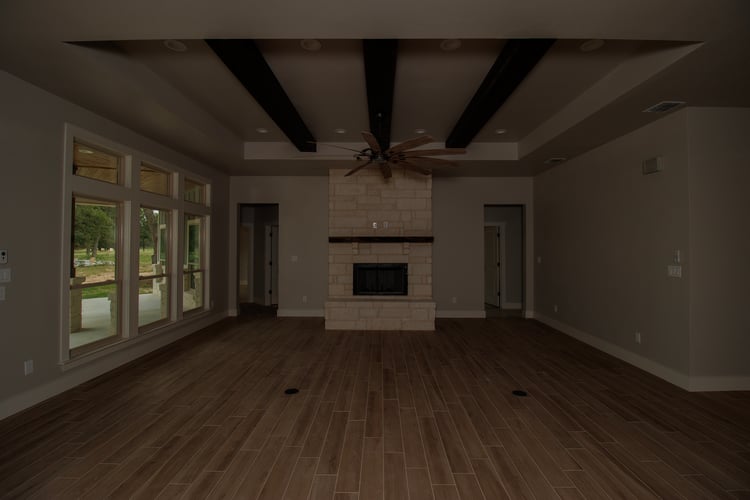
Once shadows become too dark, they lose detail and become pure black.
Dynamic range describes the space between those two limits.
The greater the dynamic range, the more information your camera preserves for editing later.
Why Dynamic Range Matters in Real Estate Photography
Many genres of photography rarely push a camera to its limits.
Real estate photography does.
Nearly every room contains competing light sources:
- Bright windows
- Dark furniture
- White ceilings
- Shadowed corners
- Artificial lighting
- Reflections
- Exterior landscaping
Every one of these challenges tests the limits of your camera sensor.
The more information your camera records, the easier it becomes to create a clean, natural-looking final photograph.
Windows Are the Biggest Challenge
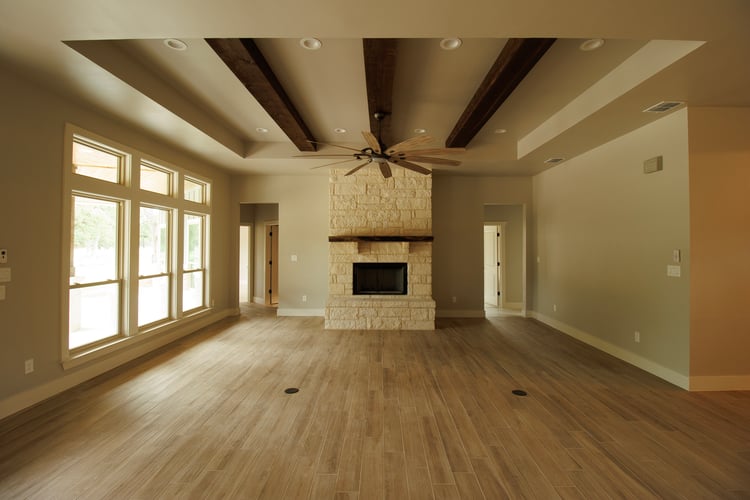
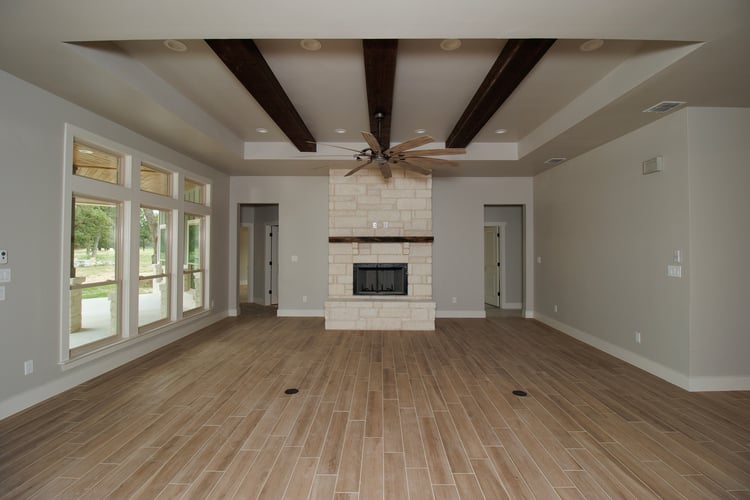
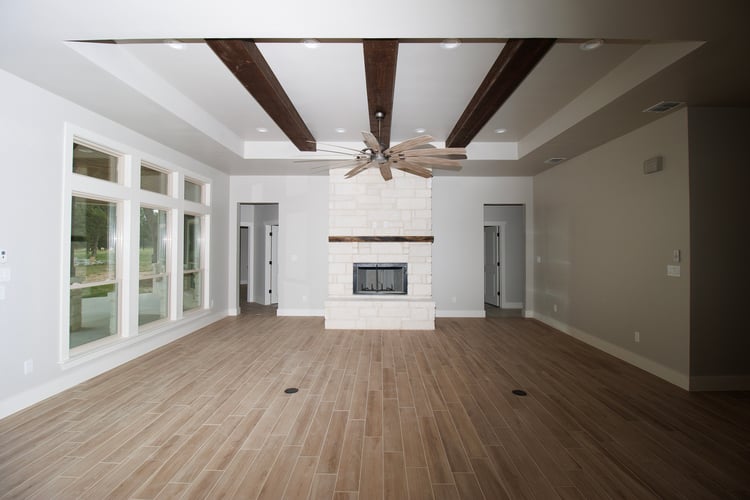
Perhaps no element illustrates dynamic range better than windows.
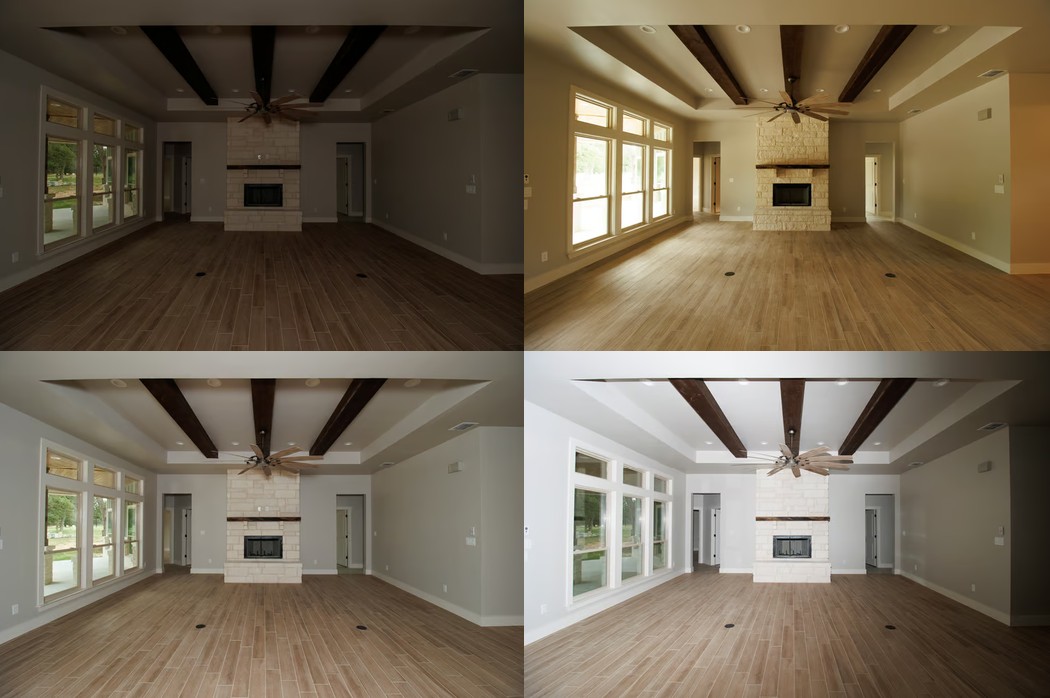
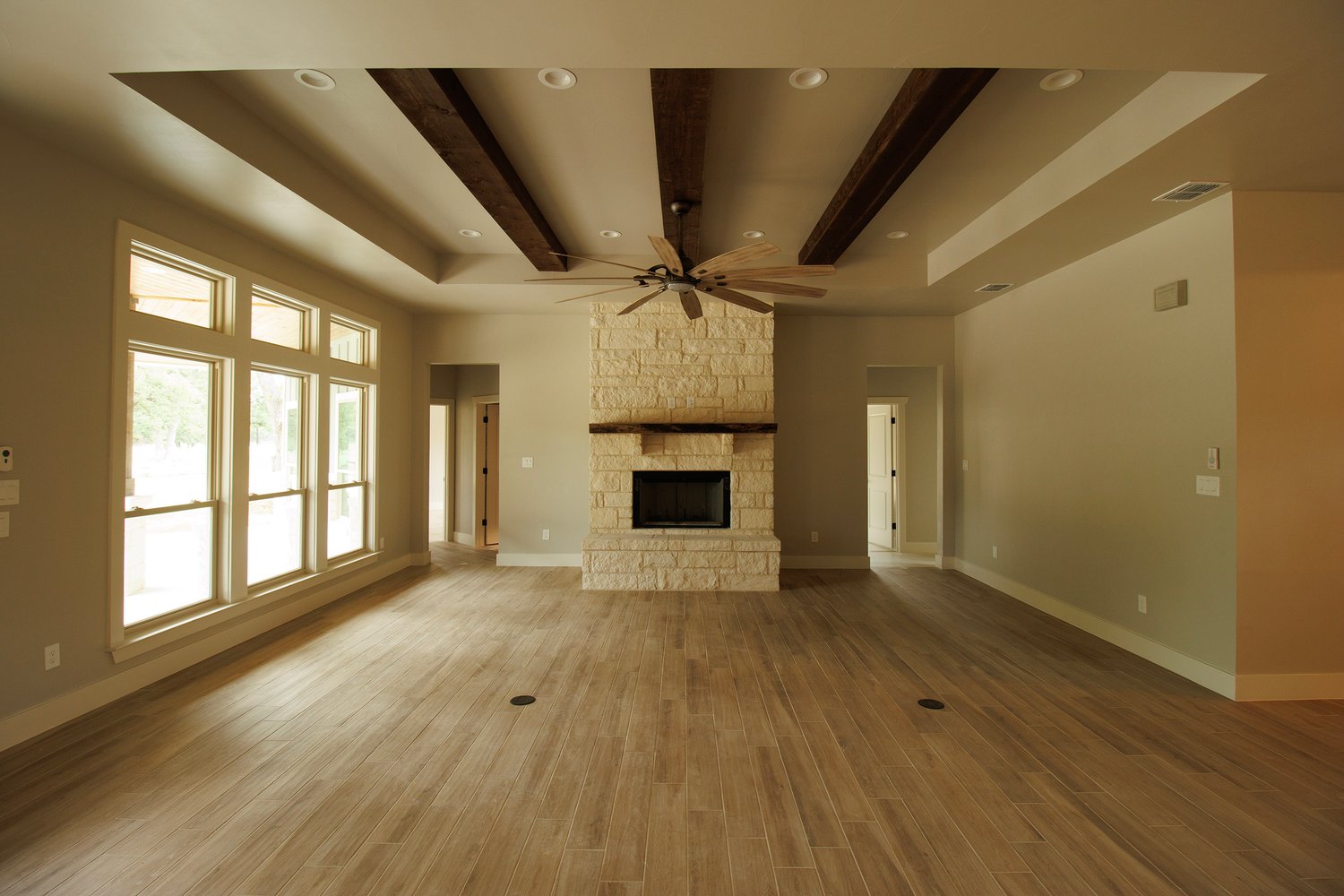
If you expose for the room, the windows become completely white.
If you expose for the windows, the room becomes too dark.
Neither image accurately represents the home.
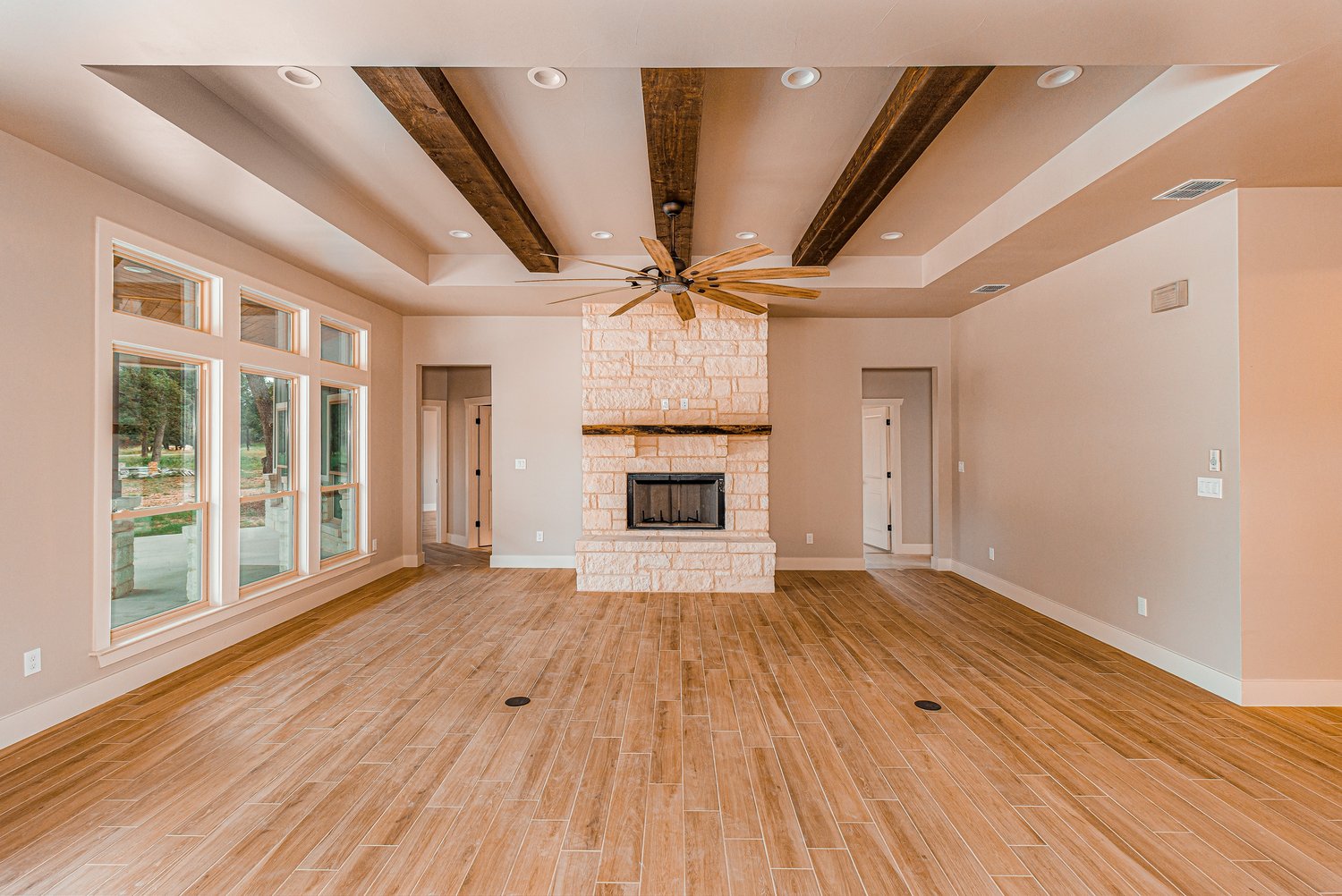
Professional photographers solve this problem by combining multiple exposures through HDR or flambient techniques.
Dynamic range determines how much usable information exists within each exposure before editing even begins.
Dynamic Range vs. Megapixels
One of the most common misconceptions among beginners is that more megapixels automatically produce better photographs.
They don't.
Megapixels determine how much detail your image contains.
Dynamic range determines how much light information your image contains.
For real estate photography, dynamic range almost always has the greater impact.
Consider two cameras:
- Camera A: 24 megapixels with excellent dynamic range.
- Camera B: 45 megapixels with poor dynamic range.
For photographing interiors, Camera A will often produce the more flexible and natural-looking files.
More resolution cannot recover blown highlights.
More resolution cannot restore clipped shadows.
Those details are permanently lost.
Professional Tip
When comparing cameras for real estate photography, prioritize dynamic range over megapixel count. The additional editing flexibility will benefit nearly every property you photograph.
Dynamic Range and HDR Photography
HDR stands for High Dynamic Range.
Rather than relying on one photograph, HDR combines several exposures.
Typically:
- One exposure for highlights
- One exposure for midtones
- One exposure for shadows
Sometimes five, seven, or even nine bracketed exposures are used for particularly difficult scenes.
The software blends the strongest portions of each image into one balanced photograph.
The better your camera's dynamic range, the cleaner those source images become.
That leads to smoother blends and more natural results.
Dynamic Range and Flambient Photography
Flambient photography approaches the problem differently.
Instead of relying exclusively on HDR, flash is introduced to raise the brightness of the interior.
The flash reduces the brightness difference between the room and the windows.
Because the lighting becomes more balanced, less aggressive shadow recovery is required during editing.
Both HDR and flambient workflows benefit from cameras with excellent dynamic range.
Can Editing Recover Everything?
No.
Editing software has become remarkably powerful.
Applications such as Adobe Camera Raw and Photoshop recover tremendous amounts of highlight and shadow detail.
But editing cannot restore information that was never recorded.
Once highlights become completely clipped, no software can recreate the missing detail.
Likewise, shadows that contain no information remain empty.
Good editing begins with good exposure.
Shooting RAW Maximizes Dynamic Range
If you photograph homes in JPEG, you're discarding valuable information before editing even begins.
RAW files preserve:
- Greater highlight detail
- Greater shadow detail
- Better white balance adjustment
- Improved color accuracy
- Increased editing flexibility
Professional real estate photographers almost universally photograph in RAW.
It's one of the simplest ways to improve image quality.
Practical Ways to Improve Dynamic Range
While you can't change your camera's sensor, you can maximize the information it records.
Use RAW Files
Always.
Bracket Your Exposures
Three to five exposures solve most interior lighting situations.
Avoid Overexposing Windows
Protect highlights whenever possible.
Recovering shadows is usually easier than reconstructing blown-out windows.
Use a Tripod
A tripod allows slower shutter speeds without introducing camera movement.
This makes exposure bracketing simple and consistent.
Learn Proper HDR or Flambient Editing
Camera technique and editing technique work together.
Neither replaces the other.
Common Beginner Mistakes
Chasing Megapixels Instead of Dynamic Range
Resolution is valuable.
Editing flexibility is often more valuable.
Photographing JPEG Only
JPEG files limit your ability to recover difficult exposures.
RAW files preserve significantly more information.
Trying to Capture Everything in One Exposure
Professional photographers rarely rely on a single image for interiors.
Bracketing exists because physics has limits.
Assuming Editing Can Fix Every Mistake
Editing enhances well-captured photographs.
It does not replace proper exposure.
Professional Insight
One of the biggest transitions from amateur to professional photography is learning to expose for editing rather than exposing for the camera preview. Your RAW file contains far more information than the image displayed on the back of the camera.
Frequently Asked Questions
Is dynamic range more important than megapixels?
For most real estate photographers, yes.
Greater dynamic range provides more editing flexibility and produces cleaner HDR and flambient images.
Do all cameras have the same dynamic range?
No.
Modern sensors vary considerably, although today's cameras are generally excellent compared to earlier generations.
Does HDR increase dynamic range?
HDR doesn't change your camera's sensor.
Instead, it combines multiple exposures to create a final image with greater apparent dynamic range.
Should I expose for the windows?
Generally, protect the brightest highlights while ensuring enough shadow detail remains for recovery.
Bracketing is usually the most reliable solution.
Does flash replace dynamic range?
No.
Flash reduces contrast within the room, making it easier to capture balanced exposures, but sensor performance still matters.
Continue Learning
Understanding dynamic range is the first step toward mastering professional interior photography.
The next step is learning how photographers combine multiple exposures to create natural-looking images.
Continue your education with the complete course:
Course
Real Estate Photography Training
Follow behind-the-scenes shoots, editing demonstrations, and equipment insights:
Comments ()