

Summary
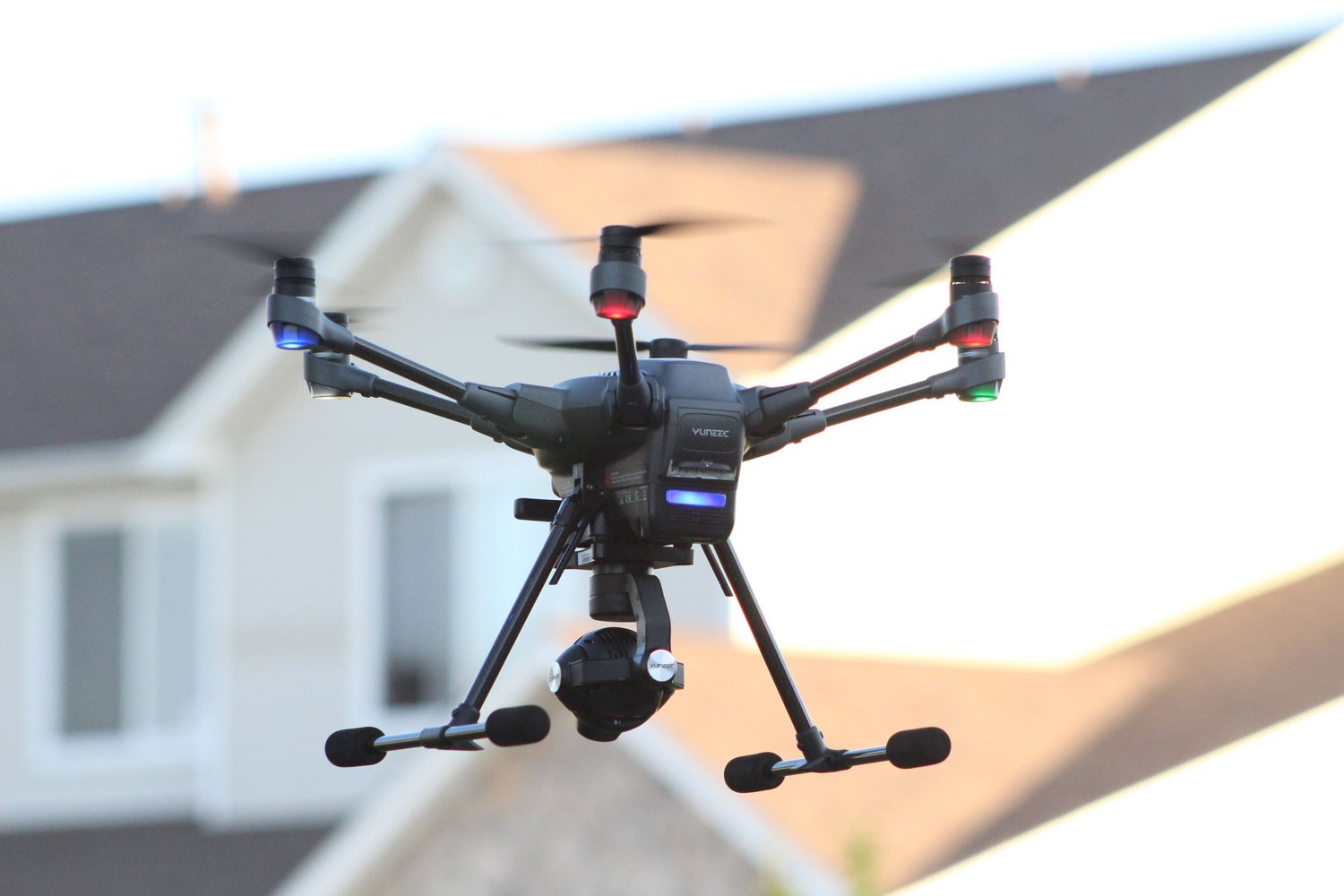
The United States announced a new tariff structure on imported drones and drone components on August 14, 2026. Multiple reports citing the White House describe tariffs ranging from 25% to 100%, with the highest rates applying to categories considered particularly sensitive, including drones over 25 kilograms, thermal-imaging systems, and certain critical components. Smaller or less-sensitive drones are generally covered by a 25% rate, while some imports from selected U.S. trade partners can receive lower treatment. Much of the new tariff schedule is reported to begin September 3, 2026, although implementation timing for some components differs.
For working real estate photographers, the immediate issue is equipment economics.
A tariff does not automatically increase the retail price of every drone by the exact tariff percentage. Existing inventory, country of origin, manufacturer decisions, importer margins, supplier contracts, exemptions, and future manufacturing changes can all influence what photographers eventually pay.
It does create a meaningful reason to watch drone pricing and availability over the next several months.
My practical recommendation is straightforward: do not panic-buy a drone because of the headline. If you already planned to replace an aircraft soon, verify current inventory and pricing now. If your present drone is reliable and does the work you need, continue using it and monitor the market.
The tariffs affect importing and equipment cost. They do not replace the FAA rules governing commercial drone operations in the United States. Part 107 certification, aircraft registration, Remote ID, airspace authorization, and other operational requirements remain separate issues.
Table of Contents
- What Changed
- Why Drones Are Being Treated Differently
- Which Drones Could Be Affected
- Why a 25% Tariff Does Not Mean a 25% Retail Price Increase
- What This Means for Real Estate Photographers
- What Happens to the Drone You Already Own
- Should You Buy a Drone Before September 3?
- If Your Current Drone Is Working Well
- If You Already Planned to Replace Your Drone
- If You Are Considering an Upgrade Just Because of the Tariffs
- If You Are a New Photographer Buying Your First Drone
- Think About Batteries and Accessories Too
- Build Equipment Replacement Cost Into Your Pricing
- A Simple Drone Payback Example
- Consider a Backup Aircraft
- Protect the Equipment You Already Own
- Check FAA Compliance Before Buying
- Do Not Confuse Tariffs With Flight Rules
- What Could Happen to Drone Prices
- What Could Happen to Availability
- What Remains Uncertain
- What I Would Do Now
- Frequently Asked Questions
What Changed
On August 14, several major business and technology publications reported that the U.S. government had announced new Section 232 tariffs on imported drones and drone components.
The reported structure contains two major tiers.
Certain drones considered particularly sensitive—including aircraft above 25 kilograms, drones equipped with thermal-imaging capabilities, and some critical components—face a 100% tariff.
Smaller or less-sensitive drones and components generally face a 25% tariff.
Barron's reported that the duties are scheduled to take effect September 3 and that qualifying imports from certain trade partners can receive lower rates. MarketWatch reported that some less-sensitive drone and component categories may begin later.
That timing distinction is worth remembering.
Photographers should expect additional implementation details and manufacturer or distributor announcements as the new system takes effect.
The policy follows a Section 232 national-security investigation into imports of unmanned aircraft systems and their parts that the Department of Commerce initiated on July 1, 2025.
It also follows the June 2025 executive order Unleashing American Drone Dominance, which established a federal policy of expanding domestic drone manufacturing and reducing dependence on foreign sources.
Why Drones Are Being Treated Differently
The federal government is approaching drones as both civilian technology and part of a broader strategic industrial base.
The Department of Commerce's Section 232 investigation specifically examined whether U.S. reliance on imported unmanned aircraft systems, parts, and components could affect national security.
The June 2025 drone executive order similarly called for strengthening domestic drone production and securing the U.S. drone supply chain against foreign control or exploitation.
Those are the stated policy reasons behind the broader push.
For a real estate photographer, the practical effect is much narrower.
We buy relatively small aircraft to photograph homes, land, commercial properties, developments, construction projects, and surrounding context.
The policy may be aimed largely at industrial capacity and national security, but equipment used by civilian photographers can still fall within the affected import categories.
Which Drones Could Be Affected
The reported tariff structure reaches beyond large military aircraft.
Smaller consumer and commercial drones are part of the new system.
That is where this becomes directly relevant to real estate photographers.
Most aircraft used for residential aerial photography are well below 25 kilograms.
They can include:
- Compact sub-250-gram aircraft
- Small folding camera drones
- Prosumer aerial-photography drones
- Larger commercial camera drones below 25 kilograms
Under the tariff structure reported by Barron's, The Wall Street Journal, and MarketWatch, smaller and less-sensitive imported drones generally fall under the 25% tier unless another country-specific or product-specific treatment applies.
Do not assume from that sentence that a specific model will automatically receive exactly a 25% increase at checkout.
Tariff treatment ultimately depends on the actual import classification, origin, component sourcing, importer, and any applicable trade treatment.
That distinction matters.
Professional Tip
If you are considering a drone purchase during the next few months, compare the actual delivered price from a legitimate U.S. retailer rather than trying to calculate the future price by adding 25% to today's sticker price.
Why a 25% Tariff Does Not Mean a 25% Retail Price Increase
A tariff applies when a covered product enters the country.
The consumer price comes later.
Between those two points are:
- Manufacturer
- Importer
- Distributor
- Retailer
- Existing inventory
- Supplier contracts
- Currency movement
- Promotions
- Margin decisions
A manufacturer might absorb part of the increased cost.
A distributor may have inventory that entered the country before the new duties apply.
A retailer might increase price immediately.
Another may wait until old inventory sells.
Manufacturing could shift to a different country.
A company could qualify for another tariff treatment depending on sourcing or future U.S. production.
That means the eventual effect on real-world drone prices is still uncertain.
The sensible thing to watch is the price of the equipment you actually use.
What This Means for Real Estate Photographers
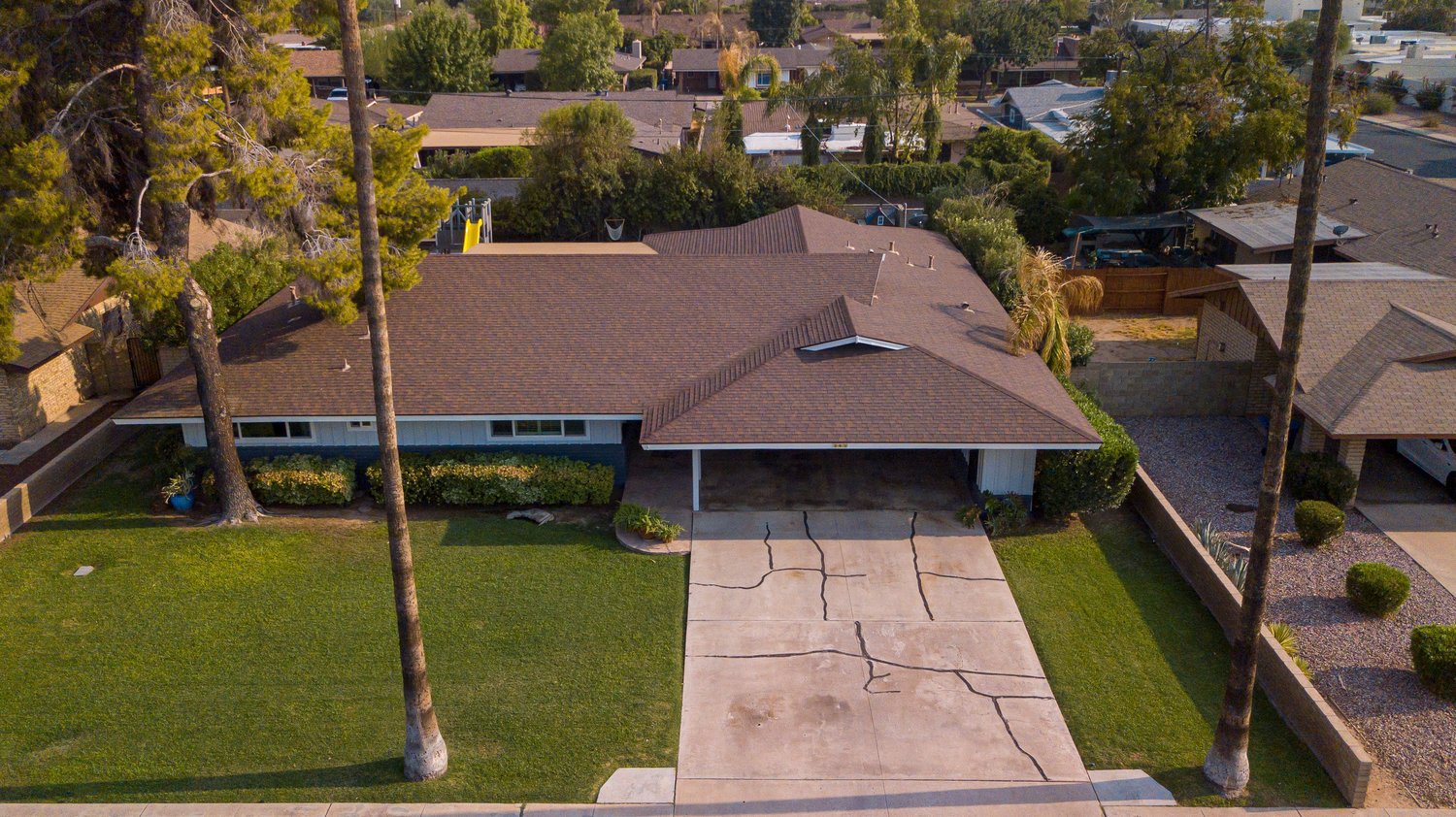
I see four practical issues.
Equipment Replacement Cost
If drones become more expensive, replacing a crashed, damaged, lost, or outdated aircraft costs more.
Backup Equipment
A second aircraft becomes more expensive to maintain as part of the business.
Service Pricing
If aerial equipment becomes materially more expensive over time, photographers need to make sure drone pricing still supports replacement.
Purchase Timing
Photographers already planning a near-term purchase may have a reason to evaluate current inventory before the new tariff schedule is fully reflected in the market.
None of those require an immediate reaction.
They require better equipment planning.
What Happens to the Drone You Already Own
The new tariffs concern imported equipment.
They do not, by themselves, make a drone you already own illegal to fly.
Commercial operations in the United States continue to be governed through the FAA's drone regulations.
For typical real estate photography operations under Part 107, the pilot needs the appropriate Remote Pilot Certificate or must operate under the direct supervision allowed by the rule. Part 107 drones must be registered, and applicable Remote ID requirements continue to apply.
So if you already own a compliant drone that works well, the tariff announcement does not create a reason to retire it.
That may actually make maintaining your current equipment more valuable.
Common Mistake
Treating an import-policy change as though it automatically changes the legal status of an aircraft already being operated. Equipment import rules and FAA flight rules are separate parts of the system.
Should You Buy a Drone Before September 3?
There is no single answer for every photographer.
I would divide the decision into four situations.
If Your Current Drone Is Working Well
Recommendation: Monitor.
Keep using it.
A drone that already delivers the image quality your clients need still has business value.
There is little reason to replace good equipment simply because future prices may change.
Instead:
- Inspect the aircraft regularly.
- Maintain healthy batteries.
- Replace worn propellers.
- Keep firmware and operational records organized.
- Confirm your registration and Remote ID information.
- Maintain insurance if your business uses it.
- Keep saving toward eventual replacement.
A reliable aircraft already in your equipment case gives you time to see how the market settles.
If You Already Planned to Replace Your Drone
Recommendation: Evaluate buying sooner.
Suppose your current aircraft:
- Has unreliable batteries.
- Has sustained damage.
- No longer meets client needs.
- Was already scheduled for replacement this fall.
- Is creating enough downtime that you were shopping anyway.
Then the August tariff announcement is relevant.
Check:
- Current legitimate retailer inventory
- Current delivered price
- Replacement batteries
- Controller compatibility
- Remote ID compliance
- Your actual business need
- Expected payback
If the purchase already made sense before the announcement, moving the purchase earlier may be reasonable.
Do not let the tariff headline turn an unnecessary purchase into a necessary one.
If You Are Considering an Upgrade Just Because of the Tariffs
Recommendation: Delay and monitor.
A fear-based upgrade can cost more than the tariff you are trying to avoid.
Suppose your current drone works perfectly and earns money every week.
Buying a $2,000 replacement now to avoid a hypothetical future price increase still means spending $2,000 today.
Ask what the new drone improves.
Does it provide:
- Better image quality clients can see?
- Better wind performance?
- Better low-light performance?
- Better reliability?
- Faster field workflow?
- A service you can charge for?
If the answer is unclear, keep the current aircraft working.
Equipment should solve a business problem.
If You Are a New Photographer Buying Your First Drone
Recommendation: Do not rush.
A new photographer has more important questions than whether a particular aircraft could cost more next month.
Before buying, understand:
- Whether clients in your market want aerial photography
- Part 107 requirements
- FAA registration
- Remote ID
- Controlled-airspace procedures
- Insurance
- Safe flight planning
- Weather
- Your service pricing
- The amount of work required to recover the purchase
The FAA currently requires a Remote Pilot Certificate for someone operating the controls under Part 107 unless they are under the direct supervision of a certificated pilot as provided by the rule. Part 107 aircraft also need to be registered with the FAA.
Buy the drone when you are ready to operate it professionally.
If you are still building your basic listing workflow, start with the Free REPT First Listing Starter Kit:
Then move into the complete REPT training program as you develop the capture, editing, business, and aerial sides of the service:
https://payhip.com/RealEstatePhotographyTraining
Think About Batteries and Accessories Too
The aircraft is only part of the system.
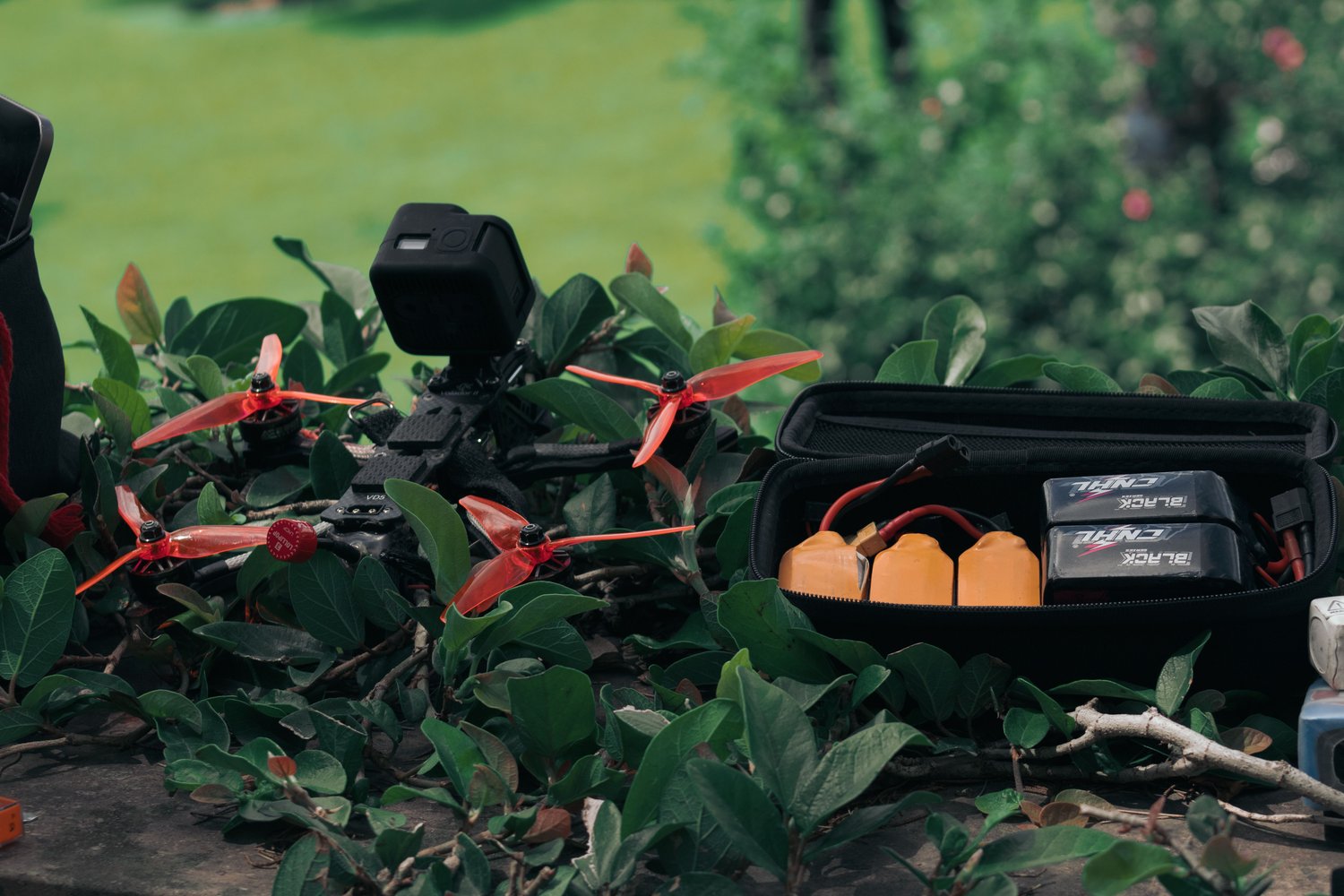
A working aerial kit may include:
- Batteries
- Propellers
- Charging hub
- Controller
- Cables
- ND filters
- Storage cards
- Carrying case
- Replacement parts
The new policy also reaches drone components, although tariff treatment and timing can vary by component category.
I would not start stockpiling parts.
I would make sure the normal working kit is complete.
If you typically need four batteries to complete a full production day, having only one aging battery is already a business problem.
The tariff announcement simply gives you another reason to review the equipment you actually depend on.
Build Equipment Replacement Cost Into Your Pricing
Every drone eventually needs to be replaced.
A professional service should help pay for that replacement.
Imagine your aerial add-on covers only the time spent flying.
That misses:
- Aircraft cost
- Batteries
- Propellers
- Registration
- Insurance
- Training
- Travel
- Maintenance
- Replacement risk
- Editing
- Administrative time
If equipment prices increase, weak pricing becomes more obvious.
Do not immediately raise your aerial fee because a tariff was announced.
First calculate the current economics.
Ask:
If this aircraft disappeared tomorrow, how many drone appointments would it take to replace it?
That number tells you something useful.
A Simple Drone Payback Example
Consider a hypothetical aerial kit that costs $1,500 to replace today.
If the future replacement cost eventually became $1,875, the difference would be $375.
Now suppose your business retains $125 from each aerial add-on after the direct time and operating costs associated with that service.
Three additional aerial orders would cover the $375 difference.
That does not mean you should raise every client by a specific amount.
It shows why replacement cost needs to be viewed through revenue rather than fear.
A tool that produces hundreds of paid assignments can tolerate a moderate equipment-cost increase much more easily than a drone purchased for occasional use.
Professional Tip
Track every major piece of equipment against the revenue it helps produce. Gear decisions become much easier when you know whether the aircraft is earning $500 a year or $20,000 a year.
Consider a Backup Aircraft
Aerial photography can become difficult to sell reliably when one damaged drone shuts the service down.
Photographers doing significant drone volume should consider business continuity.
That could mean:
- Secondary aircraft
- Older compatible aircraft retained as backup
- Rental access
- Relationship with another licensed drone operator
- Written subcontractor arrangement
The backup does not need to be your dream drone.
It needs to keep a client appointment from becoming a cancellation.
Higher replacement costs make continuity planning more important.
Protect the Equipment You Already Own
The least expensive replacement is the one you do not need yet.
Develop a consistent preflight and postflight routine.
Inspect:
- Propellers
- Arms
- Motors
- Gimbal
- Lens
- Batteries
- Battery contacts
- Controller
- Cables
- Storage
Avoid leaving lithium batteries fully charged for long periods when the manufacturer's storage guidance recommends otherwise.
Use appropriate cases during travel.
Keep aircraft away from loose dirt and debris during takeoff when practical.
Watch wind.
Plan battery return margins conservatively.
Good operating habits extend the useful life of expensive equipment.
Check FAA Compliance Before Buying
Price should not be the only purchase filter.
Before buying a drone for commercial real estate work, verify that you can legally operate the exact system you intend to buy.
Review:
- FAA registration requirements
- Remote ID
- Part 107 compatibility
- Airspace needs
- Manufacturer documentation
The FAA states that Part 107 registration currently costs $5 per drone and remains valid for three years. Drones that are required to be registered must comply with Remote ID unless an applicable exception applies.
Do this verification before purchasing.
A discounted aircraft that creates an operational-compliance problem is not a bargain.
Do Not Confuse Tariffs With Flight Rules
This distinction will probably create confusion as headlines continue.
Tariffs
Tariffs concern importing products and the cost or conditions attached to those imports.
They can affect:
- Importer cost
- Distribution
- Retail pricing
- Manufacturer sourcing
- Product availability
FAA Rules
FAA rules concern operating the aircraft in U.S. airspace.
They include areas such as:
- Remote Pilot certification
- Registration
- Remote ID
- Operational restrictions
- Airspace authorization
The FAA's current Part 107 guidance was updated July 6, 2026 and continues to govern the small commercial drone operations typically used in real estate photography.
The new tariff announcement does not replace that framework.
What Could Happen to Drone Prices
Several outcomes are possible.
Prices Rise
Importers or retailers could pass some or all of increased costs to buyers.
Prices Rise Unevenly
Certain models, origins, or components could change more than others.
Existing Inventory Holds Current Pricing Temporarily
Products imported before the new tariff treatment reaches them may remain available at previous prices until inventory turns over.
Manufacturers Absorb Some Cost
Companies may accept lower margins temporarily.
Manufacturing Changes
Companies may alter sourcing, assembly, or manufacturing locations.
New Domestic Products Enter the Market
One stated purpose of the federal policy is increasing U.S. drone manufacturing. That could eventually expand domestic options.
Nobody can reliably tell a real estate photographer today exactly what a particular drone will cost six months from now.
Watch actual retail prices.
What Could Happen to Availability
Price is only one part of the story.
Inventory can matter just as much.
A photographer may be willing to pay for a replacement and still struggle if the preferred aircraft or batteries are unavailable.
That makes several habits useful:
- Monitor battery health.
- Replace genuinely failing accessories before they become emergencies.
- Maintain backup options.
- Buy from legitimate channels.
- Avoid depending on one aircraft for a high-volume operation without a continuity plan.
Supply disruptions may never become severe for the equipment you use.
Planning for them costs very little.
What Remains Uncertain
Several important questions will become clearer as implementation continues.
Actual Retail Pricing
The tariff rate does not tell us the final consumer price.
Manufacturer Response
Companies may absorb costs, change supply chains, shift manufacturing, change product configurations, or adjust U.S. distribution.
Inventory Timing
Products already in U.S. inventory may behave differently from future imports.
Component Treatment
Different drone components can receive different classifications and implementation timing.
Country of Origin
Imports from some trade partners can qualify for lower tariff treatment under the reported framework.
Additional Implementation Guidance
Customs treatment, rules of origin, onshoring programs, and negotiations could affect the final economics.
That uncertainty is why I would make purchases from business need rather than trying to predict every regulatory outcome.
What I Would Do Now
For most real estate photographers, I would keep the response measured.
1. Inventory Your Current Drone Kit
List:
- Aircraft
- Batteries
- Propellers
- Charger
- Controller
- Accessories
- Backup aircraft
Identify anything that genuinely needs replacement.
2. Check Battery Health
A tariff announcement is a poor reason to buy six unnecessary batteries.
Three failing batteries are a very good reason to replace three batteries.
3. Review Any Purchase You Already Planned
If you expected to replace the drone this fall, compare current inventory and pricing now.
4. Keep a Replacement Reserve
Set aside part of drone revenue for equipment replacement.
5. Review Your Drone Pricing
Make sure the service supports the real cost of operating and replacing the system.
6. Confirm FAA Records
Check registration and Remote ID information.
7. Build a Continuity Plan
Know what happens if the primary aircraft cannot fly tomorrow.
8. Watch Retail Prices After September 3
Actual market pricing will tell you more than speculation.
A Simple Decision Guide
Your Current Drone Works and Meets Client Needs
MONITOR
Keep working and maintain it.
You Already Needed a Replacement This Fall
CONSIDER BUYING SOONER
Verify the model, compliance, retailer, inventory, and actual business payback.
You Want an Upgrade Because You Are Afraid Prices Might Rise
DELAY AND MONITOR
Make sure the upgrade solves a real production problem.
You Are New to Drone Photography
LEARN FIRST, THEN BUY
Understand Part 107, registration, Remote ID, local demand, pricing, and safe operating procedures before making the investment.
Frequently Asked Questions
Did the United States announce new tariffs on drones?
Yes. On August 14, 2026, multiple major publications reported new U.S. Section 232 tariffs on imported drones and drone components ranging from 25% to 100%, depending on product category and origin.
When do the new drone tariffs begin?
Barron's reported a September 3, 2026 effective date for the main tariff schedule. MarketWatch reported that some less-sensitive items may begin later, so photographers should watch implementation guidance as the effective dates approach.
Are small photography drones affected?
The reported structure includes smaller drones in the 25% tariff tier unless another applicable treatment applies. Exact treatment depends on classification and origin.
Will my drone automatically cost 25% more?
No. A 25% tariff does not guarantee a 25% increase in the final retail price. Manufacturer, importer, retailer, inventory, sourcing, and market decisions affect the final consumer price.
Should I buy a drone immediately?
Only when the purchase already makes business sense. A photographer planning a near-term replacement has a stronger reason to evaluate current inventory than someone whose present drone works perfectly.
Should I stockpile batteries?
I would maintain the number of healthy batteries your workflow requires and replace aging units appropriately. Buying equipment you do not realistically need ties up cash and batteries themselves have finite useful lives.
Does the tariff make my current drone illegal?
No. The tariff announcement concerns imports. Commercial flight legality continues to depend on FAA requirements and other applicable rules.
Do I still need Part 107?
Yes. For the commercial small-drone operations typical of real estate photography, the FAA Part 107 framework continues to apply.
Do I need to register a sub-250-gram drone for Part 107 work?
The FAA requires each drone operated under Part 107 to be registered. The recreational weight exemption does not create a general Part 107 registration exemption.
How much does Part 107 drone registration cost?
The FAA currently charges $5 per Part 107 aircraft, and the registration is valid for three years.
Does Remote ID still apply?
Yes. Drones that require registration generally must comply with applicable Remote ID requirements unless an exception or authorized alternative applies.
Should I raise my drone photography prices?
Do not change prices solely because a tariff was announced. Review the actual replacement cost of your equipment, operating costs, local competition, client value, and profit margin first.
What should I watch over the next few months?
Watch actual retailer pricing, inventory, manufacturer announcements, battery availability, implementation guidance, and any changes to the aircraft models you already planned to purchase.
Recommended REPT Training
Drone Photography for Real Estate
If you already shoot residential listings and want to add aerial work, continue with the Drone Photography for Real Estate chapter in the REPT Knowledge Base.
Browse the complete Knowledge Base:
https://payhip.com/RealEstatePhotographyTraining/blog/get-started-real-estate-photography
Free REPT First Listing Starter Kit
If you are still preparing for your first listing or building the basic photography workflow before adding drone services, start here:
Complete Real Estate Photography Training
For the deeper training path through equipment, exterior photography, interiors, editing, delivery, and professional workflow:
https://payhip.com/RealEstatePhotographyTraining
Real Estate Photography Training
Explore current training resources and REPT Journal industry coverage:
Follow Malachi on Instagram
See current real estate photography, aerial work, editing examples, and field observations:
https://instagram.com/malachikg_rephoto
Related Articles
- Drone Photography for Real Estate
- Real Estate Photography Pricing Guide
- Real Estate Photography Contracts, Policies, and Service Agreements
- Real Estate Photography File Management and Backup Systems
- Builder Photography and Ongoing Construction Content
- Photographing Acreage, Ranches, and Large Properties
- Commercial Real Estate Photography
- Construction Timelapse and Long-Term Project Documentation
- How to Photograph Luxury Homes
Sources
Barron's — “More Trump Tariffs Are Coming—and They Could Look Different”
Published August 14, 2026. Reporting on the new Section 232 drone tariffs, September 3 effective date, tariff range, trade-partner treatment, and domestic-manufacturing incentives.
https://www.barrons.com/articles/trump-drone-tariffs-trade-china-7a4132b0
The Wall Street Journal — “Drone Stocks Jump After Trump Targets Imports With Tariffs”
Published August 14, 2026. Reporting on the 100% tariff for specified sensitive drone categories, the 25% tier for smaller or lower-risk drones, and the administration's onshoring initiative.
MarketWatch — “Drone Stocks Are Soaring Thanks to Trump's New Tariffs”
Published August 14, 2026. Reporting on tariff rates, component treatment, reduced rates for certain trade partners, and implementation timing.
https://www.marketwatch.com/story/drone-stocks-are-soaring-thanks-to-trumps-new-tariffs-895c6658
U.S. Department of Commerce, Bureau of Industry and Security — Section 232 Investigations
Current BIS record confirming the Section 232 national-security investigation into imports of unmanned aircraft systems and their parts and components, initiated July 1, 2025.
https://www.bis.gov/about-bis/bis-leadership-and-offices/SIES/section-232-investigations
The White House — “Unleashing American Drone Dominance”
Executive Order 14307, June 6, 2025. Official policy addressing expansion of domestic UAS manufacturing, U.S. drone supply-chain security, and integration of commercial drones into the National Airspace System.
https://www.whitehouse.gov/presidential-actions/2025/06/unleashing-american-drone-dominance/
Federal Aviation Administration — Small Unmanned Aircraft Systems Regulations (Part 107)
Updated July 6, 2026. Current FAA guidance covering small commercial drone operations and remote-pilot requirements.
https://www.faa.gov/newsroom/small-unmanned-aircraft-systems-uas-regulations-part-107
Federal Aviation Administration — How to Register Your Drone
Current FAA guidance covering Part 107 registration requirements, current $5 registration fee, three-year validity, and Remote ID information.
https://www.faa.gov/uas/getting_started/register_drone
Federal Aviation Administration — Remote Identification of Drones
Current FAA guidance covering Remote ID requirements and compliance options.
https://www.faa.gov/uas/getting_started/remote_id
Federal Aviation Administration — Become a Certificated Remote Pilot
Updated June 9, 2026. Current FAA process and requirements for obtaining a Remote Pilot Certificate under Part 107.
https://www.faa.gov/uas/commercial_operators/become_a_drone_pilot