

A completely unbiased, totally objective guide to Life in Wyoming
The state where the wind is free and everything else costs more than it should.
The natural splendor of Wyoming
Wyoming covers over 97,000 square miles, which sounds impressive until you realize there are only about six people per square mile out here. That means your nearest neighbor is roughly a bison named Gerald, and he has no interest in borrowing your lawn mower.
The state is home to Yellowstone National Park, the first national park in the world, which was created specifically so people from other states could stand six inches from a boiling hot geyser and ask, "Is it safe to touch it?" Spoiler: Old Faithful does not care about your vacation schedule, your Instagram story, or your general well-being.
Just south of that is Grand Teton National Park, where the mountains rise so dramatically, they make you feel personally inadequate. Wildlife sightings are so common that spotting a pronghorn on the highway is considered less exciting than finding a good parking spot in Jackson.
"Outdoor activities are a way of life here. Whether it's skiing in Jackson Hole, rock climbing in Vedauwoo, or fly fishing in the North Platte River — Wyoming residents don't believe in sitting still unless they're sleeping, and even then, it's debatable."
The culture: rugged, neighborly, and deeply suspicious of anyone wearing clean boots
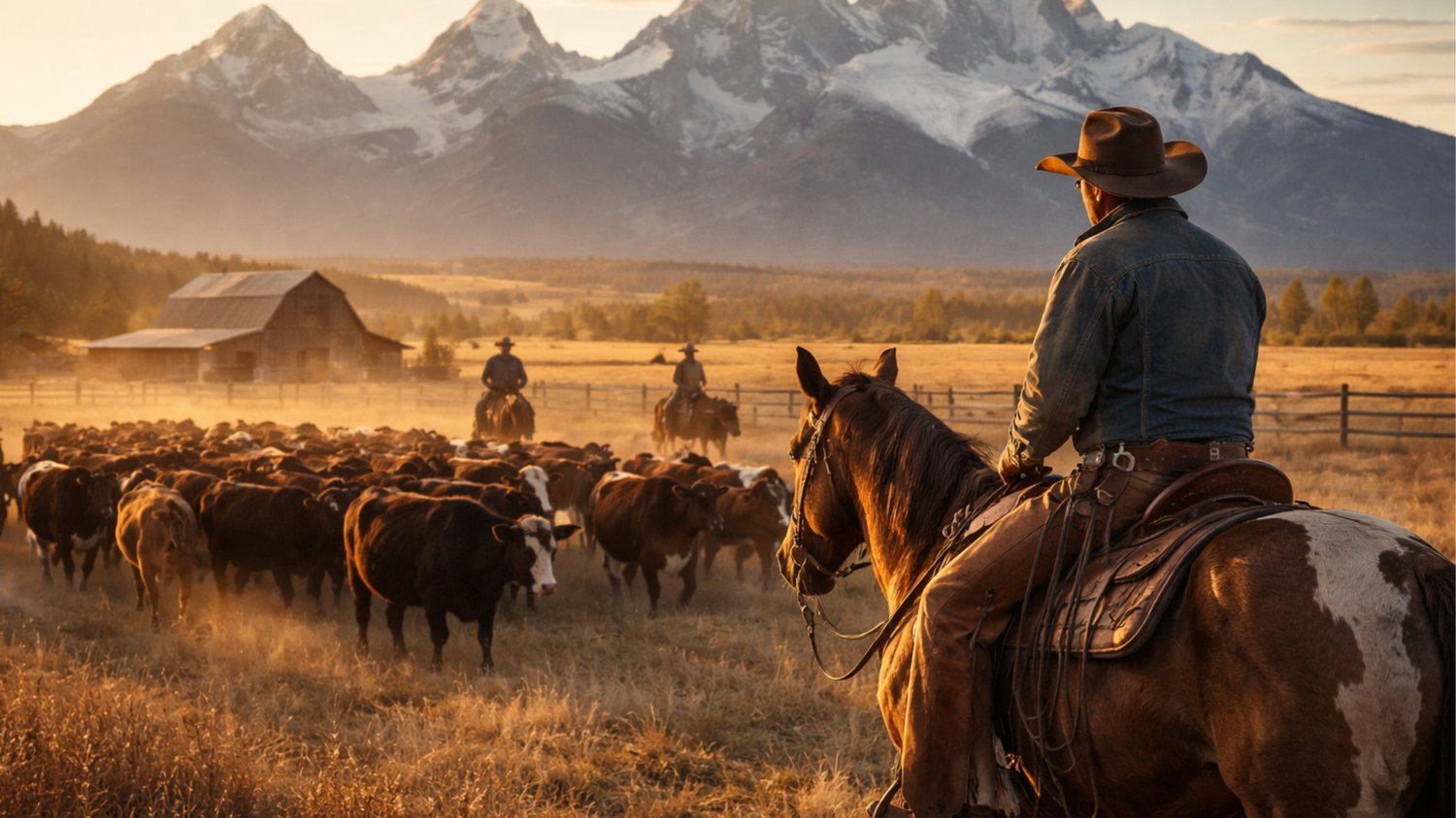
Wyoming is known as the Cowboy State, and it takes that identity very seriously. Cheyenne Frontier Days is the largest outdoor rodeo in the world, drawing visitors from across the globe who fly thousands of miles to watch someone willingly sit on an animal that wants them dead. It's called Western heritage. The bull calls it Friday night.
Most people live in small towns, with Cheyenne — the big city — clocking in at just over 65,000 people. That's smaller than the crowd at a single NFL game. But what Wyoming lacks in population density, it makes up for in the iron-clad ability of your neighbor to show up with a casserole before you've even finished calling 911.
The community is tight knit in the way that only happens when you're all snowed in together for six months and either become lifelong friends or don't speak about it again. In Wyoming, it's usually the former.
The economy: coal, cattle, wind, and tourists doing things they shouldn't
Wyoming's economy runs on energy production — coal, oil, natural gas — and increasingly, wind power. The wind farms are a marvel of modern engineering. The locals are a bit less enthusiastic. When you've been wearing the same hat for twenty years and the wind keeps trying to take it to Nebraska, "renewable energy" feels like a very personal attack.
Ranching and agriculture round out the economy with cattle, sheep, hay, and sugar beets. Tourism is also huge, because people from coastal cities need somewhere to drive six hours in a rental car, nearly hit a bison, and then post about it with the caption "untouched wilderness."
The cost of living is relatively low — except in the remote areas where everything costs more because someone had to drive it four hours over a mountain pass in January, and frankly, that person deserves hazard pay. Please keep in mind, 98% of Wyoming is remote.
"Healthcare can be challenging due to Wyoming's rural nature. Residents in remote areas often need to travel long distances for specialized care. Many have resolved this by simply refusing to get sick, which works until it doesn't."
The weather: four seasons, none of them mild, all of them opinions
Wyoming experiences a semi-arid to continental climate, which is academic language for "dress in layers and keep your tire chains in the truck from September through June." Winters can be harsh, with temperatures dipping well below freezing — but it's a dry cold, which Wyomingites will explain to you in great detail whether you asked or not.
Summers are warm, sunny, and absolutely perfect, which makes up for approximately eleven months of the year that are not. Spring arrives as a rumor sometime around mid-May. Fall lasts about two and a half weeks and is genuinely spectacular, which is nature's way of getting you emotionally invested before it snows again in October.
Then there's the wind. Wyoming is famous for its wind, particularly around Casper and Rawlins, where gusts have been clocked high enough to rethink all of your outdoor plans, three times, before lunch. The wind keeps the air clean, the tumbleweeds mobile, and the locals philosophically flexible about what constitutes a "calm day."
The Wyoming spirit: independent, resilient, and deeply uninterested in your suggestions
Wyomingites are self-reliant in the way that comes from living somewhere the cavalry is not coming. They fix their own fences, haul their own hay, and have strong opinions about the correct way to do both. They will help you with anything, unprompted, in a crisis — but they will also silently judge you for needing help in a way that was completely preventable with fifteen minutes of preparation.
The sense of community is genuine, deep, and slightly intimidating to newcomers. It is also, it must be said, not especially interested in being told how things were done back wherever you came from. Wyoming has been doing Wyoming for a long time. It's not broken. It does not need upgrading.
If you move here expecting to change it, Wyoming will outlast you. If you move here ready to become part of it — to learn which roads flood in May, to understand why someone's great-great-grandfather's fence line still matters, to wave at every truck on a county road even if you don't know them yet — Wyoming will take care of you like family. Which in Wyoming means they'll show up with a backhoe when you need it and never once mention that you owe them.
The honest conclusion
Wyoming is not for everyone. The skies stretch so wide they can make a person feel small in the best possible way. The winters will test you. The wind will humble you. The neighbors will show up at 6 a.m. and not apologize for it.
But if you're the kind of person who looks at 97,000 square miles of open country and thinks "that's not a problem, that's a feature" — if you find six people per square mile to be a perfectly reasonable crowd — then Wyoming isn't just a state. It's a standing invitation to live a life with actual room in it. And they'll probably even throw in a casserole.
P.S. — Do not pet the fluffy cows.
They are not fluffy cows. They are bison. They weigh up to 2,000 pounds, can run 35 miles per hour, and have absolutely no interest in being part of your content. Every year, tourists approach them anyway, presumably operating under the assumption that cuteness is a form of protection. It is not. Gerald has been very clear about this. The park rangers are tired. The locals are not surprised. The bison are annoyed. Please.
P.P.S. — Tourist bingo cards are a thing, and you should not be offended.
If you spot a laminated card in the hands of a local with squares like "asked if we have Wi-Fi on the ranch," "wore brand new cowboy boots, blisters by noon," "tried to feed a bison," "complained there's no Whole Foods," and "called the highway a 'scenic byway' without irony" — congratulations. You are the entertainment.
Wyoming has wide open spaces, stunning vistas, and roughly three television channels on a good day. Tourist season is basically the state's version of a film festival, and locals have learned to appreciate it with the same warm, patient energy they bring to everything else out here. You're welcome back anytime. Just leave the selfie stick in the car near the bison. Gerald's already on thin ice.
Comments ()