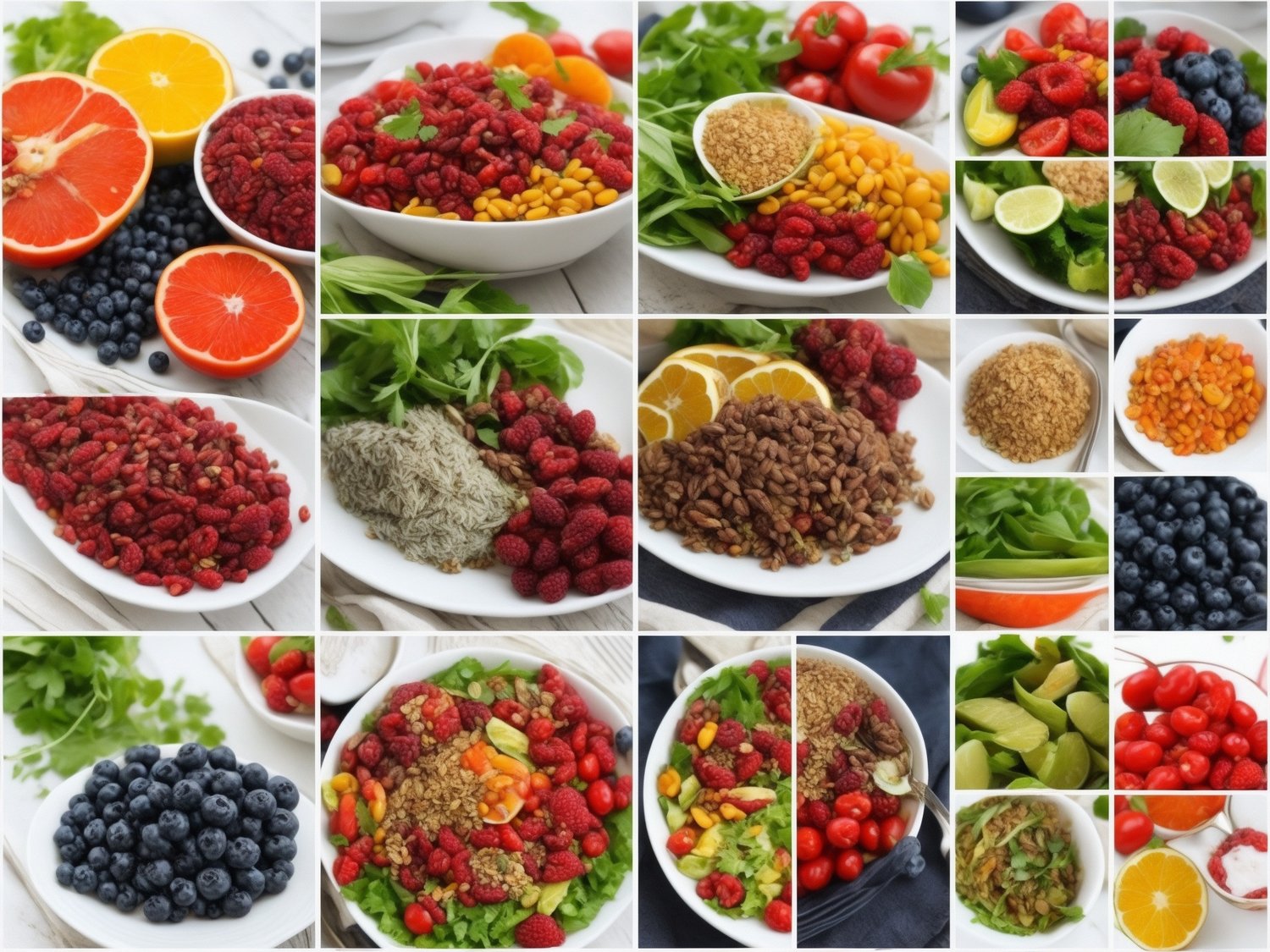
Explore budget-friendly superfoods that offer incredible health benefits. Eat well without overspending!
In a world where every dollar counts, it's essential to find affordable and nutritious foods that don't strain your budget. These budget-friendly superfoods are not only good for your health but also kind to your wallet. Let's explore 10 of these amazing options that you should include in your daily diet.
1. Eggs: Nature's Nutrient Powerhouse
Benefits: High-quality protein, vitamins, minerals, choline, and antioxidants

Eggs, often referred to as nature's perfect food, are packed with nutrients that make them a superfood with a vital role in disease prevention.
1. High-Quality Protein: Eggs are a prime source of high-quality protein, containing all the essential amino acids your body needs. Protein is essential for muscle growth and repair, and it also plays a critical role in the immune system.
2. Choline Champion: Eggs are one of the best dietary sources of choline, a nutrient vital for brain health, particularly during fetal development and early childhood. Choline also helps in liver function and metabolism.
3. Rich in Vitamins: Eggs are a natural source of essential vitamins such as vitamin B12, vitamin D, vitamin A, and riboflavin. Vitamin B12 is crucial for nerve function, vitamin D supports bone health, vitamin A is essential for vision, and riboflavin aids in energy production.
4. Mineral Content: Eggs contain minerals like phosphorus and selenium. Phosphorus is essential for bone health, and selenium acts as an antioxidant, protecting cells from damage caused by free radicals.
5. Antioxidants: Eggs contain antioxidants such as lutein and zeaxanthin, which are beneficial for eye health. These compounds reduce the risk of age-related macular degeneration, a common eye disease.
6. Heart Health: Contrary to past concerns, eggs do not significantly increase cholesterol levels for most people. In fact, they can improve heart health by raising "good" HDL cholesterol and changing the "bad" LDL cholesterol to a less harmful form.
7. Blood Sugar Control: Eggs have a low glycemic index, meaning they have a minimal effect on blood sugar levels. This makes them a valuable addition to the diet for individuals with diabetes or those looking to maintain stable blood sugar.
8. Weight Management: The high protein content in eggs helps maintain a sense of fullness, reducing overall calorie intake. This makes eggs an excellent choice for weight management and reducing the risk of obesity-related diseases.
How to Include Eggs in Your Diet
Incorporating eggs into your diet is both versatile and satisfying:
- Scrambled Eggs: Enjoy classic scrambled eggs seasoned with herbs and spices for a quick and nutritious breakfast.
- Boiled Eggs: Hard-boil eggs for a convenient snack or to slice onto salads and sandwiches.
- Omelets: Create customizable omelets with a variety of vegetables, cheese, and lean meats.
- Poached Eggs: Serve poached eggs on whole-grain toast with avocado for a wholesome and hearty breakfast.
- Frittatas: Make frittatas with eggs and an array of vegetables for a delicious, nutrient-rich meal.
Eggs are more than just a breakfast staple; they are a superfood with the potential to prevent diseases and enhance overall health. By regularly including eggs in your diet, you can harness their disease-fighting potential while enjoying their rich array of nutrients and flavors. Whether you're aiming to support brain health, maintain a strong immune system, or prevent heart disease, eggs are a versatile and nutritious option to consider.
2. Avocado: The Creamy Disease Fighter
Benefits: Healthy fats, fiber, vitamins, minerals, and antioxidants
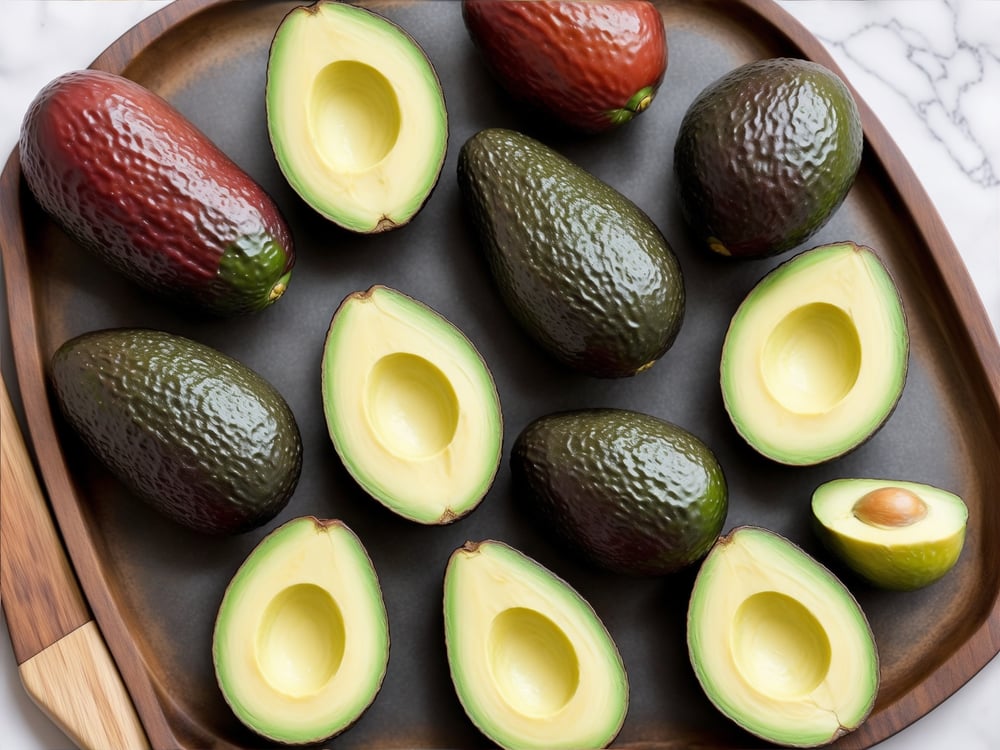
Avocado, with its creamy texture and unique flavor, is more than just a delicious addition to your meals; it's a superfood with an impressive array of nutrients that play a vital role in disease prevention.
1. Healthy Fats: Avocados are rich in monounsaturated fats, which are heart-healthy fats that help reduce bad cholesterol levels and lower the risk of heart disease. These fats are also beneficial for brain health and reducing inflammation in the body.
2. Fiber Champion: Avocados are a good source of dietary fiber, which is essential for digestion and helps maintain a healthy gut microbiome. A well-functioning digestive system is key to preventing gastrointestinal diseases.
3. Vitamins and Minerals: Avocados are packed with essential vitamins and minerals, including vitamin K, vitamin E, vitamin C, vitamin B6, folate, potassium, and copper. Vitamin K is crucial for blood clotting, and vitamin E is a powerful antioxidant that protects cells from damage.
4. Potassium Powerhouse: Avocados are exceptionally high in potassium, which is essential for maintaining healthy blood pressure levels, supporting heart health, and reducing the risk of stroke.
5. Antioxidant Content: Avocados contain various antioxidants, such as lutein and zeaxanthin, which are essential for eye health and reducing the risk of age-related macular degeneration.
6. Anti-Inflammatory Properties: Chronic inflammation is a common factor in many diseases, including heart disease, diabetes, and cancer. The monounsaturated fats and antioxidants in avocados contribute to reducing inflammation in the body.
7. Cancer Prevention: The antioxidants and fiber in avocados may help protect against certain types of cancer. They support the body's ability to prevent or inhibit the growth of cancer cells.
How to Include Avocado in Your Diet
Incorporating avocado into your diet is both easy and delicious.
- Avocado Toast: Mash avocado on whole-grain toast and top with your favorite ingredients like tomatoes, eggs, or smoked salmon.
- Guacamole: Create a classic guacamole dip with avocados, tomatoes, onions, cilantro, lime juice, and spices for a flavorful snack or appetizer.
- Salads: Add sliced or diced avocados to salads for a creamy and nutritious addition.
- Smoothies: Blend avocados into smoothies for a creamy texture and an extra boost of healthy fats.
- Avocado Sushi: Enjoy avocado sushi rolls, where slices of ripe avocado are used to encase the rice and other ingredients.
Avocado, beyond its unique taste and texture, is a superfood with the potential to prevent diseases and enhance overall health. By regularly including avocados in your diet, you can harness their disease-fighting potential while enjoying their rich array of nutrients and flavors. Whether you're aiming to support heart health, maintain eye health, or reduce the risk of cancer, avocados are a versatile and nutritious option to consider.
3. Spinach: The Leafy Disease Fighter
Benefits: Vitamins, minerals, antioxidants, fiber, and phytonutrients

Spinach, with its vibrant green leaves, is a nutritional powerhouse that offers a multitude of health benefits, contributing significantly to disease prevention.
1. Rich in Vitamins: Spinach is abundant in essential vitamins, including vitamin A, vitamin C, vitamin K, and several B vitamins. These vitamins play a crucial role in various bodily functions, such as immune system support, vision, and energy metabolism.
2. Mineral Content: Spinach is a good source of vital minerals like iron, calcium, magnesium, and potassium. Iron is necessary for healthy blood, calcium supports bone health, and potassium helps maintain healthy blood pressure levels.
3. Antioxidant Power: Spinach contains antioxidants, such as beta-carotene and lutein, which protect cells from oxidative stress and reduce the risk of chronic diseases. Lutein, in particular, is essential for maintaining good eye health and reducing the risk of age-related macular degeneration.
4. Fiber-Rich: Spinach is packed with dietary fiber, promoting digestive health, preventing constipation, and supporting a healthy gut microbiome. A well-functioning digestive system is crucial for disease prevention.
5. Anti-Inflammatory Properties: Chronic inflammation is a common factor in many diseases, including heart disease, diabetes, and cancer. Spinach contains compounds with anti-inflammatory properties, which can help reduce inflammation in the body.
6. Heart Health: The vitamins, minerals, and antioxidants in spinach support heart health by reducing the risk of heart disease. They help lower blood pressure, regulate cholesterol levels, and improve overall cardiovascular function.
7. Cancer Prevention: The antioxidants and phytonutrients in spinach have shown potential in inhibiting the growth of cancer cells. Regular consumption of spinach can help reduce the risk of various types of cancer, including colon, breast, and lung cancers.
8. Blood Sugar Regulation: Spinach has a low glycemic index, meaning it has a minimal impact on blood sugar levels. This makes it a valuable addition to the diet for individuals with diabetes or those looking to maintain stable blood sugar.
How to Include Spinach in Your Diet
Incorporating spinach into your diet is both versatile and nutritious.
- Salads: Add fresh spinach leaves to salads as a base or a vibrant green topping for added nutrients.
- Smoothies: Blend spinach into smoothies for a nutrient-rich boost. Its mild flavor blends well with fruits and other greens.
- Sautéed or Steamed: Sauté or steam spinach with a bit of olive oil and garlic for a quick and healthy side dish.
- Spinach Soup: Make a nourishing spinach soup with onions, garlic, and vegetable broth.
- Stuffed Dishes: Use spinach as a filling in stuffed chicken breasts or in vegetarian stuffed bell peppers.
Spinach, with its impressive nutrient profile, is a superfood that supports disease prevention and overall well-being. By regularly including spinach in your meals, you can harness its disease-fighting potential while enjoying its rich array of vitamins, minerals, and antioxidants. Whether you're aiming to support heart health, maintain strong bones, or reduce the risk of cancer, spinach is a versatile and nutritious option to consider.
4. Peanut Butter: The Nutty Disease Fighter
Benefits: Healthy fats, protein, vitamins, minerals, fiber, and antioxidants

Peanut butter, a beloved staple in many households, is more than just a tasty spread; it's a superfood with a wealth of nutrients that contribute significantly to disease prevention.
1. Healthy Fats: Peanut butter is rich in healthy monounsaturated and polyunsaturated fats, which are beneficial for heart health. These fats help reduce bad cholesterol levels, lower the risk of heart disease, and support brain function.
2. Protein Power: Peanut butter is a great source of plant-based protein, which is essential for muscle growth, repair, and overall body function. It's particularly valuable for individuals following a vegetarian or vegan diet.
3. Vitamins and Minerals: Peanut butter is packed with essential vitamins and minerals, including vitamin E, magnesium, phosphorus, and potassium. Vitamin E is a powerful antioxidant that protects cells from damage, while magnesium and phosphorus contribute to bone health and overall body function.
4. Dietary Fiber: Peanut butter contains dietary fiber, which aids in digestion, promotes a feeling of fullness, and helps regulate blood sugar levels. This is vital for preventing gastrointestinal diseases and managing diabetes.
5. Antioxidants: Peanut butter is a source of antioxidants, such as resveratrol and p-coumaric acid, which help combat oxidative stress and reduce the risk of chronic diseases. Resveratrol, in particular, is associated with a lower risk of heart disease and certain types of cancer.
6. Heart Health: The combination of healthy fats, fiber, and antioxidants in peanut butter contributes to heart health. Regular consumption can help lower blood pressure, reduce inflammation, and improve overall cardiovascular function.
7. Blood Sugar Control: The fiber and healthy fats in peanut butter help stabilize blood sugar levels, making it an excellent choice for individuals with diabetes or those looking to manage their blood sugar.
8. Cancer Prevention: The antioxidants in peanut butter have shown potential in preventing certain types of cancer, particularly colon and breast cancer. They work by inhibiting the growth of cancer cells.
How to Include Peanut Butter in Your Diet
Incorporating peanut butter into your diet is both easy and delicious.
- Spread on Whole-Grain Bread: Enjoy peanut butter on whole-grain toast or sandwiches. You can add sliced banana, honey, or chia seeds for extra flavor and nutrition.
- Smoothies: Blend peanut butter into smoothies for a rich, nutty flavor and a protein boost.
- Dipping Sauce: Create a peanut sauce for dipping vegetables, tofu, or as a dressing for salads and noodles.
- Stir into Oatmeal: Add a spoonful of peanut butter to your morning oatmeal for extra creaminess and flavor.
- Protein Balls: Make protein balls with peanut butter, oats, and a touch of honey for a satisfying snack.
Peanut butter, with its impressive nutrient profile, is a superfood that supports disease prevention and overall well-being. By regularly including peanut butter in your meals, you can harness its disease-fighting potential while enjoying its rich array of healthy fats, protein, vitamins, and minerals. Whether you're aiming to support heart health, maintain blood sugar control, or reduce the risk of cancer, peanut butter is a versatile and nutritious option to consider.
5. Chicken Breast: A Lean Protein Powerhouse
Benefits: High-quality protein, vitamins, and minerals

Chicken breast, a staple in many diets, is not only a versatile and delicious protein source but also a superfood with a range of health benefits that contribute to disease prevention.
- High-Quality Protein: Chicken breast is renowned for its high-quality protein content. Protein is essential for building and repairing tissues, supporting muscle growth, and maintaining a strong immune system. It provides the body with the amino acids it needs for various functions.
- Lean and Low in Fat: Chicken breast is a lean source of protein, which means it's low in saturated fat. A diet low in saturated fat is linked to a lower risk of heart disease and other cardiovascular conditions. Chicken breast is an excellent choice for those looking to maintain a healthy weight and reduce the risk of obesity-related diseases.
- Rich in B Vitamins: Chicken breast is a good source of B vitamins, including niacin (vitamin B3), which plays a crucial role in energy metabolism, and vitamin B6, which is essential for brain development and function. These vitamins help maintain overall health.
- Mineral Content: Chicken breast contains essential minerals like selenium and phosphorus. Selenium acts as an antioxidant, protecting the body from oxidative stress. Phosphorus plays a role in bone health and cell growth.
- Immune Support: The protein in chicken breast is vital for a robust immune system. It helps produce antibodies and other immune system components that fight off infections and diseases. Regular consumption of chicken breast can enhance the body's defense mechanisms.
- Muscle Maintenance: The high protein content in chicken breast is beneficial for muscle maintenance and growth. Muscle loss can be a concern as people age, so including protein-rich foods in the diet can help preserve muscle mass and strength.
- Blood Sugar Regulation: Protein can help stabilize blood sugar levels, reducing the risk of type 2 diabetes. Chicken breast, as a lean protein source, is a smart choice for individuals looking to manage their blood sugar.
- Bone Health: The phosphorus content in chicken breast contributes to bone health. It works in tandem with calcium to maintain strong and healthy bones.
How to Include Chicken Breast in Your Diet
Incorporating chicken breast into your diet is simple and can be done in various ways:
- Grilled Chicken Breast: Season chicken breast with your favorite herbs and spices, then grill it for a healthy and delicious meal.
- Baked Chicken Breast: Bake chicken breast with vegetables and a drizzle of olive oil for a nutritious one-pan dish.
- Chicken Stir-Fry: Create a quick and flavorful stir-fry with chicken breast, a variety of vegetables, and a tasty sauce.
- Chicken Salad: Slice or dice cooked chicken breast and add it to a salad for an extra protein boost.
- Chicken Wraps: Make a wholesome wrap with grilled chicken breast, fresh veggies, and a whole-grain tortilla.
Chicken breast is not just a dietary staple; it's a superfood that supports overall health and can help combat various diseases. By regularly incorporating chicken breast into your meals, you can enjoy the benefits of its high-quality protein, vitamins, and minerals while reducing the risk of disease. Whether you're aiming to maintain a strong immune system, support muscle health, or prevent chronic conditions, chicken breast is a versatile and nutritious option to consider.
6. Watermelon: A Refreshing Disease Fighter
Benefits: Hydration, vitamins, antioxidants, and minerals

Watermelon, with its high water content and vibrant red flesh, is more than just a refreshing summertime treat. It's a superfood packed with nutrients that play a significant role in disease prevention.
- Hydration and Electrolyte Balance: Watermelon is composed of over 90% water, making it an excellent hydrating fruit. Staying well-hydrated is essential for overall health and is especially important for regulating body temperature and preventing heat-related illnesses.
- Vitamins and Antioxidants: Watermelon is a rich source of essential vitamins, particularly vitamin C and vitamin A. These vitamins are powerful antioxidants that protect the body from oxidative stress, reducing the risk of chronic diseases.
- Lycopene Power: The vibrant red color of watermelon is due to its high lycopene content. Lycopene is an antioxidant associated with a lower risk of certain types of cancer, particularly prostate cancer. It also supports heart health by reducing the risk of heart disease.
- Anti-Inflammatory Properties: Chronic inflammation is a common underlying factor in many diseases, including diabetes, cancer, and heart disease. Watermelon contains compounds with anti-inflammatory properties, which can help reduce the risk of these conditions.
- Blood Pressure Regulation: Watermelon is a good source of potassium, which is crucial for maintaining healthy blood pressure levels. Adequate potassium intake can help prevent hypertension and reduce the risk of stroke and heart disease.
- Digestive Health: Watermelon contains dietary fiber, which aids in digestion, prevents constipation, and supports a healthy gut microbiome. A well-functioning digestive system is essential for overall health.
- Skin and Eye Health: The vitamins and antioxidants in watermelon are beneficial for maintaining healthy skin and promoting good vision. Vitamin A, in particular, is essential for eye health.
How to Include Watermelon in Your Diet
Incorporating watermelon into your diet is easy and refreshing.
- Sliced Watermelon: Enjoy it as a simple and refreshing snack. Slice the watermelon into wedges, cubes, or use fun-shaped cutters for a visually appealing treat.
- Watermelon Salad: Create a summer salad with cubed watermelon, feta cheese, fresh mint, and a drizzle of balsamic glaze.
- Watermelon Smoothie: Blend watermelon chunks with yogurt or coconut water for a hydrating and delicious smoothie.
- Watermelon Salsa: Dice watermelon and mix it with onions, jalapeños, lime juice, and cilantro to create a unique salsa that pairs well with grilled dishes.
- Frozen Watermelon Popsicles: Puree watermelon with a touch of honey, pour it into popsicle molds, and freeze for a healthy and refreshing treat.
Watermelon, beyond its thirst-quenching properties, is a superfood that supports disease prevention and overall well-being. By regularly including watermelon in your diet, you can enjoy its hydrating benefits while reducing the risk of chronic diseases. Whether you're aiming to support heart health, maintain healthy skin, or prevent cancer, watermelon is a delicious and nutritious option to consider.
7. Garlic: Nature's Disease Fighter
Benefits: Allicin, antioxidants, vitamins, and minerals
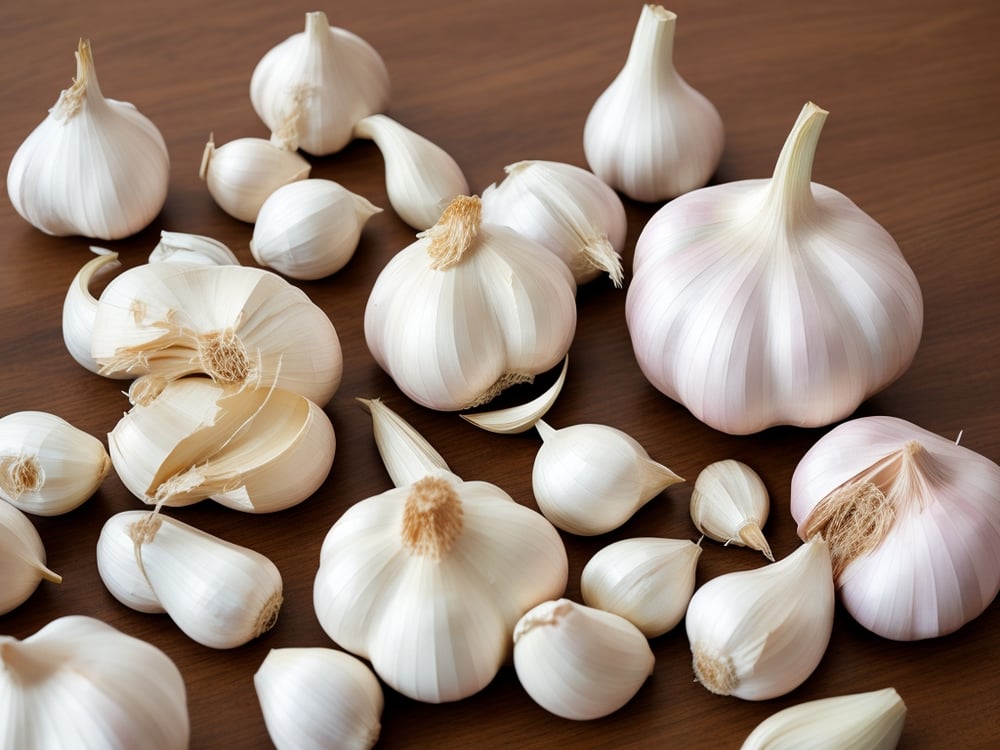
Garlic, a pungent herb commonly used in various cuisines, is not only a flavor enhancer but also a powerful ally in the battle against diseases. Its unique combination of nutrients makes it a potent superfood with a wide range of health benefits.
- Allicin: The Key Compound Garlic's most well-known health component is allicin, a sulfur compound. Allicin is responsible for the distinctive aroma and potent health properties of garlic. It's known for its antibacterial, antifungal, and antiviral effects.
- Antioxidant Arsenal: Full of antioxidants like quercetin, garlic offers cell protection from the harmful effects of free radicals. Antioxidants are crucial for reducing the risk of chronic diseases and slowing down the aging process.
- Immune Booster: The allicin in garlic is a formidable immune system enhancer. Regular consumption of garlic can help your body ward off infections, reducing the frequency and duration of common illnesses like colds and flu.
- Heart Health: Garlic is renowned for its positive impact on heart health. It can lower blood pressure, reduce cholesterol levels, and prevent the formation of plaque in the arteries. This significantly decreases the risk of heart disease and stroke.
- Cancer Prevention: The antioxidants in garlic may help protect against certain types of cancer, particularly stomach and colorectal cancer. Garlic's ability to inhibit the growth of cancer cells is an area of active research.
- Anti-Inflammatory Properties: Chronic inflammation is a common underlying factor in many diseases. Garlic's anti-inflammatory properties can help combat inflammation and reduce the risk of conditions like arthritis.
- Blood Sugar Control: Garlic can improve insulin sensitivity and regulate blood sugar levels, making it a valuable addition to the diet for individuals with diabetes.
- Antibacterial and Antifungal: Garlic's antimicrobial properties can help combat infections caused by bacteria and fungi, making it a natural remedy for various ailments.
How to Include Garlic in Your Diet
Incorporating garlic into your diet is easy and can be done in various ways.
- Raw Garlic: Consuming a small amount of raw garlic daily can provide the maximum allicin content. You can mince it and add it to salads or spread it on toast.
- Cooking: Garlic is a staple in many recipes. It's often used in stir-fries, pasta dishes, and roasted vegetables for a delightful flavor.
- Garlic Supplements: If you don't enjoy the taste or odor of garlic, you can take garlic supplements in the form of capsules or oil.
- Garlic Broth: Making garlic broth is an excellent way to incorporate the health benefits of garlic into your daily routine. Simply simmer garlic cloves in water until they soften, strain, and drink as a soothing and nutritious beverage.
Garlic is not only a culinary delight but also a natural disease fighter. Including garlic in your daily meals can significantly improve your overall health and reduce the risk of various diseases. Its powerful combination of allicin, antioxidants, and other essential nutrients makes it a superfood that should have a prominent place in your diet.
8. Lentils: A Disease-Fighting Superfood
Benefits: Protein, fiber, antioxidants, vitamins, and minerals
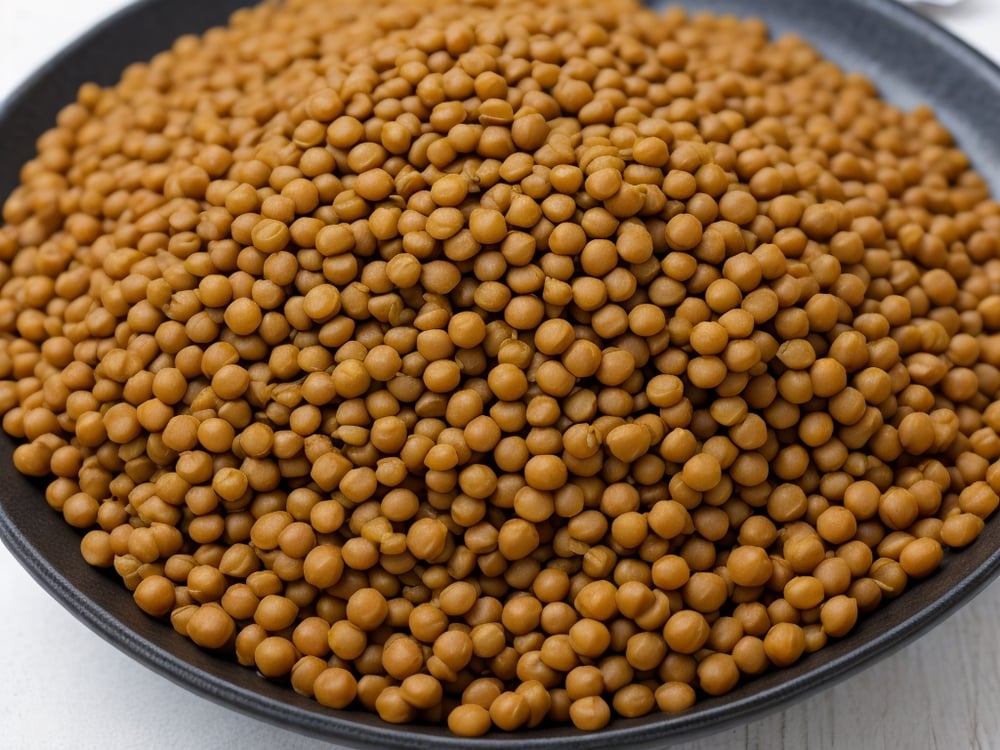
Lentils, those unassuming little legumes, pack a powerful punch when it comes to your health. These budget-friendly superfoods offer an array of nutrients that not only promote overall well-being but also help fight various diseases.
- Rich in Protein: Lentils are an excellent source of plant-based protein, making them a staple for vegetarians and vegans. Protein is vital for tissue repair and muscle maintenance, and it's essential for a healthy immune system.
- High in Fiber: Lentils are a fiber-rich food. Fiber aids digestion, helps maintain a healthy weight, and regulates blood sugar levels. By promoting a sense of fullness, lentils can assist in weight management, reducing the risk of obesity-related diseases like diabetes.
- Antioxidants Galore: Lentils are loaded with antioxidants. Antioxidants help combat oxidative stress in the body, which can lead to chronic diseases, including cancer and heart disease. Regular consumption of lentils can be part of a strategy to reduce the risk of these illnesses.
- Vitamins and Minerals: Lentils are a great source of essential vitamins and minerals, including folate, iron, potassium, and B vitamins. Folate is crucial for pregnant women, as it helps prevent birth defects. Iron is important for healthy blood, and potassium aids in maintaining proper blood pressure levels.
- Heart Health: The fiber, potassium, and antioxidants in lentils contribute to heart health. A diet rich in these components can help reduce the risk of heart disease, stroke, and hypertension.
- Digestive Health: The fiber in lentils promotes a healthy gut and aids in preventing constipation. A healthy digestive system is essential for overall well-being.
- Blood Sugar Control: Lentils have a low glycemic index and can help control blood sugar levels, making them a valuable addition to the diet of individuals with diabetes.
- Cancer Prevention: The antioxidants and fiber in lentils may play a role in reducing the risk of certain types of cancer, particularly colon cancer.
How to Include Lentils in Your Diet
There are various ways to incorporate lentils into your diet:
- Lentil Soup: A warm and hearty lentil soup is a delicious and nutritious option, especially during the colder months.
- Lentil Salad: Lentils can be added to salads for a protein and fiber boost.
- Lentil Curry: Enjoy the flavors of the world with lentil curries from different cuisines.
- Lentil Dip: Create a tasty lentil dip for snacking with vegetables or pita bread.
- Lentil Stew: Lentils can be used in hearty stews with vegetables and spices for a nutritious meal.
By regularly including lentils in your diet, you can harness their disease-fighting potential and enjoy improved health and well-being. Whether you're aiming to maintain a healthy weight, boost your immune system, or reduce the risk of chronic diseases, lentils are a versatile and budget-friendly option to consider.
9. Sweet Potatoes: Nature's Disease Defense
Benefits: Beta-carotene, fiber, vitamins, and minerals